Can You Unspay a Dog? Vet-Verified Health Facts


Spaying is a procedure that removes a female dog's reproductive organs. It is a highly recommended surgery for many health reasons. Also, if you own an intact pup, you've likely come across numerous dog-centric businesses, such as doggie daycares and dog parks, that aren’t always able to accommodate unfixed animals.
But what happens if you spay your female dog and decide later that you'd like to breed her? Can you "unspay" her? No, both the spay procedure for females and the neuter procedure for males are completely irreversible.

What Is a Spay?
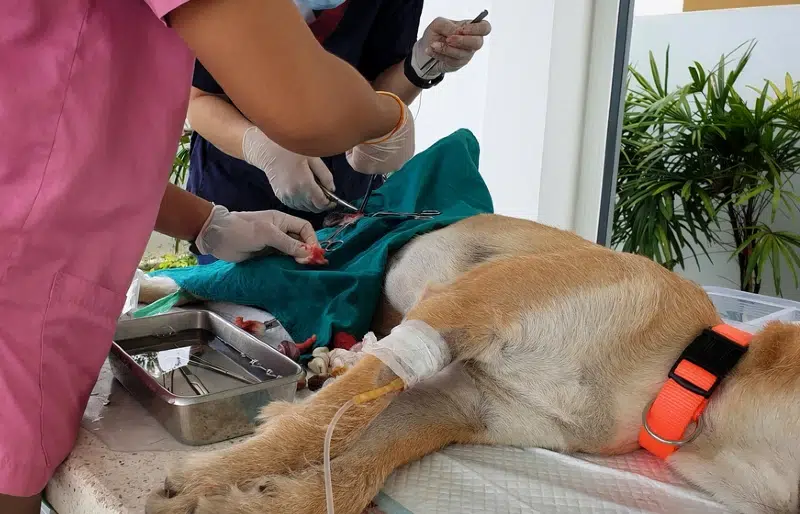
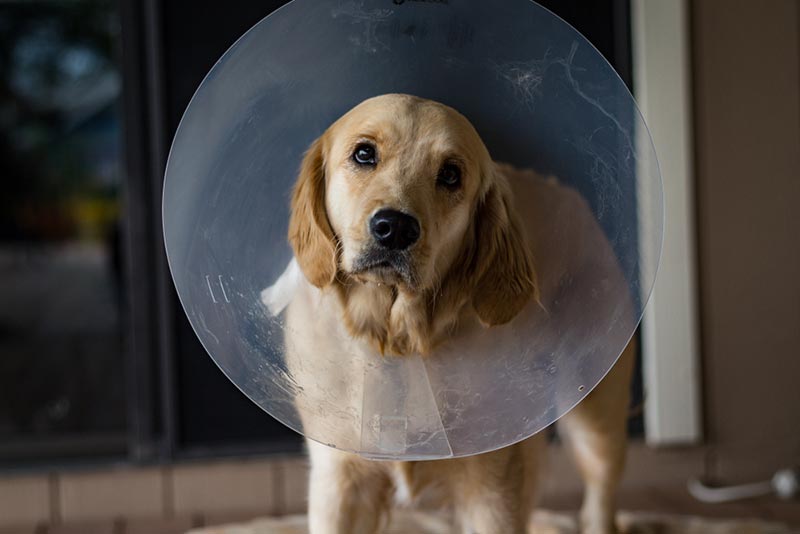
An ovariohysterectomy (also known as a "spay") is a surgery to remove the ovaries and uterus, effectively sterilizing a female dog so she cannot get pregnant. Some veterinarians perform a procedure known as an ovariectomy, where they only remove the ovaries, but this, too, will render your pup incapable of breeding.

Can My Dog Be Unspayed?
No, you cannot unspay your dog. Spaying is a major surgery that requires the removal of the reproductive organs. Even in the case of an ovariectomy, your dog will still not be able to reproduce, as she does not have the organs or hormones necessary to do so.
Should I Get My Dog Spayed?
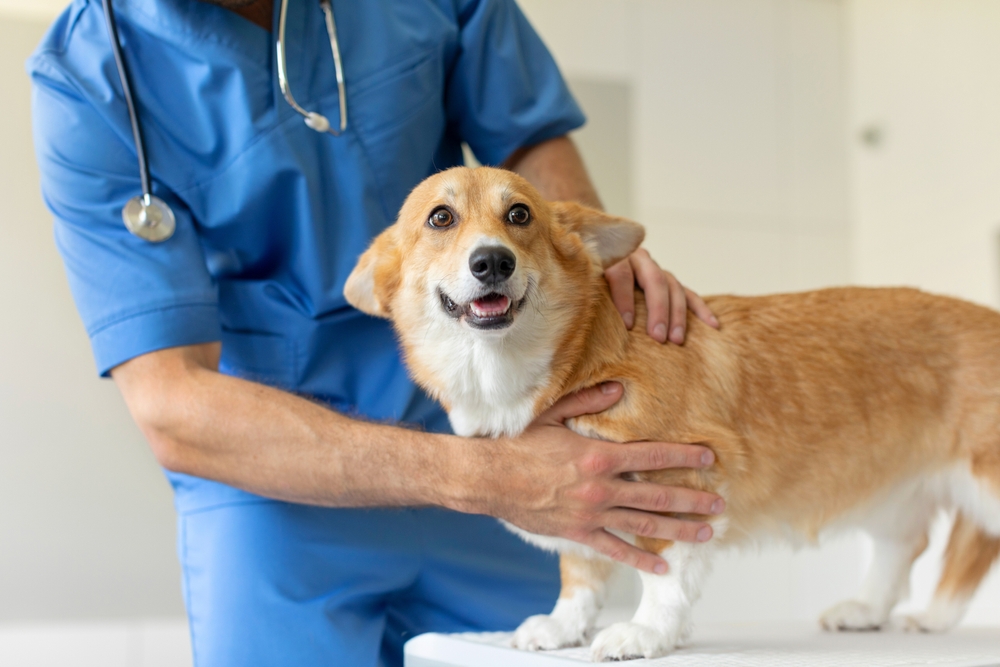
Yes, most veterinarians recommend that you spay or neuter your pets. The procedure has countless science-backed benefits, and it also reduces the animal overpopulation crisis.
The many benefits of spaying include:
- Reduces your dog's risk of developing mammary cancer (especially if she is spayed before her first or second heat)
- Eliminates the risk of uterine and ovarian cancers
- Prevents a potentially life-threatening uterine infection known as pyometra
- Has been found to increase a dog's lifespan
- Stops the bloody vaginal discharge and hormonal fluctuations that accompany each heat cycle
- May reduce the dog's urge to escape to find a mate

Are There Disadvantages to Getting Your Dog Spayed?
While the general consensus among veterinarians is that spaying will increase the lifespan and general well-being of most dogs, some scientific studies do suggest that there are increased risks of certain health conditions. These may include:
- Reduced metabolism
- Increased risk of joint problems in large breed dogs if spays are done before bone growth has been completed
- Increased risk of urinary incontinence, particularly if spaying is performed before maturity
Are There Risks to Leaving a Female Unspayed?
If you're unsure whether you'd like to breed your female dog, you may be wondering whether leaving her unspayed will cause any harm. Aside from being at a higher risk of developing certain cancers and potentially life-threatening infections, having an intact female dog does come with additional considerations.
They should not be in contact with intact males.
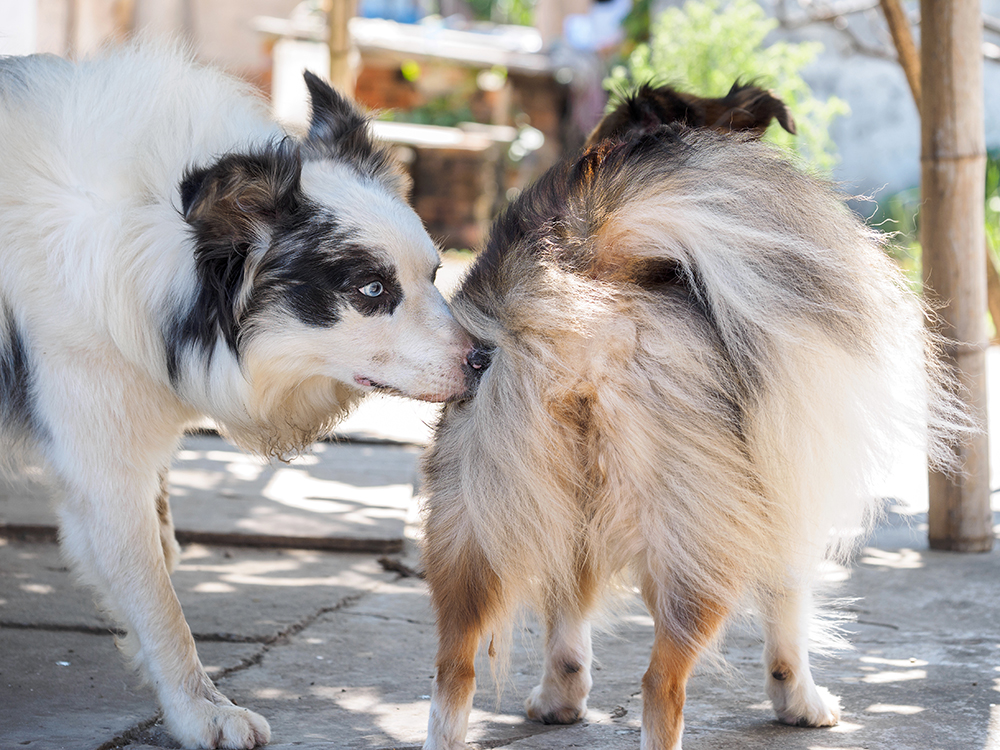
Intact male and female dogs should not be allowed to be near each other unless the goal is to breed them. When female dogs come into heat (approximately every 6 months for around 18 days), intact males can become extremely forceful and aggressive in their attempt to reach them and mate with them. Additionally, heat cycles aren't always obvious, and females can be fertile before they start exhibiting signs noticeable to their owners.
Intact dogs are not as welcome in certain spaces.
Training and obedience classes, doggy daycare, and even boarding facilities may not allow intact dogs to attend. Some dog parks may also have rules about whether intact dogs are permitted. It is extremely difficult to keep intact animals separated in these types of facilities, and operators don't want an unwanted pregnancy on their hands. Additionally, if intact males are kept close to females in heat, this can be extremely stressful for all involved.
Heat cycles can be challenging to deal with.
Female dogs come into heat approximately twice every year, and your dog will need a bit of extra supervision and care during this time. She'll be feeling hormonal during her heat cycle, so you'll have to keep her entertained and distracted to relieve some of her discomfort. Extra walks may be necessary to reduce stress.
If you like to talk with a vet to clear out any other doubts you might have regarding this topic, you can consult one online.
Final Thoughts
Once you've had your dog spayed, there's no going back. Spaying is an irreversible surgical procedure that removes the reproductive organs. If you're thinking about breeding your dog, you may want to wait to have her spayed until you decide whether you're going to take that road. You should know, however, that having your dog spayed has many scientifically proven benefits, including reducing her risk of certain types of cancers and extending her lifespan. Additionally, choosing not to spay your pup at all will come with its unique considerations and challenges.
There's certainly a lot to think about here, and your veterinary team will be your best point of contact for these conversations.
Sources
Featured Image Credit: Kyla Metzker, Shutterstock
Expert dog care, straight to your inbox
Vet-reviewed advice, training tips, and the best of Dogster. Free, and you can unsubscribe anytime.
By signing up, you agree to our Terms & Conditions and Privacy & Cookies Policy.
Chantelle is passionate about two things in her life – writing and animals. She grew up on the prairies of Canada surrounded by animals and as an adult, she choose to share her home with five cats, two guinea pigs, and a bearded dragon. Chantelle, her husband, and their child take great pride in being great animal parents- the ones who spend a thousand dollars on wall-mounted cat shelves so that their cats can have an indoor jungle gym all year round. When Chantelle isn’t snuggling her cats on the couch or taking pictures of them being funny, she’s outside exploring in the Rocky Mountains, binging the same shows on Netflix over and over, and reading about whatever random topic pops into her brain.
Join the conversation
Ask a question, share your story, or send private feedback.