Can I Put Vaseline on My Dog’s Nose? Vet-Verified Facts & Advice

In this article
Sometimes, your beloved canine companion’s nose dries out, resulting in cracked skin and pain for your pup. If you have Vaseline sitting around your house like most people, you may decide to reach for it to put on your dog’s nose. After all, Vaseline helps people with dry, painful skin, so it should work for your pup, too. Right?
But is it safe to use Vaseline on your pup’s nose? While Vaseline isn’t toxic to canines, it can make them ill if they ingest too much of it (and let’s face it, many dogs will try to lick it off their noses!). It may also not work as you hoped. So, if you’re in a pinch and have nothing else on hand, Vaseline could work as a temporary option. However, it isn’t the best long-term solution for your pet’s nose.

What Is Vaseline?
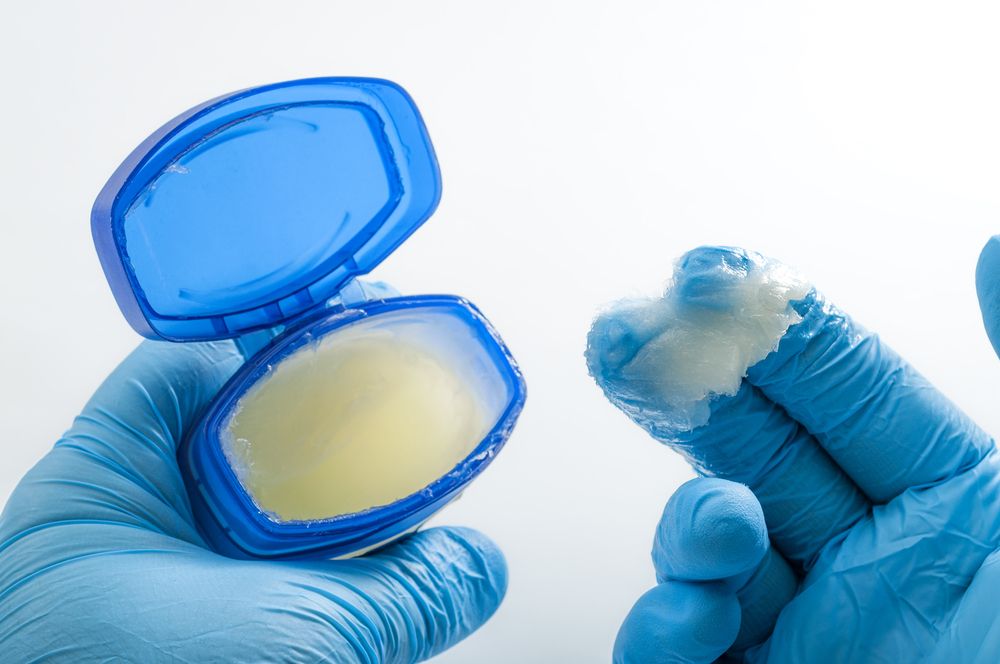
Vaseline is a petroleum jelly product made in the United States (though there are plenty of generic versions of Vaseline on the market, too). What exactly is petroleum jelly? Petroleum jelly is created from a mixture of mineral oil and waxes and is used to trap moisture on the skin, thus getting rid of dry, cracked skin. Vaseline was created in 1870, so it’s been around as a part of people’s skincare routines for quite a long time!
In people, this product can be used to relieve dry skin and also to do things like protect wounds or highlight cheekbones. However, what’s good for us isn’t always necessarily suitable for our pups.
Common Uses of Vaseline for Dogs
Because Vaseline is a common item found in homes, it can be useful as a temporary fix to dry nose skin or dry paws on your dog. Your vet may even recommend you use this product on your pup’s dry skin. However, because of the risk of ingestion, you shouldn’t use copious amounts of it on your dog (and different vets will have varying opinions about whether it should be used).
One thing you shouldn’t do without a vet’s recommendation is put Vaseline on any wounds your dog may have. While this product can help protect minor scrapes or cuts while they heal, certain wounds could be made worse by the application of this product. So, it’s important to always check with your vet if you’re considering using Vaseline on a scraped puppy nose or a cut on a paw.
Advantages of Vaseline
Although Vaseline shouldn’t be used as a long-term solution for a dry or scraped dog nose, it does have advantages that should not be overlooked.
The biggest advantages of Vaseline are that it’s easy to find and extremely affordable. Almost any store you go to will have Vaseline (or a generic version of Vaseline), so locating some will never be a problem. Vaseline is also quite inexpensive and contains a lot of product, so it’s super affordable.
Because it contains so much product, it can last someone quite a while. It’s also extremely shelf-stable, so you can use it for a long time. Petroleum jelly typically lasts about three years; however, if you store it correctly, it can be safely used for up to 10 years. So, you really get a lot of bang for your buck with Vaseline.
Finally, Vaseline isn’t toxic to canines, so you don’t have to worry about your dog being poisoned by this product. Non-toxic doesn’t always mean completely safe, though.

Disadvantages of Vaseline
Of course, any product you use has disadvantages, and Vaseline is no different.
The biggest disadvantage (and risk) that comes with Vaseline is if your dog ingests it. While small amounts of Vaseline being eaten should be fine, if your pup consumes a large amount, they could experience digestive issues, including diarrhea, vomiting, and stomach upset. For many dogs, this would happen after repeatedly licking Vaseline after it has been applied to their noses numerous times in a row. Or perhaps more likely if they get hold of the pot and lick it directly out of there.
It’s important to remember, too, that what constitutes a “large amount” of Vaseline will depend greatly on the size of your dog, as smaller pups would need to consume less of this product to experience digestive issues.
Then there’s the fact that your pet may lick it off, rendering the Vaseline useless. After all, if it’s no longer on the nose, it can’t help. So, if your pup tries to lick Vaseline off their nose every time you apply it, the Vaseline isn’t doing them any good. However, this could also be true for any product applied to the nose.
Vaseline may also cause skin issues in canines. Petroleum jelly works as a barrier to trap moisture; this also means it works as a barrier that traps other things, including debris, dirt, bacteria or yeast. This could cause a dog’s nose to worsen or even result in a skin infection. This is especially true if a dog is dealing with a rash or other skin irritation on their nose. If this is the case, you’re better off speaking with your vet so they can diagnose the problem and give your pup proper treatment.
Vaseline jelly is made from hydrocarbons, the product is made from left overs of oil and gas industry. Some people have an ethical stance on using such products.
Further still some people have health concerns about the presence of mineral oil aromatic hydrocarbons and polyaromatics. Currently Vaseline is considered safe by the FDA for use in cosmetic products.

What Can I Use Other Than Vaseline?
To determine the best Vaseline alternative for your dog’s nose, it’s best to consult your vet, as they can diagnose why your pup has a dry or irritated nose and recommend a dog-safe product to remedy the issue. However, you can find dog skin products on the market that contain ingredients that are safe if your dog licks the product off. Any of these should be fine to use on your dog’s nose. Many of these products may even utilize all-natural ingredients. Using products made specifically for canines and following the label instructions will help keep your dog safe from any adverse consequences.
Final Thoughts
Although Vaseline isn’t toxic to canines, it isn’t the best product to use on a dog nose that’s dry, cracked, or otherwise irritated. The main concern with using Vaseline is that a dog will lick the Vaseline off their nose and end up consuming so much that they suffer from gastrointestinal issues, such as vomiting or diarrhea. There are other disadvantages to using Vaseline on a dog’s nose, though.
If your pup is dealing with a skin issue of some kind on their nose, your best bet will be to either speak with your dog’s vet or find a dog-safe skin product that can be used to help your pup’s snout heal without the risk of them ingesting too much of the product and becoming ill.
Featured Image Credit: Victor Moussa, Shutterstock
Expert dog care, straight to your inbox
Vet-reviewed advice, training tips, and the best of Dogster. Free, and you can unsubscribe anytime.
By signing up, you agree to our Terms & Conditions and Privacy & Cookies Policy.
Misty Layne lives out in the woods in small-town Alabama with her two Siamese - Serafina & Jasper. She also has an array of stray cats, raccoons, and opossums who like to call her front porch home. When she’s not writing about animals, you’ll find her writing poetry, stories, and film reviews (the animals are, by far, her favorite writing topic, though!). In her free time, Misty enjoys chilling with her cats, playing piano, watching indie and foreign films, photographing abandoned places, and catching up on her never-ending TBR list.
Join the conversation
Ask a question, share your story, or send private feedback.