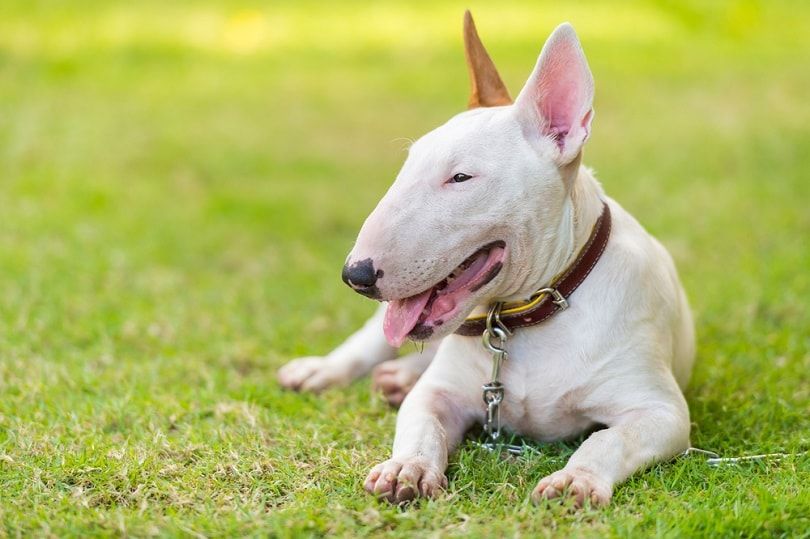
Bull Terrier Grooming: 26 Full Body Care Tips & Tricks

In this article
Are you a proud owner of a Bull Terrier? If so, you know that these exciting dogs require special care when it comes to grooming. Regular grooming is crucial for the health and well-being of your Bull Terrier. Beyond just keeping them looking their best, grooming helps prevent skin infections and other issues that can arise from neglecting their coat and skin. Bull Terriers have a unique coat that requires specific attention to keep it in top condition.
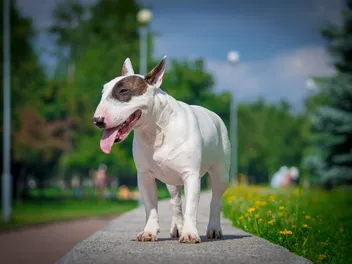
To properly groom your Bull Terrier, you need to understand their coat's specific needs. The short hair makes them less susceptible to matting, but it doesn't mean they don't require regular attention. Regular brushing helps distribute natural oils, removes loose hair, and stimulates the skin. It also gives you a chance to check for any skin issues, such as dryness, flakiness, or redness. Bathing, brushing, trimming their nails, and more are all part of grooming your dog. Let's discuss some tips on how to do all of these properly.

Bathing a Bull Terrier
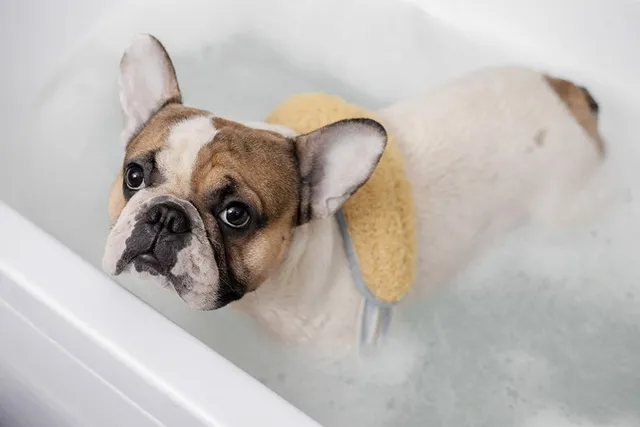
Bathing a Bull Terrier can be a challenging task, especially if you're not familiar with the breed or have never bathed a dog before. However, with the right approach and some patience, you can successfully give your Bull Terrier a nice clean bath.
1. Prepare the Bathing Area
Before bringing your dog into the bathroom or any other designated bathing area, make sure you have all the necessary supplies within reach. This includes dog shampoo, towels, a brush or comb, and any other grooming tools you may need. It is also a good idea to put a non-slip mat on the floor to prevent your dog from slipping during the bath.

2. Give Your Dog a Quick Brush
Before getting your Bull Terrier wet, it's important to brush their coat to remove any tangles or mats. This will not only make the bathing process easier but also help to distribute the shampoo more evenly. Use a brush or comb that's suitable for your dog's coat type and gently work through any knots.
3. Wet Your Dog's Coat Thoroughly
Once your dog is in the bathing area, use lukewarm water to wet their coat. Make sure to avoid getting water in their ears and eyes as this can cause discomfort or irritation full stop Use a handheld showerhead or a cup to pour water over their body, starting from the neck and working your way down to the tail.
4. Apply Dog Shampoo and Lather Up
Once your Bull Terrier's coat is wet, it is time to apply dog shampoo. Choose a shampoo that is specifically formulated for dogs and avoid using human shampoos as they can be too harsh for their skin. Pour a small amount of shampoo into your hands and lather it up before applying it to your dog's coat. Massage the shampoo into their fur, paying extra attention to any dirty or smelly areas.

5. Give a Good Rinse
After lathering up your dog's coat, it's important to rinse them thoroughly to remove all the shampoo. Make sure to rinse out all the suds, as leftover shampoo can cause skin irritation or dryness. Use lukewarm water and continue rinsing until the water runs clear and there are no traces of shampoo left on their coat.
6. Dry Your Bull Terrier Off
Once your Bull Terrier is all rinsed, it's time to dry them off. Use a clean towel or cloth to gently pat your dog dry, starting from their head and working your way down to their tail. Avoid rubbing vigorously as this can cause tangles or matting. If your Bull Terrier has a longer coat, you may also use a blow dryer on the lowest setting to speed up the drying process. Make sure to keep the blow dryer at a safe distance from your dog and avoid using hot air.

How to Properly Brush a Bull Terrier's Coat
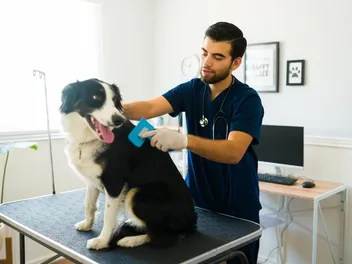
Brushing is a crucial part of Bull Terrier grooming, as it helps remove loose hair, stimulates the skin, and prevents matting. Here's how to properly brush your Bull Terrier's coat.
1. Gather Your Tools
First, gather all the necessary tools and supplies before you begin brushing your terrier's coat. You'll need a slicker brush, a bristle brush, a comb, and some dog-friendly detangling spray if necessary. Having these tools ready will make the brushing process much easier and more efficient.
2. Try to Relax Your Dog
Make sure that your terrier is calm and relaxed before you start brushing to prevent any unnecessary stress or anxiety. Next, find a comfortable and quiet area where you can brush your Bull Terrier. This can be a designated grooming area or simply a quiet corner of your home.

3. Use Your Slicker Brush
Start by using the slicker brush to remove any loose hair from your dog's coat. Begin up top at the head and trail the brushing down to the tail, brushing in direction with the grain. Be sure to pay extra attention to areas where the dog's fur is thicker, such as the neck, chest, and hindquarters. The slicker brush will help to remove any tangles or mats and keep your Bull Terrier's coat looking neat and tidy.
4. Use Your Bristle Brush
After using the slicker brush, switch to the bristle brush to smooth out your Bull Terrier's coat and distribute natural oils. The bristle brush will also help to remove any remaining loose hair and give the coat a polished appearance. Brush in long, sweeping motions from head to tail, being gentle but firm to avoid causing any discomfort to your terrier–some dogs take better to grooming than others.

5. Comb Out Any Tough Mats & Tangles
Once you've finished brushing with the bristle brush, use a comb to check for any remaining tangles or mats in your Bull Terrier's coat. Gently comb through the fur, starting from the roots and working your way to the ends. If you encounter any tangles, use your fingers or the comb to carefully loosen them (always start from the ends). Be patient and take your time to prevent any pulling or discomfort for your Bull Terrier.
If your Bull Terrier's coat is particularly prone to tangling or matting, you may need to use a detangling spray. Spray a small amount onto the tangled area and use your fingers or a wide-toothed comb to gently work through the tangles. Avoid using excessive force or pulling on the hair, as this can cause discomfort and potentially damage the coat.
Trimming & Maintaining a Bull Terrier's Nails
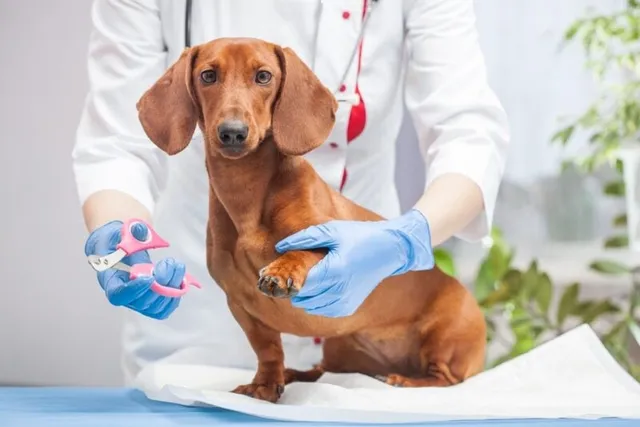
Trimming your Bull Terrier's nails is an essential part of their grooming routine, and you should be checking them every couple of weeks. Note that extra-long nails can be really uncomfortable for your pup and may lead to issues with walking or cause injuries. Here's how to properly trim and maintain them.
1. Use the Right Tools
Invest in a pair of dog nail clippers or a grinder specifically designed for dogs. Avoid using human nail clippers, as they can cause discomfort or injury to your terrier.
2. Get Your Bull Terrier Nice and Comfy
Start by getting your Bull Terrier used to having their paws handled. It also helps to gently touch and massage their paw pads to desensitize them to the nail trimming (or grinding) process.
3. Find the Right Length
When trimming your Bull Terrier's nails, aim to cut just the tip, avoiding the quick. The quick is the pink area inside the nail that contains blood vessels and nerves. Cutting into the quick can cause bleeding and pain.

4. Take It Slow
If your dog is nervous or resistant to having their nails trimmed, take it slow and do small sessions at a time. Offer treats and praise to make the experience positive.
5. Use a Grinder Instead of Clippers
If your Bull Terrier is particularly sensitive to nail clippers, consider using a grinder. A grinder files down the nail gradually and can be less intimidating for some dogs.
6. Maintain Regular Trimming
To keep your Bull Terrier's nails at a proper length, trim them regularly. The frequency depends on how quickly their nails grow but aim for every 4–6 weeks. If you can hear your dog's nails on your hard floors, chances are that they may need a trim.
Ear Cleaning Tips
Regular ear cleaning is an important part of your Bull Terrier's overall grooming routine. As a breed prone to ear infections and wax buildup, regular cleaning can help prevent discomfort and potential health issues. While it's recommended to consult with a vet for specific instructions and products, there are general guidelines that can be followed to safely and effectively clean their ears. Here's how to do it.
1. Find Vet-Approved Supplies
Start by getting all of your supplies together. This typically includes a veterinarian-approved ear cleaning solution, cotton balls or pads, and possibly gloves if preferred. It's important to note that small cotton swabs should not be used as they can push debris further into the ear canal and potentially cause damage.
2. Hold Their Head and Clean One Ear
To start, gently hold the Bull Terrier's head still and lift one ear flap at a time. Carefully inspect the visible part of the ear for any signs of redness, swelling, discharge, or bad odor. If any of these signs are present, it may indicate an infection or other underlying issue, and it is best to consult with a veterinarian.

3. Apply Solution & Let It Sit
Next, pour a small amount of the ear cleaning solution onto a cotton ball or pad. Gently wipe the inside of the ear flap and the visible part of the ear, being careful not to insert anything into the ear canal. The solution helps to break down any wax or debris and remove it from the surface.
And if there's excessive wax or debris in the ear canal, it may be necessary to apply a few drops of the cleaning solution directly into the canal. This should be done cautiously, following the instructions provided by a veterinarian. After applying the drops, gently massage the base of the ear for about 15–30 seconds to help loosen any buildup.
4. Wipe Out Solution
Once the cleaning solution has had time to work, use a fresh cotton ball or pad to wipe away any remaining debris or excess solution from the ear. Be thorough but gentle, ensuring not to cause any discomfort or injury to the dog. It's important to note that the ear canals of Bull Terriers are L-shaped, making it easier for debris to become trapped, so thorough cleaning is necessary.
After both ears have been cleaned, give your dog a small treat (or praise) to create a positive association with ear cleaning and make future sessions more manageable.
Managing Tear Stains and Eye Care for Bull Terriers
Like most canines, these terriers are also prone to tear stains due to their unique facial structure and watery eyes. Managing tear stains and properly caring for their eyes is important to prevent irritation and keep them comfortable. So, let's look at how to keep their eyes clean and free of tear stains:

1. Keep the Surrounding Eye Area Clean
Use a warm, damp cloth to gently wipe away tear stains from your Bull Terrier's face. Avoid using harsh chemicals or products near their eyes, as it can cause irritation.
2. Trim Hair Around the Eyes
Excess hair around the eyes can contribute to tear stains. Regularly trim the hair around your Bull Terrier's eyes to keep it clean and prevent staining.
3. Check for Eye Issues
Keep an eye out for any signs of eye irritation or infection, such as redness, swelling, discharge, or excessive tearing. If you notice any issues, consult with your veterinarian for proper diagnosis and treatment. They'll likely recommend drops or antibiotics if there's an infection.
4. Use a Tear Stain Remover
If tear stains persist, you can use a tear stain remover specifically designed for dogs. Read the instructions carefully and avoid getting the product in your Bull Terrier's eyes. Apply the solution to a cotton swab or cloth and gently wipe the dog's outer eye area.
5. Monitor Diet and Allergies
Tear stains can be exacerbated by certain food allergies or sensitivities (like pollen, mold, fleas, food, etc.). So, monitor your terrier's diet and consult with your vet if you suspect any dietary issues contributing to tear stains – or if the stains are excessive or seem to cause irritation.
Wrapping Things Up
Grooming your Bull Terrier is crucial for maintaining their overall health and wellbeing. Regular grooming sessions help to keep their coat, ears, and nails healthy. Additionally, grooming allows you to check for any skin issues or abnormalities that may require veterinary attention. It also helps to prevent matting and tangling of the fur, which can be uncomfortable for the dog – not to mention it helps to keep them looking neat and presentable. So be sure to make regular grooming an integral part of your Bull Terrier's care routine.
Featured Image Credit: tratong, Shutterstock
Expert dog care, straight to your inbox
News, insights, expert advice, and everything dog.

No spam — unsubscribe anytime.
By signing up, you agree to our Terms & Conditions and Privacy & Cookies Policy.
How useful was this post?
Click a star to rate. You can leave written feedback afterwards. (We read all feedback.)
Nicole has loved animals of all sizes her whole life so it's no wonder she has dedicated her career to helping them through what she loves best: learning, writing, and sharing knowledge with others. She’s the proud mom of two dogs, a cat, and a human. With a degree in Education and 15+ years of writing experience, Nicole wants to help pet parents and pets around the planet to live happy, safe, and healthy lives.