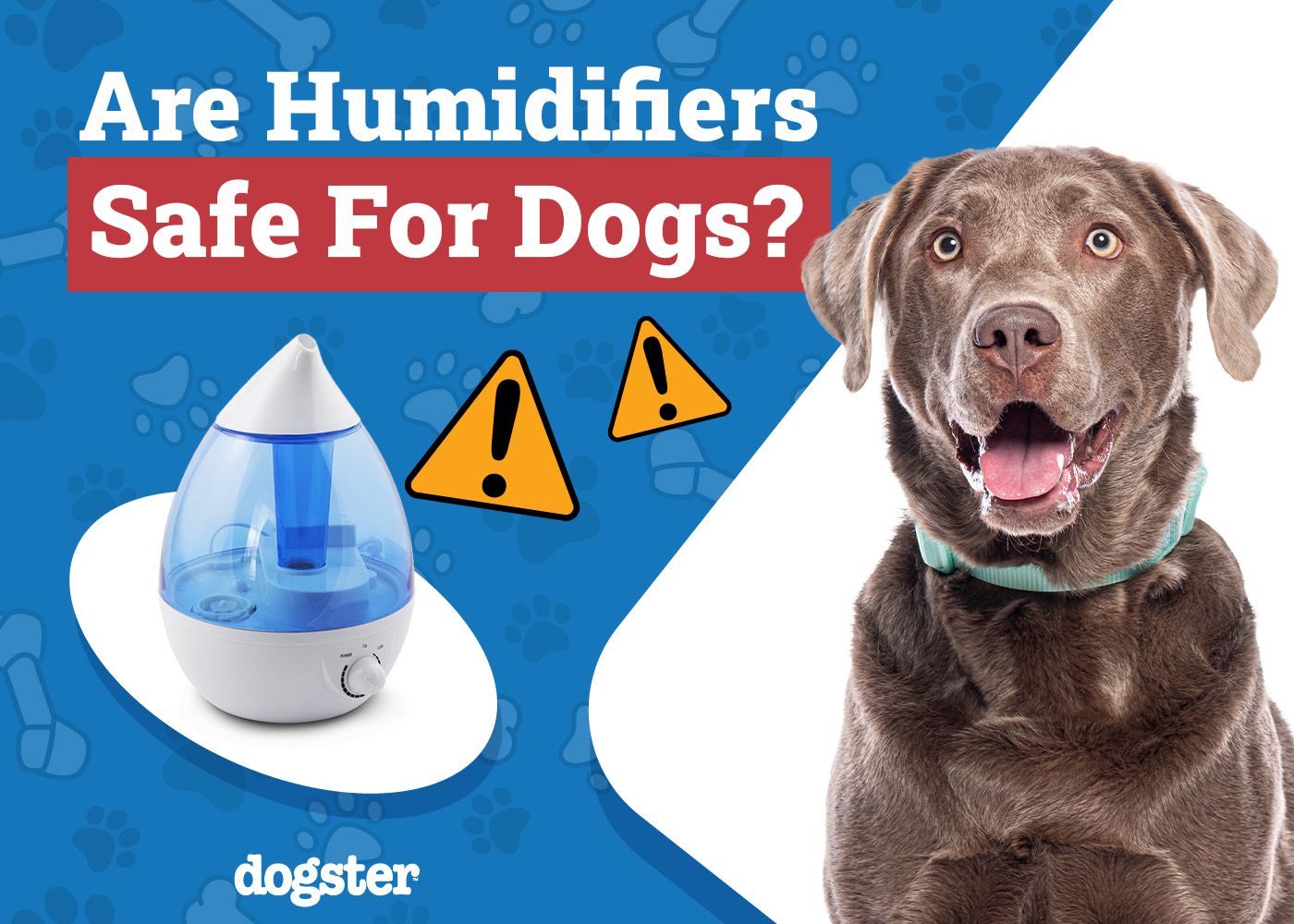
Are Humidifiers Safe for Dogs? Safety Concerns & Benefits

In this article
Just like people, dogs can benefit from using a humidifier in their homes, especially during the winter months when the air is drier. Humidifiers can help relieve congestion and make it easier for your dog to breathe, as well as help soothe dry skin and improve overall comfort. In other words, humidifiers are generally safe to use around dogs. Before bringing in a humidifier for your dog, however, it's important to understand how it can affect your pet—both the benefits and the potential risks.

What Does a Humidifier Do?
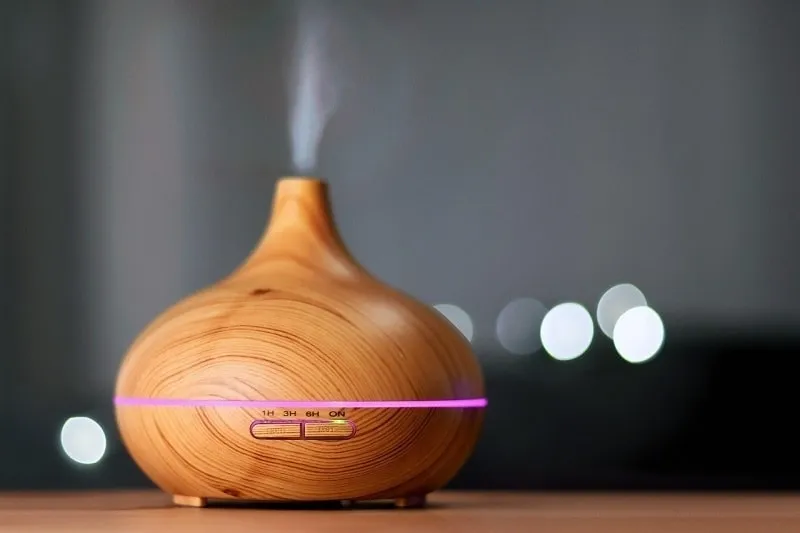
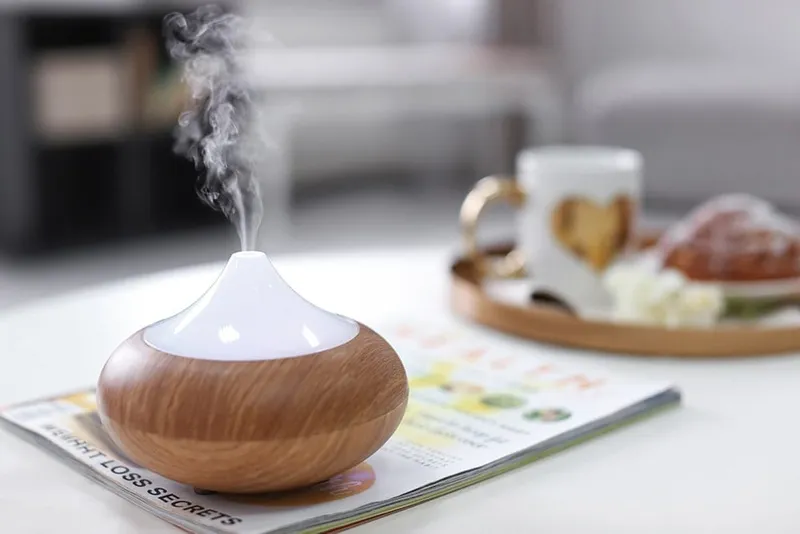
A humidifier is a device that adds moisture to the air by emitting water vapor. There are several types of humidifiers, but the most common for home use are warm mist and cool mist humidifiers. Knowing how they work will help you choose the right type for your dog:
Benefits of Humidifiers for Dogs
Dry air is just as uncomfortable for your dog as it is for you. Bringing in a humidifier is an easy and safe way to improve your dog's quality of life, especially if they suffer from any respiratory problems.
Let’s take a look at how humidifiers can help your dog.
Humidifiers Help Moisturize Your Dog’s Skin
Dry indoor air isn't just uncomfortable for dogs. It can also dry out their skin and fur, as well as exacerbate skin conditions like eczema, dermatitis, and psoriasis.
Adding moisture to the air with a humidifier can help keep your dog's skin hydrated and healthy. It naturally soothes and hydrates the skin, providing relief from itchiness and dryness.
Humidifiers Can Help Your Dog Breathe Easier
Low indoor humidity, particularly during cold winter months, can dry out your dog's mucous membranes and make it difficult to breathe.
This is especially true for dogs with respiratory conditions such as kennel cough or asthma. Brachycephalic (short-nosed) breeds are also particularly vulnerable to respiratory problems since they already have difficulty breathing.
The extra moisture from humidifiers can help open up their nasal passages and ease congestion. You may also notice your dog snoring less as a result.
Running a Humidifier Can Boost Your Dog's Immune System
Dry air can affect the protective membranes of the skin and eyes, this reduced barrier function can impact on immunity. The increased moisture in the air from a humidifier can help keep airborne pathogens at bay, as well as reduce your dog's recovery time if they do catch something.
All of these also lead to more health benefits for dogs. For instance, dogs who can breathe better and enjoy relief from joint pain and inflammation tend to sleep better, which leads to a stronger immune system.
In turn, they have more energy to play and exercise, which is excellent for their overall health and well-being.
Humidifier for Dogs: Safety Concerns
While humidifiers offer a number of benefits for dogs, there are also some potential risks to be aware of:
Scalding Hazard from Warm Mist Humidifiers
Warm mist humidifiers pose a serious risk of injury if your dog—or even you—accidentally knocks it over. Both the hot water and the heating element can burn your dog if they come into contact with it.
Risk of Bacteria and Mold Growth
The moist environment inside a humidifier is the ideal breeding ground for bacteria and mold. If the humidifier isn't cleaned properly, these harmful microorganisms can be released into the air along with the water vapor, causing a variety of respiratory problems for you and your dog.
Excess Humidity Can Also Be a Problem
While humidifiers are great for adding moisture to the air, it's important to make sure that the humidity level in your home doesn't get too high.
Excess humidity can cause health issues for both humans and dogs.

How to Safely Use Humidifiers with Dogs
Despite the potential risks, humidifiers can be safely used in homes with dogs if certain precautions are taken:
Use a Cool Mist Instead of a Warm Mist Humidifier
A cool mist humidifier eliminates the risk of scalds and burns. It's also best to use an evaporative cool mist humidifier instead of an ultrasonic one, as the vibration and sound from ultrasonic humidifiers can be bothersome or even harmful to dogs with sensitive hearing.
Clean the Humidifier Regularly
To prevent the growth of mold and bacteria, it's important to clean your humidifier according to the manufacturer's instructions. This usually involves disassembling the unit and wiping down all the parts with a vinegar solution. The water reservoir should also be emptied, rinsed, and refilled daily.
Monitor the Humidity Level in Your Home
Use a hygrometer to keep track of the humidity level in your home and adjust the humidifier accordingly. The recommended humidity level for dogs is between 30% and 70%.

Keep the Humidifier Out of Reach
No matter what kind of humidifier you are using, keep them well away from those curious paws. Dogs can easily topple over a humidifier, so place it on a high shelf or counter where your dog can't reach it.
Dust and Clean Regularly
Humidifiers don't clean the air because it only adds moisture, so you and your dog will still be breathing in irritants and allergens present indoors. In addition to cleaning the humidifier itself, try to keep your home as clean and dust-free as possible.
Don't Use Essential Oils Around Dogs
Essential oils are a popular way to add fragrance to humidifiers. While they are mostly safe for humans, many varieties are unsafe for pets. For instance, the following essential oils are toxic to dogs:
Stick to pure, clean water in your humidifier to avoid any problems.
Consult Your Vet if You Have Any Concerns
If you are not sure whether a humidifier is right for your dog, or if you have any other questions or concerns, be sure to talk to your veterinarian. This is particularly important if your dog has existing health issues.

Wrapping It Up
For the most part, humidifiers can significantly improve your dog's comfort and health. Just make sure to observe a few precautions to keep your home safe for both you and your pup!
Sources
Featured Image Credit: Anke Sundermeier, Pixabay
Expert dog care, straight to your inbox
News, insights, expert advice, and everything dog.

No spam — unsubscribe anytime.
By signing up, you agree to our Terms & Conditions and Privacy & Cookies Policy.
How useful was this post?
Click a star to rate. You can leave written feedback afterwards. (We read all feedback.)
Nicole has loved animals of all sizes her whole life so it's no wonder she has dedicated her career to helping them through what she loves best: learning, writing, and sharing knowledge with others. She’s the proud mom of two dogs, a cat, and a human. With a degree in Education and 15+ years of writing experience, Nicole wants to help pet parents and pets around the planet to live happy, safe, and healthy lives.