Why Is My Dog Coughing Like Something Is Stuck in His Throat? Our Vet Answers

In this article
If your dog has started to cough like there is something stuck in his throat and you’ve started to worry, there are several possible causes for this. We will review the most common explanations for this behavior and give you some tips on what to do about it to help your dog.
The most common causes of a dog coughing like they have something on the back of their throat include:

Kennel Cough
Canine infectious tracheobronchitis, better known as kennel cough, is a very common infection of the upper respiratory system of dogs. It’s popularly known as kennel cough because it rapidly spreads in shelters and environments where many dogs are kept in confined spaces together and where aerosolized microbes are easily transmitted from dog to dog.
There are several microorganisms responsible for causing this infection, but in particular, a bacteria called Bordetella bronchiseptica seems to be implicated in the majority of these cases. For this reason, kennel cough can sometimes be called Bordetellosis. However, keep in mind that it is usually a virus precursor also involved in the disease.

How Did My Dog Get the Infection?
For Bordetella to infect the trachea and larynx of a dog there has to be a preceding condition of immunosuppression (like what happens when dogs get stressed in shelters, for example), or a previous viral infection affecting the ability of the cells of the respiratory system to produce mucus that would normally work as a barrier and trap this bacterium.
Other non-infectious conditions that could be predisposing a kennel cough would be respiratory irritants such as smoke or environmental pollutants. The signs can start 2–14 days after initial infection, so if your dog has had access to other dogs, visited the groomer, a shelter, doggie hotel, or has suffered stress during the last 2 weeks, it’s possible you are dealing with kennel cough.
Should I Take My Dog to the Vet?
Kennel cough is generally not a cause for concern as most cases will run their natural course, however, because it is highly infectious, a dog with kennel cough must be isolated from other dogs to avoid transmission.
Kennel cough might be accompanied by a runny nose and some eye discharge, but otherwise, most dogs seem normal in their activity levels and appetite. If the cough is accompanied by any other signs like lethargy, fever, or lost appetite, please bring your dog to the vet as this might be an indication of either a complicating case that could develop into pneumonia or another respiratory disease.
If your dog is coughing like something is stuck in their throat, or a honking-type cough is the only sign and your dog looks normal otherwise, there is no cause of concern just yet. Keep the dog isolated, follow the recommended tips, and you should be seeing some progress in about a week or two.
If you are concerned or have questions about your pet's health, you can also speak to a vet from the comfort of your own home to help make a plan. They can determine when an in-clinic vet visit should be made.
If you are concerned or have questions about your pet's health, you can also speak to a vet from the comfort of your own home to help make a plan. They can determine when an in-clinic vet visit should be made.
How Long Should I Keep My Dog Isolated?
Kennel cough symptoms normally stop after an average of 2–3 weeks and up to 6 weeks in the case of immunocompromised or senior dogs. However, a dog can still remain infectious up to 14 weeks after signs resolve.
Is There Anything I Can Do to Help My Dog?
- Remove their collar or replace it with a harness.
- Increase the humidity of the air to help soothe the upper respiratory tract by using a humidifier in a room, or if you don’t have one, bring the dog inside the bathroom and have a hot shower.
- Give your dog a spoonful of manuka honey for every 10–20 pounds of body weight 2–3 times a day.
- Talk to your veterinarian about supplementing your dog with vitamin C.
- Avoid environmental irritants such as scented candles, air fresheners, cigarette smoke, chimney smoke, and any irritant chemical substance.
Viral Infection
Several viruses affect the respiratory system or challenge your dog’s immune system and they are usually a precursor to kennel cough.
Some of them include:
Should I Take My Dog to the Vet?
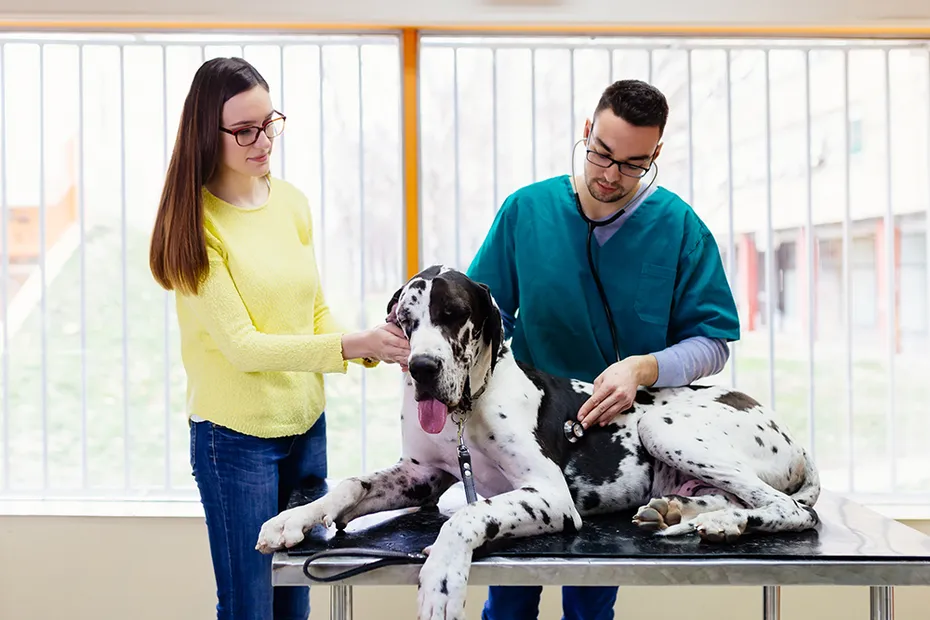
These viruses usually run their course. If your dog is active and eating normally and just has a cough, there is no need to run to the vet. A runny nose and some ocular secretion can be normal; however, if your dog has other signs like compromised breathing, lethargy, fever, or is refusing to eat, please bring your dog to the vet as soon as possible. If your dog’s condition seems to worsen instead of recovering, please bring your dog to the vet.
What Can I Do to Help My Dog?
Working on having a healthy immune system goes a long way in these cases.
- Remove their collar or replace it with a harness.
- Increase the humidity of the air to help soothe the upper respiratory tract by using a humidifier in a room or if you don’t have one, bring the dog inside the bathroom and have a hot shower.
- Give your dog a spoon of manuka honey for every 10–20 pounds of body weight 2–3 times a day.
- Talk to your veterinarian about supplementing your dog with vitamin C and L-lysine.
Tracheal Collapse
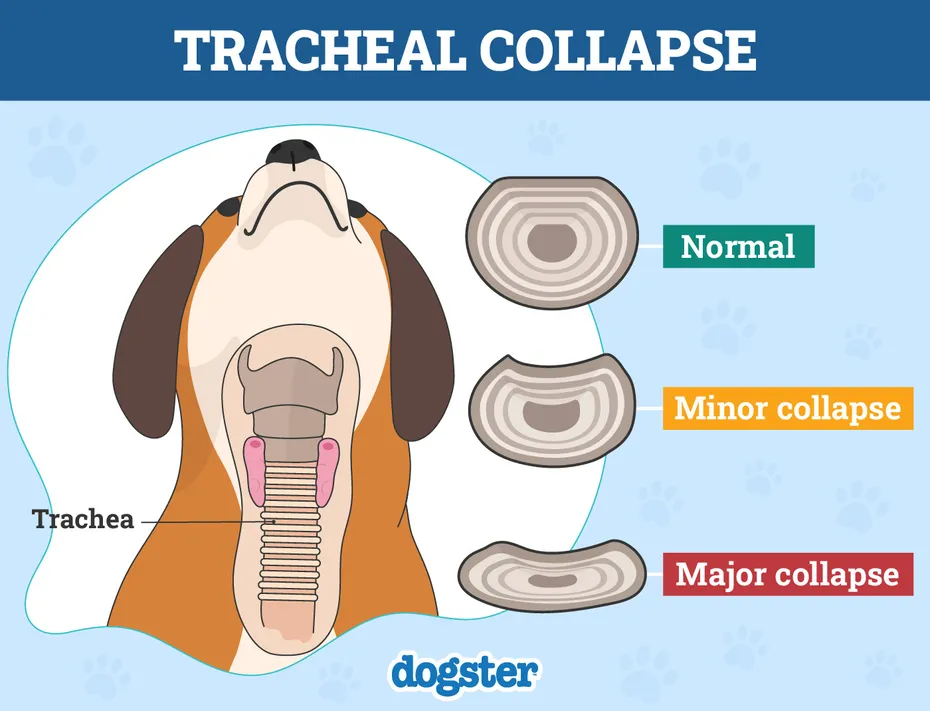
Tracheal collapse is a chronic progressive disease of the trachea that affects mostly small-sized dogs like Yorkshires, Chihuahuas, Pomeranians, and Toy Poodles. These breeds have a genetic predisposition to this disease, however, it could affect other dogs as well. Coughing like something is stuck in the throat or having a honking-type cough is one of the first signs of this progressive disease, so if your dog belongs to one of these breeds and is reaching middle age, chances are that this could be the cause.
Should I Take My Dog to the Vet?
Yes, definitively in a case of tracheal collapse, a vet should evaluate your dog to investigate the magnitude of the problem and recommend adequate treatment. Severe cases need complex surgery so ideally steps should be taken to prevent the problem and its progression.
What Can I Do to Help Prevent Tracheal Collapse in My Dog?
- Never use collars on small breed dogs; use a harness instead.
- Avoid environmental irritants such as scented candles, air fresheners, cigarette smoke, chimney smoke, and any irritant chemical substance.
- Talk to your veterinarian about supplementing your dog with glucosamine and chondroitin, this should be started on puppies of these breeds as prevention and can be helpful during the early stages of the degeneration.
Final Thoughts
A dog coughing like something is stuck in their throat is usually caused by kennel cough, a highly contagious but also usually self-limiting infection. This is generally not a cause of big concern in dogs that do not present other signs. In the case of smaller breed dogs, coughing like something is stuck in the throat can also be an early sign of tracheal collapse and the issue needs to be addressed sooner to increase the possibilities of successful management without having to resort to complex surgery.
You may also want to read: Why Is My Puppy Breathing Fast: Should I Worry?
Featured Image Credit: 5075933, Pixabay
Expert dog care, straight to your inbox
News, insights, expert advice, and everything dog.

No spam — unsubscribe anytime.
By signing up, you agree to our Terms & Conditions and Privacy & Cookies Policy.
How useful was this post?
Click a star to rate. You can leave written feedback afterwards. (We read all feedback.)
Dr. Paola Cuevas is our Senior In-House Veterinarian at Dogster and Pangolia. She has over 19 years of experience working with an array of species and loves sharing her knowledge and experience with our readers and aims to provide assistance with any issue presented by your non-human family members. She received her degree from the University of Guadalajara, Mexico.
Her passions are animal welfare and preventive medicine, and has skills in the fields of nutrition, microscopy, clinical pathology, diagnostic imaging, and endoscopy. Paola frequently contributes pet care insight to various media outlets like PetMD, The Daily Record, Parents.com, etc.
Paola is also an animal behaviorist with extensive experience in positive reinforcement animal training.