Are Dogs Afraid of the Dark? Vet-Reviewed Facts & Tips



In this article
People are often afraid of the dark, which may lead us to wonder if dogs are as well. The answer is both yes and no. While dogs have better night vision than humans, making it easier for them to navigate in low light, some dogs can still exhibit fear-like behaviors in dark environments. The fear isn't necessarily about the darkness itself but what it represents or what they associate it with. Let’s explore some possible scenarios.

Understanding Dogs' Night Vision
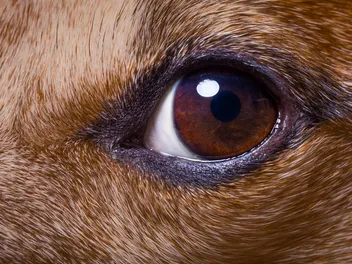
Dogs have a superior ability to see in the dark compared to humans. This difference can be attributed to the structure of their eyes, which are designed to capture more light. They have a larger pupil that allows more light in; they also have a higher number of light receptor cells or rods, allowing them to navigate safely even when light is scarce. This enhanced night vision gave dogs an evolutionary advantage.
Besides better night vision, let's not forget that dogs are gifted with a superb sense of smell, and they can rely on it to navigate the world around them while gathering a lot of information about their surrounding environment, even without light.

Can Dogs Be Afraid of the Dark?
Most dogs will be just fine in the dark. However, it's not uncommon for a minority of dogs to exhibit fear-related behaviors in the dark. These behaviors can be quite varied but there are a few key signs that your dog may be uncomfortable or anxious in low-light conditions.
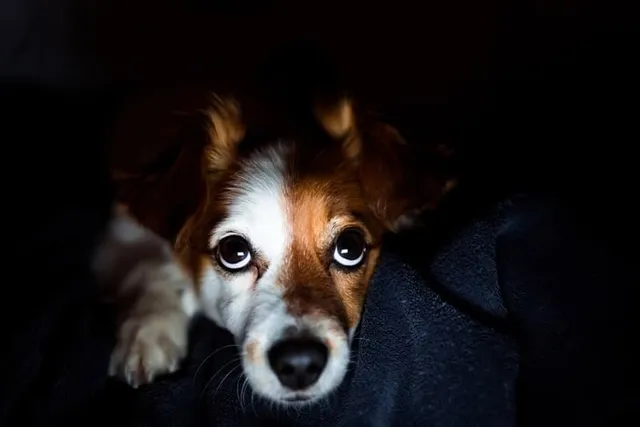
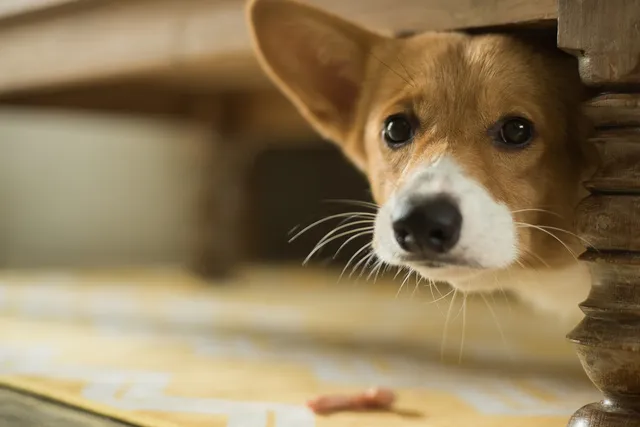
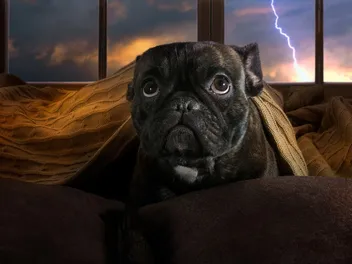
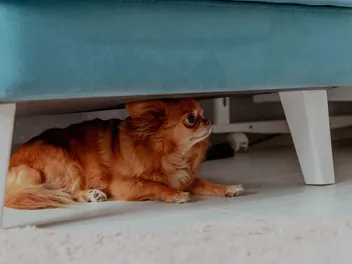
Whining or whimpering in dark conditions is one of the most common signs that your dog is afraid of the dark. This could be a plea for attention or an expression of discomfort. Shaking or trembling can also indicate fear. If your dog is physically shaking, it could be a sign they're scared. Other signs include cowering or trying to hide, which shows your dog is trying to disappear to avoid the perceived threat.
Chewing and scratching, particularly at doors or windows, could be an attempt to escape from the dark environment. It is important to observe your dog's behavior closely to understand if these actions are specifically linked to darkness or if they could be indicators of a different issue.
Causes of Fear
The fear of darkness in dogs is often associated with negative experiences that have happened in the dark, not a fear of the dark itself. Just like humans, dogs can develop phobias linked to specific triggers. For instance, if a traumatic event occurred in the dark or if being in the dark has been associated with negative experiences like being alone or a punishment, your dog might develop a persistent fear of darkness.
It's also worth noting that dogs have excellent memories when it comes to association, so even a single scary incident in the dark could lead to a lasting fear.
Also, remember that dogs can sense the emotional state of their humans, so if you are afraid of the dark, it could be your fears that are making your dog anxious.
Separation Anxiety and Darkness
In some cases, a dog's fear of the dark could be a manifestation of separation anxiety. Separation anxiety is a condition where dogs experience extreme stress when left alone. If your dog exhibits signs of distress mainly when left alone in the dark, this could suggest that their fear of the dark is tied to their fear of being alone.
In such cases, the darkness simply exacerbates their existing anxiety, making it seem as though they are specifically afraid of the dark. This can be more common in dogs that have been adopted from shelters or those with a history of abandonment.
If you suspect your dog's fear of the dark is linked to separation anxiety, it would be beneficial to consult with a professional to get appropriate advice on how to manage and alleviate their anxiety.

Helping Your Dog Overcome Fear of the Dark
If you suspect that your dog shows signs of fear related to darkness, it's important to take steps to help them overcome this fear. Here are some strategies that can help.
1. Understand the Fear
The first step in addressing your dog's fear of the dark is understanding it. Fear can be a natural response to certain situations, especially if they've had negative experiences associated with the dark. It's also worth noting that separation anxiety may be a factor, as dogs can become stressed when left alone in the dark.

2. Consult a Vet
If you're unsure about your dog's fear of the dark, consider consulting a vet. They can help determine if the fear is due to an underlying health issue, like vision problems or cognitive dysfunction, which can often affect older dogs.
3. Behavioral Training
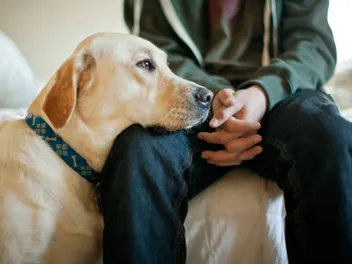
Behavioral training can be an effective strategy to manage a dog's fear of the dark. This involves gradually exposing your dog to darkness while creating positive associations through rewards. Patience and affection are key during this process. If night walks are a source of stress, take it slow and ensure your dog feels safe and comfortable.
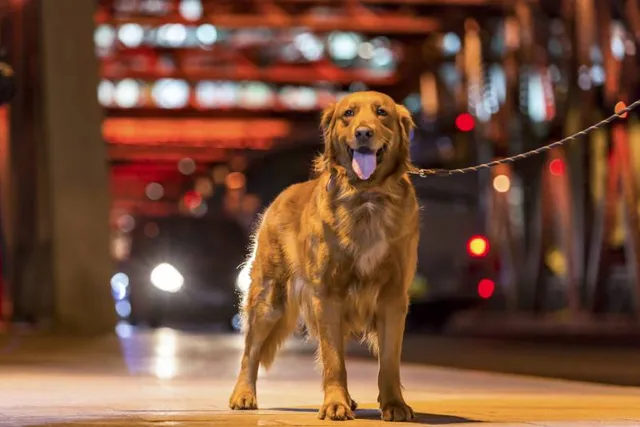
Also, keep in mind that it might not be the darkness of the night walks that causes the anxiety, but your dog might be perceiving something that you can not see. Maybe they can smell a wild animal nearby and this is the source of their anxiety.

4. Create a Safe Environment
Making your home more dog-friendly during the night can help alleviate your pet's fear. This can include leaving lights on, using a dog night light, or ensuring your dog isn't left alone in the dark if they exhibit signs of separation anxiety.
5. Positive Reinforcement
Positive reinforcement can play a crucial role in helping your dog overcome their fear of the dark. Pair exposure to darkness with something positive, like a tasty treat. This helps your dog associate darkness with something positive instead of something negative.


Supplies to Make Your Dog Feel Safer in the Dark
- Dog Night Light: A night light designed for dogs can provide a comforting glow that alleviates fear and anxiety. These lights are often dim enough not to disturb your dog's sleep but bright enough to make the surroundings visible.
- Comforting Dog Bed: Invest in a dog bed that's comfortable and secure. Some dogs feel safer in enclosed beds that provide a sense of protection.
- Calming Toys: Toys that promote relaxation can be beneficial. Consider durable chew toys, puzzle toys filled with treats, or even toys with a heartbeat sound that can provide comfort to anxious dogs.
- Dog Anxiety Wrap: Anxiety wraps apply gentle, constant pressure on a dog's torso. It's like a soothing hug and can calm most dogs in stressful situations like nighttime fear.
- Pheromone Diffusers: These diffusers release a synthetic version of the pheromones mother dogs emit to calm their puppies. They can be plugged into a power outlet in the room where your dog sleeps to help them feel safer.
- Soothing Music: Some dogs respond well to calming music or white noise machines. There are even specially curated playlists for dogs available on various music streaming platforms.
- Security Blanket: If your dog has a favorite blanket or item of clothing that smells like you, consider leaving it in their bed for comfort.
Remember, each dog is unique, so it might take some trial and error to find the right combination of supplies that work best for your furry friend.

Conclusion
Just like some people, some dogs can be afraid of the dark. While darkness may not be a threat to our dogs in the way it would be to us, it's essential to remember that it can still cause them some anxiety through association with different experiences. Taking steps to ensure our pets feel safe, even in the dark, can significantly improve their comfort and overall well-being.
Related Read: Can Dogs See in the Dark? Vet-Reviewed Facts & FAQ
Sources
Featured Image Credit: Santos-Roman, Shutterstock
Expert dog care, straight to your inbox
News, insights, expert advice, and everything dog.

No spam — unsubscribe anytime.
By signing up, you agree to our Terms & Conditions and Privacy & Cookies Policy.
How useful was this post?
Click a star to rate. You can leave written feedback afterwards. (We read all feedback.)
Nicole has loved animals of all sizes her whole life so it's no wonder she has dedicated her career to helping them through what she loves best: learning, writing, and sharing knowledge with others. She’s the proud mom of two dogs, a cat, and a human. With a degree in Education and 15+ years of writing experience, Nicole wants to help pet parents and pets around the planet to live happy, safe, and healthy lives.