Can Dogs Eat Peanut Butter? Is It Good for Them? Vet-Reviewed Health Facts

In this article
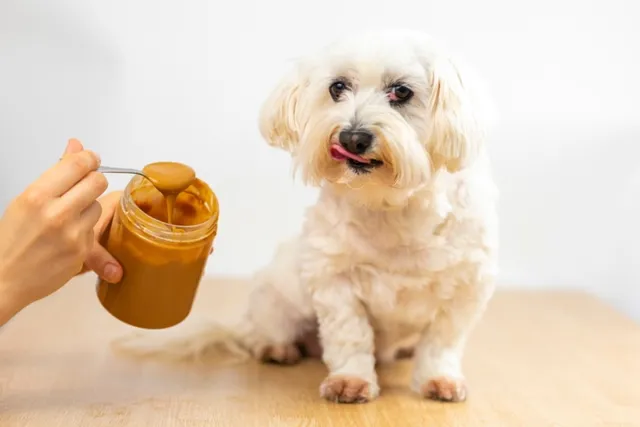
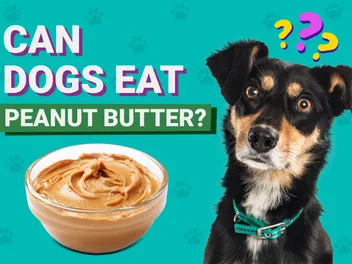
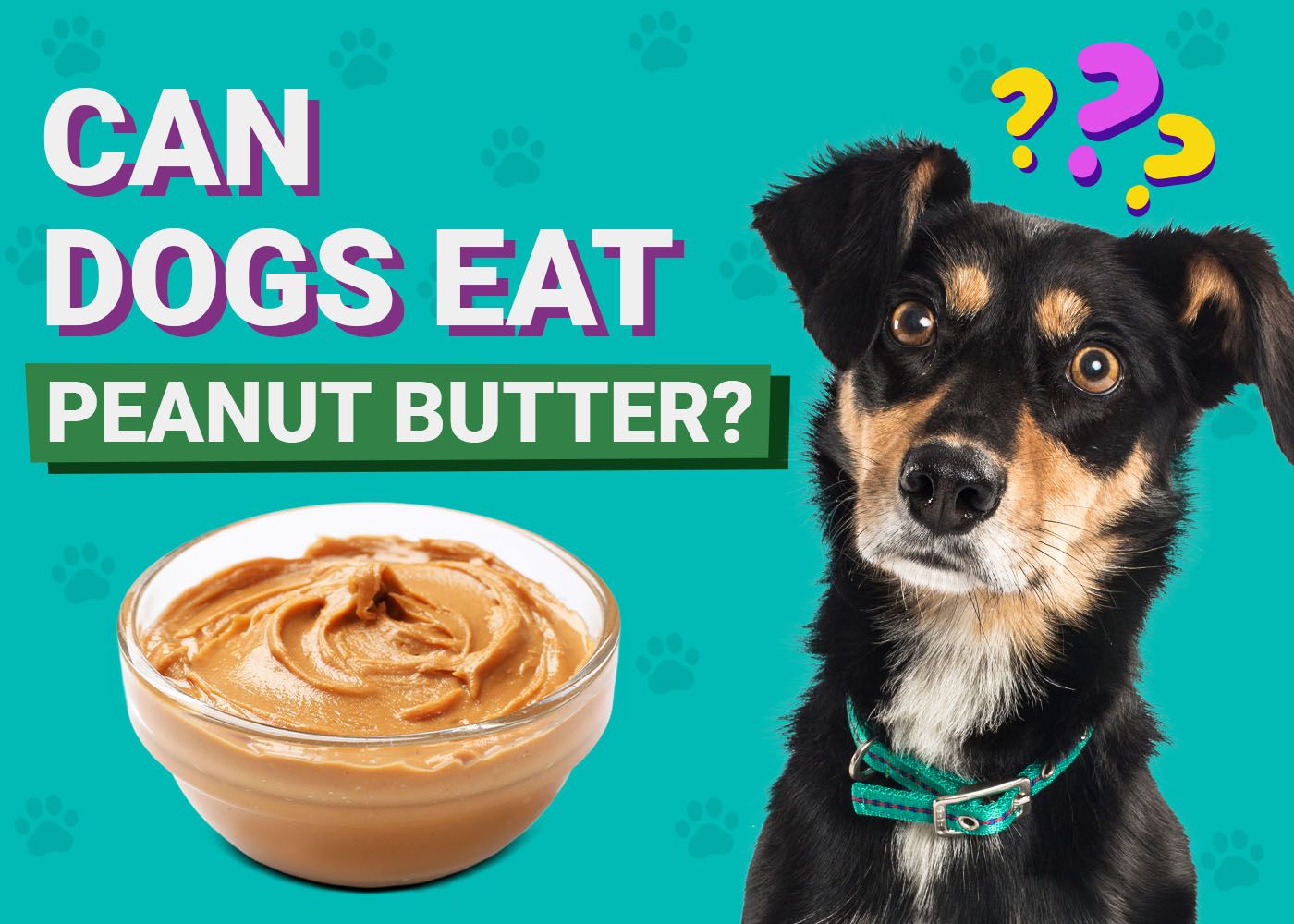
If you are a dog owner, you are probably aware of how often peanut butter is recommended for dogs to eat. Many dogs find the taste of peanut butter irresistible, so it has multiple uses aside from being a tasty treat. Since it has become so popular for them to eat, you probably can't help but wonder if peanut butter is good for dogs.
Surely something so highly recommended can't be bad for dogs, right? Well, peanut butter is generally safe for dogs to eat and could be good for them in moderation. However, that is only if the peanut butter contains no harmful ingredients and is specifically formulated for dogs.
Keep reading to discover whether peanut butter is good for dogs and other noteworthy facts about feeding it.

The 4 Reasons the Peanut Butter Is Good for Dogs to Eat
Peanut butter is more than just mashed peanuts in a jar—it’s a blend of healthy fats, proteins, and vitamins. These nutrients have dietary benefits that naturally make them good for dogs to eat.
Not all types of peanut butter are created equally, and some peanut butter is bad for dogs due to some harmful ingredients. If you are wondering what kind of peanut butter dogs can eat safely. It is best to only feed dog-specific peanut butter and avoid the ones formulated for human consumption.
So, what makes peanut butter good for dogs?

1. High in Plant-Based Proteins
For starters, peanut butter is a rich source of plant-based protein and essential amino acids. Dogs benefit from both animal-based and plant-based proteins in their diet. Peanut butter is particularly rich in the essential amino acids phenylalanine and lysine, amongst others. Phenylalanine is needed for the production of thyroid hormones, and leucine is required for muscle protein synthesis.
2. Healthy Fats
Peanut butter is full of healthy polyunsaturated and monounsaturated fats. It contains polyunsaturated fats such as linoleic acid, an omega-6 fatty acid. Linoleic acid is not only essential for dogs since they cannot make it on their own, but it also benefits their skin and coat health.
Although the fat in peanut butter is healthy, it still should be fed sparingly as it's packed with calories. It's important to offer peanut butter to your dog in moderation, as the calories in treats should not make up more than 10% of your dog's total calories per day.

3. Source of B Vitamins
Peanut butter is an excellent source of niacin or vitamin B3. Niacin is an important vitamin for dogs and has a role in enzyme and skin barrier function.
4. Multiple Uses
The nutrients in peanut butter are not its only benefits for dogs. Peanut butter has multiple uses for dogs aside from being a tasty snack. Some dog owners use peanut butter to get their dogs to take certain medications. Most dogs won't resist eating medication if it is covered with peanut butter. Also, peanut butter can be used to encourage dogs to chew their toys or to keep them distracted while being groomed.

Dangers of Feeding Peanut Butter to Dogs
Despite dog-specific peanut butter being safe for dogs to eat, it's important to know the dangers of certain regular peanut butter. Before you rush to give your dog peanut butter, be sure to check the ingredients on the label. Some seemingly innocent ingredients can be deadly for our dogs.

Xylitol
Although many brands of peanut butter do not contain xylitol, there are several that do. Xylitol is typically used as a sugar substitute for humans, and it is extremely toxic for dogs. Even the smallest amounts of xylitol in peanut butter can put your dog's health at risk.
Signs your dog has ingested xylitol may include:
Too Salty
Most peanut butter for humans has added salt, which is not good for your dog in excessive amounts. Dogs should be offered unsalted peanut butter, ideally. Most dogs don’t prefer the taste of salty foods, so feeding them unsalted peanut butter won’t be less of a treat.

Feeding Peanut Butter to Dogs Safely
If you feel inclined to feed peanut butter to your dog, ensure that it is specifically formulated for dogs to eat, or that you check the ingredients thoroughly to ensure it doesn’t contain xylitol or extra salt or sugar. Opting for peanut butter sold specifically for dogs can take away the risk of buying the wrong type.
Dog-specific peanut butter, such as the popular Bark Bistro Buddy Butter, is free from harmful ingredients that put your dog’s health at risk. They contain no xylitol or added salt, sugar, or oils. Plus, it has been formulated to fit the dietary requirements of dogs rather than humans.
You should not feed peanut butter to your dog too often and ideally no more than a tablespoon for medium to large dog breeds. Smaller dog breeds should not eat more than a teaspoon of peanut butter at a time.
If your dog has eaten the wrong kind or too much peanut butter, we recommend contacting a vet.

Conclusion
Peanut butter is generally good for dogs when fed sparingly and in moderation. Aside from being safe if it is xylitol-free and unsalted, peanut butter has dietary benefits for dogs. Peanut butter is rich in healthy fats and essential plant-based proteins.
As with most treats, peanut butter should only be offered in addition to your dog's complete, balanced diet as it is a treat food.
See also:
Sources
Featured Image Credit: Towfiqu barbhuiya, Unsplash
Expert dog care, straight to your inbox
Vet-reviewed advice, training tips, and the best of Dogster. Free, and you can unsubscribe anytime.
By signing up, you agree to our Terms & Conditions and Privacy & Cookies Policy.
Sarah lives in South Africa with her partner and pets. She is currently interested in veterinary science and ichthyology, which she wants to study alongside her main passion: pet content writing. Sarah has over 60 fish including: goldfish, tropicals, shrimp, and snails. She also keeps hamsters and a tarantula. Sarah wishes to provide quality content to readers and allow others to learn from her experience and knowledge. Sarah has much experience in all aspects of pet care. Providing the world with the knowledge on ethical pet ownership is her lifelong dream.
Join the conversation
Ask a question, share your story, or send private feedback.