16 Worst Dog Breeds for a First-Time Dog Owner (With Info & Pictures)

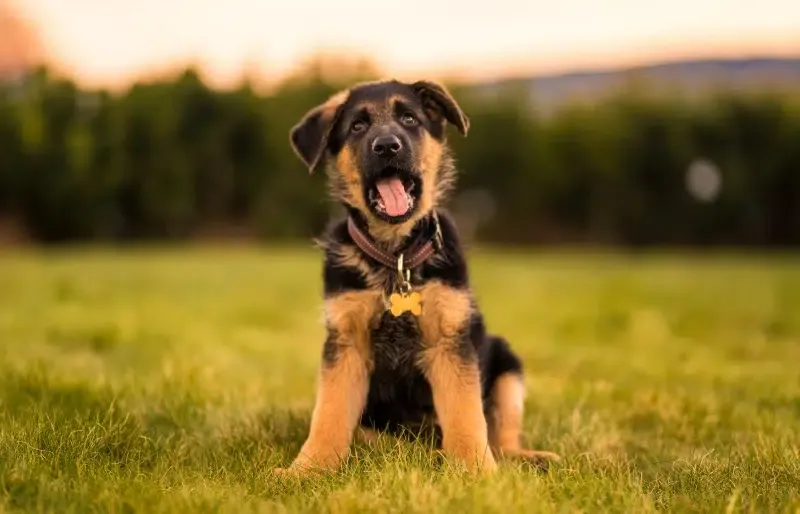
If you're a first-time dog owner, selecting the ideal breed for your home can be challenging. Since the AKC recognizes over 200 breeds, which don't include hybrids, researching your next pet can be incredibly time-consuming. However, several experts suggest that new dog owners avoid particular breeds.
Some dogs require more exercise and training, while others have significant grooming requirements. The average pet parent may not have the time to train, groom, and exercise their dog. So, if you want an easygoing dog, keep reading this guide until the end to avoid certain breeds.

Important Note for First-Time Dog Owners
Beginner pet owners should never adopt a dog without thoroughly researching them. This includes their physical and mental traits, eating requirements, and grooming needs. You must also consider your dog’s mental stimulation level and the training they need to stay fit.
The 16 Worst Dog Breeds for a First-Time Dog Owner
Remember, every dog is different within a breed, meaning you can’t categorize an individual as the worst or best breed. However, some prove to be more challenging than others. Here are the 16 worst dog breeds for first-time owners:
1. Border Collie

| Energy Level | Extremely high |
| Height | 18 to 22 inches |
| Weight | 27 to 45 pounds |
| Coat (Grooming Requirements) | Varies: can be short and smooth or long and rough; requires occasional grooming |
Border Collies are powerful dogs that are always ready for work. These farm dogs are incredibly energetic, which is why you’ll always find them running, playing, and looking for something to stay occupied. Border Collies are considered the most intelligent dogs since they need less than five repetitions to understand a new command.
However, they are independent dogs. So, you must prepare to keep your newly adopted pet entertained to prevent them from engaging in harmful activities. For instance, they may start barking, digging, and nipping out of nowhere.
Unfortunately, many dog owners have reported their Border Collies breaking house training, chewing furniture, and scratching walls. If you want to adopt a Border Collie, make sure to provide 1½ to 2 hours of exercise a day. Also, check with the breeder whether your Border Collie is a farm, show line, or sport dog before adopting one. They all have different needs!
2. Siberian Husky

| Energy Level | High |
| Height | 35 to 60 pounds |
| Weight | 20 to 24 inches |
| Coat (Grooming Requirements) | Thick and long; requires occasional grooming but regular brushing |
The Siberian Husky is a happy, independent dog that loves cold environments. They are energetic, so you must keep them occupied with plenty of exercise to maintain their happy mood. After all, they were bred to pull sleds.
Siberian Huskies also need plenty of space to run freely and cannot live in an apartment. They are quite vocal and may keep you and your neighbors on your toes. Their double coat needs extensive grooming to stay clean and tangle-free.
Considering intelligence, Huskies are reasonably intelligent and require up to 40 repetitions to understand a command. Their high-prey drive can be problematic if you have small animals in the house, like cats, birds, and rodents. Due to their strength and size, they require thorough training and socialization to behave.
3. Dalmatian

| Energy Level | Extremely high |
| Height | 45 to 70 pounds |
| Weight | 19 to 24 inches |
| Coat (Grooming Requirements) | Short; requires minimal grooming |
Who isn’t familiar with Dalmatians? Dalmatians are working dogs packed with loads of energy. They were bred to run, making them one of the fastest breeds. In fact, they used to run alongside horses and fire engines.
Their energy levels make them quite a challenge for dog owners. Dalmatians can become destructive and bark endlessly when not given the desired stimulation. Despite having a short coat, Dalmatians still shed heavily, so you might have to use a vacuum cleaner often.
Dalmatians are reasonably smart dogs, needing 15 to 25 repetitions to understand their owner’s command. They're better for experienced owners due to their exercise and training requirements.
4. Chow Chow

| Energy Level | Low |
| Height | 45 to 70 pounds |
| Weight | 17 to 20 inches |
| Coat (Grooming Requirements) | Very long and thick; requires regular grooming sessions |
Despite looking like teddy bears, Chow Chows don't act like them. Their adorable face and purple tongue stand out among other breeds. A Chow Chow is not the smartest of all the breeds and may require 80 to 100 repetitions to learn a command. That’s mainly because they can be stubborn during training.
Chow Chows are not a fan of strangers. They may show aggression toward other animals, including dogs. They don't need more than an hour of exercise daily but require more training than most breeds.
The major downside of owning a Chow Chow is that it can be dangerous and irritating in new hands. Although they are aloof four-legged dogs, they’re not too cuddly with new owners. They also have regular grooming needs, so you’d have to take care of this.
5. Cane Corso

| Energy Level | Medium |
| Height | More than 100 pounds |
| Weight | 24 to 28 inches |
| Coat (Grooming Requirements) | Short; requires occasional grooming |
The Cane Corso is a large, strong dog that likes to be in charge of everything. They were bred to be protective dogs and can be pretty intimidating. They are highly suspicious of new people, so you may struggle to get along with them as a first-time owner.
Cane Corsi (plural for Cane Corso) can also become aggressive toward strangers, but guarding their owners is instinctual. They mainly attack intruders to show loyalty to their owners. Cane Corsi don’t require as much exercise as some large pups, but they love playing games with their owners like fetch.
As a Cane Corso’s parent, you must start training and socializing your dog as early as possible. Otherwise, they won’t recognize you as the “alpha” or owner, making it hard for you to manage them. It's crucial to keep them occupied to prevent them from being destructive.
6. Akita

| Energy Level | Medium |
| Height | 70 to 130 pounds |
| Weight | 24 to 28 inches |
| Coat (Grooming Requirements) | Long and thick; requires regular brushing and occasional grooming |
The Akita is a famous Japanese dog with impeccable guarding characteristics. Besides their attractive features, Akitas became popular with the Tale of Hachi. There is no clear information about their origin, but it is believed that Akitas were bred for fighting, bear hunting, and protection purposes.
Akitas are highly suspicious of strangers and might show aggression toward new people and other dogs. Of course, you can train your Akita for socialization to make them your long-life companion. They require regular exercises to stay fit, taking up to 40 repetitions to learn their owner’s commands.
Unfortunately, they don’t get along with strangers, but they're not very vocal. Instead, these dogs only bark during danger or when trying to make a point in front of their owners. Akitas can also get quite moody and may show irritation for some time.
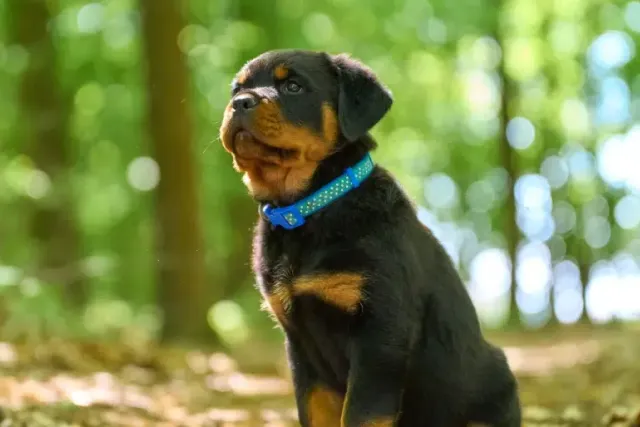
7. Rottweiler

| Energy Level | Medium |
| Height | 100 pounds |
| Weight | 24 to 27 inches |
| Coat (Grooming Requirements) | Short; requires grooming because of heavy shedding |
Rottweilers are large, intimidating dogs, but they're affectionate with their owners. They can be stubborn during training and require a lot of exercise, but once trained and socialized, they make excellent pets.
The general behavior of Rottweilers fluctuates significantly. You may find them being playful with you, but they become aggressive toward strangers and other dogs the next moment. So, owning a Rottweiler isn’t a smart choice for first-time owners. Their size also makes them challenging for newbie dog owners.
Rottweilers have medium energy levels. Although they were bred as working dogs, they slow down more than other breeds over time. They require intensive training and socialization to become well-behaved adults.
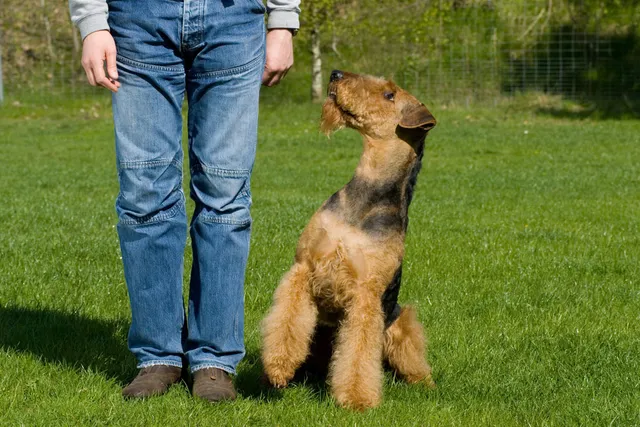
8. Airedale Terrier

| Energy Level | High |
| Height | 50 to 70 pounds |
| Weight | 22 to 24 inches |
| Coat (Grooming Requirements) | Wiry; requires regular grooming |
Airedale Terriers are strong-willed and stubborn dogs with a friendly nature. They are fun to be around, but they also experience separation anxiety if left alone for long periods. If they get stressed, they can engage in destructive behavior, such as such as digging holes in the mud, chasing other pets, and tearing up furniture.
Airedale Terriers are the largest Terriers and aren't the best pets for families with small children They are independent thinkers, which helps them with hunting but makes them challenging to train. As a first-time dog owner, this can be a problem for you. They can also become aggressive when meeting strangers and need thorough training.
To keep your Airedale Terrier occupied, you must provide exercise regularly and mental stimulation. They are very clever and pick up things quickly. Although their wiry coat doesn’t shed much, it still needs regular maintenance.
9. Alaskan Malamute

| Energy Level | High |
| Height | 75 to 85 pounds |
| Weight | 29 to 35 inches |
| Coat (Grooming Requirements) | Thick double coat; requires regular grooming |
Known as the oldest working dogs, Alaskan Malamutes are strong canines with impressive endurance levels. They can carry heavy loads for longer distances but are not very fast. Because of their love and affection for family members, Alaskan Malamutes are a great companion for experienced owners.
However, they are not an ideal choice for first-time owners. Alaskan Malamutes are packed with energy, so they require regular training and exercising to stay focused and happy. When bored, they can become destructive and need at least 1½ hours of daily exercise.
Another factor is their heavy, thick double coat. While it makes the dog susceptible to heat injuries, it also sheds heavily. You’ll have to brush the coat frequently and regularly groom it to maintain it. That’s a lot for first-time owners!
10. Shar-Pei

| Energy Level | Low |
| Height | 45 to 60 pounds |
| Weight | 17 to 20 inches |
| Coat (Grooming Requirements) | Three types of coats: horse, brush, and bear coat; require minimal grooming |
The Chinese Shar-Pei has a broad muzzle and lots of wrinkles on their face. Some people find them strange-looking, but others consider them adorable. The wrinkles or skin folds make them vulnerable to skin issues and rashes. So, as a pet owner, you must provide constant care and wipe down their folds regularly.
If you get a Shar-Pei, you must provide them with lots of physical and mental stimulation to keep the dog well-behaved. When bored, Shar-Pei can get destructive.
Shar-Peis are territorial and bond with only their owners. They require attention from one person and don't like being around strangers and other animals. Only an experienced owner knows how to care for a Shar-Pei’s needs.
Shar-Pei can be excellent companions, but they often get into dangerous situations as they do not give a warning growl. Of course, if you are a beginner, you won’t understand your dog’s behavior.
11. Weimaraner

| Energy Level | High |
| Height | 55 to 90 pounds |
| Weight | 23 to 27 inches |
| Coat (Grooming Requirements) | Short; requires minimal grooming |
Weimaraners are highly energetic dogs that require lots of exercise to stay happy. When bored, they are likely to suffer from separation anxiety, so you must always be there for them. They have a slick, short coat that requires minimal grooming.
Weimaraners are intelligent dogs that need to be managed by experienced owners. They’re also difficult to train at home since they have a high prey drive and like chasing other pets.
If you go out for a jog, a Weimaraner can accompany you, but you're unlikely to tire them out without providing more exercise. They love playing games in the yard and can compete in agility courses.
12. Australian Cattle Dog

| Energy Level | High |
| Height | 35 to 50 pounds |
| Weight | 17 to 20 inches |
| Coat (Grooming Requirements) | Double coat; requires occasional grooming |
You may know an Australian Cattle Dog as an Australian Heeler or Blue Heeler. They were bred for herding, which is why they are highly energetic. However, they are not ideal for first-time owners due to their stubborn nature. They are also quite intelligent, which helps them trick their owners.
Australian Cattle Dogs require lots of exercises to channel their energy. You will also be surprised by their adventurous nature, which often puts them in danger. They are wary of new dogs and strangers and may aggressively bark.
You must keep your Australian Cattle Dog occupied, or they could get into mischief.
13. German Shepherd

| Energy Level | High |
| Height | 65 to 90 pounds |
| Weight | 22 to 26 inches |
| Coat (Grooming Requirements) | Thick double coat; requires regular grooming |
German Shepherds are best known for their roles as guard dogs, but they are also used by the military and police for search and rescue operations and bomb detection. However, this prevents them from being the best pets for novice owners. They are very energetic and require intensive training and exercise to stay intelligent and happy. Regular exercise also keeps them safe from health issues, especially hip dysplasia.
With proper socialization and training, German Shepherds are ideal for owners with children and other pets. As a new parent, you must also train your German Shepherd with obedience exercises to keep their protective nature under control.
Unfortunately, German Shepherds are susceptible to multiple health problems related to their neurology. Before adopting one, check the dog’s medical history with the breeder.
14. Saint Bernard

| Energy Level | Medium |
| Height | 140 and 180 pounds |
| Weight | 28 to 30 inches |
| Coat (Grooming Requirements) | Can be long or short; requires regular grooming |
Many dog owners call Saint Bernard the “Gentle Giant” because of their large size and friendly nature. However, they are not suitable for first-time owners for two significant reasons.
First, they drool a lot! You’ll see large puddles of the dog’s saliva around your home. Second, Saint Bernards are susceptible to heat exhaustion and prefer staying indoors unless it’s cold outside. Even indoors, they can become destructive if they're bored. However, Saint Bernards are fun and loving dogs that like spending time with their family. Due to their size and vulnerability to obesity and other health issues, it’s not easy for first-time owners to manage and take care of them!
15. Bulldog

| Energy Level | Low |
| Height | 50 to 55 pounds |
| Weight | 12 to 16 inches |
| Coat (Grooming Requirements) | Short; requires regular grooming |
Bulldogs are ideal for experienced owners, even though they're friendly and goofy. Unlike other breeds on this list, it’s not the aggression or grooming needs that make a Bulldog one of the worst choices for beginners. Instead, it’s the health issues they're vulnerable to.
Bulldogs are brachycephalic, meaning they have short, squished faces with small noses. This makes it hard for them to breathe, perform exercises, and swim. Bulldogs are also sensitive to stress and heat.
As a first-time dog owner, you may also find your Bulldog being stubborn. This can put you under a lot of pressure, especially during training.
16. Bullmastiff

| Energy Level | Extremely high |
| Height | 110 to 130 pounds |
| Weight | 24 to 27 inches |
| Coat (Grooming Requirements) | Short and dense; requires occasional grooming |
Bullmastiffs are muscular, large dogs weighing up to 130 pounds. So, their owners must demonstrate that they are the Alpha to keep them well-behaved. Of course, that’s quite difficult for a novice to do.
Bullmastiffs are independent thinkers, and they do whatever they want. Early socialization and training are essential to reduce their aggression toward strangers and other dogs. You should never leave your Bullmastiff alone, or they can become destructive and suffer from separation anxiety.
Bullmastiffs are also energetic dogs that require advanced training to keep them happy and well-behaved. Their independent nature can be problematic for beginners during obedience training. They also have a powerful prey drive, which isn't ideal for first-time owners.
Conclusion
Adopting a dog is an exciting experience, especially for the first time. However, it comes with a lot of responsibility. No matter which breed you choose, you must take care of their diet, bathing, mental and physical stimulation, and grooming needs.
As a novice dog owner, you should choose a breed that requires minimal training and socialization. A dog with minimal grooming requirements is also ideal for beginners. Just ensure you check your pet's medical history when adopting them from a breeder!
Featured Image Credit: Alexander Naglestad, Unsplash
Expert dog care, straight to your inbox
News, insights, expert advice, and everything dog.

No spam — unsubscribe anytime.
By signing up, you agree to our Terms & Conditions and Privacy & Cookies Policy.
How useful was this post?
Click a star to rate. You can leave written feedback afterwards. (We read all feedback.)
Jeff is a data privacy tech professional who spends his evenings writing and practicing photography. He's been a software team lead at various Fortune 100 startups for 20 years and loves to relax after work with his pets.