Will a Shiba Inu Be Good With Another Dog? Vet-Reviewed Breed Temperament & Introduction Tips


In this article
View 7 More +A Shiba Inu is one of the most adorable dog breeds that may convince you to take them home. However, Shiba Inus are known to be strong-willed and independent, so some of them may find it hard to get along with other dogs.
However, that does not mean a Shiba Inu is not able to get along or cohabitate with other pets. Thankfully, training and early socialization may help them live peacefully with other members in your house.
If you are about to become a first-time dog owner, this guide discusses everything you need to know about a Shiba Inu. So, let’s dive in.

A Brief Introduction to the Shiba Inu
Shiba Inus originally came from Japan and were initially used for hunting. They are small to medium-sized dogs with an independent, alert, and intelligent temperament. While they are strong-willed and can be assertive, proper training and early socialization help prevent conflicts with people or other pets.
Also often referred to as Shiba Ken, the modern Shiba Inu was first developed in the 19th century. But the pup's existence dates back to the Jomon Era in the history of Japan.
Interestingly, this creature was almost extinct during the Second World War. The diminishing food supplies were one of the reasons behind this disaster. However, with the help of some amazing preservation efforts, the dog breed successfully bounced back.

Is a Shiba Inu Dog Breed Aggressive?
Shiba Inus are small and intelligent dogs. They are agile, playful, and energetic, which keeps both their minds and bodies active when properly exercised and mentally stimulated. Shiba Inus have a strong prey drive and can be very clever, which sometimes makes them appear mischievous or stubborn.
While Shiba Inus can be trained and house-trained with patience and consistency, they are known for their independence, so training requires persistence and positive reinforcement. Proper early socialization is essential, especially if you plan to have other pets, because Shiba Inus can be assertive or dominant with unfamiliar dogs.
Finally, with consistent training, adequate exercise, mental stimulation, enrichment, and careful socialization, Shiba Inus can live harmoniously with families and other pets while retaining their strong-willed, intelligent personality.
Is a Shiba Inu Bad With Other Dogs?
Shiba Inus can be assertive or dominant with other dogs, particularly if they have not been properly socialized during the puppy stage or gradually and appropriately introduced. They have a strong prey drive and may chase smaller pets, so supervision is important in multi-pet households. With early socialization and careful training, they can coexist peacefully with other animals.
When letting your Shiba Inu outdoors with other dogs, exercise caution. Always use a secure leash or a properly enclosed area, as Shiba Inus are known for their curiosity and ability to escape. By combining safe management with early socialization, most Shiba Inus can learn to behave appropriately around other dogs.

What Does a Shiba Inu Do When Aggressive With Other Dogs?
A Shiba Inu is one of the most stubborn and determined dogs on the planet. When frustrated or excited, they may vocalize with high-pitched yodels or other expressive sounds to communicate, which may scare other dogs and cats around them.
These dogs are not born aggressive, but they have strong predatory instincts and high energy. As a result, they may play roughly with other animals and assert themselves in interactions, especially with unfamiliar dogs or smaller pets. Early socialization and careful supervision are essential to help Shiba Inus coexist peacefully with other pets.
With proper training, gradual introductions, and consistent boundaries, Shiba Inus can learn to interact respectfully with other dogs and animals, while still retaining their independent personality.
What Dogs Does a Shiba Inu Get Along With?
After reading the above facts, you might think twice before bringing a Shiba Inu home. However, it’s not as simple as that, as many factors influence a dog’s personality and how they get along with other pets. While Shiba Inus can seem assertive or independent, they are not inherently aggressive. With proper socialization and careful introductions, they can coexist peacefully with many other dogs.
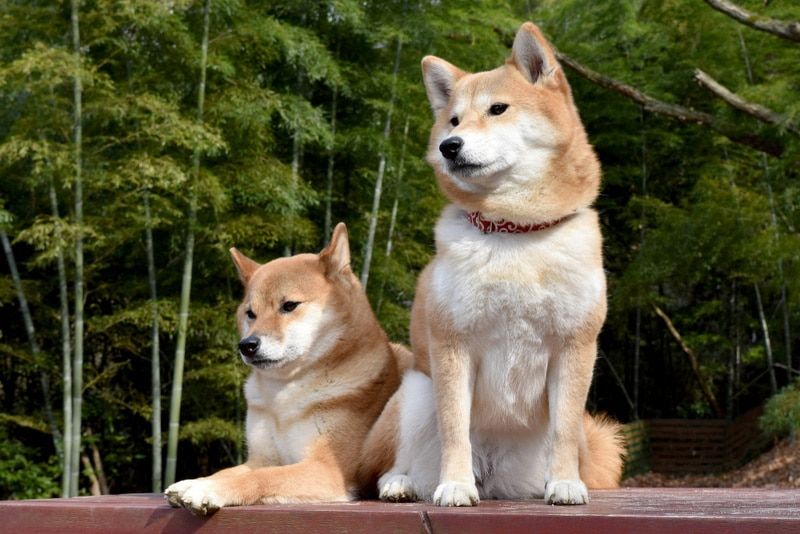
If you already have a Shiba Inu at home, adding another one can often be successful, particularly if both dogs are properly introduced and socialized. Shiba Inus frequently get along well with dogs of the same breed.
However, friendly, gentle, and energetic dogs such as Akitas, Golden Retrievers, and Corgis may become your Shiba Inu’s great companions with enough time, consistent training focusing on positive reinforcement, and supervision. During this period, ensure that you continue proper training for both pets and dedicate plenty of time and attention to help a Shiba Inu become a great dog to live with.


Training Your Shiba Inu
A Shiba Inu is a quick learner, but their independence means training requires patience and consistency. Before addressing potential assertive or dominant behaviors, it’s important to understand three key traits of this breed: they can be vocal, fast, and assertive. These characteristics may make cohabitation with other pets more challenging if not managed correctly. Therefore, you should practice the following to maintain a peaceful environment at home:
1. Interrupt and Redirect Unwanted Behavior
When your Shiba Inu begins to behave inappropriately around other pets, calmly interrupt the behavior using a clear, consistent cue. Rather than relying only on “no,” guide your dog toward a more appropriate action.
Consistency is important, and you should avoid shouting or using harsh corrections, as these can increase fear or anxiety. Instead, redirect your dog’s attention to a different activity, such as a command, toy, or positive interaction, and reward them when they respond appropriately. The focus of all training should be on positive reinforcement.
2. Involve Your Dog in Regular Exercise
A Shiba Inu may show inappropriate behaviors or aggression due to the dog’s excessive unused energy. You can release it through consistent walking, exercise, playtime, dog sports, and other activities that help burn the energy and make the dog feel tired and mentally stimulated.

3. Reward Your Shiba Inu for Good Behavior
Everyone loves appreciation, and so does your pet. When you praise or treat them for their good and desirable behavior, you reinforce it and help your Shiba Inu stay calm among other dogs. However, when treating your dog with goodies, ensure to opt for things that are less sweet and have fewer calories.
4. Practice All Commands Consistently
Keep it simple when training your dog using verbal commands. Use simple words like leave it and sit to help a Shiba Inu understand your requests. Make sure to avoid using an aggravated or angry tone with your dog to upset the pup or make them fearful. Repeat training daily several times, but keep the sessions short, 10-20 minutes at a time. Ask a vet and a certified behaviorist about the best approach to training these unique dogs.
Socializing With Your Shiba Inu
Early socialization is one of the best ways to help your pup get along with other dogs. It all starts with introducing your Shiba to dogs with a friendly nature. This exercise is imperative to teach your pup how to meet and make new friends and adapt to new environments.
Since this dog has an assertive and loud personality, you may find it challenging to make a Shiba Inu meet a new dog without being overwhelming. Begin in low-stress settings before gradually exposing your dog to busier environments. Consistent, positive experiences will help your dog become more comfortable interacting with others.
Practice this strategy regularly so your pet gets used to different environments and interactions with new dogs daily. Keep guiding your pup and consistently reward them when they display good behavior when meeting people and other pets.
If you feel that your pup is reluctant to socialize, don’t force them. In fact, listen to your dog and start fresh the next day. It is also wise not to act tense in such a situation. Shiba Inus are intelligent and might pick up the same emotions from you, creating unnecessary problems.

Introducing Your Shiba Inu to a New Dog
It takes time for your Shiba Inu to get friendly with other dogs from the same or different breeds. However, the first introduction matters as they leave a good or bad impression in your dog’s mind.
When introducing your Shiba Inu to a dog from the same breed, choose a neutral ground. Keep both dogs at a comfortable distance and reward calm, positive behavior from your resident dog.
If one of the dogs becomes reactive, calmly interrupt the behavior using a known command and redirect their attention to something positive. Avoid harsh corrections and instead reinforce calm responses. At home, keep the dogs in separate spaces initially and allow them to adjust gradually to each other’s presence.
Introductions with dogs of other breeds may require extra patience. While neutral ground can help reduce tension, always monitor interactions closely. Start by ensuring that their leashes are on, which you can gradually remove to allow some freedom.
Throughout the process, watch for signs of stress or inappropriate behavior and intervene calmly when needed. Avoid shouting or physical punishment. With time, consistency, and positive reinforcement, most dogs can learn to coexist peacefully and feel comfortable around each other.

Final Thoughts
Shiba Inus can be challenging to manage, especially in homes with other dogs. They are independent and can be assertive with other animals, despite their smaller size.
However, with early socialization, consistent training, and proper management, these behaviors can be improved over time. By setting clear boundaries and reinforcing positive interactions, Shiba Inus can learn to coexist more comfortably with other pets.
Featured Image Credit: MitchyPQ, Shutterstock
Expert dog care, straight to your inbox
News, insights, expert advice, and everything dog.

No spam — unsubscribe anytime.
By signing up, you agree to our Terms & Conditions and Privacy & Cookies Policy.
How useful was this post?
Click a star to rate. You can leave written feedback afterwards. (We read all feedback.)

Jeff is a data privacy tech professional who spends his evenings writing and practicing photography. He's been a software team lead at various Fortune 100 startups for 20 years and loves to relax after work with his pets.