What Were Yorkies Bred For? Facts, History & Breed Info

In this article
Consistently ranked among the most popular breeds registered by the American Kennel Club (AKC), Yorkshire Terriers or "Yorkies" are tiny dogs with feisty personalities. Known primarily as pampered lap or purse pets today, Yorkies boast a much more colorful and working-class history. Believe it or not, Yorkies were originally bred to hunt rats and other vermin, just like other terrier breeds.
In this article, we’ll teach you all about the history of the Yorkie, starting from their roots as rat killers in England. We’ll also talk a little about the Yorkie’s popularity in the world of designer dog breeding.

The Mid-1800s: The First Yorkies Emerge
The breed now known as the Yorkshire Terrier first emerged in Northern England in the counties along the Scottish border. These areas were known for their mines and textile mills during this era. Many native Scots crossed the border to work in these industries.
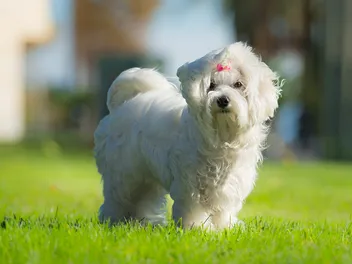
When they came to England, the Scot workers brought their dogs, mainly small terriers, along with them. It was from these terriers that the Yorkshire Terrier was first developed. While their exact parentage is unknown, it's believed that Yorkies are a blend of such breeds as the Skye Terrier, Maltese, and the now-extinct Scotch, Clydesdale, and Waterside terriers.
The first Yorkies were little but fierce, bred to chase and kill the rats that swarmed the textile mills and mines, squeezing into the tightest of hiding spaces.
Later, they were used for hunting game, like badgers and foxes, that disappeared underground when threatened. The small Yorkies could follow these animals right down into their burrows and chase them back out. Yorkies also participated in the blood sport of rat baiting, where bets were placed on how quickly they could kill all the rats in an enclosure.

The Late 1800s: Yorkies Go Mainstream
Yorkies were originally known as the "broken-haired Scotch terrier" and made their first dog show appearance in England in 1861 under that name. There was no particular breed standard for the Yorkie at the time and these early dogs were bigger than the modern-day version of the breed.
In the late 1860s, a Yorkie called Huddersfield Ben became a popular show and rat baiting dog. His services as a stud dog were in high demand and he was primarily responsible for the final development of the Yorkshire Terrier into the breed we know today, including the smaller size. The breed got its official name in the 1870s and was recognized by the British Kennel Club in 1886.
After their official recognition, Yorkies leaped rat hunters to lap sitters, as they became popular among the fashionable ladies of Victorian England.
Yorkies Cross the Pond: Late 1800s and Beyond
Yorkshire Terriers first arrived in America in the late 1870s and were recognized by the AKC in 1885. Much as they were in England, Yorkies were popular during the Victorian era but became less so by the 1940s. That changed after the Second World War, thanks to one celebrity pup.
In the Pacific region, a Yorkie called Smoky was found and adopted by a U.S. service member. The little dog accompanied her adopted troop on many missions and learned tricks to entertain them. She also performed at least one heroic act, dragging a telegraph wire through a long underground pipe during the building of an airfield.
After the war, Smoky and her owner became celebrities back in America, touring hospitals and making television appearances. Smoky's fame caused the popularity of Yorkshire Terriers to soar, and the breed has remained popular ever since.

The Yorkshire Terrier Today
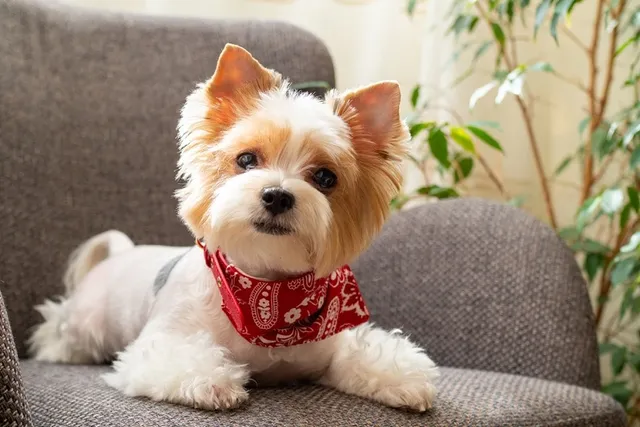
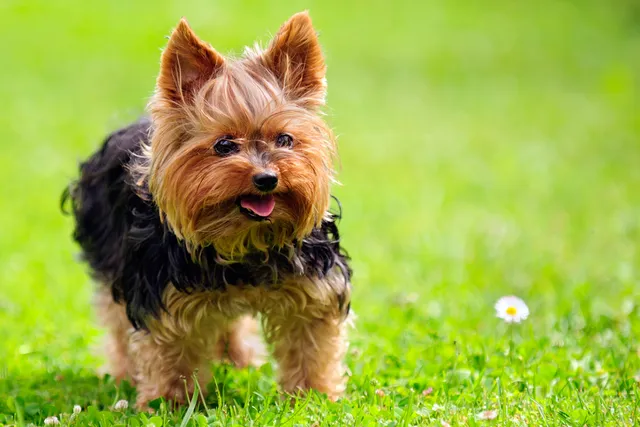
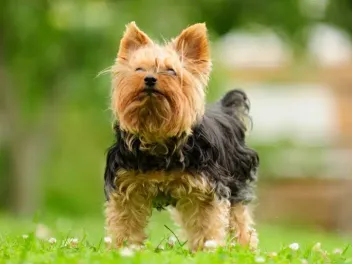
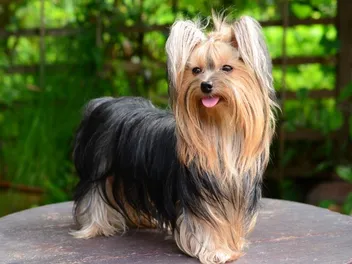
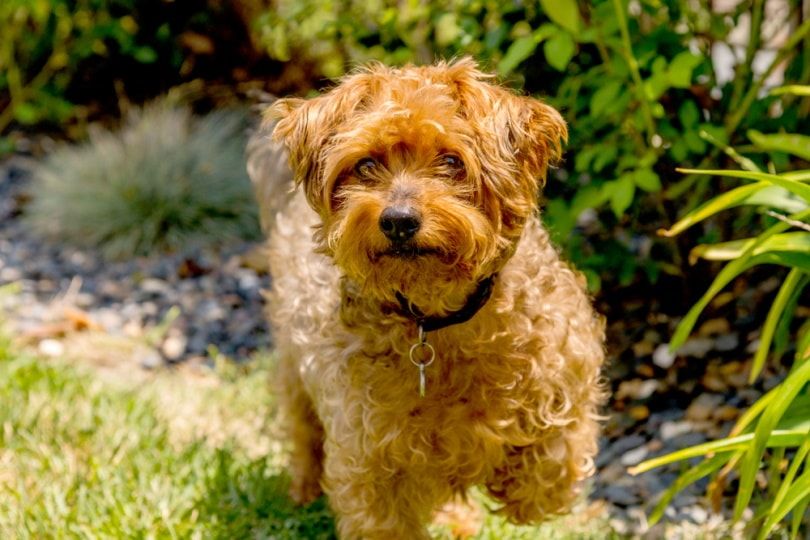
Modern Yorkshire Terriers are small, only 7-8 inches tall and weighing around 7 pounds. Despite their size, they remain feisty, brave, and bold animals, often with the prey drive of their rat-killing ancestors. Yorkies are well-known for their long, flowing coats, which more closely resemble human hair than any other dog's fur.
Yorkies today serve almost exclusively as companions and family pets, with their small size making them particularly well-suited for city living. Energetic enough to be playmates for older children, Yorkies also provide entertainment and love for senior adults. The breed doesn't always get along with other animals, however, and may try to hunt pocket pets.
Yorkies are considered hypoallergenic dogs, because of the unusual texture of their coat and lack of shedding. Currently, the breed ranks as the 13th most popular in America, according to the AKC.

Designer Yorkies
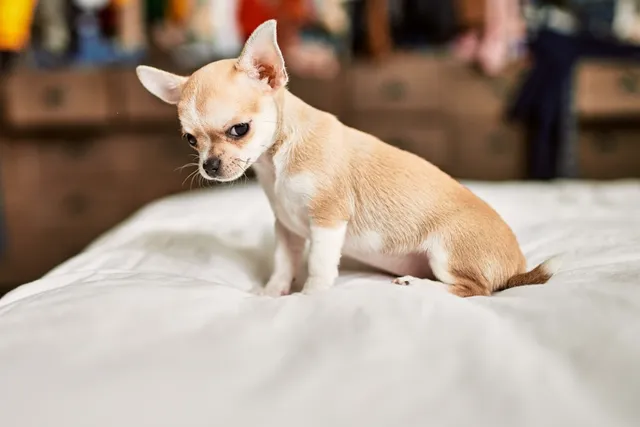
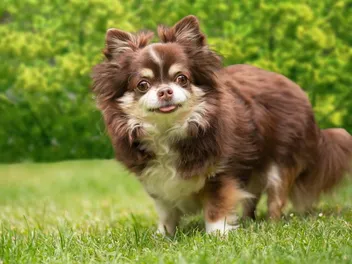
Because of their unique, hypoallergenic coats and winning personalities, Yorkies are a popular choice for creating designer dogs. Designer dogs are a deliberate cross between two purebreds, resulting in a mixed breed dog with a clever and adorable name. These designer Yorkies are not a new breed, even if designer dog breeders list them for sale with cute names like “Chorkie” (Chihuahua-Yorkie) or “Morkie” (Maltese-Yorkie).
Designer Yorkies, like all crossbreeds, may have traits that more strongly resemble one of their two parent breeds or more of a mix between them. The designer dogs aren't necessarily healthier either, despite the persistent myth of "hybrid vigor."
Yorkies are prone to inherited health conditions such as luxating patellas and tracheal collapse that can be easily passed to any offspring.
Conclusion
Who would have guessed that the tiny dogs with the flowing coats we know today as Yorkies were originally bred as rat killers? Like many dog breeds, the purpose and appearance of the Yorkshire Terrier have changed quite a bit over the decades since it was first developed. What hasn't changed, however, is the Yorkie's courage and larger-than-life personality. If you find this breed intriguing after reading about their history and are interested in getting one of your own, please do your research and find a responsible breeder, dedicated to producing healthy Yorkies.
See also:
Featured Image Credit: Steve Bruckmann, Shutterstock
Expert dog care, straight to your inbox
News, insights, expert advice, and everything dog.

No spam — unsubscribe anytime.
By signing up, you agree to our Terms & Conditions and Privacy & Cookies Policy.
How useful was this post?
Click a star to rate. You can leave written feedback afterwards. (We read all feedback.)
Elizabeth Gray is a lifelong lover of all animals great and small. She got her first cat at 5 years old and at 14, she started working for her local veterinarian. Elizabeth spent more than 20 years working as a veterinary nurse before stepping away to become a stay-at-home parent to her daughter. Now, she is excited to share her hard-earned knowledge (literally--she has scars) with the readers. Elizabeth lives in Iowa with her family, including her two furry kids, Linnard, a husky mix and Algernon, the worldʻs most patient cat. When not writing, she enjoys reading, watching all sports but especially soccer, and spending time outdoors with her family.