What Does a Bulldog’s Skull Look Like? Vet-Verified Effects of Unethical Breeding


In this article
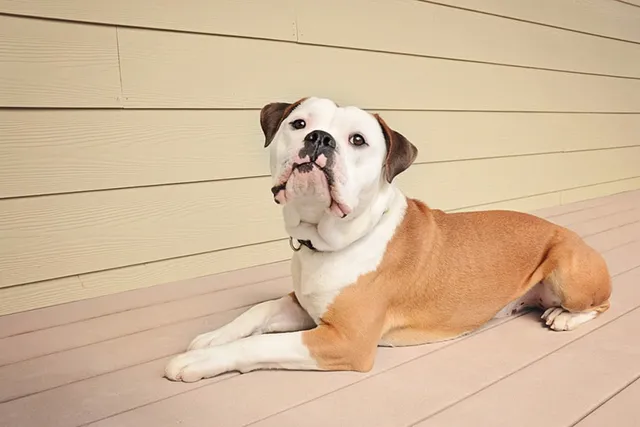
Bulldogs once had moderately short snouts, at least in comparison to many other breeds. However, since the “squished” face look was considered desirable, breeders continued to breed dogs with smaller and smaller snouts. Eventually, this led to the Bulldog that we know today.
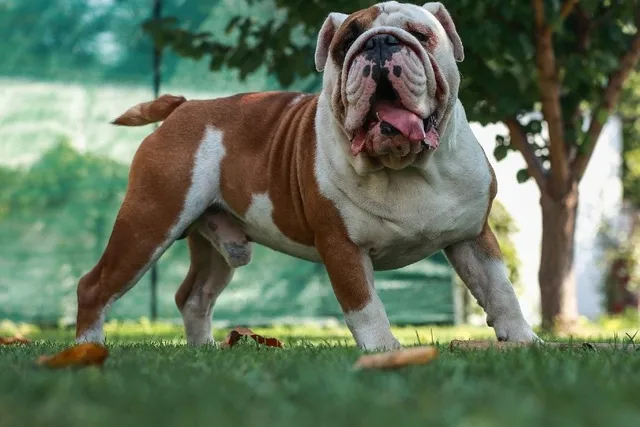
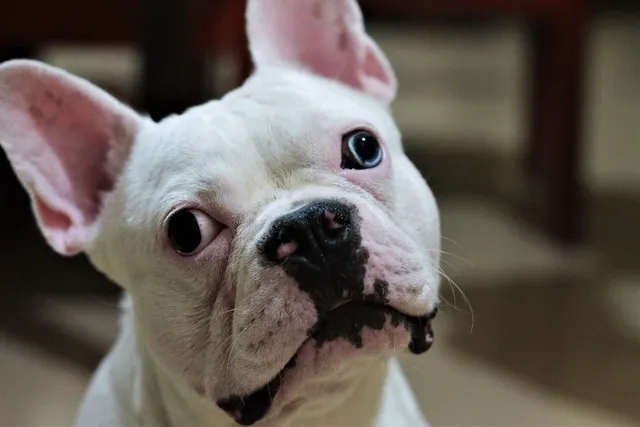
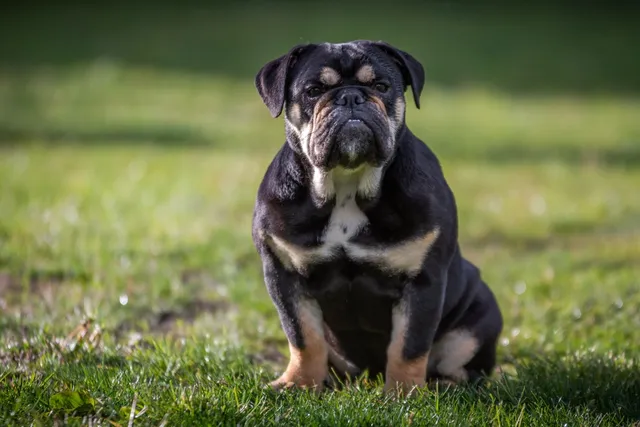
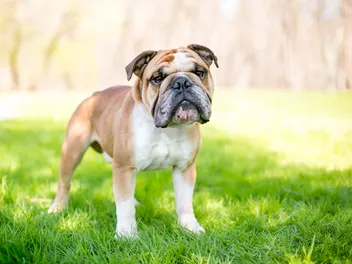
A Bulldog's skull is different from that of a non-brachycephalic breed, as their head is large and has a flat forehead and a short muzzle. The significantly short snouts of Bulldogs and other brachycephalic breeds have proven to be problematic. To make these dogs have such squished faces, inbreeding had to occur, so they are highly prone to health issues, and many cannot breathe properly. Therefore, some welfare groups have requested ending the breeding of brachycephalic dogs or at least working toward reversing the shortened snout.
It's an unfortunate situation because these dogs used to be healthier and have longer lifespans. However, due to poor breeding practices, they have become increasingly unhealthy.

Where the Bulldog Started
The Bulldog was once quite athletic. The dog was bred originally to face bulls, hence their name. Bull-baiting was a theatrical sport that involved setting dogs on a tethered bull. Due to their strength and temperament, Bulldogs were also used in dogfighting events. However, thankfully, this inhumane sport was banned by the Cruelty to Animals Act of 1835.
Therefore, the dogs shifted from a “working” breed to a companion breed. The breeding of these dogs also shifted from purpose-driven to primarily aesthetic. Unnecessary and negative characteristics like aggression were bred out, but over time, appearance became more critical.
Eventually, the athletic Bulldog was led down the path that got them to their unhealthy state today.

Where the Bulldog Is Now
The modern Bulldog can hardly stand even small amounts of exercise. They have been bred to have the extreme trait of a flat face, their legs have been shortened, and their head has grown larger. These traits also led to an underbite, which has grown more prominent over the years. These changes have made the dog look like a human child, which is what most people find cute.
While this helps breeders sell more puppies, it isn’t great for the Bulldogs. It has led to severe health difficulties, and in many cases, these dogs struggle to live their everyday, normal lives.
At one point, this may have been reversible. However, this breeding path has led to severe inbreeding, and the current breed has an extreme lack of genetic diversity. Therefore, there simply aren’t enough good genes left.
Litany of Health Concerns
These dogs have many health issues. However, one of the most shocking health problems is their inability to give birth naturally when left to their own devices. The mother’s body is typically too squat, and the puppies’ heads are too big to fit through the birth canal. Therefore, about 90% of all Bulldog puppies are born via Cesarean section.
Also, due to their shortened snouts, these dogs have severe breathing problems. They can easily choke while eating, and the “cute snore” that they often produce is the result of them struggling to breathe, even when resting. Their enlarged soft palate means that some dogs can hardly exercise and have permanently low blood O2 levels.

They cannot pant like other dogs, so they are heat intolerant. They can develop heat stroke quickly, even when it isn’t that warm. They also can’t swim because their shortened face enables water to enter their nostrils quickly. They can easily die from dry drowning, which involves water pooling in the lungs but not causing death until hours later.
This breed also has the highest rate of hip dysplasia. The Orthopedic Foundation for Animals reports that 71.8% of Bulldogs have this condition, which is more than any other breed.
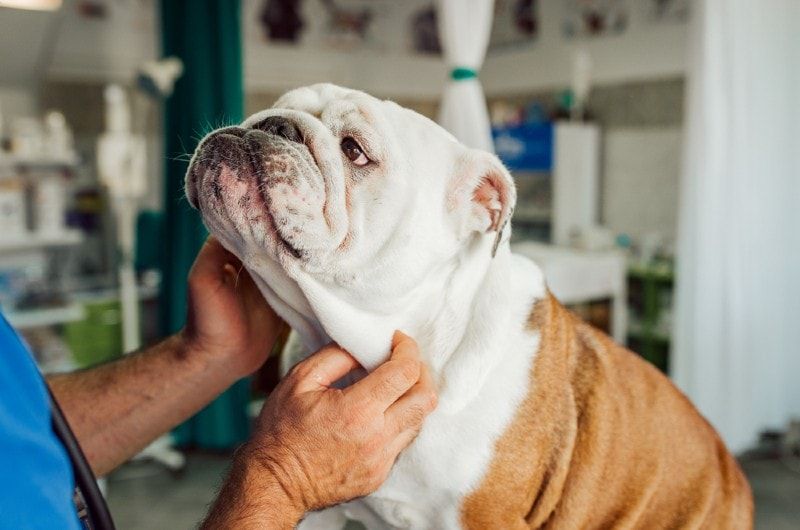
All these health problems lead to higher vet bills. Unfortunately, since these dogs already have trouble breathing, they don’t do well under anesthesia. Therefore, surgeries that would be straightforward for other breeds can be extremely risky for Bulldogs. Sometimes, the procedures simply can’t be done.
This has led to a decreased lifespan for the Bulldog compared to many other breeds. According to the Royal Veterinary Collage, the average Bulldog only lives for about 7 years. There is also an increased rate of birth defects, which has led to high puppy mortality.
Is There Hope?
In 2009, the British Kennel Club rewrote the breed standard to call for less extreme features, but the American Kennel Club (AKC) has not changed its standards. The breed’s club has also refused to follow any new standard, and the AKC likely won’t pressure it to make the change. So, while European Bulldogs may get healthier, those in America will likely continue to be bred the same. Vets have urged for a new standard to prevent dogs from unnecessarily suffering.
Breeding dogs is not bad in itself. Careful breeding can make canines healthier by filtering out potentially harmful health traits. For instance, breeders can choose dogs with better hip joints to lower the odds of hip dysplasia in a breed. However, breeding can also be detrimental, and the Bulldog is a clear example of that.
Instead of considering the breed's best interests, some breeders produce puppies that are simply more marketable, even if those desired traits have negative consequences for the dogs. When they are spurned along by an extreme breed standard, it is easy for things to get pushed too far.
The average person can do a few things to protect this breed and prevent poor breeding. First, do not purchase a puppy from a breeder who adheres to the American standard. Many breeders out there are trying to reverse the adverse health effects on these dogs, so purchase from them instead. Second, ask the breeder plenty of questions before you purchase a puppy to ensure that they have the dog's health in mind.
Conclusion
The Bulldog has become extremely unhealthy over the years due to poor breeding practices. Their skull is large with a flat forehead and a short muzzle, making their health issues obvious even at the skeletal level. At their current breeding rate, it won’t be long before these dogs are simply too unhealthy to survive. Their life expectancy has dropped to only 7 years, and puppies must often be born via C-section. They have the highest rate of hip dysplasia out of any breed and double the vet bills.
The average person is encouraged to avoid purchasing a Bulldog puppy from a breeder who produces them solely for the show ring or to make a quick buck. Instead, they should seek out breeders who are attempting to reverse these health problems.
Featured Image Credit: Branislav Nenin, Shutterstock
Expert dog care, straight to your inbox
News, insights, expert advice, and everything dog.

No spam — unsubscribe anytime.
By signing up, you agree to our Terms & Conditions and Privacy & Cookies Policy.
How useful was this post?
Click a star to rate. You can leave written feedback afterwards. (We read all feedback.)
Kristin loves to help pet parents create a fulfilling life for their pets by informing them on the latest scientific discoveries and helping them choose the best products for their pets. She currently resides in Tennessee with three cats, four dogs, two fish, and a lizard, though she has dreams of owning chickens one day!