Westphalian Dachsbracke Dog Breed: Info, Pictures, Care & More

In this article
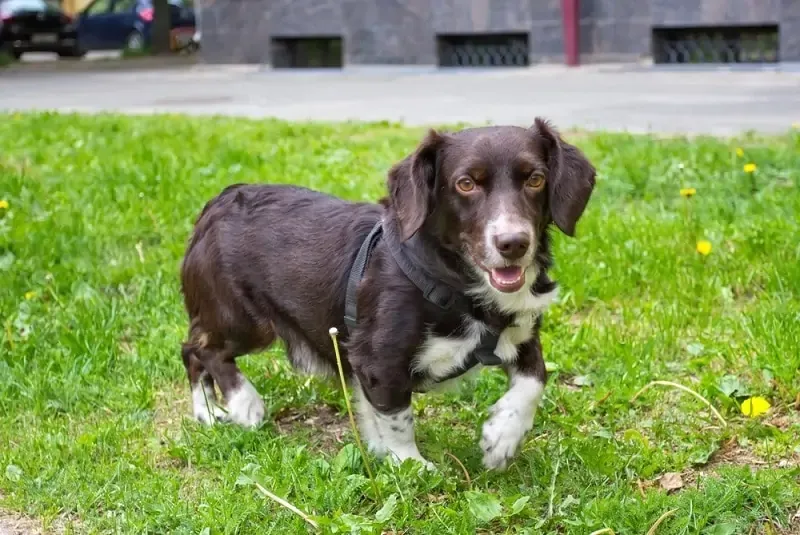
If you're looking for a calmer dog to bring into your home, the Westphalian Dachsbracke is an outstanding choice. Their laidback demeanor paired with their medium-sized build makes them an exceptional choice for many families.
Breed Overview
Height:
Weight:
Lifespan:
Colors:
Suitable for:
Temperament:
But while this might sound like the perfect dog for you, keep in mind that they're also notoriously stubborn, even if they make up for it with their sweetness. Also, just because they're calm doesn't mean they're not active. So, is the Westphalian Dachsbracke right for you and your family?
We break down everything that you need to know about these pups before you head out and purchase one. This way, you know you're getting the perfect pet for your family before you even bring them home.
Westphalian Dachsbracke Characteristics

Westphalian Dachsbracke Puppies
If you're looking to purchase a Westphalian Dachsbracke, the first thing that you need to do is save enough money to purchase one in the first place! While some may not consider the price these pups may go for, compared to other purebred dog breeds, the Westphalian Dachsbracke is quite an affordable option.
Just ensure that you're using a reputable breeder, so you're not getting a puppy with an array of health concerns that you're not aware of.
The sweet and loving Westphalian Dachsbracke will get on well with older children and other pets in your family.
Temperament & Intelligence of the Westphalian Dachsbracke 🧠
The last thing you want out on a hunt is a dog that doesn't know what's going on. That's a large reason that the Westphalian Dachsbracke is an extremely intelligent breed. But while they might be smart, they're also notoriously stubborn.
Once they have it in their head that they need to do something, they're going to find a way to do it. That can be a huge perk in some situations, but when you and your pup aren't on the same page, it can be a major headache.
Overall, though, the Westphalian Dachsbracke is a loyal and affectionate companion. If they have a way to burn their excess energy, they have a laidback and calm demeanor when they're done for the day.
Are These Dogs Good for Families? 👪
While these dogs are great for families, we don't recommend keeping them around smaller children. While the Westphalian Dachsbracke won't create any issues, they have a sensitive back, and small children can easily harm them on accident.
Therefore, we only recommend getting a Westphalian Dachsbracke if all your children are stable walkers and know how to properly interact with animals.
Does This Breed Get Along With Other Pets? 🐶 😽
If you take the time to socialize them properly the Westphalian Dachsbracke is great with other dogs and cats. However, keep in mind that they do have those hunting instincts, so if you have pet ferrets, hamsters, guinea pigs, or other furry companions, it can trigger those instincts.
Early socialization is crucial to help your Westphalian Dachsbracke understand that these pets are not prey, but even then, you should be cautious and never leave them alone together unsupervised.

Things to Know When Owning a Westphalian Dachsbracke
Before you head out to track down and purchase a Westphalian Dachsbracke, there are basic care requirements that we want to highlight for you here. This will help give you a better understanding of what you're getting yourself into and how to care for your new pup!
Food & Diet Requirements 🦴
While the Westphalian Dachsbracke might not be the largest dog out there, they are high-energy dogs. What that means for their diet is that they need a high-protein food source, and they might need extra food.
For a 35-pound Westphalian Dachsbracke, 2.5 cups of high-quality kibble each day should do the trick. Don't skim on the quality of the food, or else your pup won't get the energy that they need to thrive and stay healthy. This can lead to even more expensive vet visits down the road and can shorten your dog's lifespan.
Feel free to supplement their diet with treats and other snacks; just ensure that you don't overdo it, to prevent obesity.
Exercise 🐕
These are high-energy dogs, and to keep them happy and healthy, you need to give them plenty of exercise. Aim to walk them at least 2 hours a day, and you should have a fenced-in yard for them to roam.
But keep in mind that these dogs are notorious for digging holes, so you shouldn't leave them alone in the yard, or you might come back out and realize that they've tunneled away! Finally, don't think that having a fenced-in yard is a replacement for taking them for walks. They need to get out and move around, and the best way they can do that is on a walk. Keep them moving to keep them happy!
Training 🎾
While you can certainly train the Westphalian Dachsbracke, an experienced hand is best. These dogs can be particularly stubborn, but frustration won't get you the results you want.
You need to stick with positive reinforcement and keep the training sessions short. Consistency is key, and if you don't keep up with it, your pup might never listen.
But the good news is that the Westphalian Dachsbracke is extremely intelligent and is trainable if you stick with it. They can learn just about any task; you just have to keep up with the training and convince them that it's something they want to do.
Grooming ✂️
While so much goes into caring for these dogs, one area where it's a little easier for you is their grooming requirements. They self-groom extremely well, which isn't surprising because they burrow into the ground all the time.
You only need to bathe them occasionally, and weekly brushings should be more than enough. You still need to brush their teeth a few times a week to keep up with their oral hygiene, but that's standard across all dog breeds.
Health and Conditions 🏥
While there aren't many health conditions that you need to worry about with the Westphalian Dachsbracke, the major concern that you need to watch out for is obvious: their back. They're notorious for having spinal problems, which can quite serious.
If you think that your pup has back problems or you can't get any of the following issues under control, take them to a vet as soon as possible to get them the treatment that they need.
Male vs. Female
While there aren't that many differences between male and female dogs, there are two that you should be aware of. First, males tend to be a bit larger. Females are more likely to be around 30 pounds, while males are more likely to reach the full 35-pound mark. Second, females have more of an independent streak than males. They both need attention, but males are more likely to demand it.
Of course, your dog's temperament has a role to play too, but as a whole, it's far more likely that your male dog will be at your feet following you around and begging for pets all day long.

3 Little-Known Facts About the Westphalian Dachsbracke
1. They Were Hunting Dogs
You wouldn't think of hunting when you look at a Westphalian Dachsbracke, but that's exactly what you're getting. Germans started breeding them in the 1800s, and ever since, they've been a phenomenal low-ground hunter.
They'll dive into dens and burrows and clear them out with ease. If you're looking for a hunting companion, a Westphalian Dachsbracke is an outstanding choice
2. These Dogs Have Energy to Burn
These are hunting dogs, and to burn their energy, they need to hunt. If you're not taking them out for hunts, expect that you'll need to find other ways to exercise them. They need about 2 hours of activity each day, and their weekly mileage should exceed 15 miles — that's over 2 miles per day!
If you meet their exercise requirements, they have a calm demeanor; if you don't, destructive boredom behaviors will result.
3. They Have No Fear
A good hunting dog needs to be able to take down prey much larger than themselves. That's precisely what a Westphalian Dachsbracke can do. They'll go after everything, and they're not scared of anything, even if it's much larger than them.
Conclusion
While the Westphalian Dachsbracke is undoubtedly an adorable breed, they're not for the faint of heart. You need to accept that you're going to need to take them out for several hours a day, and their overall activity level is no joke.
But if you're willing to get them out and do what it takes, they make a great family dog and companion! Just ensure that you have the time to devote to them, so you don't get in over your head and be unable to give them the time and attention that they need to thrive.
You May Also Like:
Featured Image Credit: Walencienne, Shutterstock
Expert dog care, straight to your inbox
News, insights, expert advice, and everything dog.

No spam — unsubscribe anytime.
By signing up, you agree to our Terms & Conditions and Privacy & Cookies Policy.
How useful was this post?
Click a star to rate. You can leave written feedback afterwards. (We read all feedback.)
Nicole has loved animals of all sizes her whole life so it's no wonder she has dedicated her career to helping them through what she loves best: learning, writing, and sharing knowledge with others. She’s the proud mom of two dogs, a cat, and a human. With a degree in Education and 15+ years of writing experience, Nicole wants to help pet parents and pets around the planet to live happy, safe, and healthy lives.