Sable French Bulldogs: Info, Pictures, Origin & History

In this article
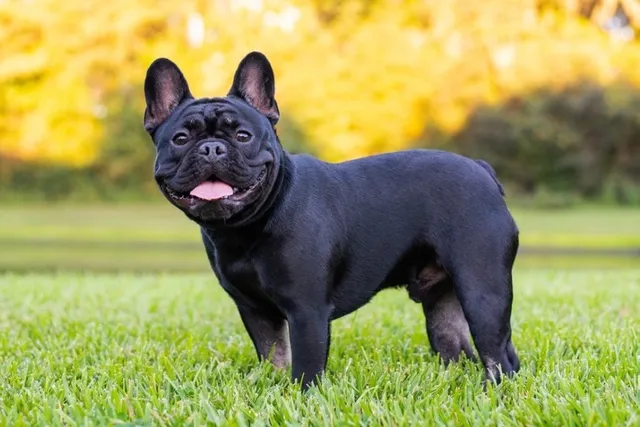
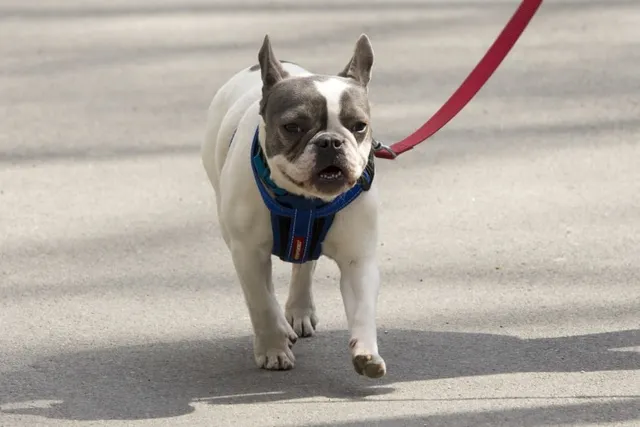
You’d immediately recognize a French Bulldog, whether from their cute wrinkled faces, big, bat-like ears, or stocky statures (or all of the above). When it comes to the colors of Frenchies, there are several options. The rarest or hardest-to-find colors will cost more than colors like white or black.
Breed Overview
Height:
Weight:
Lifespan:
Colors:
Suitable for:
Temperament:
You might wonder what sets a Sable French Bulldog apart from the other colors. Well, we have the answer and more below.
Sable French Bulldog Characteristics

The Earliest Records of Sable French Bulldogs in History
To discuss the history of the Sable Frenchie, we have to examine the French Bulldog in general, which originated in the United Kingdom despite its name. The French Bulldog’s ancestor, the British Bulldog, was initially bred for bullbaiting. When the inhumane sport was outlawed in 1835, people began breeding smaller versions of the dog.
Dogs deemed to have flaws, for example, if they were too small or had ears that stood up on end, were sent to France. It’s believed these dogs were bred with local ratter dogs, and the resulting puppies are the dogs we know now as French Bulldogs. Unfortunately, there aren't any records detailing when Sable French Bulldogs were bred.
How Sable French Bulldogs Gained Popularity
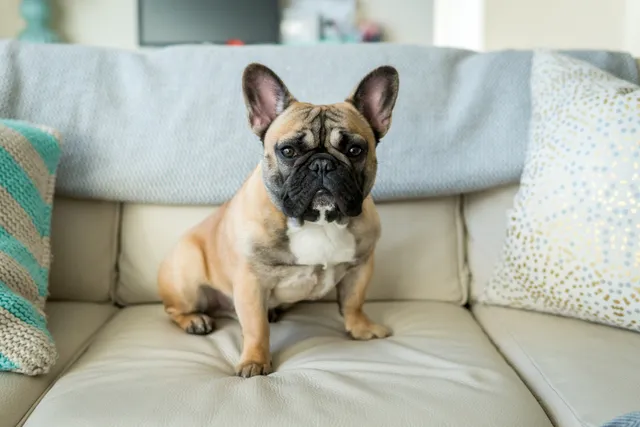
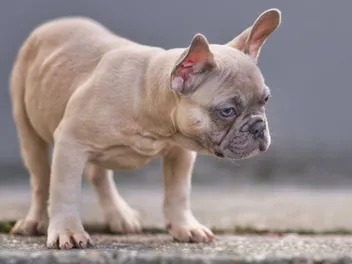
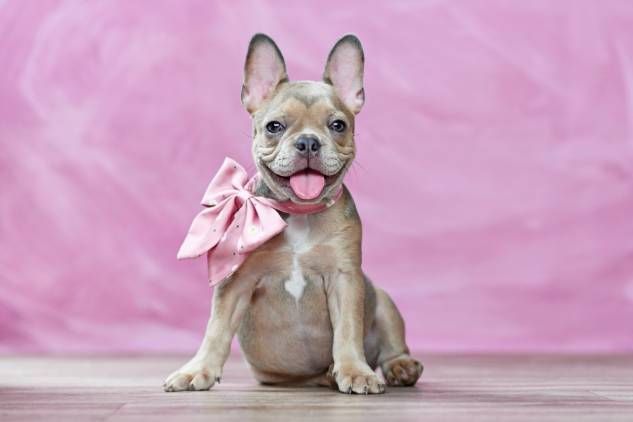
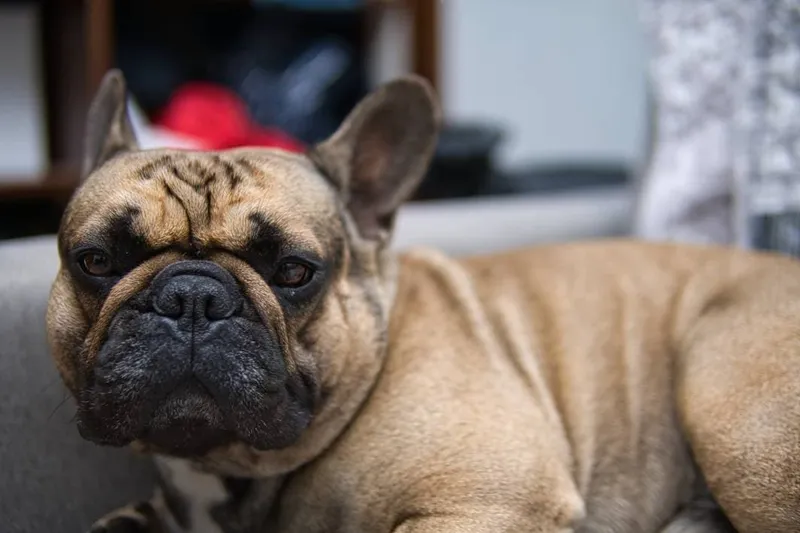
In the late 1800s, the French Bulldog’s popularity dipped because of its connection to blood sports. However, it didn't take long for them to become popular again. The Sable Frenchie is a color variant of the familiar French Bulldog. They look like regular fawn Frenchies until you take a closer look at them.
Sable Frenchies have sporadic black hairs and tips that are spread evenly and mixed with fawn fur, unlike a patch or a spot. Because breeding a Sable French Bulldog is challenging, their popularity has increased, and so has their price tag.
Formal Recognition of Sable French Bulldogs
In 1898, the French Bulldog was recognized by the American Kennel Club. However, Sable French Bulldogs don't have AKC recognition, so you must register them as Fawns.

Top 3 Unique Facts About Sable French Bulldogs
1. You Might Be Sold a Fawn
If you find a breeder, make sure it’s someone you can trust. Whether it’s because the breeder doesn't know enough about them or they’re trying to get more money out of you, people have been sold a Fawn when they’ve paid for a Sable French Bulldog.
2. Sable Frenchies Are More Expensive
You can pay between $4,000–$10,000+ for a Sable French Bulldog. The price will vary depending on the breeder you get them from. If you’re ever in doubt about a breeder, the AKC has an excellent resource online for signs your breeder is responsible.
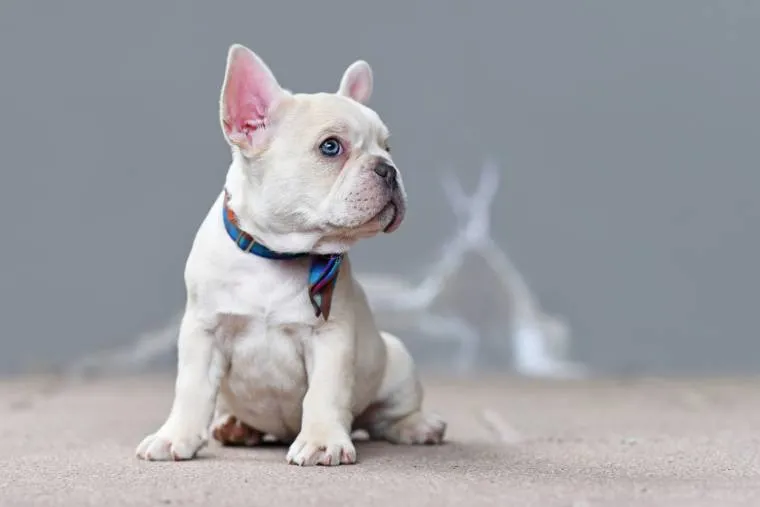
3. The Most Popular Sable Bulldog Is the Blue Sable
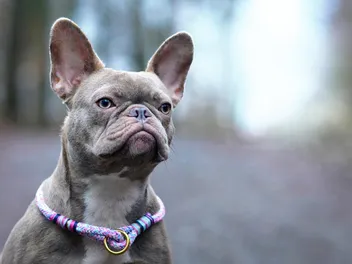
Blue Sable Frenchies are probably precisely what you imagine they are. Instead of black-tipped hair, they have blue-tipped hair with a blue mask.

Do Sable French Bulldogs Make a Good Pet?
The French Bulldog, regardless of its color, is a wonderful pet. They are playful, affectionate, and well-behaved with children.
They’re intelligent dogs and take to training well, but they can suffer from separation anxiety because one of their favorite things to do is be with their humans. They also have various health problems that can be difficult to deal with and costly to treat.

Conclusion
If you’re considering getting a Sable Frenchie, we advise you to research the breed thoroughly. The color you choose will not affect the dog’s temperament or grooming requirements (unless you go for the fluffy Frenchie).
Although the Sable French Bulldog is more expensive than other varieties, you’ll likely forget about the cost when the lovable pup is sitting in your lap.
Sources
Featured Image Credit: Firn, Shutterstock
Expert dog care, straight to your inbox
News, insights, expert advice, and everything dog.

No spam — unsubscribe anytime.
By signing up, you agree to our Terms & Conditions and Privacy & Cookies Policy.
How useful was this post?
Click a star to rate. You can leave written feedback afterwards. (We read all feedback.)
Kerry-Ann lives in Scotland and wishes her garden was bigger so she could have her very own Highland cow but thinks her dogs probably wouldn’t like that idea very much. She has a La Chon called Harry who was poorly with a liver shunt when he was a puppy. It wasn't likely he would make it into adulthood, which was difficult to comprehend, but he beat the odds and is a healthy old man now. She also has a Pug called Maddie who is a big foodie. She’s small, sassy, and every day she finds a new way to wind her brother up.
When she isn’t writing you can find Kerry-Ann going for long walks when it isn't raining, reading, or watching cartoons when she should be tidying her house. She would one day like to be a tourist in her own country and travel through the Highlands with her family.