In this article
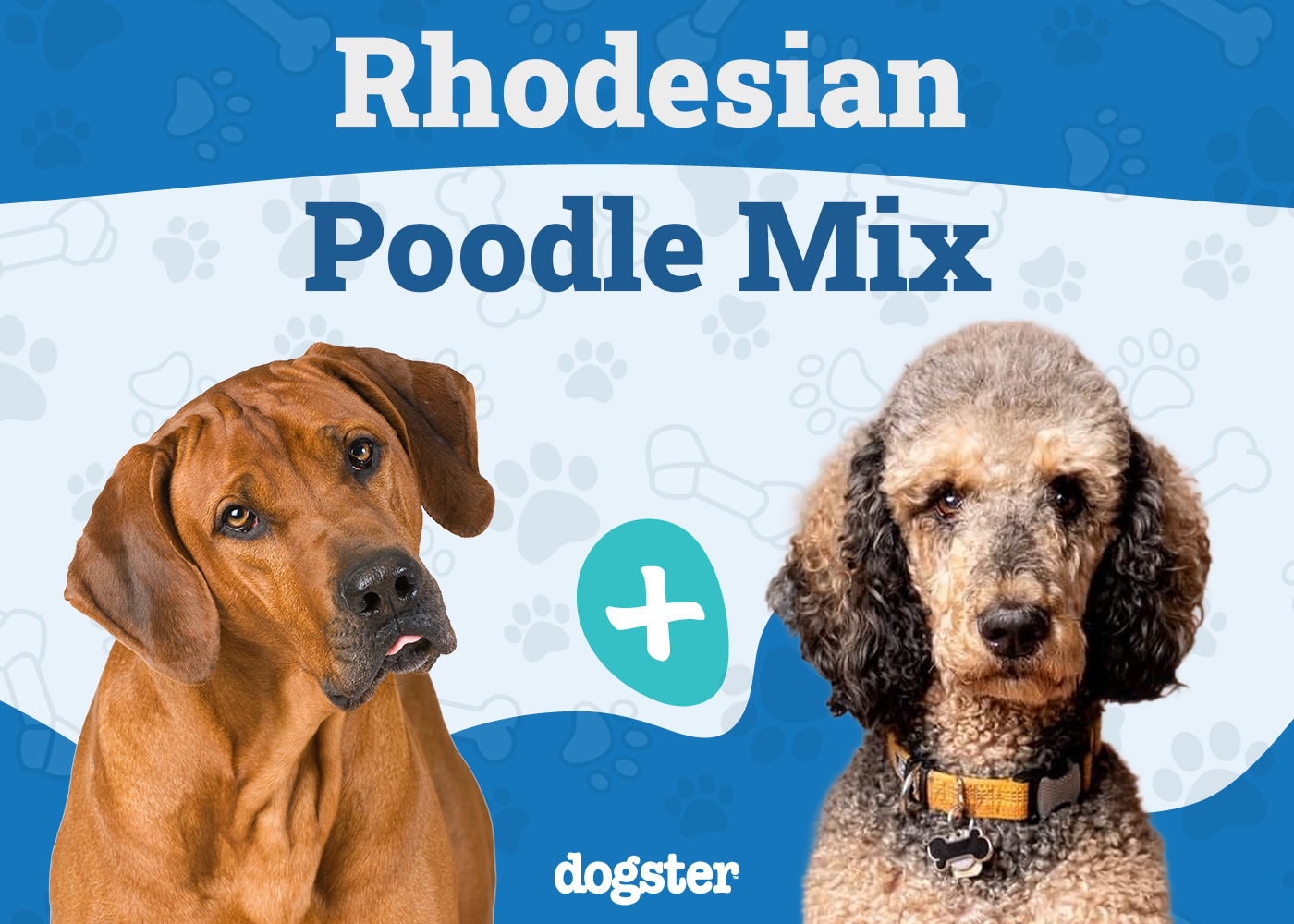
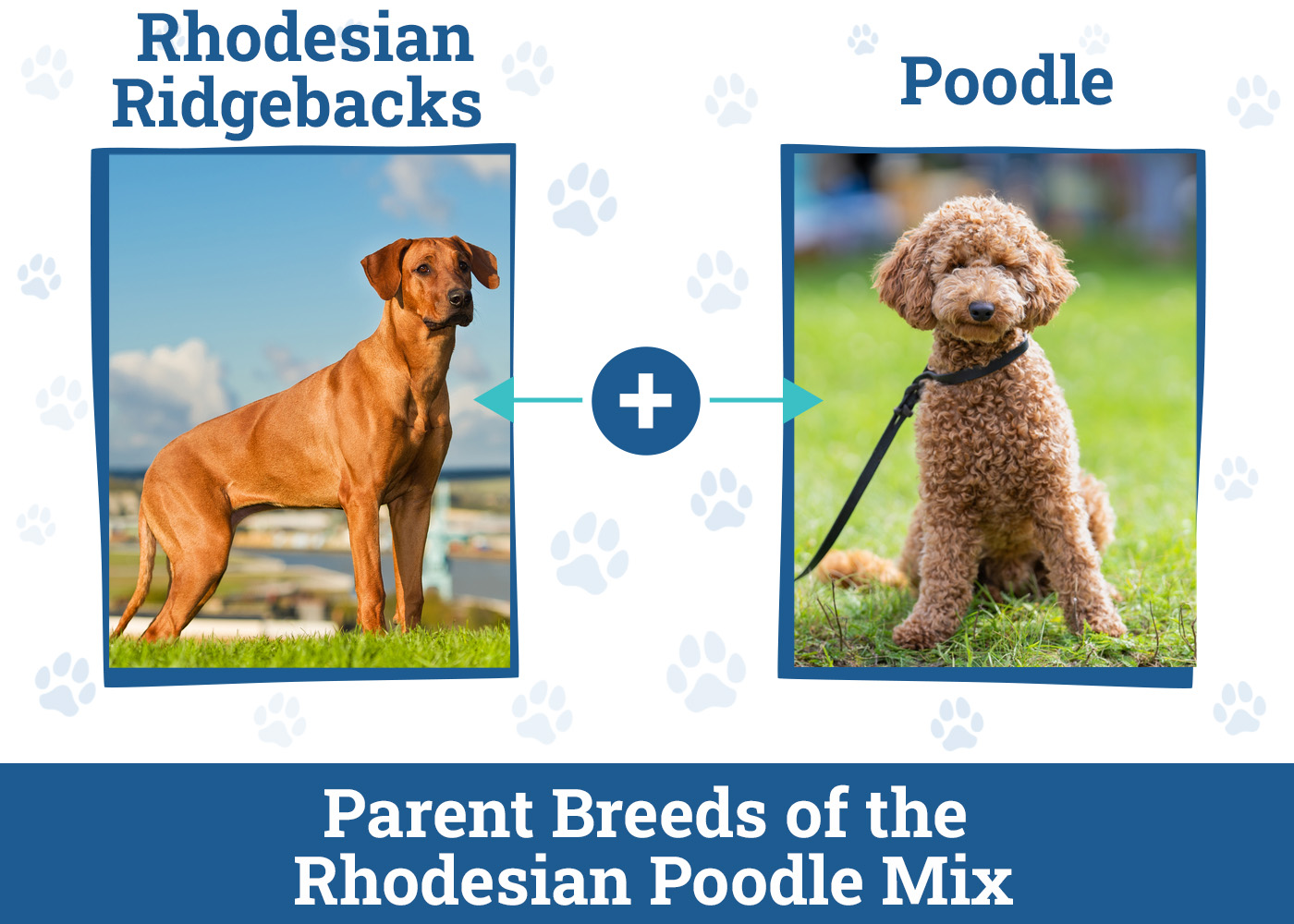
View 8 More +A Rhodesian Poodle is a mix of a Rhodesian Ridgeback and, usually, a Standard Poodle. Exotic and rare, this crossbreed doesn’t have a breed standard because they’re a mixed breed, meaning traits can vary so widely, and they’re fairly uncommon. We can extrapolate from what we know about both parent breeds to guess how the puppies will be. For example, since the Rhodesian Ridgeback is a large, muscular dog, they’re probably going to be naturally paired with a standard-sized Poodle, as opposed to a miniature or toy Poodle.
Breed Overview
Height:
18–27 inches
Weight:
45–90 pounds
Lifespan:
10–15 years
Colors:
White, blue, silver, red, brown, gray, black, wheaten
Suitable for:
Active families, those looking for a low-shedding dog
Temperament:
Intelligent, playful, independent
One thing that’s cool about crossbreeds or “designer breeds” is that the gene pool is much broader than it typically is for purebred dogs. Not only is every puppy a surprise combination of traits, but you can also call the breed whatever you like since they don’t have an official name. Rhodoodle? Podesian? We’re on board.
Rhodesian Poodle Characteristics
Rhodesian Poodle Puppies
Unless you’re lucky enough to find one at a shelter, you’ll likely need to find a reputable breeder in order to get a Rhodesian Poodle puppy since they’re relatively rare. You may also scout out breed specific rescues for Poodles or Rhodesian Ridgebacks that might have this crossbreed or a similar mix in need of a home.

Temperament & Intelligence of the Rhodesian Poodle 🧠
The Poodle is a highly social creature that’ll happily make friends with just about anyone: human, dog, or cat. The Rhodesian tends to be more reserved, however. They were initially bred in Rhodesia to hunt lions and guard homes, so they aren’t necessarily naturally dispositioned to welcome strangers and other pets that they aren’t familiar with, such as cats. Early socialization training often matters more than genetics, though, so don’t lose hope if you want a friendly Rhodesian Poodle.
Are These Dogs Good for Families?🏡
The Rhodesian Poodle forms deep attachments with the people they live with. Because of the Rhodesian’s guarding ancestry, this crossbreed may not be the friendliest towards strangers or people outside of their household. Early socialization training can help, though. At the very least, the Rhodesian Poodle is likely to be very affectionate and loyal to their family and may even protect them if they feel that it’s necessary.
Does the Rhodesian Poodle Get Along With Other Pets?
Poodles are more likely to get along with other dogs and cats than the Rhodesian. However, socialization is the most important determining factor, and timing is key. It’s always best to bring a baby animal into the home as opposed to an adult. For example, adopting a kitten while your Rhodesian Poodle is still young definitely increases the likelihood of a successful friendship, as opposed to bringing home a full-grown dog or cat that already has an established set of fears and values.

Things to Know When Owning a Rhodesian Poodle:
Food & Diet Requirements
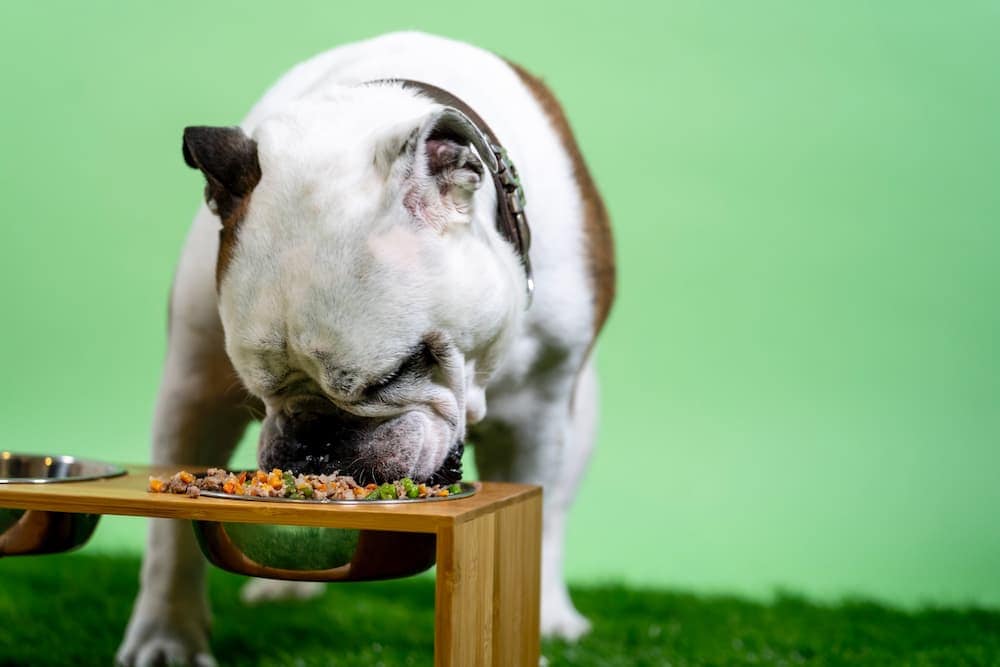
As a medium-large dog, Rhodesian Poodles can eat up to 4 cups of dry food per day. The exact amount depends on the type of food, as well as their age and activity levels. Every breed needs to be fed a well-balanced diet for optimal health and longevity. Look for foods with a named meat protein as the main ingredient, such as chicken, beef, or turkey. Avoid foods with mysterious labels, such as “meat by-product” and filler ingredients such as corn, wheat, or soy at the top of the list.
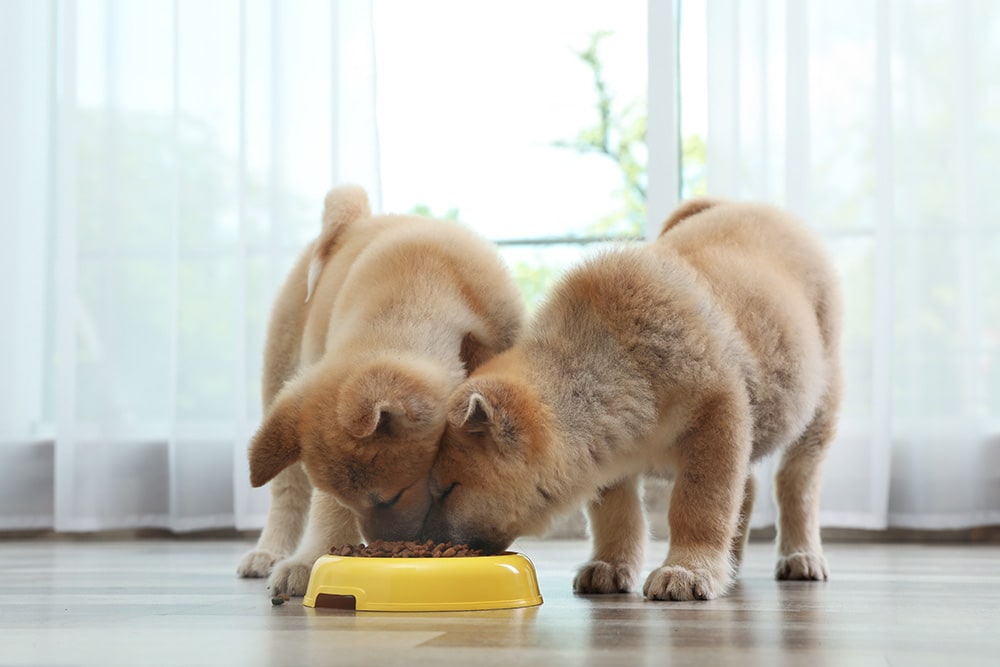
Puppies under one year old need dog food that’s formulated for puppies. Like children, puppies have specific nutrition requirements that adult dog food doesn’t necessarily meet. After their first birthday, or when your veterinarian recommends, you can switch your dog to an adult formula. Continuing to feed your adult dog puppy chow won’t hurt them, but it can contain more protein and fat than they need at the adult life stage, which can make them more likely to put on unnecessary pounds.
Exercise
You probably won’t have to coax a Rhodesian Poodle to get off the couch. These muscular dogs are extremely athletic. Historically, the Rhodesian Ridgeback galloped across the South African grasslands to chase down lions, while Poodles dove into ponds to retrieve waterfowl. A Rhodesian Poodle is likely to be one of the fastest dogs at the dog park, and they might also like to go for a swim in hot weather. As a breed with moderately high energy levels, expect to spend at least an hour exercising your Rhodesian Poodle every day.

Training
In terms of intelligence, both parent breeds score high on the list. The Rhodesian Poodle won’t take long to learn cues and code words, but their independent streak may prove a problem during training. Brief sessions in an environment free from distractions will go a long way, combined with patience and persistence.
Making sure your dog has enough exercise each day, preferably before training sessions, can also help to calm them down and pay attention. Bored dogs are at a higher risk of becoming destructive and defiant, so you definitely want to make sure their needs are met.
Grooming ✂️
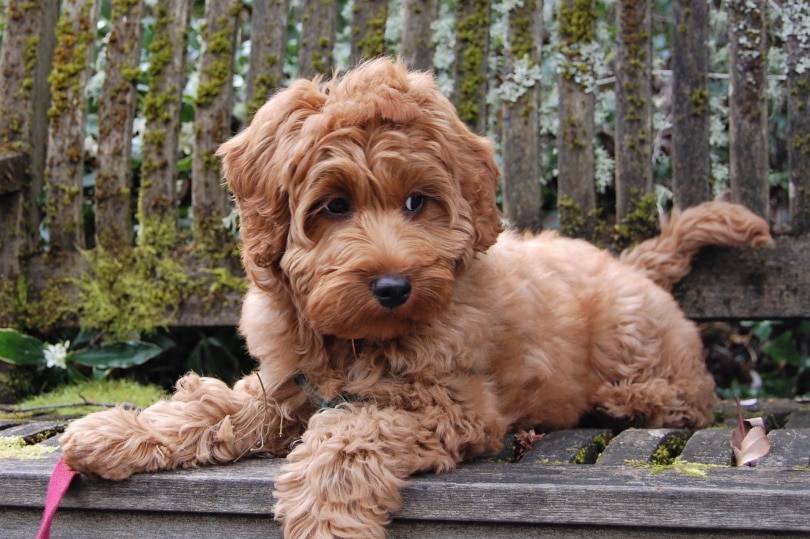
The Rhodesian Poodle will likely inherit the Poodle’s curly, hypoallergenic coat as opposed to the Rhodesian’s short, single coat that sheds. Rhodesians are typically red or wheaten colored, but a mix may adopt this color or take their hue from the Poodle. This crossbreed’s low shedding coat and color variety is one reason why people love Doodle breeds. However, it’s important to note that hypoallergenic simply means “low allergens,” not allergen-free. A Rhodesian Poodle isn’t a good match for a household with someone who’s extremely allergic to dogs but might be a suitable compromise for someone with mild allergies.
Of course, the trade-off of having a hypoallergenic coat that doesn’t shed means that they’ll need their fur trimmed approximately every 6 to 8 weeks, or as you see fit. Doodles are also prone to matting, so you’ll need to brush out their coat with a slicker brush two or three times a week to prevent tangles. Hypoallergenic coats don’t tend to develop that musty wet dog odor, so thankfully they’ll only need a bath once a month or as needed with a gentle, sulfate-free dog shampoo.
Health and Conditions
Rhodesian Poodles are fairly healthy dogs, but there are a few medical conditions that the parent breeds are more likely to inherit than others. Medium and large-sized breeds such as the Poodle and the Rhodesian Ridgeback are prone to hip dysplasia, a condition where the femur doesn’t line up with the hip socket. While it’s not a life-threatening condition, it can affect your dog’s quality of life and may lead to a decreased life expectancy. For example, hip dysplasia may make them less active, which can lead them to develop obesity and diabetes. Both breeds are also known to sometimes develop thyroid issues, and the Poodle sometimes has problems related to their adrenal glands, such as Addison’s Disease. Poodles, in particular, also sometimes develop eye problems such as cataracts and glaucoma more than the canine population at large.
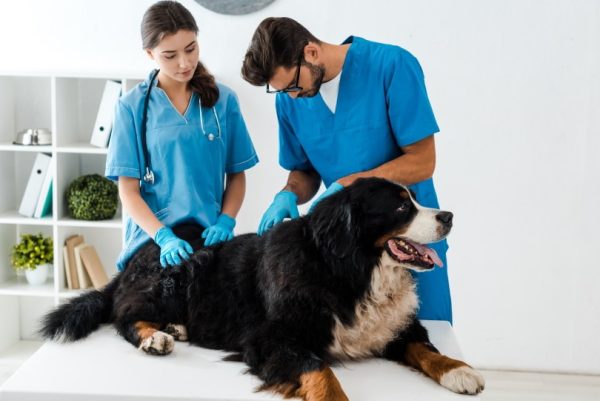
Visiting the vet at least once a year for a wellness visit can help catch these conditions early, leading to quicker treatment and a better prognosis overall.
- Hip and elbow dysplasia
- Cataracts
- Glaucoma
- Hypothyroidism
- Addison’s disease
Male vs Female
Female Rhodesian Poodles tend to weigh on the smaller side of the spectrum than males. They may also be a little shorter and may be considered medium-sized dogs, as opposed to a large breed. Their personalities can sometimes be categorized according to sex. For example, females may form closer bonds with male owners while male dogs tend to prefer female humans, but this is a generalization that’s not true for every dog. Rescues, in particular, have their own characteristics and personality that’s largely influenced by their backstory. In the end, you have to meet the dog you’re considering adopting to know whether they’re right for you and your family.

3 Little-Known Facts About the Rhodesian Poodle
1. The Rhodesian Poodle can run up to 30 miles an hour.
Both parent breeds are considered to be some of the fastest dogs in the world. Currently, the Greyhound ranks #1, with an average top speed of 45 mph.
2. Rhodesian Poodles are very likely to have a red coat.
Standard Poodles come in virtually every color, including red and apricot. On the other hand, the Rhodesian Ridgeback exclusively comes in three colors according to the American Kennel Club: Light Wheaten, Red Wheaten, and Wheaten.
3. Poodles and Rhodesian Ridgebacks have existed for hundreds of years.
While the crossbreed is a new idea, the parent breeds are well-established. Rhodesian Ridgebacks were thought to have originated around the 17th century, and Poodles have been around since Medieval times. Despite their status as the national dog of France, the Poodle is actually a German breed derived from the word “pudel” which means puddle, alluding to their history as water retrievers.

Final Thoughts
If you’re thinking about adding an energetic, loyal sidekick to your family, the Rhodesian Poodle is the perfect crossbreed for you. They’re extremely athletic and form close bonds with their fellow household members, which can include other dogs and cats as long as they’re introduced at a young age. Early socialization training is always a vital step no matter what breed you adopt. Exposing them to other people and animals while they’re young instills trust in your dog, which helps them get along with everyone in your family and increases the chance that they’ll be friendly to newcomers.
See also:
- Bombay Cats vs Black Cats: The Differences (With Pictures)
- Bichon-Poo Mixed Dog: Breed Info, Pictures, Traits & Care