Rhodesian Mastiff Mix breed: Info, Pictures, Care Guide & More

In this article
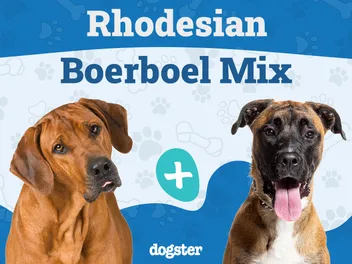
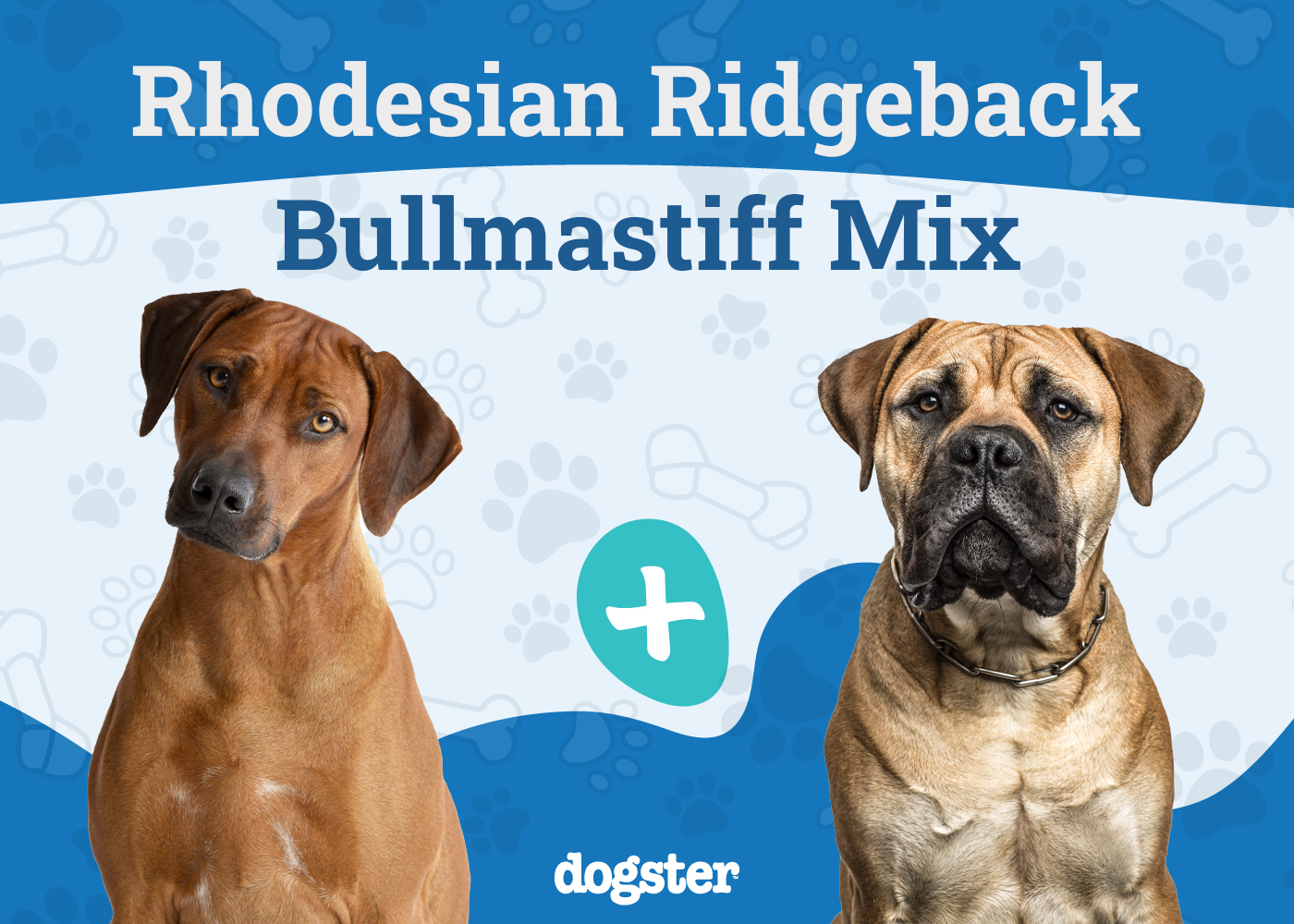
The Rhodesian Ridgeback and Bullmastiff mix is everything you could ask for as a dog owner. They are a relatively new mixed dog breed that is often described as loyal, protective, and strong. Rhodesian Mastiffs have all the desirable traits of their parent breeds, who are well-known hunting dogs.
They are commonly referred to as gentle giants, and they are one of the more heavyset Rhodesian Ridgeback mix breeds.
Breed Overview
Height:
Weight:
Lifespan:
Colors:
Suitable for:
Temperament:
The Rhodesian Mastiff is a mix between the Bullmastiff and the Rhodesian Ridgeback. The Bullmastiff was originally bred to be a powerful hunting dog with gentle yet protective qualities. The Rhodesian ridgeback is a South African hunting dog that is known for its impressive hunting skills and protective temperament. When bred together to create the Rhodesian Mastiff mix, you end up with an intelligent, active, loyal, and strong mixed dog breed.
Rhodesian Mastiff mix dogs excel at being both companion animals and excellent guard dogs. With proper training and early socialization, this mixed dog breed is perfect for families with other pets.
Rhodesian Mastiff Mix Characteristics

Rhodesian Mastiff Mix Puppies
Purchasing a new puppy is always exciting for new dog parents. Although adopting or rescuing a new puppy is usually recommended, this can be difficult for Rhodesian Mastiff mix puppies. As a relatively new dog breed that hasn’t gained popularity yet, it is difficult to find them in shelters.
This means that a breeder is your next best step, especially if you want a true Rhodesian Mastiff mix puppy. A reputable breeder will be able to answer your questions about your new puppy with ease and professionalism. They can also give you insight into the parent’s temperament and any potential health problems you need to be made aware of before purchase.
Keep in mind that well the Rhodesian Mastiff mix puppies look small and cute, they will eventually grow into an adult that can weigh over 100 pounds and stand at 30 inches tall. You need to ensure that you can commit to their care and space requirements before you take them home.

Temperament & Intelligence of the Rhodesian Mastiff Mix 🧠
Are These Dogs Good for Families? 👪
Both parent breeds are excellent for families with older children. This makes the Rhodesian Mastiff mix a good choice for families as well, even those with other dogs. Even though they are patient dogs with a gentle temperament, their bulky bodies don’t mix well with small children or toddlers. With proper training and socialization, Rhodesian Mastiffs can be great additions to many families. That is, however, if you want a large dog breed that is a hunter by instinct.
Furthermore, their large size does not make them good lap dogs. While some people don't mind sharing their space with a 100-pound-plus dog, others can find it difficult. An adult Rhodesian Mastiff mix is not going to be able to cuddle up on your lap while you watch television, although they might try to!
Their size makes them difficult to handle without proper training. They can also be destructive to your home and yard during exercise or in moments of boredom or excitement. Most Rhodesian Mastiff mix dogs are appreciative of spacious yards where they can spend most of their outdoor time. However, they still require a warm place indoors to sleep and rest.
Does This Breed Get Along with Other Pets? 🐶 😽
Rhodesian Mastiffs can get along well with other dogs when socialized from an early age. They can be uncertain and potentially even aggressive towards strange dogs, especially if they haven’t grown up around other dogs. A Rhodesian Mastiff mix usually gets along well with other similarly sized dogs, since these can make the best playmates. Regardless, they can still get along with smaller dog breeds.
If you do plan to keep your Rhodesian Mastiff mix with dogs of the opposite sex, they will need to be spayed or neutered to prevent unwanted litters.
As a natural hunter, the Rhodesian Mastiff mix does not get along well with small pets. This includes exotic pets like rabbits, guinea pigs, birds, and hamsters. Even the gentlest and most well-trained Rhodesian Mastiff mix should not be allowed access to your small pets. The small pets will need to be kept in a secured enclosure and kept in a room that the Rhodesian Mastiff mix has no access to.
Things to Know When Owning a Rhodesian Mastiff Mix:
Food & Diet Requirements 🦴
The Rhodesian Mastiff mix will have a similar diet to their parent breeds. They are omnivores and this means that they thrive on a diet based on animal-based protein, along with plant-based ingredients.
The quality of their nutritional source is important, and they need a balanced diet to fuel their energy and maintain healthy body weight. It is up to you whether you prefer to feed your Rhodesian Mastiff mix either a kibble, wet, or raw dog food.
Ideally, you should discuss with a veterinarian or a qualified canine nutritionist about the best food for your Rhodesian Mastiff according to their health, allergies, and lifestyle. Their food should contain a combination of minerals, vitamins, essential fatty acids, and protein-based amino acids.
Your Rhodesian Mastiff should be getting most of their nutrients from complete and balanced dog food rather than from treats or table scraps. Since this is an active dog breed, they require enough proteins and fat in their diet as a primary energy source. Most adult Rhodesian Mastiff dogs will eat around 6 to 10 cups of food per day (2 cans). Depending on their activity level, you might even need to feed them twice a day.
Exercise 🐕
The Rhodesian Mastiff mix is an active dog that benefits from daily exercise. This allows them to keep fit, release energy, and stay entertained. They can get bored and restless without exercise, so you should aim to spend 1–2 hours a day exercising them. This could be from free play, interactive activities, or sports.
However, you want to avoid high-impact and strenuous exercises because this may cause your Rhodesian Mastiff mix joint pain. Their muscular and bulky bodies make them strong rather than fast for sprinting and long runs. Aside from providing your Rhodesian Mastiff mix with a large area to free play, you can take them on daily walks.
These walks should be done when the weather is appropriate, and ideally no longer than 25 minutes at a time. It is important to let your Rhodesian Mastiff mix dog rest in between each exercise.
Training 🎾
As an intelligent and loyal mixed dog breed, the Rhodesian Mastiff mix is relatively easy to train. It is best to start training them at 8 weeks old so that you can help prevent them from developing unwanted behaviors as they age.
Teaching them basic commands is beneficial in your Rhodesian Mastiff mix early years. These basic commands can be used to aid them during training and allow them to understand you better.
Grooming ✂️
The Rhodesian Mastiff mix has a short, single-layered coat that is easy to groom. Grooming a Rhodesian Mastiff is usually a breeze and only needs to be done once or twice a week. They can benefit from a brush and wash when necessary, and regular nail trims by a canine groomer or veterinarian. They do shed short, thick hair throughout the day and in larger quantities twice a year during spring and summer.
In comparison to long-haired dog breeds, the Rhodesian Mastiff mix is a moderate shedder, and they are not hypoallergenic. If you have allergies to dog fur and dander, the Rhodesian Mastiff mix isn’t a good choice for you.
Health and Conditions ❤️ 🏥
The Rhodesian Mastiff mix is a fairly healthy dog breed, although they are still prone to certain health problems. These health problems are similar to the ones that their parenting breeds are prone to and require veterinary treatment.
Male vs Female
Both the male and female Rhodesian Mastiff are similar, but there are some slight differences between the two. The first difference is their appearance. Male Rhodesian Mastiffs are usually taller than females and have a slenderer body shape. The female Rhodesian Mastiff has a rounder abdomen that can make them appear “barrel-like.”
Both sexes make great canine companions for families with children. However, you might find that the females are more nurturing and independent. Male Rhodesian Mastiffs may also be slightly faster than the females and run better.
3 Little-Known Facts About the Rhodesian Mastiff Mix
1. The Rhodesian Mastiff is a new hybrid dog, so they are considered rare.
As such, you may have difficulty finding one of these dogs. There are likely very few breeders purposely breeding these dogs, so your best bet may be finding one up for adoption.
2. Rhodesian Mastiffs can be found in similar coat colors to their parents. This includes reds, tans, fawns, and other wheaten colors.
Almost any color that the parent breeds can be found, you're likely going to be able to find this mix in.
3. The Rhodesian Mastiff mix is one of the heaviest Rhodesian ridgeback mixed breeds, weighing up to 230 pounds.
With a giant parent breed like the mastiff being included in this mix, you can expect your pooch to be large too, weighing over 200 pounds at times.
Final Thoughts
The Rhodesian Mastiff is a rare mixed dog breed that has the appealing characteristics of two popular hunting dogs. They have the dignified and loyal traits of the Rhodesian Ridgeback, followed by the gentle and good-natured temperament of the Bullmastiff.
They are heavy dogs that rarely weigh less than 100 pounds and require a balanced diet to maintain a healthy weight. They do not have demanding grooming needs and are prone to the same health problems as their parenting breeds.
With proper care, most Rhodesian Mastiff mix dogs can live between 8 to 12 years on average.
See Also:
Rhodesian Ridgeback Golden Retriever Mix: Info, Pictures, Temperament & Traits
Rhodesian Poodle Mixed Dog Breed: Pictures, Care, Traits, & More!
Sources
Featured Image Credit: Left - Nina Quka, Pexels | Right - Jagodka, Shutterstock
Expert dog care, straight to your inbox
News, insights, expert advice, and everything dog.

No spam — unsubscribe anytime.
By signing up, you agree to our Terms & Conditions and Privacy & Cookies Policy.
How useful was this post?
Click a star to rate. You can leave written feedback afterwards. (We read all feedback.)
Sarah lives in South Africa with her partner and pets. She is currently interested in veterinary science and ichthyology, which she wants to study alongside her main passion: pet content writing. Sarah has over 60 fish including: goldfish, tropicals, shrimp, and snails. She also keeps hamsters and a tarantula. Sarah wishes to provide quality content to readers and allow others to learn from her experience and knowledge. Sarah has much experience in all aspects of pet care. Providing the world with the knowledge on ethical pet ownership is her lifelong dream.