Is a Pomeranian Hypoallergenic? Vet-Reviewed Facts & Advice


In this article
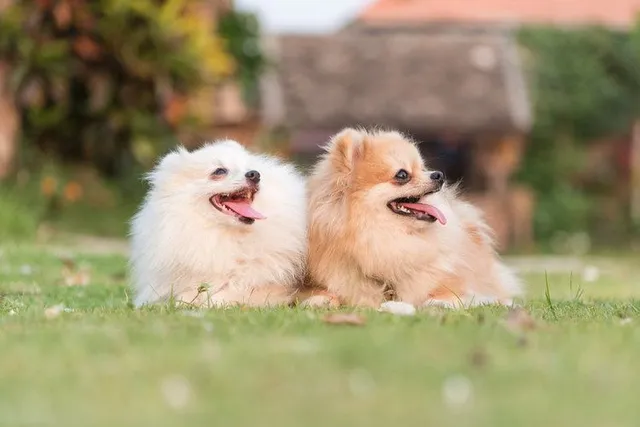
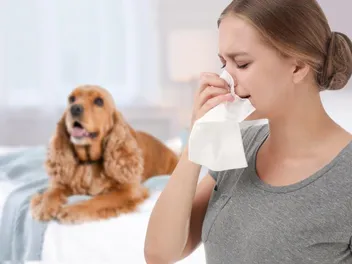
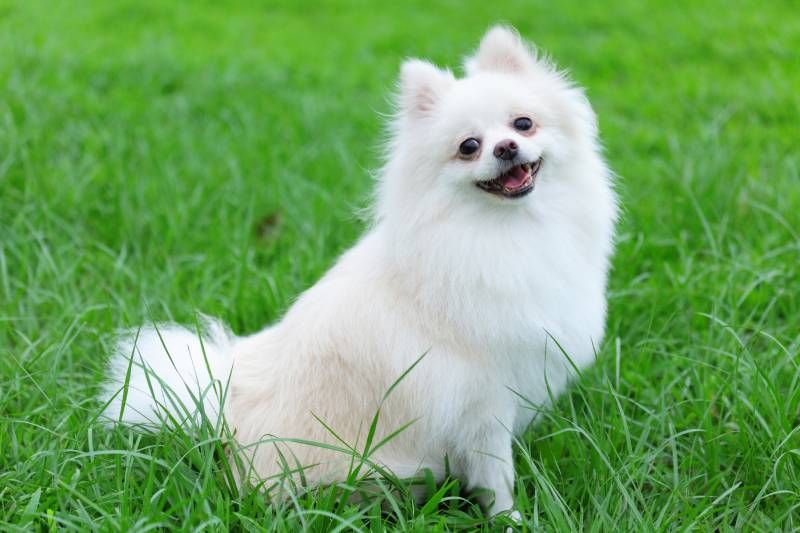
With a gorgeous, fluffy coat, high intelligence, and an unstoppable personality, the Pomeranian is one of the cutest and most popular small dog breeds. If you’re one of the 15-30% of Americans with pet allergies, you might wonder if these adorable pups are going to make you sneeze. The answer is that Pomeranians are not hypoallergenic. Keep reading to learn why Pomeranians aren’t considered hypoallergenic and whether or not a truly hypoallergenic dog actually exists.

Why Pomeranians Aren’t Hypoallergenic
Contrary to popular belief, dog allergies aren’t typically triggered by hair. People with allergies usually react to proteins found in the dog’s saliva and dander (dead skin cells.) However, shedding is a convenient way for dogs to spread allergens throughout their environment.
Loose hair lost during shedding contains proteins from dander and saliva left behind as the dog licks itself. The Pomeranian’s glorious coat is one of the most recognizable physical characteristics of the breed. It’s also a double coat, which lightly sheds all year round and has a heavier seasonal shed twice a year.
Tiny Pomeranians will never produce the same volume of hair as a Labrador Retriever, but they do shed. Because of this, Pomeranians aren’t considered hypoallergenic dogs.

Are Any Dogs Hypoallergenic?
The short answer is no. To be genuinely hypoallergenic, a dog would have to trigger no allergies at all. As we already learned, saliva and dander are the usual culprits behind allergy symptoms. Even hairless dogs produce dander and saliva.
However, not every dog produces the same amounts of dander and saliva. Dogs that make less may not be hypoallergenic, but they’re less likely to trigger an allergic response.
Dogs that don’t shed or shed lightly are typically better tolerated by people with allergies. These dogs keep their allergens on their body instead of spreading them around the house. Allergy-control methods like frequently bathing the dog are more likely to be effective on a pup that doesn’t shed.
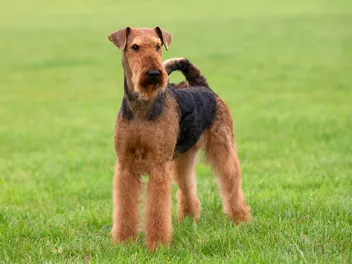
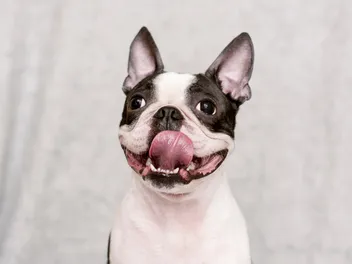
Breeds that are considered more allergy-friendly include:
Tips to Reduce Allergens From Your Dog

If you have a Pomeranian and pet allergies, there are some steps you can take to reduce the allergens that end up in your house and, hopefully, your allergy symptoms.
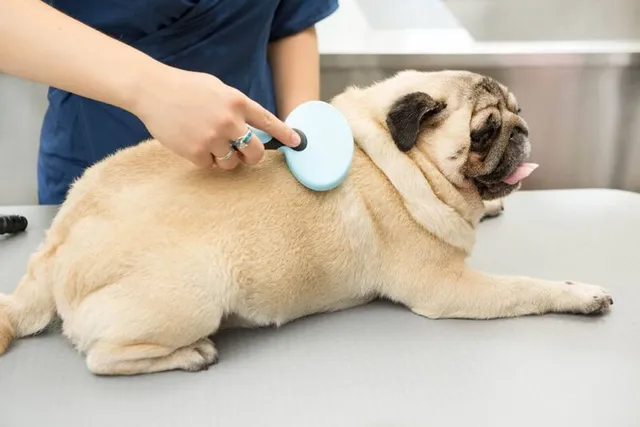
First, a tiny dog like a Pom will produce less of everything (dander, hair, saliva) that could trigger allergies than a larger dog. Frequent brushing, which Pomeranians need anyway to prevent matting, further reduces the amount of hair and allergens that spread around your house. Ideally, groom outside and, if possible, have a non-allergic family member to undertake this task. Bathing your dog with a shampoo formulated for dogs once a week will also help.
Keep your house clean and change the air filters frequently. Consider using a room air filter or purifier for even more protection. Vacuum and damp mop regularly, and consider keeping one area of your home dog-free, such as your bedroom. You could also keep your dog out of rooms with carpet or restrict them to easily cleaned spaces.
You can talk to your doctor about other strategies to reduce allergic reactions, including medications.
Conclusion
Pomeranians make charming pets, but they are not hypoallergenic dogs. Truthfully, no dog is entirely hypoallergenic, but Pomeranians are not a breed considered less likely to trigger allergic reactions either. However, remember that not every person with allergies will react the same way to every dog. The only way to tell how your allergies will respond to an individual Pomeranian is to spend time with the dog.
Sources
Featured Image Credit: leungchopan, Shutterstock
Expert dog care, straight to your inbox
News, insights, expert advice, and everything dog.

No spam — unsubscribe anytime.
By signing up, you agree to our Terms & Conditions and Privacy & Cookies Policy.
How useful was this post?
Click a star to rate. You can leave written feedback afterwards. (We read all feedback.)
Elizabeth Gray is a lifelong lover of all animals great and small. She got her first cat at 5 years old and at 14, she started working for her local veterinarian. Elizabeth spent more than 20 years working as a veterinary nurse before stepping away to become a stay-at-home parent to her daughter. Now, she is excited to share her hard-earned knowledge (literally--she has scars) with the readers. Elizabeth lives in Iowa with her family, including her two furry kids, Linnard, a husky mix and Algernon, the worldʻs most patient cat. When not writing, she enjoys reading, watching all sports but especially soccer, and spending time outdoors with her family.