
Brown Dalmatian (Liver Dalmatian): Info, Pictures, Origin & More

In this article
Dalmatians are lovable, loyal dogs that have quite a storied history. You may have seen one of these dependable pets in your local fire station, or if you haven’t, you’ve seen them on TV and in movies. Most pet owners don’t realize there are more color options for Dalmatians than just the normal black-and-white variety we’re all accustomed to.
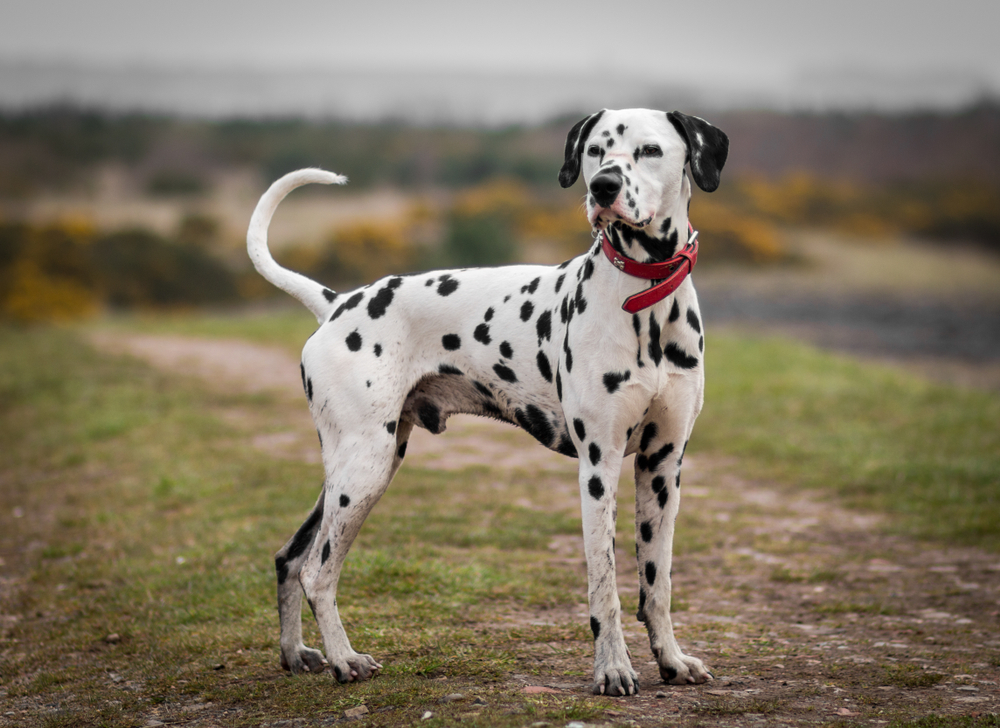
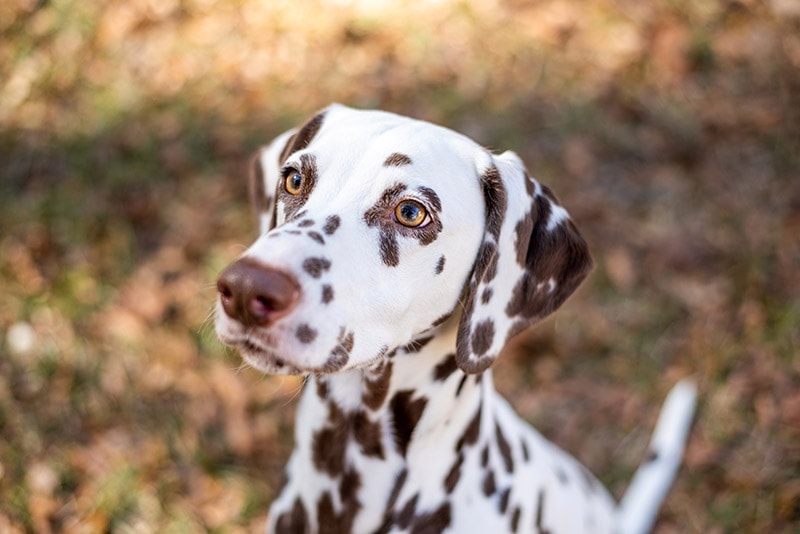
The Brown Dalmatian, also called the Liver Dalmatian, looks the same as the Black and White Dalmatian except for the shade. The Brown Dalmatian is unique, gorgeous, and interesting as well. If you’re interested in knowing more about this gorgeous Dalmatian, we’ll tell you more in the article below.
Breed Overview
Height:
Weight:
Lifespan:
Colors:
Suitable for:
Temperament:
The Liver Dalmatian is a stunning canine that any family would be lucky to have. They have white coats with chocolate brown spots. They can have brown or blue eyes that are slightly lighter than those with black and white fur. In the next section, we’ll tell you everything you need to know about the Brown Dalmatian to help you decide on giving one a forever home, including their early history and how they become recognized as an official breed.
Brown Dalmatian Characteristics

What Makes a Dalmatian Liver (Brown)?
A liver Dalmatian gets its brown spots from a recessive gene at the B locus. To come out liver, a puppy needs two copies of the recessive “b” allele, one from each parent. A single copy does nothing visible, which is why two black-spotted Dalmatians can produce a liver litter if both quietly carry it. The colour goes beyond the coat. Liver Dalmatians have a brown nose and brown eye rims in place of black, and their eyes are usually lighter, typically light brown to amber. Because the gene is recessive, liver is noticeably less common than black, though it’s far from a novelty. Reputable breeders tend to charge in the same range as for black-spotted puppies, generally around $800 to $2,500 in the US.
The Earliest Records of the Brown Dalmatian (Liver Dalmatian) in History
The earliest records of the Dalmatian Dog breed can be traced back to Dalmatia, which is a region in Croatia. The pet we know today first appeared in the mid-1800s and soon got its official recognition from the kennel clubs. However, legend has it that the breed existed in 3700 BC and that one was owned by Egypt’s King Cheops. You can also find old artwork depicting pictures of dogs that look like today’s modern Dalmatians. Many say that the Dalmatians of that day were a cross between the Cretan Hound and the Bahakaa Dog breed, but there’s no proof of this theory.

How the Brown Dalmatian (Liver Dalmatian) Gained Popularity
As mentioned, Dalmatians have a storied history and have held many jobs over the years. Some of these include being a firehouse dog, a protector of horses, circus performers, army sentinels, and carriage pullers, to name a few. Before automobiles emerged, Dalmatians ran beside fire truck carriages to clear the road and protect the horses. This tradition continued even after the carriages were replaced by trucks in the United States, but the dogs stopped following the fire trucks and became firehouse mascots.
While they are still popular pets, but they’re not suitable for first-time owners because they can be hard to train and handle. However, if you’re an experienced dog owner, the Brown Dalmatian can make an excellent, loyal companion. Although the Brown Dalmatian’s coat developed naturally, they’re not as common or popular as Black and White Dalmatians.

Is the Liver Dalmatian Recognised by Breed Clubs?
Yes. Liver is one of only two accepted colours in the Dalmatian, alongside black, and both the AKC and UKC treat it as fully standard. A liver-spotted dog is shown on equal terms with a black-spotted one, provided the pigment matches throughout: brown nose, brown eye rims, and liver spots on a pure white coat. What the standards do disqualify is any spot colour other than black or liver, and tricolour dogs carrying tan markings. Lemon, orange, and blue Dalmatians do exist, but none of them can be shown.
Top 3 Unique Facts About Brown Dalmatians (Liver Dalmatians)
Now that you know a bit about the history of the Brown Dalmatian, we’ll give you a few unique facts about the breed in the section below.
1. Brown Isn’t the Only Color Option for Dalmatians
You can choose from more than a few colors when it comes to Dalmatians. Brown and black and white aren’t your only options. You may also come across tricolor, orange, blue, and lemon.
2. Dalmatians Aren’t as Popular as They Used to Be
Dalmatians have dropped in popularity because they can be very difficult dogs to deal with. They need lots of exercise and training, and they can be wary around strangers. It’s best if you are an experienced pet owner if you’re going to own a Dalmatian.
3. 101 Dalmatians Misrepresented Dalmatians
The movie 101 Dalmatians is a classic Disney cartoon that people have adored for years. However, the movie misrepresented the breed, making people think they were easy dogs to care for.


Does the Brown Dalmatian (Liver Dalmatian) Make a Good Pet?
The Brown Dalmatian needs to go to an experienced dog owner because they can be challenging to take care of and train. They’re very energetic and need at least 2 hours of daily exercise to prevent boredom and destructive behavior. They can be trained and socialized to adapt to family life, and they do best with active owners. They’re vulnerable to allergies, urinary issues, and deafness, but by finding a reputable breeder and maintaining regular veterinary appointments, Brown Dalmatians can live up to 13 years.
If you’re a first-time pet owner, it’s best to look for another dog as a pet unless you have time to work with a professional trainer to train and socialize them.
Conclusion
Brown Dalmatians are loyal, affectionate dogs that make excellent pets for active owners. However, they are also hard to train and need plenty of exercise to ensure they can live in your household peacefully. Maintaining regular veterinary appointments (one or two yearly) is vital when you own a Dalmatian because they’re susceptible to several health problems. If you provide enough daily exercise and play sessions for your Brown Dalmatian, they can develop into well-behaved companions that will follow you wherever you go.
See also:
Featured Image Credit: Tanya Consaul Photography, Shutterstock
Expert dog care, straight to your inbox
Vet-reviewed advice, training tips, and the best of Dogster. Free, and you can unsubscribe anytime.
By signing up, you agree to our Terms & Conditions and Privacy & Cookies Policy.
Patricia is an experienced pet writer and lifelong animal lover. When she isn’t writing, Patricia enjoys spending time with her pets, cats Binx and Link and dog Mystery. Mystery and Link have been with her since birth. Binx was found under her house as a kitten and promptly welcomed into the family. Patricia enjoys volunteering at her local rescue shelter and sharing her extensive knowledge of pets.
Join the conversation
Ask a question, share your story, or send private feedback.