Blue Lacy Dog Breed: Info, Pictures, Care & Traits

In this article
As one of the rarest American dog breeds, the Blue Lacy is a dedicated working dog that can also be a high-energy pet for active families. They’re also called the Texas Blue Lacy and are hard to find but beloved by those lucky enough to own one. If you want to know more about this Lone Star canine, keep reading!
Breed Overview
Height:
Weight:
Lifespan:
Colors:
Suitable for:
Temperament:
The Blue Lacy is known for their amazing working ability. They were developed to serve as a four-legged ranch hand in 19th century Texas, and one Blue Lacy dog was once considered as valuable as five human cowboys.
Ranching isn’t the big business it once was, and the Blue Lacy suffered as a result. However, they’re now making a name for themselves as family pets. If you’re looking for a medium-sized dog with energy to spare, the Blue Lacy might be just the pet for you. In this article, you’ll learn more about Blue Lacy dogs and what it takes to care for them.
Blue Lacy Characteristics

Blue Lacy Puppies
The Blue Lacy is an extremely rare breed, and finding a puppy for sale will be difficult. Most Blue Lacy dogs still live in their home state of Texas, so you may need to concentrate your search for breeders in the Lone Star State.
Despite their rarity, you may be able to find a Blue Lacy available for adoption. Again, you’ll likely need to look in Texas, but this high-energy breed isn’t for everyone, and some may need new homes because of it.
You can expect a Blue Lacy puppy to be active, intelligent, and in need of constant stimulation. You can start puppy training classes early to channel their energy in a positive direction. Early socialization is also essential.
Adult Blue Lacy dogs are suspicious of strangers and may not get along with other animals. Socialization from a young age will help them learn to interact appropriately with unfamiliar people.
Blue Lacy Origin & History
The Blue Lacy was developed in Texas in the mid-19th century. They’re named after the four Lacy brothers, who moved from Kentucky to Texas and founded the breed. The brothers wanted a hard-working dog to serve as a herder and hunting companion, and the Blue Lacy was the result of their efforts.
To develop the Blue Lacy, the brothers combined Greyhounds with several scent hounds and possibly a bit of coyote, too. The breed was popular on Texas ranches but nearly went extinct as ranching became less common. However, a preservation group founded in 1975 has been working to keep the Blue Lacy breed alive.
Temperament & Intelligence of the Blue Lacy 🧠
The Blue Lacy is a smart, driven breed that can think for themselves. They have boundless energy and require frequent exercise. Blue Lacy dogs can be territorial due to decades of guarding their ranches and herds. Because they were also used for hunting, the Blue Lacy has a high prey drive.
Although they’re excellent working dogs, the Blue Lacy can be a loving family pet with the right mix of socialization, training, and exercise. Although generally easy to train, the Blue Lacy is sensitive and won’t tolerate punishment or harsh techniques. Experienced dog owners are the best fit for this breed.

Are These Dogs Good for Families? 👪
The Blue Lacy gets along with children, especially if they’re raised with them. However, they are usually not recommended for families with small kids due to their energetic nature. They can make great playmates and exercise buddies for older children and teenagers.
Blue Lacy dogs generally don’t do well in apartments or small homes. They are too active for small spaces and bark a lot. Families with fenced-in yards are the ideal caretakers for them.
Owning a Blue Lacy requires a significant time commitment, which may be tough for busy families to meet. Before you bring one home, make sure everyone in the family is prepared for an energetic, attention-seeking canine.
Does This Breed Get Along with Other Pets? 🐶 😽
The Blue Lacy is not the best fit for households with other pets, especially cats and small dogs. Their prey drive may cause them to chase smaller animals. However, if properly socialized, they can learn to get along with other similar-sized dogs.
Typically, if you want to add a dog to a multi-pet household, the Blue Lacy may not be the best choice. Only experienced dog owners should attempt it, and careful supervision is necessary.
Things to Know When Owning a Blue Lacy
We’ve covered the basics about the Blue Lacy’s personality and a bit about what it’s like to live with one. Here are more characteristics you need to know when owning a Blue Lacy.
Food & Diet Requirements 🦴
Healthy Blue Lacy dogs generally don’t have special diet requirements. Some are prone to skin issues and food allergies that may require prescription food. However, you can talk to your vet if you suspect your pet has a health condition.
Because of their energy levels, the Blue Lacy may need to eat more than you’d expect for a dog of their size. Your vet can help you calculate how many calories your dog needs per day, but you should include their treats in the daily totals. Make sure to provide plenty of fresh water daily.
Exercise 🐕
Regular physical activity is essential for this high-energy canine. It will take more than a quick daily walk to tire out the Blue Lacy. They need long walks or extended off-leash play sessions each day.
The Blue Lacy also makes a great hiking or jogging companion for active people, and they can participate in canine sports, like agility courses. If the Blue Lacy doesn’t get enough exercise, they can become bored and destructive, making them tough to live with.
Training 🎾
Blue Lacy dogs have strong herding instincts and may not require much guidance to perform those types of farm duties. Overall, they are intelligent dogs who generally want to please their owners. This combination of traits typically means the Blue Lacy responds well to training.
You’ll need to keep their brains as busy as their bodies to prevent boredom. You can use positive, reward-based training techniques for the best results with these sensitive dogs.
Grooming ✂️
Weekly brushing is usually enough to keep the Blue Lacy’s short coat in good condition. Like other dogs with floppy ears, the Blue Lacy is prone to ear infections, and it’s vital to inspect and clean their ears regularly.
The Blue Lacy will need their nails trimmed about once a month, depending on how worn they keep them on their own. To complete their grooming routine, provide preventative dental care by brushing their teeth at least three times a week.
Health and Conditions ❤️ 🏥
Because their population is so small, the Blue Lacy has few inherited health conditions. When you find a Blue Lacy breeder, ask about health concerns that affect the family lines of their dogs. Responsible breeders carefully monitor their dogs’ health and are happy to answer any questions about their medical history.
Male vs Female
The Blue Lacy doesn’t display many physical differences between male and female dogs. Males aren’t necessarily bigger than females, for example, like with some other breeds. Overall, males are a bit more aggressive and assertive than females.
Therefore, you can expect a male Blue Lacy to need even more careful socialization and training than females. The other significant difference between the two sexes is that female dogs will go into heat around twice a year if they aren’t spayed.
3 Little-Known Facts About the Blue Lacy
1. The Blue Lacy Is the State Dog of Texas.
In 2005, the Blue Lacy was named the official state dog of Texas. This honor occurred after several decades of breeders fighting to preserve this native Texas breed and improve their overall numbers.
2. Their Unique Color Has a Genetic Basis.
Blue lacy dogs carry a gene responsible for their coat color. This gene, known as the blue-color gene, is found in all Blue Lacy Dogs regardless of the color of their fur.
3. Not All Blue Lacy Dogs Are Actually Blue.
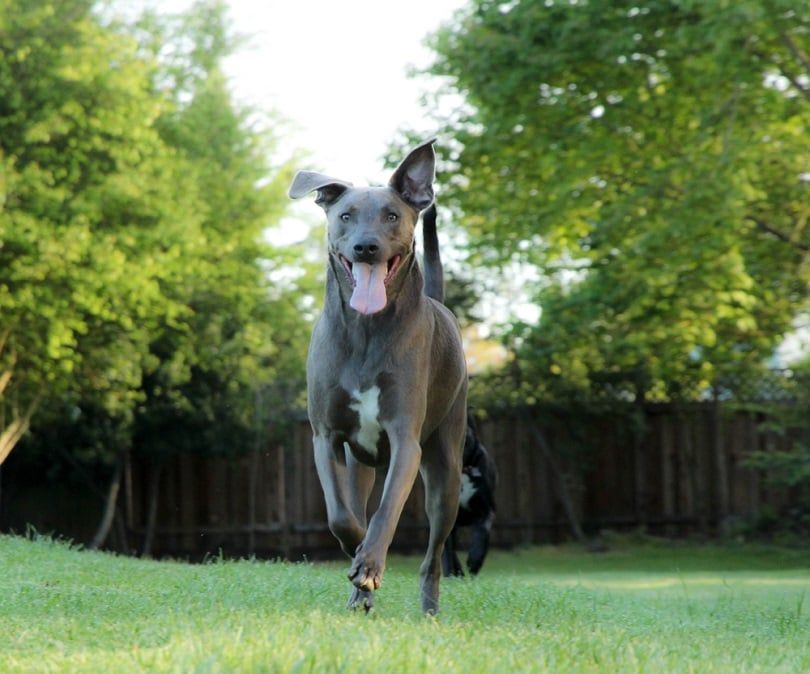
Speaking of the dog’s coat colors, the Blue Lacy’s coat can be other colors besides blue, despite their name. Dogs with “blue” coats can be light gray or almost black. The breed can also have red fur, which ranges in color from cream to true red.
Closing Thoughts
The Blue Lacy is a unique and versatile dog that can make an excellent partner for an experienced, active owner. They’re especially well-suited to those looking for a herding or hunting companion, agility dog, or search-and-rescue animal. The Blue Lacy can also thrive as a family pet but requires a lot of training, socialization, and exercise. They aren’t the best choice for families with other pets or small children. Consider carefully whether the energetic Blue Lacy is a good fit for your living situation before bringing one home.
Featured Image Credit: Jessica Lobsinger, Shutterstock
Expert dog care, straight to your inbox
News, insights, expert advice, and everything dog.

No spam — unsubscribe anytime.
By signing up, you agree to our Terms & Conditions and Privacy & Cookies Policy.
How useful was this post?
Click a star to rate. You can leave written feedback afterwards. (We read all feedback.)
Elizabeth Gray is a lifelong lover of all animals great and small. She got her first cat at 5 years old and at 14, she started working for her local veterinarian. Elizabeth spent more than 20 years working as a veterinary nurse before stepping away to become a stay-at-home parent to her daughter. Now, she is excited to share her hard-earned knowledge (literally--she has scars) with the readers. Elizabeth lives in Iowa with her family, including her two furry kids, Linnard, a husky mix and Algernon, the worldʻs most patient cat. When not writing, she enjoys reading, watching all sports but especially soccer, and spending time outdoors with her family.