Blue French Bulldog: Info, Pictures, Origin & History


In this article
French Bulldogs are known for being friendly, fun-loving dogs. They are understandably a very popular breed; in fact Frenchies have secured the No. 1 spot in the American Kennel Club’s (AKC) list of the most popular dog breeds in 2022 and 2023.
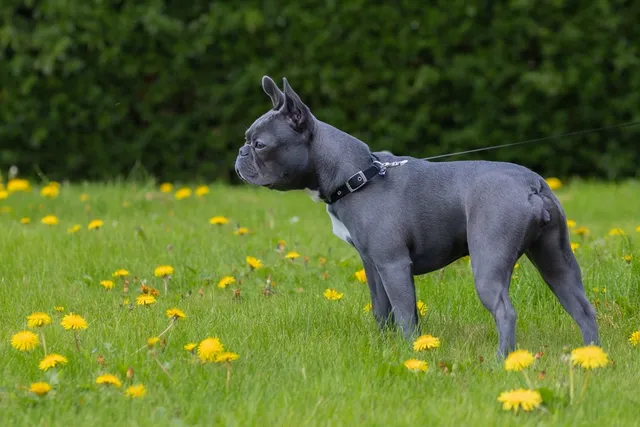
Blue Frenchies are particularly striking. However, it's important to note that blue is not a standard coat color for French Bulldogs and is not recognized by various official dog breed associations such as the American Kennel Club. Read on to learn more about blue French Bulldogs.
Breed Overview
Height:
Weight:
Lifespan:
Colors:
Suitable for:
Temperament:
Blue French Bulldog Characteristics

A Brief History of the French Bulldog
These dogs have roots that trace way back to the 19th century. Toy Bulldogs were brought to France by English workers who emigrated, and later are thought to have been crossed with other short-faced breeds and terriers which resulted in the French Bulldogs we know and love today.
The French Bulldogs’ large ‘bat ears’ differentiated them in appearance from other Bulldog breeds. They became fashionable in French society and dogs resembling French Bulldogs are even depicted in paintings by Degas and Toulouse Lautrec. The breed returned to Britain at the end of the 19th century.

Formal Recognition of Blue French Bulldogs
Blue French Bulldogs aren’t recognized as an official color by the AKC, though French Bulldogs were recognized by the club in 1898 and in 1905 by the English Kennel Club. Many breeders do not recognize the “blue” color as an official color, stating that these aren’t “purebred” Frenchies. So, to say, if you’re looking to enter your pet into a competition, it won’t be able to compete in many cases, unfortunately.
The blue coat color continues to be popular but controversial. The French Bulldog Club of America describes it as a ‘fad’ or ‘rare’ color and discourages breeding rare coat colors. The concern is that, due to the popularity of the color, breeders will place more importance on breeding for color rather than health, with the goal of producing rare and expensive puppies. Unfortunately, French Bulldogs are at higher risk of certain health problems, and responsible breeders should prioritize their health and well-being, rather than their looks.
Top 4 Unique Facts About Blue French Bulldogs
1. Blue French Bulldogs Have a Dilution Gene
A dog’s coat color is determined by genetics. Genes passed down from their parents determine the blue coat color. Blue coat colors are associated with a color dilution gene and a diluted black coat creates a blue coat color. It takes two recessive color dilution genes to lighten black pigment to gray or blue.
2. There are 4 main Colors and Markings of Blue Frenchies
Blue French Bulldogs come in different variations:
- Blue Merle – this has patches of blue color and leaves the rest of the coat the original color.
- Blue Pied – Blue pied Frenchies usually have light-colored fur on the chest, legs and cheeks.
- Blue Brindle – this blue coat color has brindle markings as well.
- Blue Fawn – Blue Fawn French Bulldogs have dusky-looking fur and also carry genes for the fawn color.
3. Blue Frenchies Can’t Swim
French Bulldogs are unable to swim because of their body shape. They have short legs, a compact body, and are front-heavy with a large head and a short muzzle. They don’t do well in water, and they will usually quickly sink to the bottom of a pool or tub. In some cases, they may doggy paddle a bit, but they will give out fairly quickly due to their shape.
Pool owners need to be vigilant about these dogs, especially in the summertime. Just because they can’t swim doesn’t mean they won’t try to dive headfirst into 6 feet of water.
4. Over 80% of French Bulldogs Require a Cesarean to Give Birth
Studies have found that French Bulldogs are 15.9 times more likely to experience difficulties giving birth, and over 80% required a cesarean section.

Do Blue French Bulldogs Make a Good Pet?
With the right socialization and training French Bulldog babies are generally easy-going and well-mannered dogs. They love to get belly rubs and massages. They make great family dogs and like being included in activities and outings. They were bred to be companion dogs and are super affectionate and eager to give attention to their owners.
But they can also be playful and fun-loving dogs that enjoy fetching toys, playing hide-and-seek (with treats of course), and going for short walks.
Blue French Bulldog Health Issues
Regardless of their color, French Bulldogs unfortunately have a propensity for several serious health issues. Not all blue French Bulldogs will have an increased risk of health issues when compared to standard colors, but the risks can be exacerbated by irresponsible breeding. Let’s look into some of these concerns:
Breathing Issues
Unfortunately, their cute squashed faces come at a price. Frenchies suffer from brachycephalic obstructive airway syndrome (BOAS) which can cause breathing difficulties.
Skin Problems
There are several health issues that can affect French Bulldogs’ skin. Frenchies are prone to both skin allergies and skin fold dermatitis. Their skin folds and wrinkles need extra care and cleaning to prevent them from becoming inflamed, sore, and infected.
Blue French Bulldogs can also suffer from a condition called color dilution alopecia. This condition is only seen in dogs with a dilute coat color such as blue. Puppies are born with a normal looking coat and gradually develop a dry, dull, poor quality coat with bald patches usually from the ages of 6 months onwards.
Back Problems
Frenchies are also prone to back problems, such as intervertebral disc disease (IVDD), due to their shape.

General Health & Care
Similar to any of the dog breeds, Frenchies need routine vaccinations in addition to checks for intestinal parasites and heartworms. Regular check ups and dental care should be provided by your vet, though you should also clean your Frenchie’s teeth at home. There are also treats and chews that can help with this.
As mentioned earlier, French Bulldogs’ short faces can cause them to have breathing difficulties. Issues such as heat stroke and heat stress are also very common for these dogs, as they will usually have more difficulty cooling themselves in hot weather.
So, taking them for long or fast walks and runs isn’t recommended at all and you will need to be particularly careful in warm or hot weather.
It is also essential to keep a close eye on your Frenchie’s weight. They are known for putting on weight easily and this can cause more problems with breathing and exercising.
Grooming the Blue French Bulldog
Weekly brushing is usually all that is needed to keep their short coat healthy. They will also require nail trimming as needed.
Regular cleaning of their skin folds, particularly on their face, is important to prevent soreness and skin infections. It’s helpful to ask your vet for advice on caring for your blue French Bulldog’s skin, but often a pet wipe will work just fine for day-to-day debris and dirt removal.
Blue French Bulldog Training
Blue French Bulldogs can be strong-willed at times but generally work hard to please their owners and will train with food, treats, or other motivations.
Positive experiences and socialization at a young age with different people, places, animals, and experiences will help them grow into confident and laid-back adults.
French Bulldogs are people-oriented and thrive on human company. So although it is important that they learn to spend time alone, they shouldn’t be left alone for long periods of time.
Blue French Bulldog Costs
Blue French Bulldogs are considered rare and are popular, which also makes them expensive. A newborn puppy can cost anywhere from $1,600 to over $5,000. Although the average price is around $2,500–$3,000 in the US. When it comes to expenses for grooming and healthcare, you can expect to pay anywhere from $2,000 to $5,000 a year, depending on their health and if you have pet insurance.
Many veterinarians recommend getting insurance for these dogs due to their propensity for health issues.

Conclusion
Blue French Bulldogs are fun loving, friendly, and very easy to love. If you’re considering purchasing one as a pet, they will likely make for a great companion, but it is important to be aware of potential health issues. All French Bulldogs are prone to certain medical issues, but irresponsible breeding of rare colors such as blue can increase the risks. They’re also great for people who prefer laid-back dog breeds that don’t require too much daily activity. These dogs are on the expensive side due to their rarity and propensity to certain medical issues. So, it’s important to ensure that you’re able to provide your bully with the care that they need to remain healthy.
Sources
Featured Image Credit: Angyalosi Beata, Shutterstock
Expert dog care, straight to your inbox
Vet-reviewed advice, training tips, and the best of Dogster. Free, and you can unsubscribe anytime.
By signing up, you agree to our Terms & Conditions and Privacy & Cookies Policy.
Nicole has loved animals of all sizes her whole life so it's no wonder she has dedicated her career to helping them through what she loves best: learning, writing, and sharing knowledge with others. She’s the proud mom of two dogs, a cat, and a human. With a degree in Education and 15+ years of writing experience, Nicole wants to help pet parents and pets around the planet to live happy, safe, and healthy lives.
Join the conversation
Ask a question, share your story, or send private feedback.