How to Massage a Dog to Poop: 5 Great Tips (Vet Answer)
Massages are commonly used to treat some types of constipation in people, and they can relieve discomfort, improve stools and bowel movements, and promote relaxation, which enhances intestinal movements. If you’re wondering how to massage your dog to help relieve their constipation, you sound like an empathetic dog parent.
A “constipation massage” might be okay to use alongside other treatments in some cases. However, the causes of constipation are usually different in people and dogs, and there is no concrete evidence of the benefits in dogs.

Before You Start
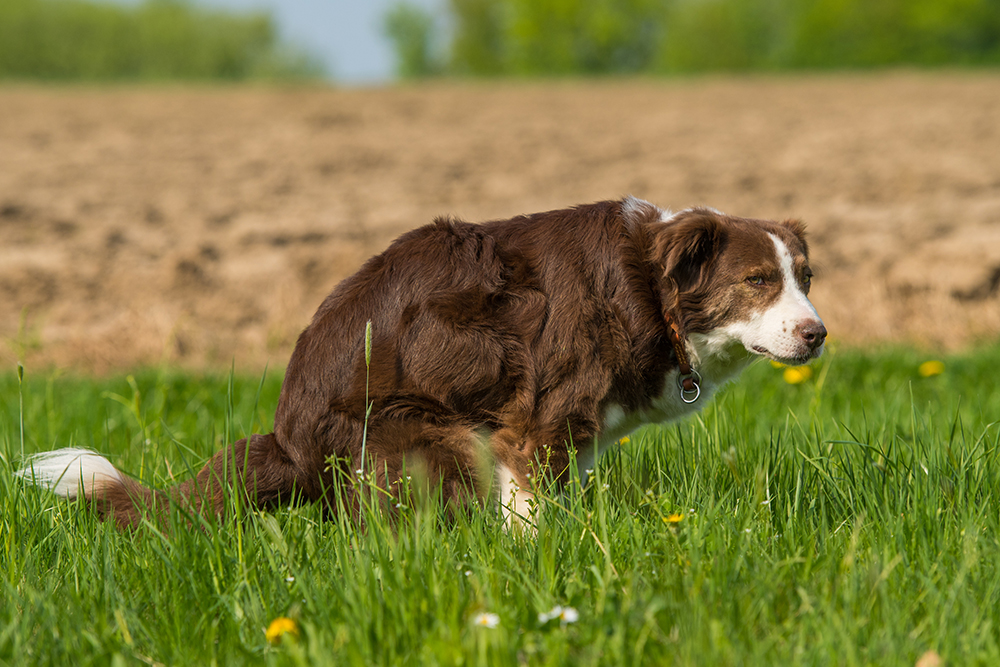
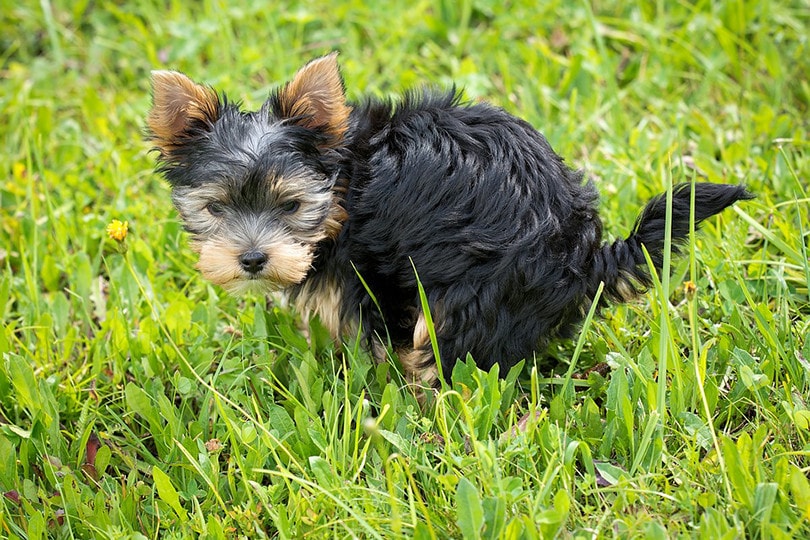
Constipation in dogs occurs when they don’t defecate often enough or when they struggle to poop by straining. Constipation has a variety of underlying causes which can relate to diet, behavior, or underlying disease. Before you massage your dog, you should consult your vet. Massaging won’t help a dog with a boney fecal impaction or an anal gland tumor, for example.
Your vet can take a thorough history, examine your dog, and perform any testing necessary before making a treatment plan. If your dog is constipated, they can have abdominal pain, so you don’t want to try massaging your dog without your vet’s approval.
Ask your vet if a massage would be appropriate alongside their recommended treatment plan, which might include laxatives and changes in diet. Massages might be appropriate for cases of constipation secondary to stress, anesthetic, medication, or as part of a long-term prevention strategy.
Your vet may advise against massaging your dog if they have trust issues, cancer, pain, skin conditions, or are pregnant.
The 5 Tips to Massage a Dog to Poop
1. Review the Science
Since there are no studies that show the benefits of massage in constipated dogs, the use of this treatment should be alongside other veterinary treatments. A canine study showed that massages have been shown to reduce pain in dogs with orthopedic conditions, similarly to humans.1
Since a massage is unlikely to harm your pet and may help them, we think it’s okay to try it with vet approval. However, there is some evidence of massages being helpful for humans with constipation. One study showed that a single 30-minute abdominal massage can lead to the relaxation of the abdominal muscles, which improves circulation and can increase intestinal movements.2
The study concludes that a longer massage was needed for the patients who did not show reduced abdominal tension. In another study, people with chronic constipation received three 10-minute massage sessions a week, which improved bowel function.3
Abdominal massage increases bowel movements and relieves discomfort in people. It could also work by relaxing the nervous system, which improves digestive movements. Since stress and anxiety are notable causes of constipation in dogs, a relaxing massage could possibly work, as well as a targeted abdominal massage.
Knowing how massages work and having a diagnosis for your dog can help you decide if your dog will benefit from the massage.

2. Prepare Your Dog
You ideally want to massage your dog when they are relaxed and sleepy. You can provide exercise and ensure they aren’t hungry before you begin. Exercise and eating can also help stimulate them to poop, so don’t skip this step.
The massaging process should be comfortable and relaxing for your dog; stress will have the opposite effect that we want on the nervous system. Before you start, ensure that your dog tolerates prolonged petting and close contact with you.
Reading your dog’s body language will help you decide when enough is enough; side eyes, a stiff body, and lip licking are all sure signs to back off. Do not proceed with the massage if you think your dog may bite.
3. Give a Relaxing Massage
As mentioned earlier, a relaxing massage can calm the nervous system, promoting good bowel motion. The simplest massage technique is to stroke down your dog’s back. Stroke the muscles on either side of the spine using gentle pressure and avoiding the spinal bones.
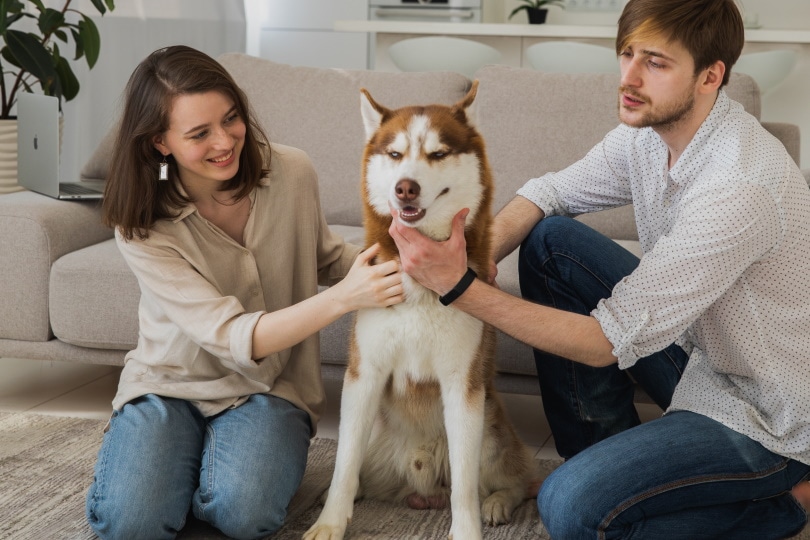
A head rub can also be very relaxing for your dog. There is a pressure point at the top of their nose, which you can gently massage as you run your hands over their muzzle and head. If your dog enjoys the attention, you can massage them for 20-30 minutes. The massage should never be stressful, so read their body language and stop if you need to.

4. Try an Abdominal Massage
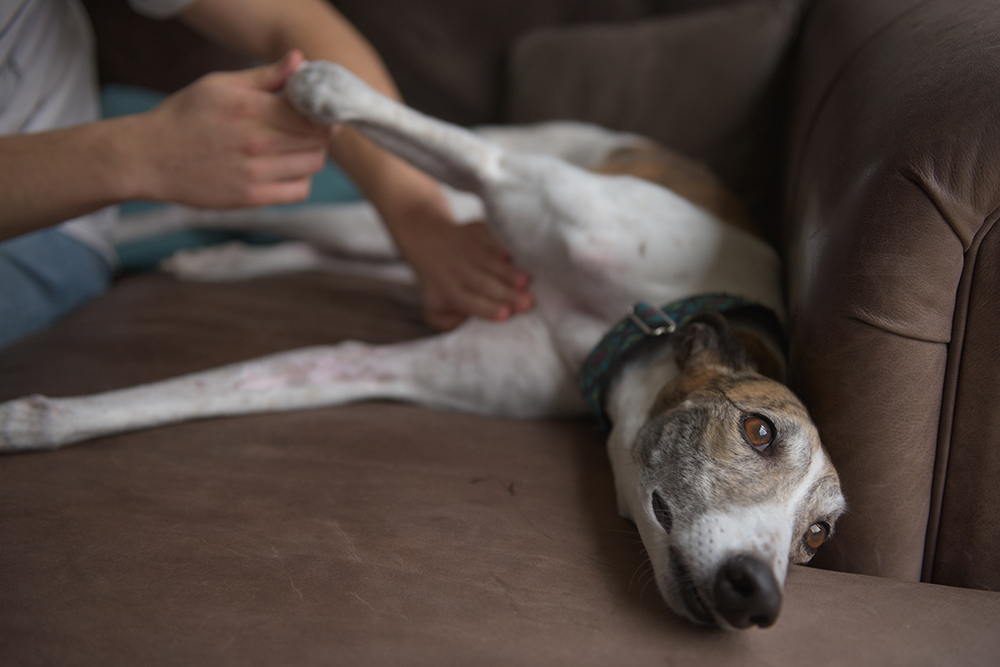
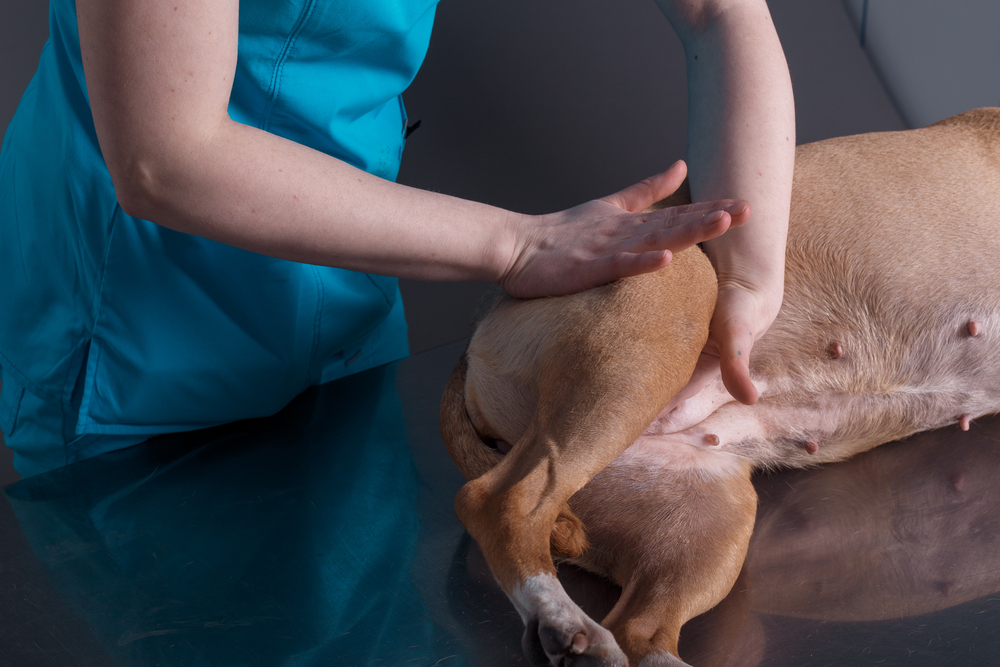
An abdominal massage uses a gentle Swedish massage technique. Position your dog so that they are lying comfortably on their back, standing with their tail to you, or hold them upright on two legs. You can massage the abdomen using strokes and gentle kneading in a clockwise direction, following the natural path of the colon.
Work your way up the right side of the abdomen and then move down to the left side. The pressure used should be fairly gentle and suited to your dog's size and temperament. Your dog should be comfortable at all times. If they try to get away, let them go.
5. Look Into Other Holistic Therapies
For dogs with ongoing constipation, acupuncture can provide stimulation of the colon or relax the nervous system. It can also reduce pain, which can sometimes be the cause of constipation. Searching on the International Veterinary Acupuncture Society website can help you find a veterinarian who practices acupuncture in your area.
Probiotics can also help with constipation in the long term, as can working on behavioral issues. Dietary fiber, either soluble or insoluble, can help in some cases of constipation. Since this depends on your dog’s unique situation, we recommend talking to your vet about potential treatments.
Conclusion
There are some cases where a massage has the potential to help your dog with their constipation issues, but we do not recommend trying any therapies without your vet’s approval. While some cases can benefit from massage, other dogs won’t be helped by massage.
You can end up hurting your dog if you are unaware of an underlying medical problem. When your dog is constipated, it is best to follow the treatment plan given by your vet.
Sources
Featured Image Credit: Burdun Iliyam, Shutterstock
Expert dog care, straight to your inbox
Vet-reviewed advice, training tips, and the best of Dogster. Free, and you can unsubscribe anytime.
By signing up, you agree to our Terms & Conditions and Privacy & Cookies Policy.
Dr. Ashley Darby BVSc (Veterinarian)
Dr. Ashley has worked in mixed and small animal emergency clinics and general practice ever since 2017 after studying Sydney University. She grew up in South Africa and England before moving to Australia, and her passion for animals came from many childhood safaris in the Kruger National Park.
Ash lives with her husband, two happy Springer Spaniels, and one very patient black cat. She also competes in equestrian sports with her horse, Atlas.
Join the conversation
Ask a question, share your story, or send private feedback.