Dogster is reader-supported. When you buy via links on our site, we may earn a commission at no cost to you. Learn more.

Ask the Vet

Why Is My Dog Peeing Blood? Possible Reasons & What to Do (Vet Answer)

Dr. Joe Mallat
Written and fact-checked by Dr. Joe MallatVet Approved
Dr. Joe Mallat
Reviewed & Fact-Checked byDr. Joe MallatDVM (Veterinarian)
Joe is a veterinarian from Sydney, Australia. When he's not working, he enjoys cooking, exercising, and exploring the Australian wilderness. He has worked for 2 years at a mixed-species practice on the mid-north coast of New South Wales, treating animals of all sizes. His areas of particular interest include wound management, internal medicine, and oncology. Joe's love for the profession comes not only from helping dogs, but also from helping their parents and working with wonderful teams of people.View authorThe information is current and up-to-date in accordance with the latest veterinarian research. Learn more
Updated on June 29, 2026
Share
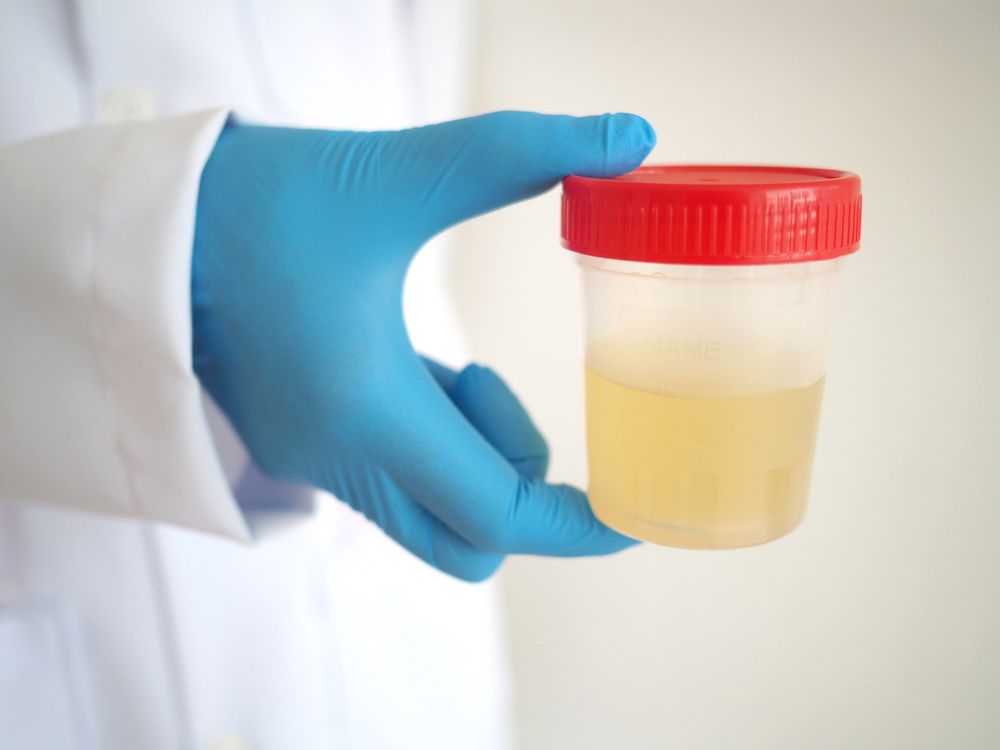
medical urine sample

Noticing blood in your dog’s urine is a scary sight for any dog owner. Some dogs pee blood while appearing otherwise completely well, while some dogs are showing signs of malaise or discomfort. The veterinary term for blood in urine is hematuria. There is a very long list of causes of hematuria in dogs. While in many cases it is something relatively benign that can be treated, in other cases it is a warning sign of a more sinister disease.

This article will explain what to do if you’ve noticed blood in your dog’s urine, as well as common causes and treatments for hematuria.

dogster face divider

Blood in Dog’s Urine: Three-Step Action Plan

If you’ve noticed blood in your dog’s urine and are wondering what to do, follow the below three-step plan:

  1. Take mental notes. This may help the vet decide what’s going on. Is your dog straining or vocalizing when they urinate? Are they passing more or less urine than normal? Have there been any changes to thirst or appetite prior to this?

  2. Collect a sample. Use a bowl, container, or jar to collect a urine sample while your dog pees. This can be tricky, but urine tests are one of the key diagnostic steps when investigating hematuria. Your vet will probably ask you to do this, as it can be tricky to collect urine samples once you’re at the vet clinic.

  3. Contact your veterinarian. Advise the clinic of the problem and arrange the soonest appointment possible. Your vet will start with a physical examination and may recommend some tests.

There are no at-home remedies or diagnostic tests to help a dog that is peeing blood. As there is a long list of possible causes, identifying the cause is very important.

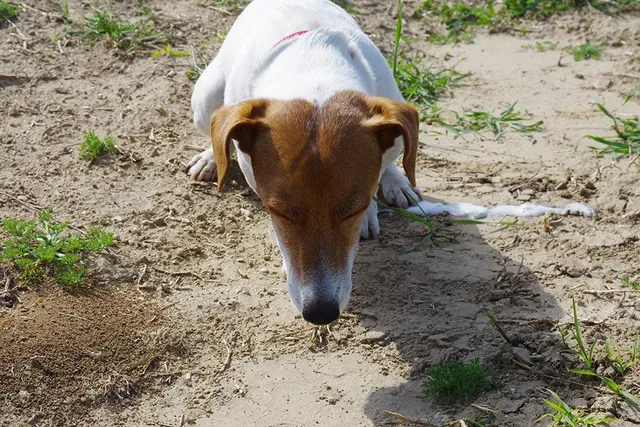
Image Credit: Pixel-Shot, Shutterstock

Signs of Blood in Urine

This one may sound straightforward, but there are several different ways that hematuria can manifest. Things to look for include:

  • Pink, red, or brown discoloration of urine
  • Straining to urinate
  • Passing small amounts of urine (or no urine at all)
  • Vocalizing when urinating
  • Urinating in unusual places (for example, in the house)
You are free to use this image but we do require you to link back to Dogster.com for credit

Causes of Blood in Urine

While it sounds simple, dogs that are peeing blood have a source of bleeding (or hemorrhage) somewhere in their urinary tract. We say somewhere because the source of bleeding can be anywhere from the kidneys and ureters to the bladder or urethra. Some common causes are summarized below:

If you’re concerned about your pet’s well-being, we recommend consulting a veterinarian.

How Is the Exact Cause Diagnosed?

There are four main ways in which the cause of hematuria is identified:

  1. History and physical examination. Your vet will start by asking you some questions and performing a thorough examination of your dog to look for any “clues” as to the cause.

  2. Urine tests. This is a crucial piece in any investigation into hematuria. Some urine tests can be performed in-house, while others need to be sent to a pathology lab. These tests confirm the presence of blood while looking for bacteria, inflammatory cells, and much more.

  3. Blood tests. These often go “hand-in-hand” with urine tests to check for clotting disorders, inflammation, kidney function, and more.

  4. Imaging. Some dogs with hematuria will require X-rays or ultrasound, allowing vets to visualize the urinary tract (particularly the bladder and kidneys). A small proportion of dogs will require advanced imaging (MRI or CT scans) if their disease is more complex.

Image By: Pressmaster, Shutterstock

How Is Blood in Urine Treated?

Treatment for hematuria is dependent on the underlying cause. Again, this emphasizes the importance of prompt veterinary attention. UTIs are generally treated with antibiotics and painkillers. Bladder stones need to be dissolved or surgically removed.

Bleeding disorders and snakebites generally require aggressive treatment and intensive care.

divider dog paws 4 oct 2024

Conclusion

If you’ve noticed blood in your dog’s urine, don’t waste time in seeking veterinary care. Thankfully, most causes of hematuria are relatively straightforward and can be treated with medications while your dog remains in your care at home.

See also:

Sources

Featured Image Credit: onstockphoto, Shutterstock

Want content like this delivered to you?

Sign Up For Our Newsletter

News, insights, expert advice, and everything dog

* By submitting, you agree to our Terms & Conditions and Privacy & Cookies Policy.

Dr. Joe Mallat DVM (Veterinarian)
Authored by

Dr. Joe Mallat DVM (Veterinarian)

Urinary Tract Infections (UTIs) in Dogs: Our Vet Explains the Signs, Diagnosis & Treatment

Urinary Tract Infections (UTIs) in Dogs: Our Vet Explains the Signs, Diagnosis & Treatment

Urinary tract infections, abbreviated UTIs, are a very common finding in dogs. We most commonly see this problem in female dogs, though male dogs can absolutel…

Dr. Kim Podlecki
By Dr. Kim Podlecki · 3 weeks ago
5 Common Urinary Issues In Dogs: Vet-Verified Facts & Identification Guide

5 Common Urinary Issues In Dogs: Vet-Verified Facts & Identification Guide

The urinary tract in dogs consists of two kidneys, two ureters, a bladder, and a urethra. It serves many imperative functions, such as filtering the blood to r…

Rachel Giordano
By Rachel Giordano · 1 week ago
Why Is My Dog's Pee Green? 5 Vet Reviewed Reasons & What to Do

Why Is My Dog's Pee Green? 5 Vet Reviewed Reasons & What to Do

Pet pee in the house is always frustrating, but you can find a silver lining to those moments when your dog has an indoor accident. Urine is one of many indica…

Nicole Cosgrove
By Nicole Cosgrove · 3 weeks ago
Dog Pee: Decoding Colors & Odors (With Vet-Approved Chart)

Dog Pee: Decoding Colors & Odors (With Vet-Approved Chart)

You can tell a great deal from the color and odor of your dog’s pee. The color of urine and any odors present may be your first indication that something is up…

Rachel Giordano
By Rachel Giordano · 3 weeks ago
June 17, 2026

Dog Diarrhea: Our Vet Discusses Signs, Causes & Treatment

Almost all dog owners have encountered diarrhea at some point in their dog's life. A variety of causes can lead to diarrhea in puppies and dogs. Luckily, most…

Dr. Emma Chandley BVM
By Dr. Emma Chandley BVM
Dog Diarrhea: Our Vet Discusses Signs, Causes & Treatment
June 29, 2026

Abnormal Dog Stool: Our Vet Discusses Signs, Causes & Treatment

Many dog owners might be uncomfortable having to think (or talk) about their dog’s bowel movements. But the truth is, a dog’s stool is a helpful tool as eviden…

Dr. Rachel Ellison
By Dr. Rachel Ellison
Abnormal Dog Stool: Our Vet Discusses Signs, Causes & Treatment

Love Dogs? So Do We! Join the Dogster Community

Stay informed with expert pet care insights delivered straight to your inbox! Discover professional guidance on animal behavior, feeding tips, trusted product picks, and much more.

You may opt-out at any time. View our Privacy Policy for more information.

The Dogster app on a phone