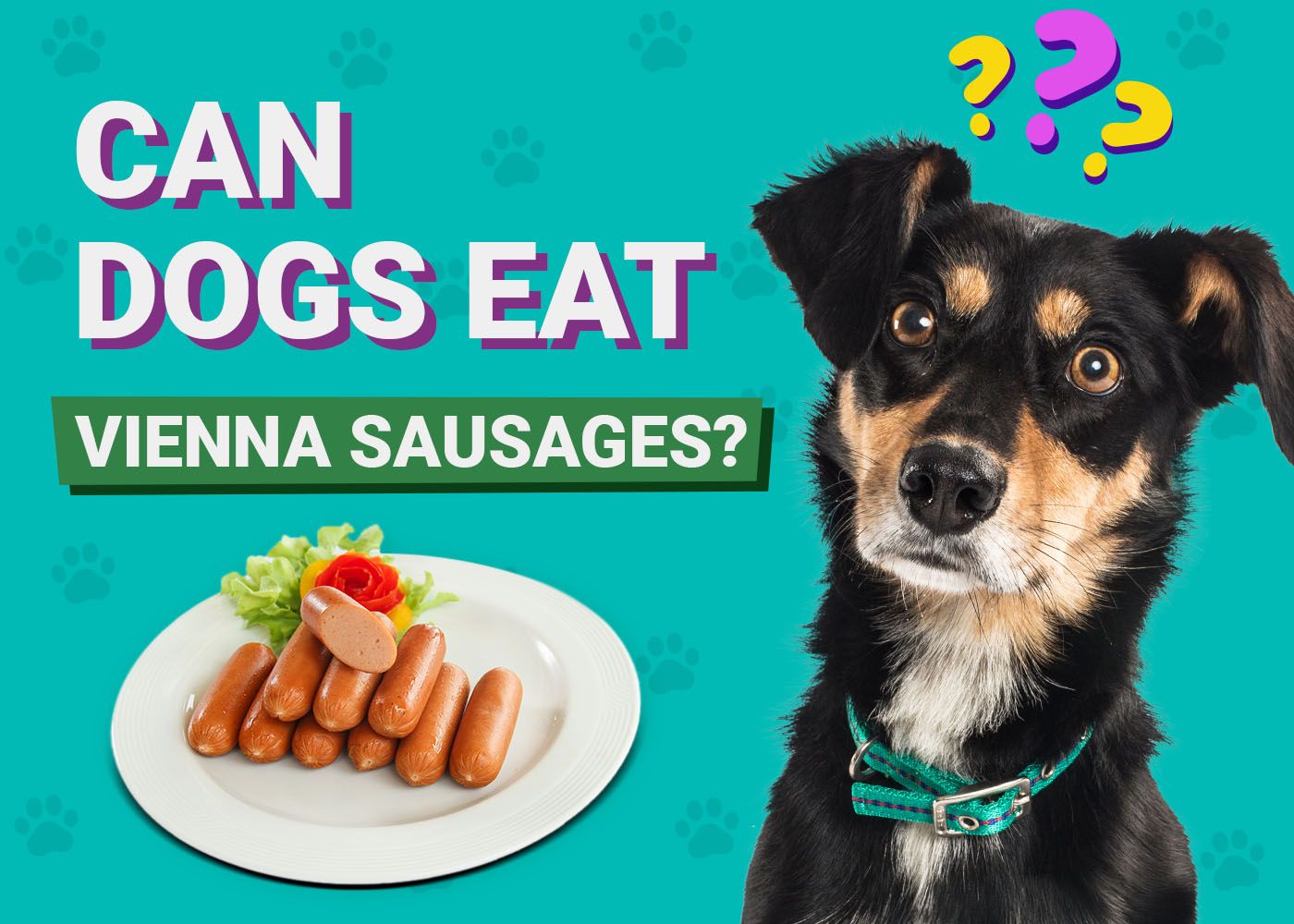
Can Dogs Eat Vienna Sausages? Nutrition Facts & FAQ (Vet Answer)

In this article
Even if you aren’t sure what to do with them, Vienna sausages are a sensible canned pantry staple for almost anyone. Savvy home cooks know these tasty, versatile morsels can help out anywhere, bringing fun and flavor to breakfasts, lunches, dinners, and all the appetizers in between.
Vienna sausages should stay on our plates and be kept out of dog’s bowls. Though they may get away with the occasional bite, dogs shouldn’t eat Vienna sausage as a frequent snack due to the unhealthy and potentially toxic ingredients.
Let’s find out why you should keep these delectable delights out of your pet’s dish as we explore whether dogs can eat Vienna sausages.

Why Can’t Dogs Eat Vienna Sausages?
A single bite of Vienna sausage likely won’t do much damage to your dog, but it isn’t a practical snack due to the ingredients and nutrient profile. Sensitive dogs may even suffer adverse effects from even a relatively small amount of sausage. Keep in mind the size of your dog matters when offering these treats. A single sausage would be considered a small serving for a Great Dane but would make a hearty meal for a Chihuahua.

What’s in Vienna Sausages?
The ingredients in Vienna sausage will vary depending on the brand and recipe. The sausages can contain 10-20% fat. Libby’s® Vienna Sausage incorporates the following ingredients:
- Mechanically separated chicken
- Chicken broth (may contain onions and garlic)
- Water
- Salt
- Spices (may contain onions and garlic)
- Beef
- Pork
- Sugar
- Sodium phosphate
- Sodium erythorbate
- Flavoring
- Sodium nitrite
- Garlic powder
Fat
Dogs need fat in their diet, but the amount of fat in sausages is too much to be considered healthy. Fat provides excess calories for your dog which can lead to weight gain. Since obesity is such a huge problem in our pets, most dogs will detriment from a high-calorie snack. Obesity puts your dog at risk of cancer, joint problems, anesthetic complications, and low quality of life. This is why you should always ensure your dog’s weight is healthy.
Another problem that comes with high-fat meals as well as obesity is pancreatitis. This is a painful condition characterized by inflammation of the pancreas that causes vomiting, diarrhea, lack of appetite, and, in severe cases, shock and diabetes. Some dogs are more prone to pancreatitis and even a one-off meal too high in fat could trigger it.

Toxic Ingredients
Plants of the Allium genus including garlic and onions are part of the potential ingredients in Vienna sausages. These plants contain sulfur compounds that are released when digested and cause damage to the membranes of red blood cells, priming them for breakdown. This is why onions and garlic are toxic to dogs and a common cause of hemolytic anemia. Anemia can lead to signs like pale gums, weakness, shock, rapid breathing, collapse, and even death in severe cases. No form of onion or garlic is safe for dogs, and the toxic effects can build up with chronic exposure over time.
Since the amount of onion and garlic in commercial sausages isn’t readily available, you should be on the cautious side and keep these ingredients out of your dog’s diet altogether.
Sodium Nitrite
The amount of sodium nitrite in these sausages is unlikely to cause any immediate harm to you or your dog, but you should be wary of this ingredient. At very high doses, sodium nitrite can make our pets severely unwell and has been implicated in the death of 3 cats.1 In humans, there are links between eating processed meat and certain kinds of cancer. Despite their usefulness as preservatives, nitrites have been labeled as probable carcinogens in people.

What Kind of Snacks Can Dogs Eat?
While sausages vary in size, ingredients, and flavors, none are ideal to feed your dog, as they are high in fat and may contain other toxic ingredients like garlic and onion. If you’re looking for some regular treats to add to your dog's diet some tasty and healthy options include:
- Boiled turkey or chicken breast
- Blueberries
- Boiled eggs
- Carrots
- A lick of Greek yogurt if they aren’t lactose intolerant
- Cooked, low-fat mince
- Boiled pumpkin
When offering treats, make sure they make up no more than 10% of your dog’s daily caloric intake.
Conclusion
The fat, garlic, onions, and preservatives in these Vienna sausages mean they should be kept firmly off your dog’s menu. You don’t need to worry if your dog has snuck a tiny bite, simply monitor them for any signs of illness. However, if your dog has guzzled down a lot of these sausages, they may experience an upset stomach or even more severe side effects, like pancreatitis or anemia. Call your vet or set-up a virtual vet visit for advice if you’re worried about how much your dog has eaten. We hope you’ve read this article before giving your dog anything, that way you can stick to the healthier treat options mentioned here!
Expert dog care, straight to your inbox
News, insights, expert advice, and everything dog.

No spam — unsubscribe anytime.
By signing up, you agree to our Terms & Conditions and Privacy & Cookies Policy.
How useful was this post?
Click a star to rate. You can leave written feedback afterwards. (We read all feedback.)
Dr. Ashley Darby BVSc (Veterinarian)
Dr. Ashley has worked in mixed and small animal emergency clinics and general practice ever since 2017 after studying Sydney University. She grew up in South Africa and England before moving to Australia, and her passion for animals came from many childhood safaris in the Kruger National Park.
Ash lives with her husband, two happy Springer Spaniels, and one very patient black cat. She also competes in equestrian sports with her horse, Atlas.