
Ask the Vet
Could not load archive posts. Please try again.

How to Prevent Regurgitation in Dogs: 6 Vet-Explained Causes & Helpful Tips
Regurgitation is defined as an action where something that was swallowed (usually food) is brought up again to the mouth. In dogs, this is also often accompani…


Epilepsy in Border Collies: Causes & Care Guide (Vet Answer)
Border Collies are historically working dogs; however, they are commonly chosen as household pets. Border Collies are a medium-sized, athletic breed. They are…


Kennel Cough vs. Collapsed Trachea: How to Tell the Difference (Vet Answer)
A cough is a cough, right? There are actually many kinds of coughs in dogs, which is important to note, as different kinds of coughs need different kinds of tr…

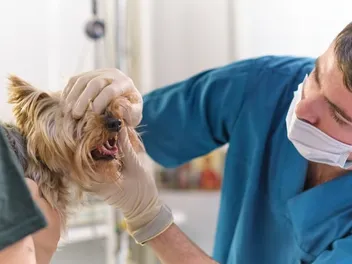
Laryngeal Paralysis in Dogs: Our Vet Explains Causes, Signs & Treatment
The larynx is composed of arytenoid cartilage, which helps close off the trachea when a dog eats or drinks, protecting the lungs from the inhalation of foreign…

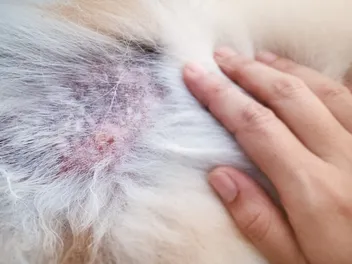
Dog Food Allergies vs. Intolerance: Our Vet Busts Myths & Misconceptions
Food allergy and intolerance are terms that are often used interchangeably but are actually quite different. From itchy skin to an upset tummy, what your dog e…


Parvo in Dogs: Our Vet Explains Causes, Signs & Treatment
Canine parvovirus is one of the most devastating viral diseases to affect dogs, second only to rabies. It is also one of the most preventable. If you have ever…

IV Fluids for Dogs: Our Vet Explains Types & Reasons Why They May Be Needed
Intravenous (IV) fluids are commonly used in veterinary medicine for dogs who need fluid therapy quickly to either help prevent health problems or to treat dis…


Can Dogs Be Allergic to Humans? The Surprising Vet Answer
People who have allergies usually present watery eyes and runny noses, sneezing, and scratching. Similarly, dogs can be allergic to pollen and food, as well as…
