In this article
View 2 More +People vary in their taste in dogs. On one end, you have owners who prefer the toy and trendy “teacup” breeds like Chihuahuas and Toy Yorkshire Terriers. On the opposite end of the spectrum, owners go for giant breeds like the Giant Schnauzer, Great Dane, and Irish Wolfhound.
Not everyone wants extremes, however. The medium-sized breeds that exist somewhere in the middle coming in between 25 and 60 pounds, can be just as popular. Here are 30 medium-sized dog breeds to consider adopting into your family.

How Are Medium-Sized Dogs Classified?
“Medium” has a wide definition in terms of size, ranging from the 25-pound small-medium dogs (playfully called smedium doggos) like the Corgi to medium breeds on the verge of being large, like the Dalmatian. Naturally, they fall into a range of AKC groups, including the Hound, Working Group, Sporting, Terrier, and Non-Sporting, all with different histories and characteristics.
The 30 Medium-Sized Dog Breeds
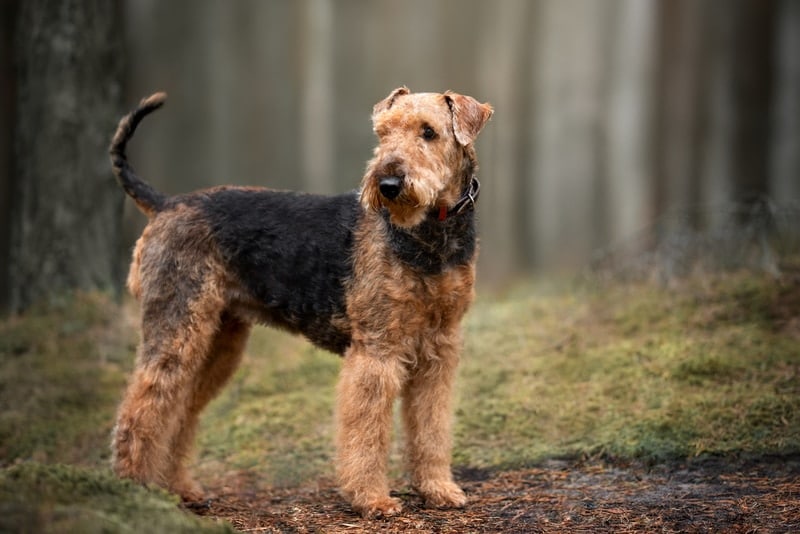
1. Airedale Terrier
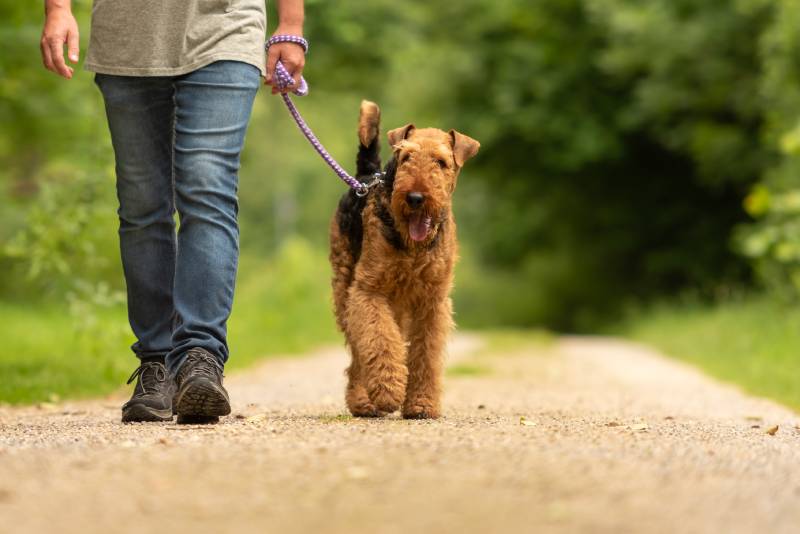
| Origin: | Yorkshire, England |
| Lifespan: | 10–12 years |
| Height: | 22–24 in |
Nicknamed the “King of the Terriers,” the Airedale Terrier is one of the most versatile dog breeds. The largest of the terriers, Airedales have been used as canine athletes, hunters, and companion dogs throughout their history. Airedales can be docile and patient family pets, but they can have the stubborn streak that’s common among other terriers.
2. Alaskan Klee Kai
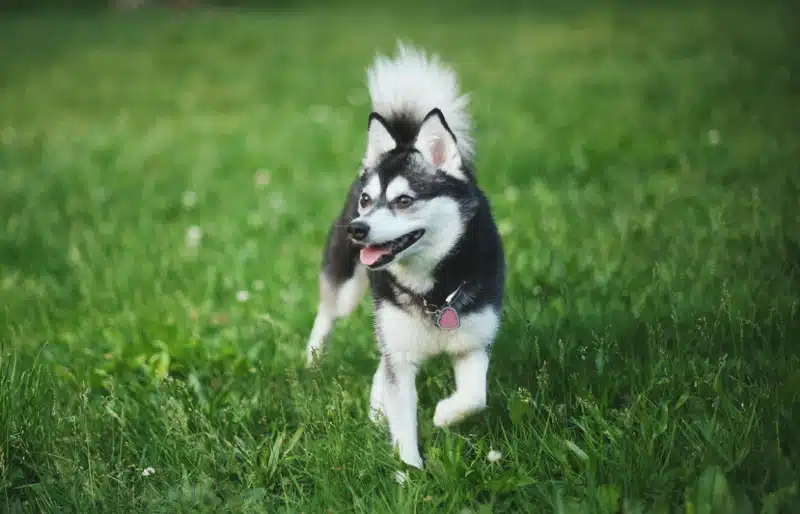
| Origin: | United States |
| Lifespan: | 12–16 years |
| Height: | 15–17 in |
The Alaskan Klee Kai is a spitz-type dog that was developed in the late 20th century as a companion-sized version of the larger Alaskan Malamute and Siberian Husky breeds. These dogs share a lot of similarities with their larger counterparts, including a striking coat pattern, thick, fluffy coat, and physical traits of northern breeds like a sickle-shaped tail and erect ears. Their personality traits also mimic those of other northern breeds, including a reserved attitude toward strangers and an energetic and playful nature with family.
3. American Foxhound
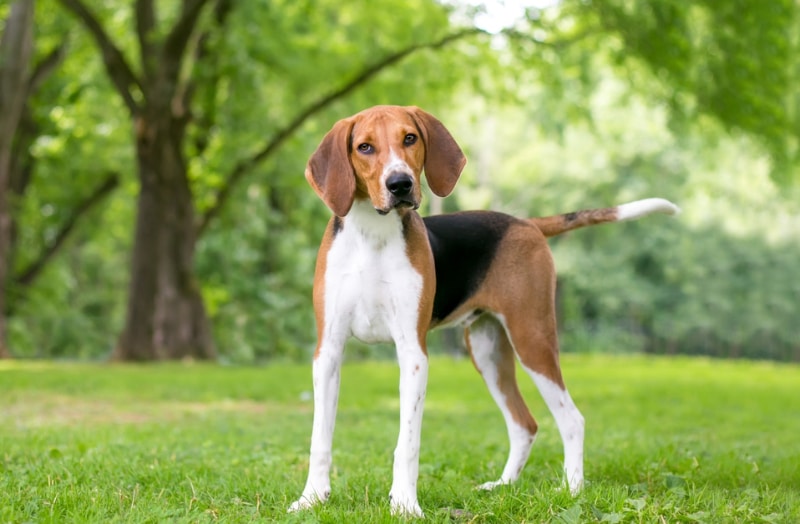
| Origin: | United States |
| Lifespan: | 10–12 years |
| Height: | 21–25 in |
The American Foxhound is a scent hound that closely resembles their English cousin, the English Foxhound. As the name suggests, Foxhounds were bred to hunt foxes by scent. The AKC credits George Washington as the “Father of the American Foxhound” for his contributions to the breed’s early development. Among hunting breeds, Foxhounds are good-natured, low maintenance, and easygoing, but they do need owners who can keep up with their energy needs.
4. American Staffordshire Terrier

| Origin: | United States |
| Lifespan: | 12–16 years |
| Height: | 17–19 in |
The American Staffordshire Terrier is a descendant of the fighting and baiting dogs that were common in Great Britain in the 18th and 19th centuries. The modern Staffy is a smart, confident, and easygoing companion with a muscular body and agile movements. These dogs are easy to train, but they need an owner with some experience to direct their natural athleticism and energy into productive activities.
5. Australian Cattle Dog
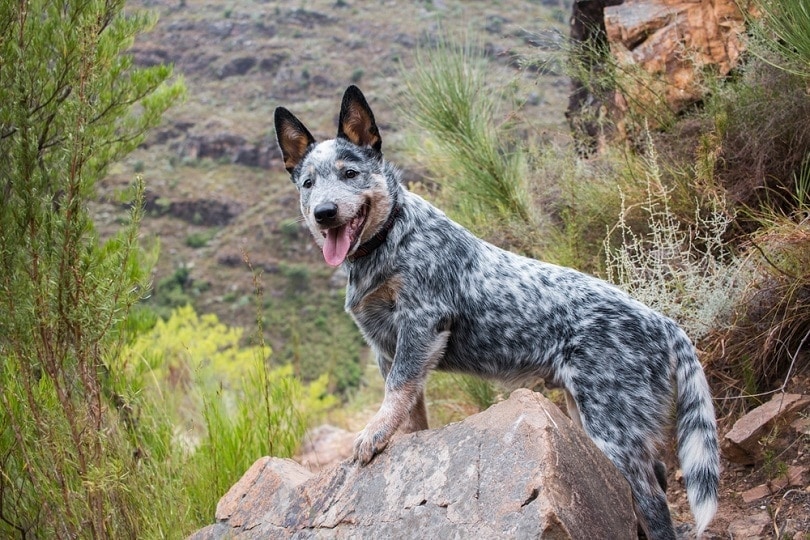
| Origin: | Australia |
| Lifespan: | 13–15 years |
| Height: | 17–20 in |
The Australian Cattle Dog, otherwise known as a Blue or Red Heeler or Queensland Heeler, is a robust Australian herding dog that developed from British droving breeds and the wild Dingo. These dogs desire work and have the intelligence to outsmart their owners. If they’re allowed to get bored, Heelers can develop destructive behaviors.
6. Australian Kelpie

| Origin: | Australia |
| Lifespan: | 12–15 years |
| Height: | 17–20 in |
The Australian Kelpie is a sheepdog that was bred in Australia to work farms. Like other herding dogs, they are intelligent, loyal, and energetic, with a strong desire to control livestock. As non-working dogs, Kelpies need tons of exercise and playtime to burn off energy and avoid boredom.
7. Australian Shepherd
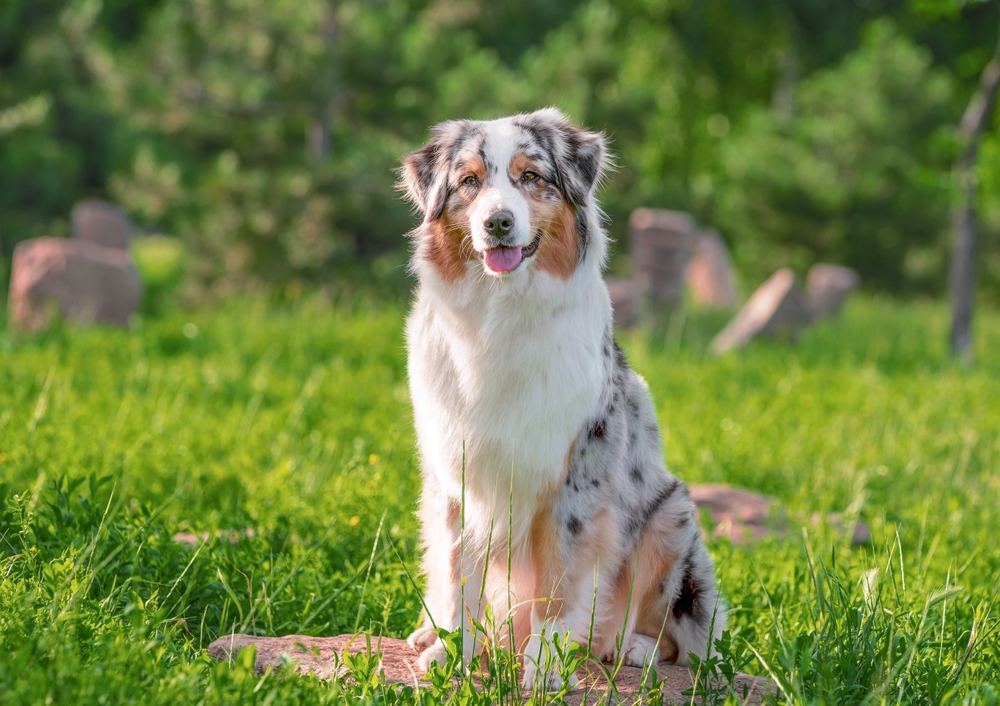
| Origin: | United States |
| Lifespan: | 13–15 years |
| Height: | 18–23 in |
Despite the name, the Australian Shepherd is a herding breed that was developed in the United States. In addition to working cattle, Australian Shepherds have been a mainstay in the rodeo circuit and have a strong association with cowboys and the American West. With their work ethic and intelligence, Aussies are a good fit for experienced dog owners who are looking for a work or sport partner more than a companion.
8. Basset Hound
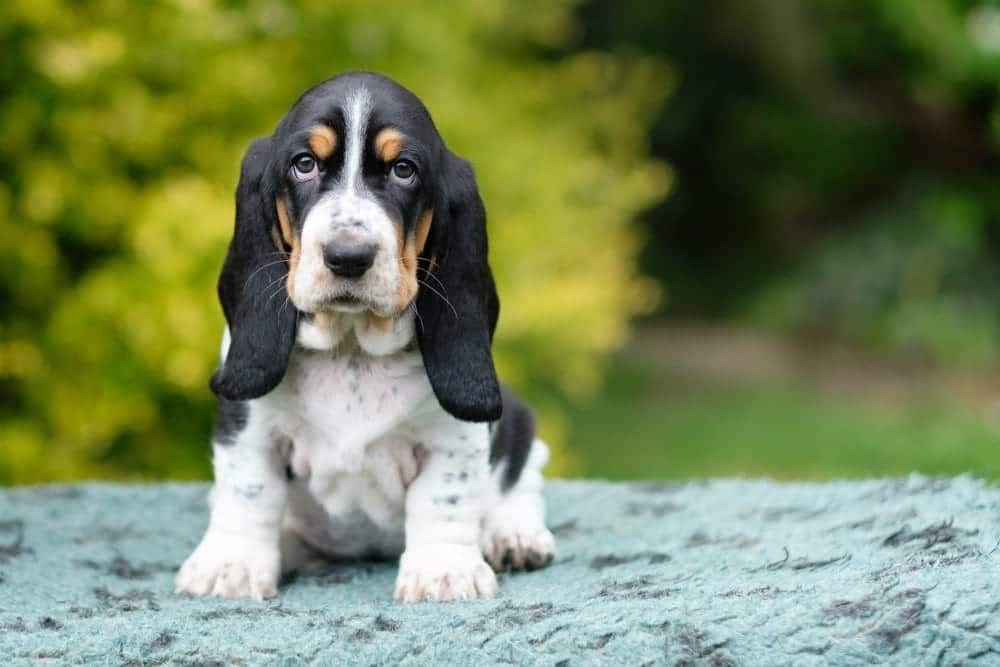
| Origin: | France, Great Britain |
| Lifespan: | 10–12 years |
| Height: | 11–15 in |
The Basset Hound is a short scenthound that was bred to hunt hares. In scenting abilities, they fall only behind the Bloodhound. These dogs aren’t as active as some of the hunting breeds, but they do require regular exercise to stay happy. They’re also known for a stubborn streak that can make training challenging.
9. Bluetick Coonhound

| Origin: | United States |
| Lifespan: | 11–12 years |
| Height: | 21–27 in |
The Bluetick Coonhound is a coonhound that originated in the United States as a raccoon hunting dog. Charming and affectionate, the Bluetick Coonhound is often kept as a family dog. One of the challenges with a Bluetick Coonhound is the array of vocalizations they developed as hunters, including bell-like calls and ringing barks. This breed can be considered on the larger side of medium dogs, so keep that in mind if you do want one.
10. Bull Terrier
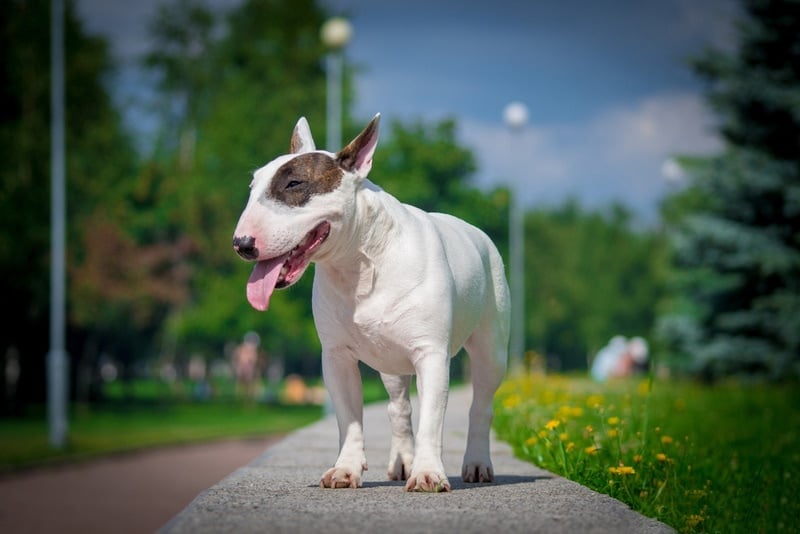
| Origin: | England |
| Lifespan: | 10–14 years |
| Height: | 12–16 in |
More mischievous and playful than tough and intimidating, the Bull Terrier was bred as a ratter and for bloodsports. Now, these dogs are primarily companion dogs and alert dogs, though they need strong training to overcome their independent and stubborn streak.
11. Bulldog
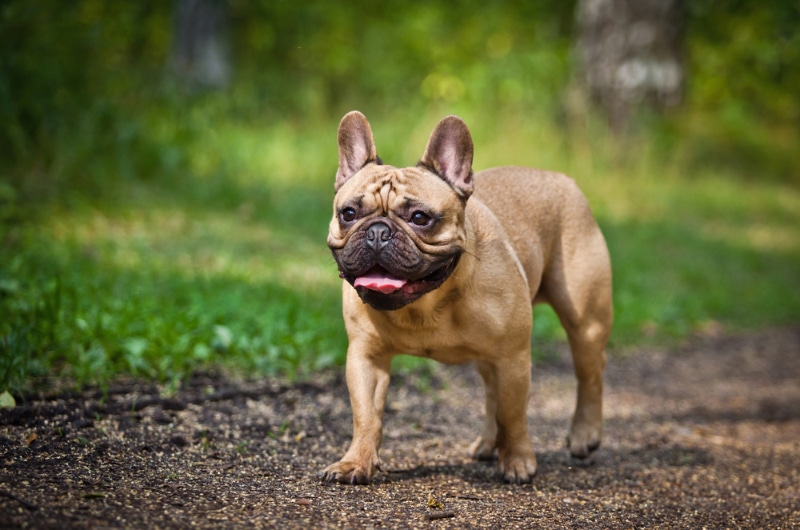
| Origin: | England |
| Lifespan: | 8–10 years |
| Height: | 12–16 in |
Known for a low-slung carriage and a “sour mug” face, the Bulldog is routinely used as a mascot symbolizing courage and tenacity. These dogs are loyal and docile, often preferring to lounge around the house. While easygoing, Bulldogs were bred to be fighters, so they need consistent training to avoid problem behaviors. With that said, they can be incredible companions.
12. Cardigan Welsh Corgi
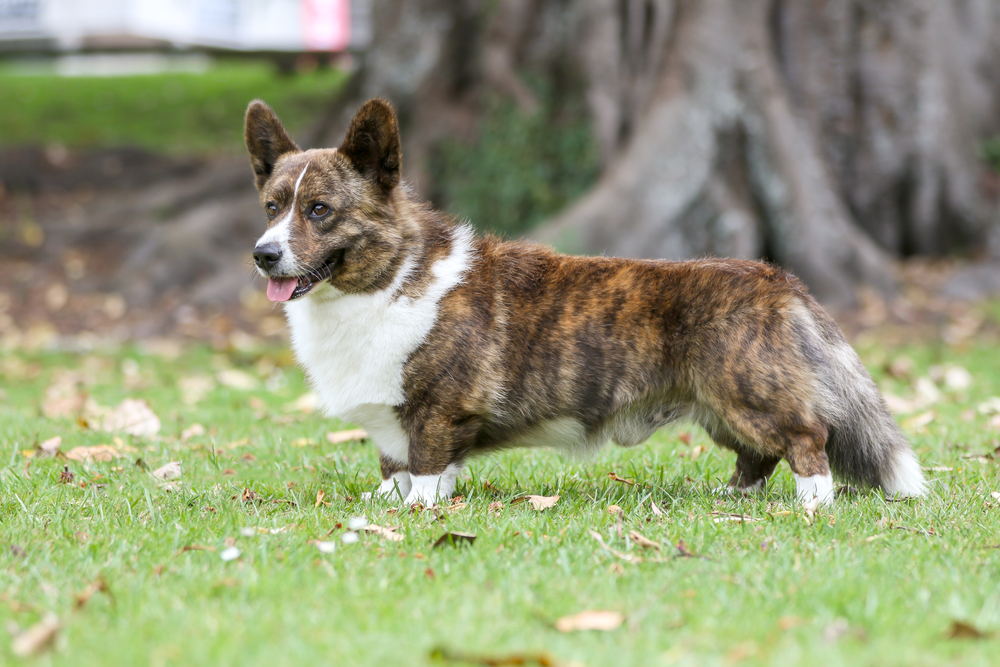
| Origin: | Cardiganshire, Wales |
| Lifespan: | 12–15 years |
| Height: | 10–13 in |
The Cardigan Welsh Corgi is one of the two Corgi breeds. They originated in Cardiganshire as working dogs for cattle ranchers. They have low stature because of their dwarfism, but they’re remarkably powerful and agile while working.
13. Carolina Dog
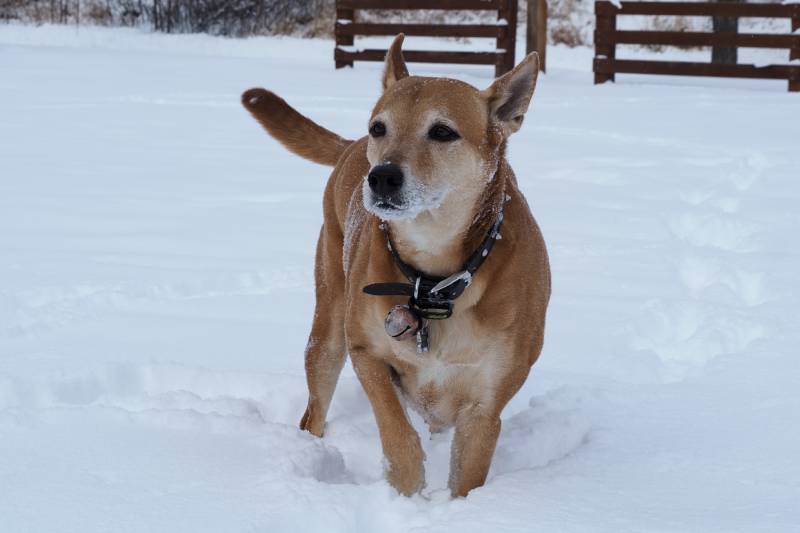
| Origin: | United States |
| Lifespan: | 8–10 years |
| Height: | 17–19 in |
Carolina Dogs are descendants of the canines that accompanied Paleo-Indians on their travels across the Bering land bridge. They still roam the southeastern coast of the US and resemble a jackal or wolf with a curved tail and fox-like snout. Because of their primitive nature, Carolina Dogs are shy and suspicious until they get to know someone.
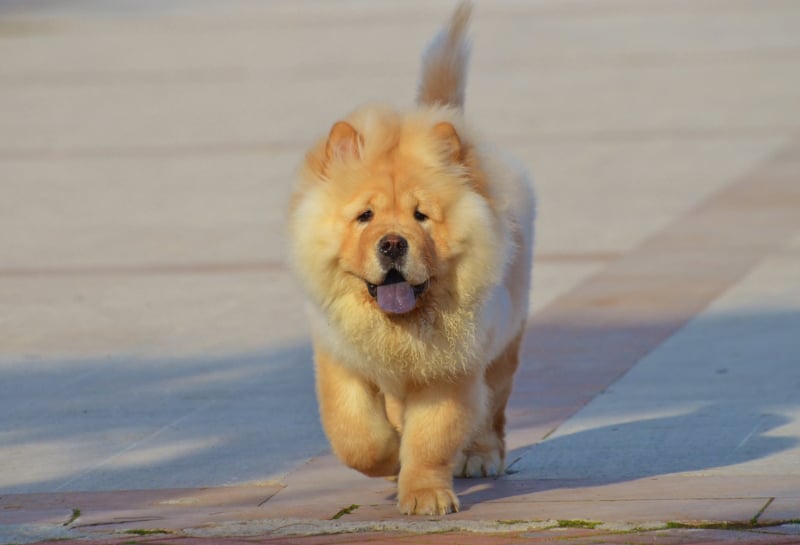
14. Chow Chow
| Origin: | China |
| Lifespan: | 9–15 years |
| Height: | 19–22 in |
The Chow Chow is an all-purpose Chinese breed that resembles a small lion. Their thick, fluffy coats cover a strong and compact frame that made them excellent guardian dogs. Known to be as meticulous as cats, Chows are powerful, low-maintenance dogs that enjoy a life of leisure.
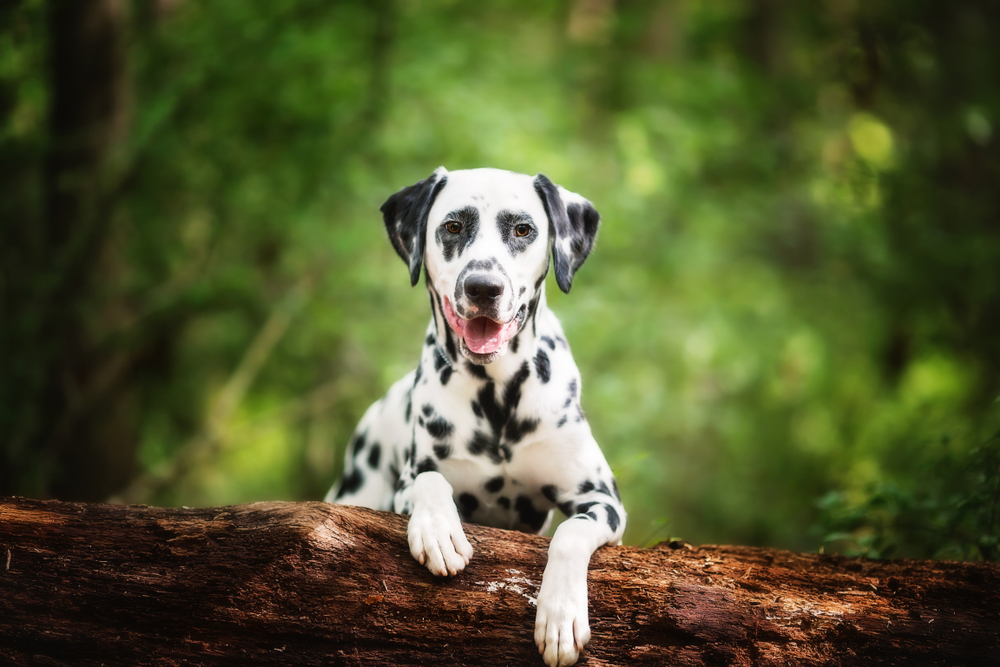
15. Dalmatian
| Origin: | Dalmatia |
| Lifespan: | 10–13 years |
| Height: | 22–24 in |
Known for their distinctive spotted coats immortalized by Disney, Dalmatians have a unique history as coach dogs for nobility, Roma, and firefighters. They’re elegant, non-sporting dogs, but that doesn’t mean they aren’t strong, agile, and fast. As protectors of coach horses, Dalmatians are alert and dependable watch dogs.
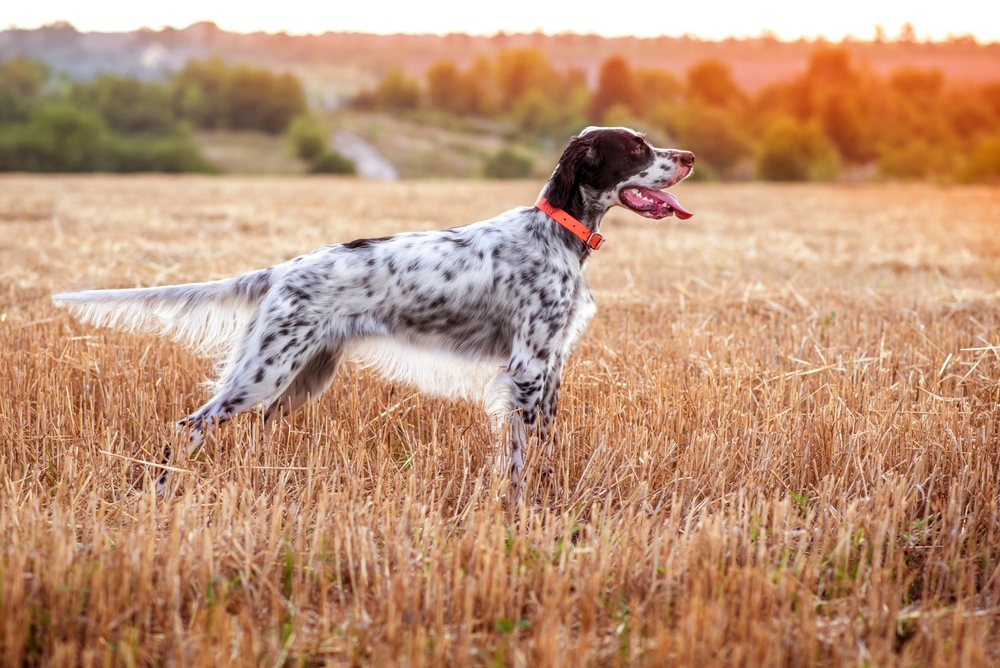
16. English Setter
| Origin: | England |
| Lifespan: | 12 years |
| Height: | 23–27 in |
The English Setter is a medium-sized sporting dog that’s prized for their good looks and hunting prowess equally. Developed to work in varied English terrain, English Setters are graceful and gentlemanly hunters who get along well with people and other dogs.
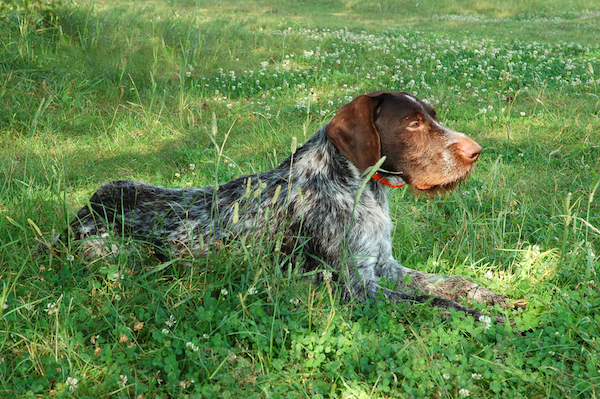
17. German Wirehaired Pointer
| Origin: | Germany |
| Lifespan: | 12–14 years |
| Height: | 22–26 in |
The German Wirehaired Pointer is a versatile mid-sized gundog that lives for the outdoors. With a wiry coat that resists any kind of inclement weather and harsh terrain, the Pointer is a perfectly purpose-built hunter. Though determined and resilient workers, German Wirehaired Pointers like to spend time lounging about and playing with their human companions off duty.
18. Hokkaido
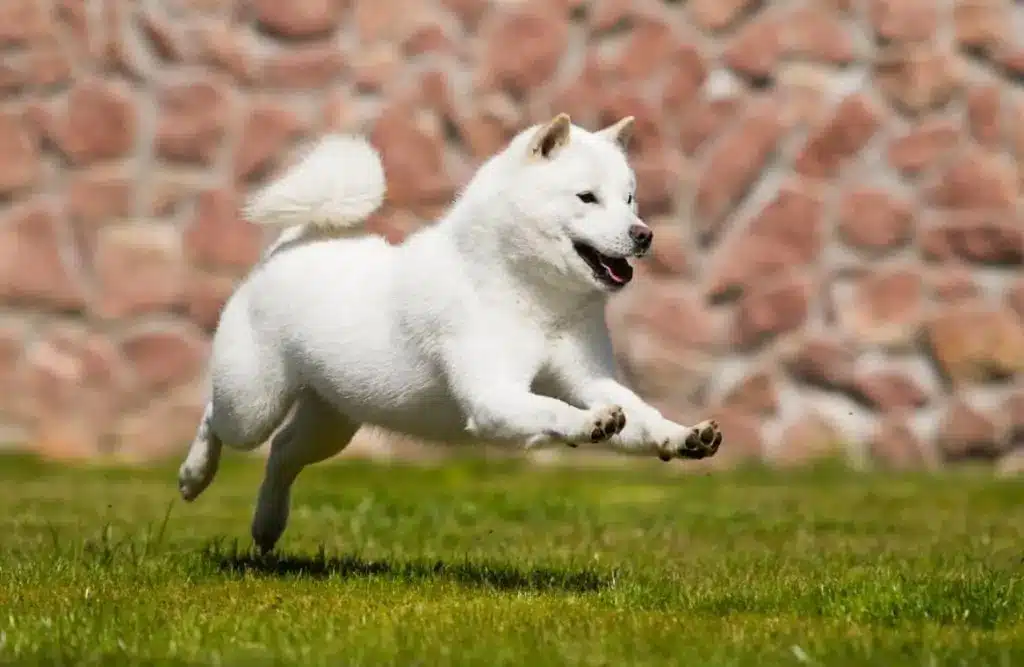
| Origin: | Hokkaido, Japan |
| Lifespan: | 12–15 years |
| Height: | 18–20 in |
The Hokkaido is an extremely rare, ancient Japanese breed that originated in the region of the same name. Evolving alongside the Ainu people, Hokkaido were prized for their loyalty, bravery, and problem-solving abilities. Like their owners, Hokkaido hunted bears and deer in the extremely cold northern climate.
19. Icelandic Sheepdog
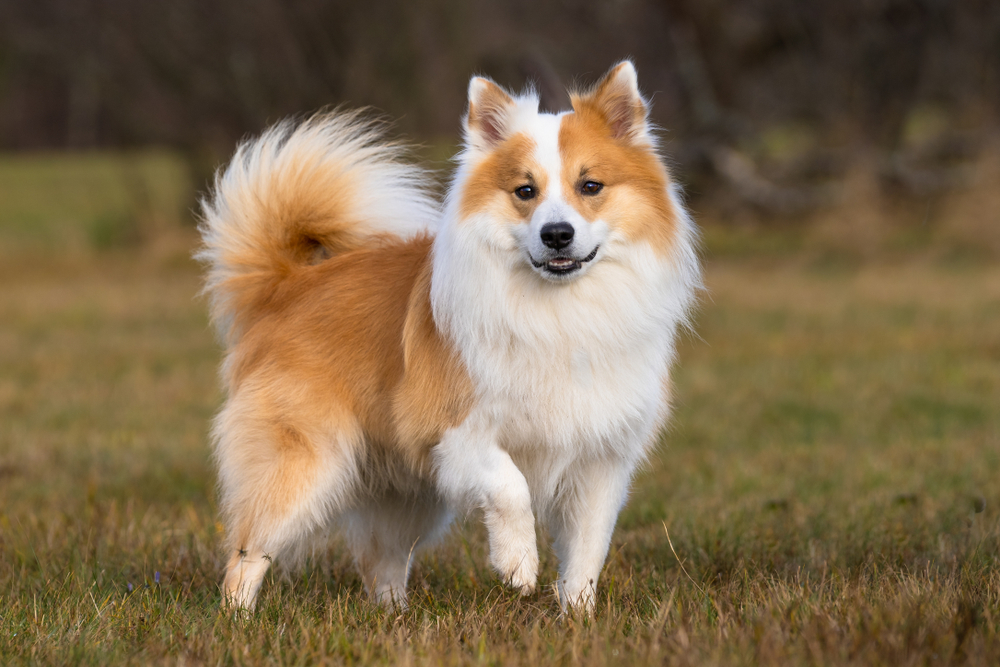
| Origin: | Iceland |
| Lifespan: | 12–15 years |
| Height: | 17–18 in |
The Icelandic Sheepdog is the only native Icelandic breed and a perfect example of a medium-sized Nordic spitz. These herding dogs show spitz traits like a fox face, pointed ears, a curled tail, and a dense coat that helps them withstand the punishing cold of the north. After generations of travels with their owners, Icelandic Sheepdogs are among the most loyal dog breeds.
20. Keeshond
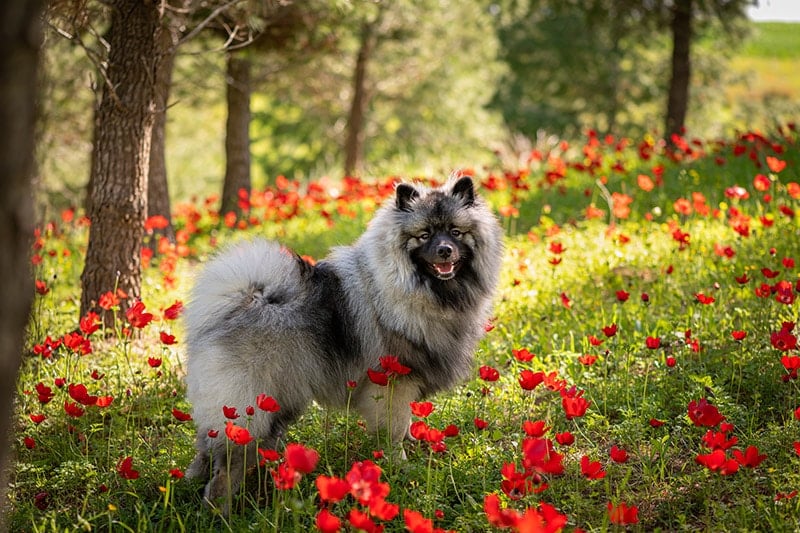
| Origin: | Holland |
| Lifespan: | 13–15 years |
| Height: | 17–18 in |
The Keeshond is another spitz-type that originated in Holland as a companion for canal barges. The breed is still a symbol of Dutch patriotism, sharing the same characteristics as other ancient spitz stock like Samoyeds and Pomeranians—a foxy face, pointed ears, and a plumed tail. Another unique trait is the “spectacled” look that the dogs have from their eye markings.
21. Norwegian Elkhound
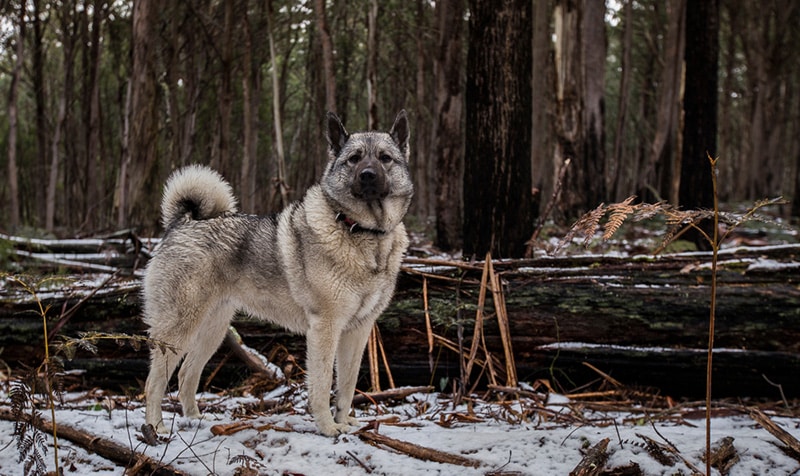
| Origin: | Norway |
| Lifespan: | 12–15 years |
| Height: | 19–20 in |
The Norwegian Elkhound is a fluffy, dignified spitz breed and one of Europe’s oldest hunting breeds. They were a fixture on Viking voyages and showed up throughout Norse art, history, and folklore. Like other northern breeds, Elkhounds are reserved until they develop a bond with people.
22. Nova Scotia Duck Tolling Retriever
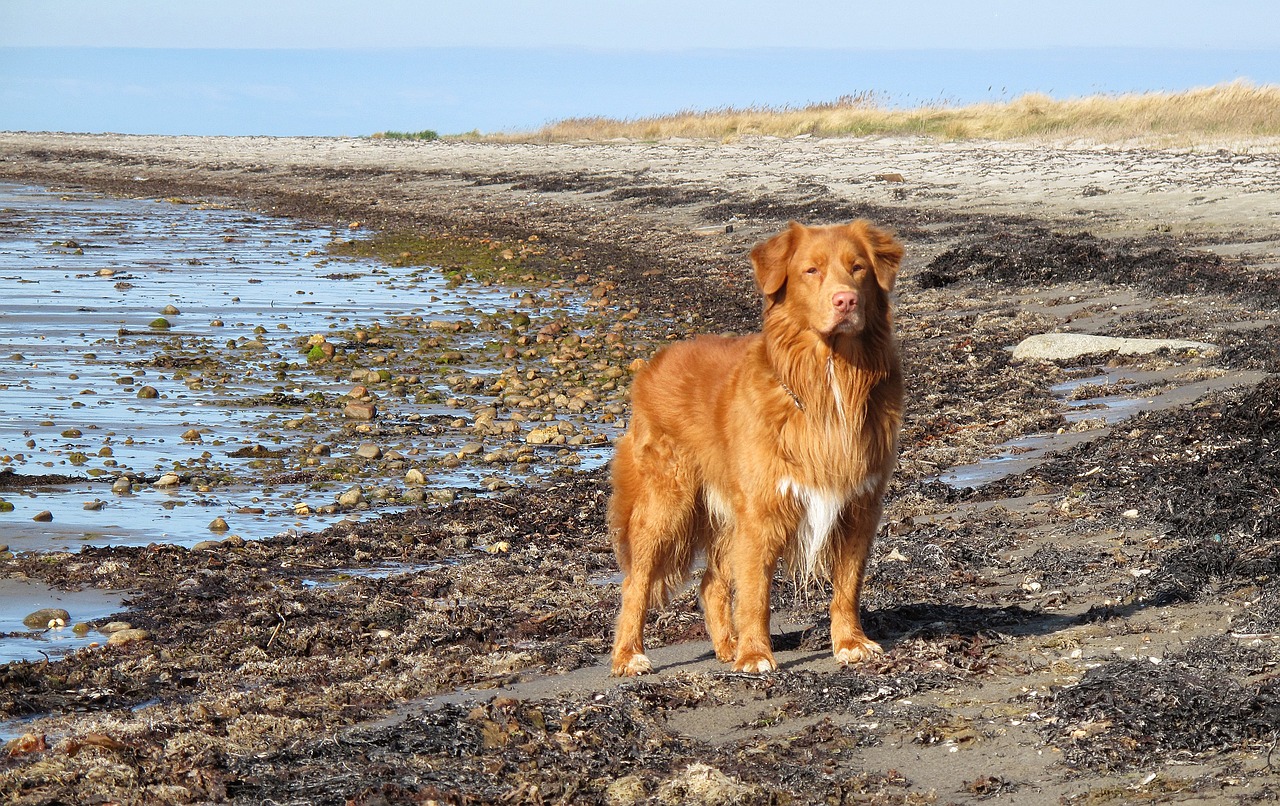
| Origin: | Nova Scotia |
| Lifespan: | 10–14 years |
| Height: | 12–16 in |
The smallest of the retrievers, the Nova Scotia Duck Tolling Retriever is a tireless gundog that’s perfectly adapted to hunting near water. They’re short and athletic, capable of hunting, running, and swimming to pursue their catch. They even have webbed feet!
23. Pembroke Welsh Corgi
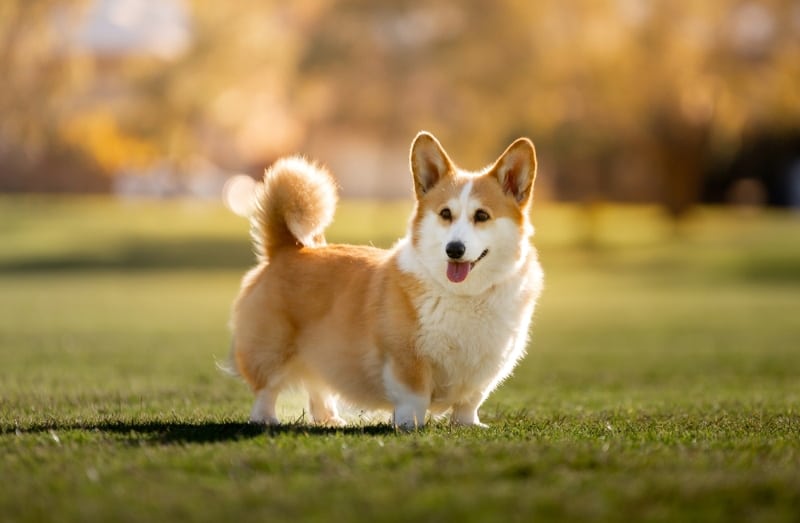
| Origin: | Pembrokeshire, Wales |
| Lifespan: | 12–15 years |
| Height: | 10–13 in |
The Pembroke Welsh Corgi is the other Corgi breed. Developed in Pembrokeshire as a herding dog, these dogs are also dwarf dogs that are “a big dog in a small package.” They have short, muscular legs and remarkable agility, as well as bravery and independence when performing their work.
24. Pharaoh Hound
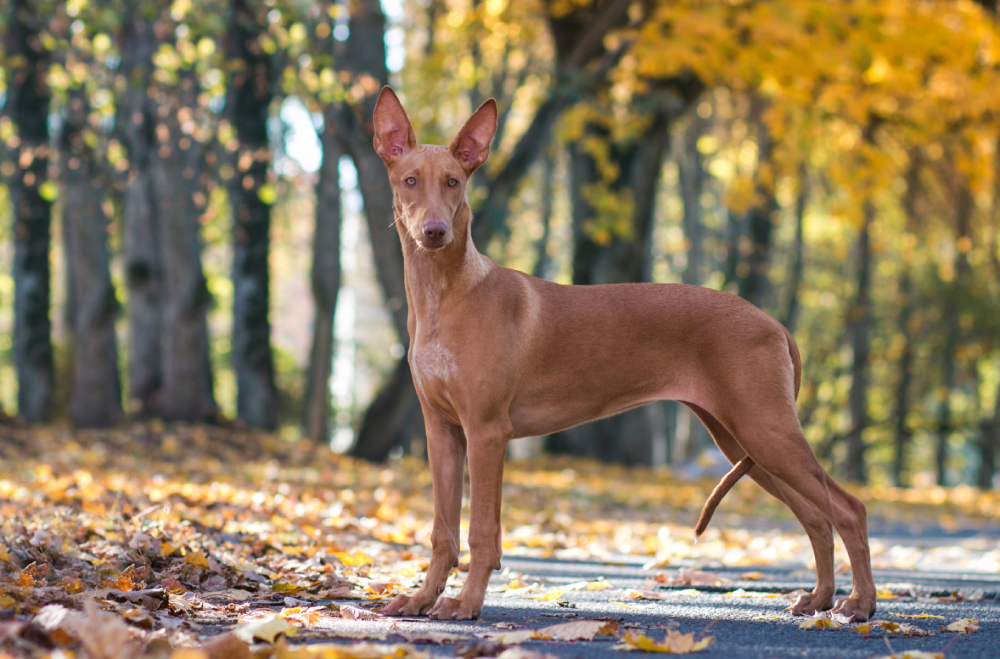
| Origin: | Malta |
| Lifespan: | 11–14 years |
| Height: | 12–16 in |
The Pharaoh Hound, also known as the “Blushing Dog” of Malta, is an elegant and fast hound bred to course game. They have a resemblance to sighthounds with a sleek, aerodynamic body that can keep up with rabbits. Developing on the rocky terrain of the islands, the Pharaoh Hound is an incredible agility competitor.
25. Spanish Water Dog

| Origin: | Spain |
| Lifespan: | 10–14 years |
| Height: | 15–20 in |
The Spanish Water Dog was produced in Spain as a general-purpose sheepdog and guard dog. However, they get their name for their inexhaustible ability to retrieve waterfowl. Their thick wooly curls protect them against extreme cold and wetness, which helps for gunwork and herding.
26. Standard Poodle
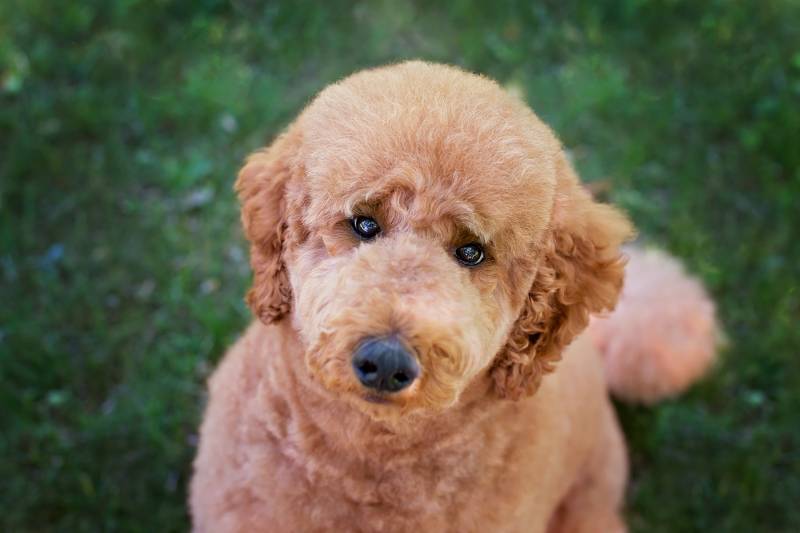
| Origin: | France, Germany |
| Lifespan: | 12–15 years |
| Height: | 18–24 in |
Poodles come in Standard, Miniature, or Toy varieties with similar looks and proportions, but the Standard is the only medium-sized Poodle. A fixture in the circus and show rings, Poodles were bred as hunters and demonstrated incredible strength and agility. They’re also one of the smartest dog breeds and the easiest to train, but they may outsmart you if you’re not careful.
27. Swedish Lapphund
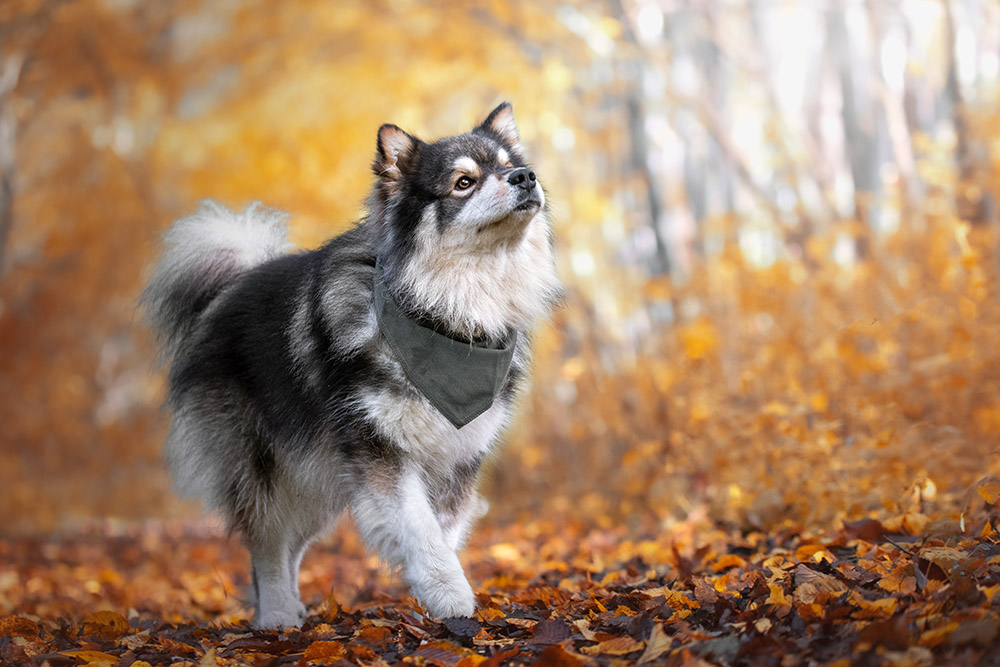
| Origin: | Sweden |
| Lifespan: | 12–14 years |
| Height: | 16–20 in |
The Swedish Lapphund is a fluffy work dog that was used to herd in the reindeer trade. These versatile dogs now work in tracking, herding, agility, obedience, and more, and they’re perfectly content as happy-go-lucky family companions. Though they can relax, Lapphunds need regular exercise and mental stimulation to prevent problem behaviors.
28. Taiwan Dog
| Origin: | Taiwan |
| Lifespan: | 10–13 years |
| Height: | 19–20 in |
Also known as the Formosan Mountain Dog, the Taiwan Dog is on the smaller end of the medium-sized dog range. They evolved to work in the uneven and thickly forested terrain of Taiwan, and their smaller size makes them more agile in pursuing small game. As a semi-feral breed that evolved alongside humans, Taiwan Dogs have a natural hunting ability and strong connections with their owners.
29. Whippet
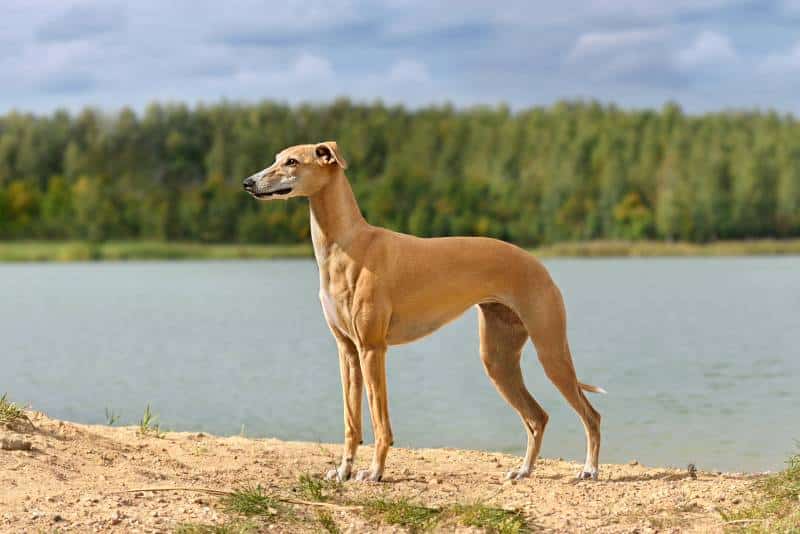
| Origin: | Great Britain |
| Lifespan: | 12–15 years |
| Height: | 18–22 in |
A relative of the Greyhound, the Whippet is a sleek, medium-sized sighthound that’s been dubbed the “Poor Man’s Racehorse.” Whippets are streamlined, lightning-fast dogs that enjoy running and chasing, but they’re happy to lounge around for long periods as companion dogs.
30. Wirehaired Pointing Griffon
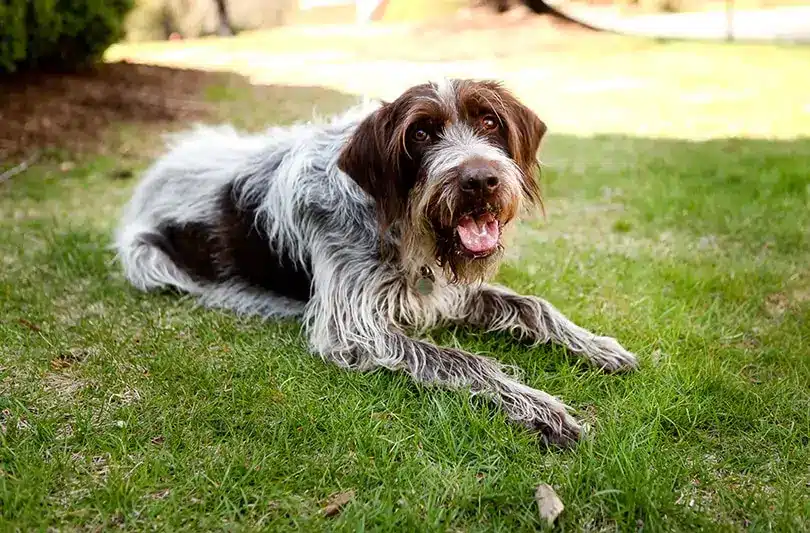
| Origin: | Netherlands, France |
| Lifespan: | 10–12 years |
| Height: | 20–24 in |
The Wirehaired Pointing Griffon is a quick-witted, all-purpose gundog. These hardworking sport dogs have a unique and attractive look with a harsh, bristly coat that makes them look scruffy all the time. With a long hunting history, Griffons are honest, loyal, and stoic in the field and as companions.
Conclusion
Whether you want an athlete, a companion, or a hunting partner in a smaller package, medium-sized dogs run the gamut. They’re a perfect “happy medium,” neither delicate nor unmanageable in size, for the right owner.
See also:
- Top 10 Red Dog Breeds: Big, Small & Fluffy (With Pictures)
- 5 Dog Breeds That Can Be Different Sizes: Pictures, Facts & Info
Featured Image Credit: otsphoto, Shutterstock