How to Train a Working Dog: 9 Vet-Approved Tips


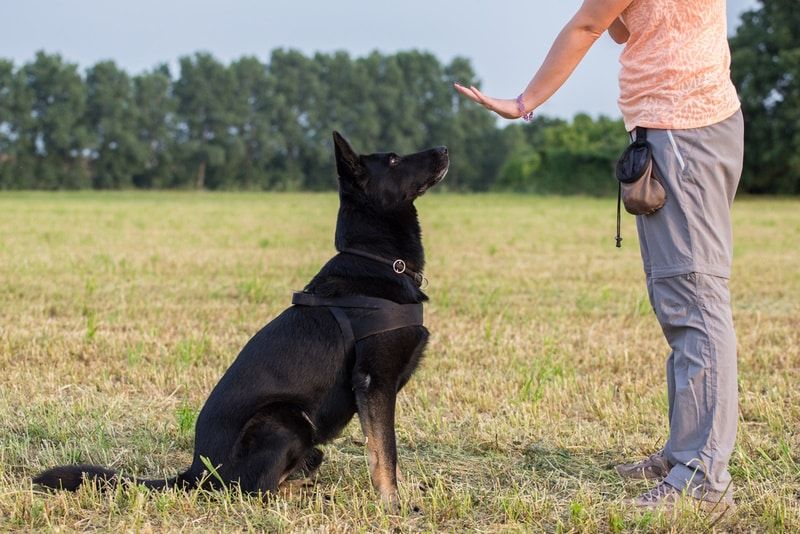
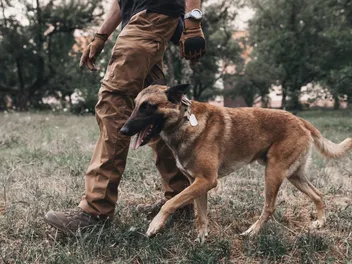
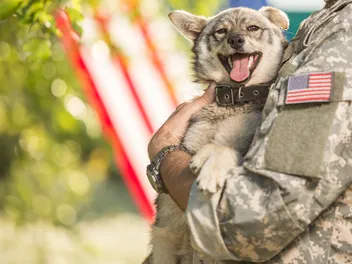
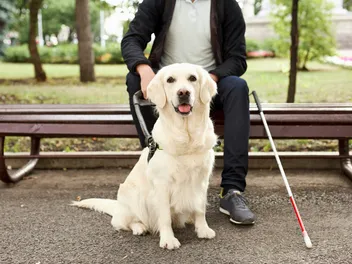
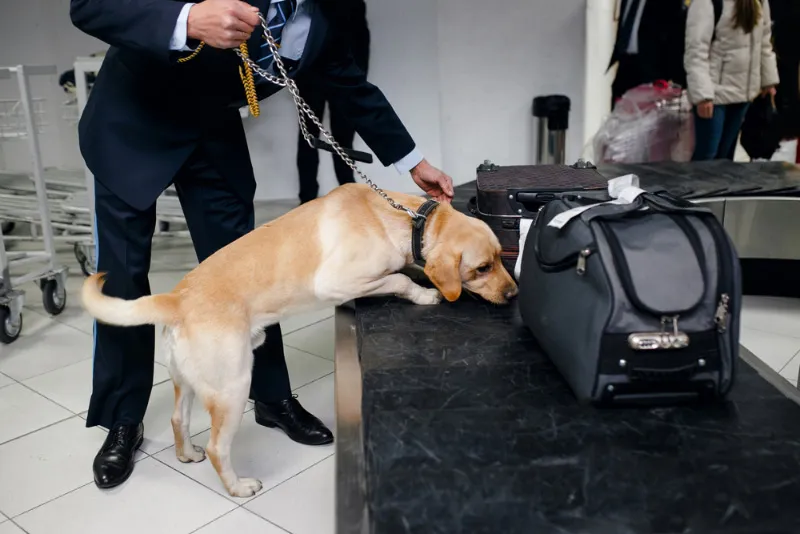
Dogs can do incredible things. You can find dogs working in jobs all over the world. Dogs can be search and rescue animals, helping find people trapped in rubble. They can sniff out drugs and explosives. Dogs can also help the vision impaired or people suffering from seizures to live a more normal life. These jobs are complicated and require intensive training. In fact, for some of these working dog skills, both the dog and the handler need to be trained by professionals. Since the dog and handlers work together with constant feedback, it is important to learn and understand the basis of their training. Every professional working dog started somewhere. If you want to get some tips on how to train a working dog, you have come to the right place. Working dog training is difficult, and it can take a long time to accomplish. This specialized training will improve your bond with your dog, and the results can be spectacular. If you want to start training a working dog, you need to learn these nine tips for the best results.

The 9 Tips for Training a Working Dog
1. Define the Job
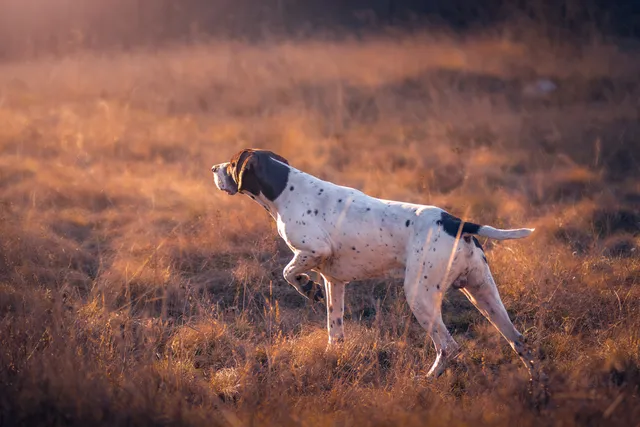
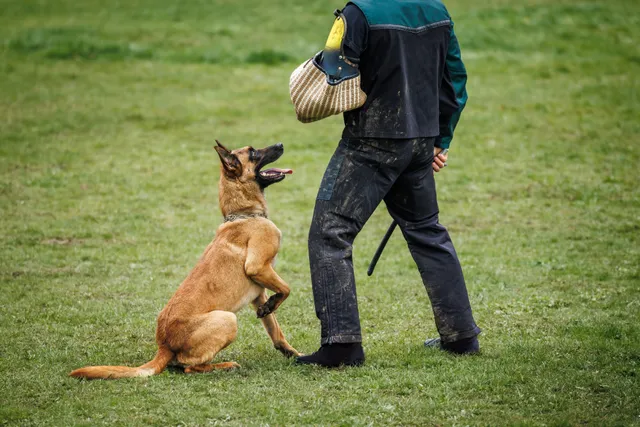
The first thing you want to do when training a working dog is to define the job you want them to do. Defining the job will help allow you to focus on the primary skills of your dog so you can tailor their training to your exact specifications. Is your dog a hunting dog? Is it a tracking dog? Do you want your dog to retrieve things? These types of categories have some overlap, but tracking dogs don’t necessarily need retrieval skills, and retrievers don’t necessarily need to take down prey. You should try to keep your dog’s job narrow and limited in some ways. That will allow them to become experts in a particular field rather than committing to training that might not necessarily be useful in achieving your vision. There are all sorts of jobs for dogs, and choosing one to focus on will help your training immensely. Types of jobs for working dogs include:
- Hunting
- Tracking
- Search and rescue
- Sled and cart
- Herding
- Guiding
- Sniffing
- Retrieving
2. Build the Relationship
Before you dive into extensive training, you must first build a relationship with your dog. Dogs and their handlers should have a close-knit relationship for the best results. Your dog does not just need to listen to you, but they also need to trust you. If your dog does not trust you, they will be less likely to perform at their best while in the field.
Take time to get to know your dog. Play with them. Go on walks with them. Focus on bonding. This process can take a few weeks or even a few months. Once your dog knows you and is bonded to you, the training will be much more effective, especially in the long run. Some jobs can be scary or put your dog in situations that could be potentially harmful for them, and the more they trust you, the better the chance is that they will listen to you, even if they are scared, anxious, or distracted.
3. Start Early
If you plan on training a working dog, it is good to start training when they are young. You still need to spend time bonding with your dog, but you don’t want to get a dog you plan on training and then wait years before you actually get around to doing it. The earlier you start the bonding and training process, the better. The dog should know that you expect them to work. If you wait too long and let them get comfortable or develop bad habits, training them will become more difficult and uneven.
4. Focus on Obedience Training First
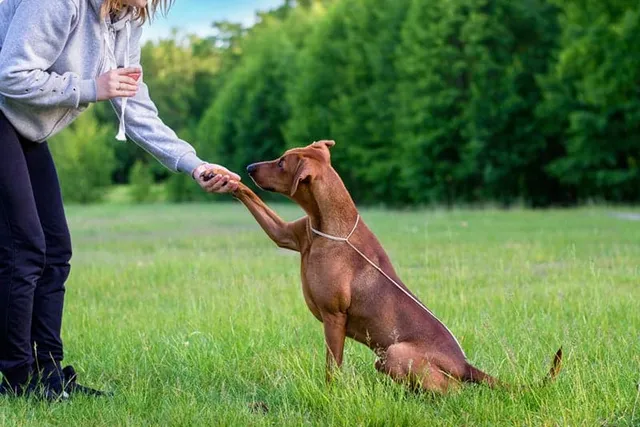
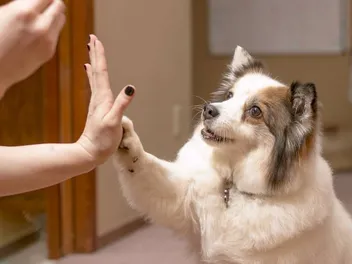
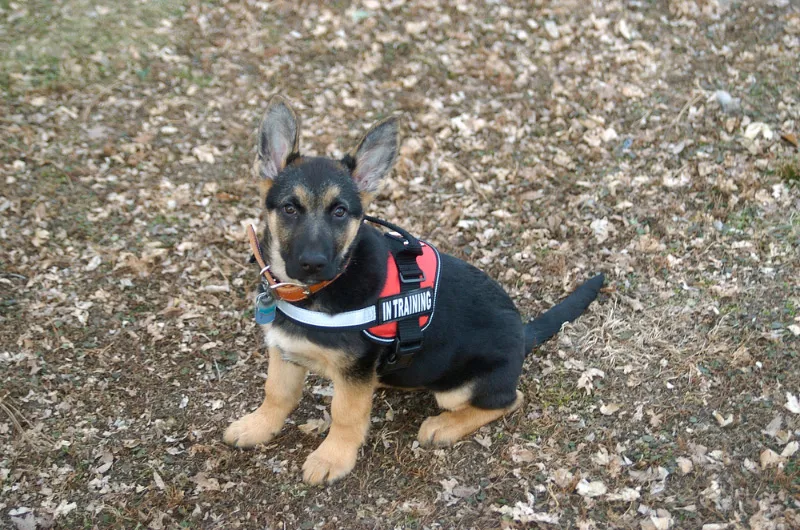
Obedience is the foundation of all working dog training. If your dog cannot come when called, sit, listen to you, and avoid distractions, they won’t be able to learn more advanced commands and complex expectations. Some people get really eager to start training their working dogs in their particular field, but if you skim over obedience training, you are setting yourself up for failure. Obedience training should come first, and dogs should be exceedingly obedient in all of the simplest commands before moving on to more complicated ones. You can start obedience training during the bonding period so that they get a head start on regular training expectations.
5. Be Consistent
Consistency in dog training is key. Set your rules early and stick to them. The key to a good, consistent regimen is keeping the commands and rules simple but enforcing them rigorously. It is also a good idea to ignore bad behavior consistently. Do not reward certain behaviors at home but ignore them out in the field. Bad behaviors should always be bad, and good behaviors should always be good. If you cannot assign a good or bad label to a particular behavior, then it should remain neutral. Consistency will help your dog stay focused and keep them on track. Dogs can be very smart, but they can also become confused if you are inconsistent in your expectations and your training methods. Keeping things direct, consistent, and simple will help your dog excel in their training.
6. Be Patient
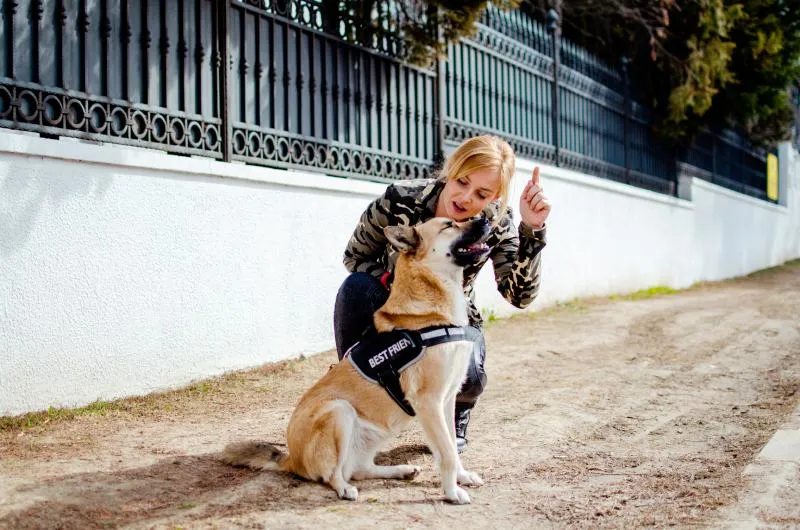
Training any dog can be frustrating. It can be doubly frustrating to try and get your dog to perform in a job. Patience is key. Patience will help keep you calm and collected during training. You should go into working dog training with a patient mindset. Training can take months or even years. Some working dogs, like guide dogs, can be in training for up to 2 years before they are ready to pass their tests for certification. This is not an overnight process, and many times, it is not an easy process.
Take pride in small victories. Track regular positive progress. Make a long-term plan. These things will help you stay positive, patient, and motivated during a long training process.
7. Give Your Dog an Outlet
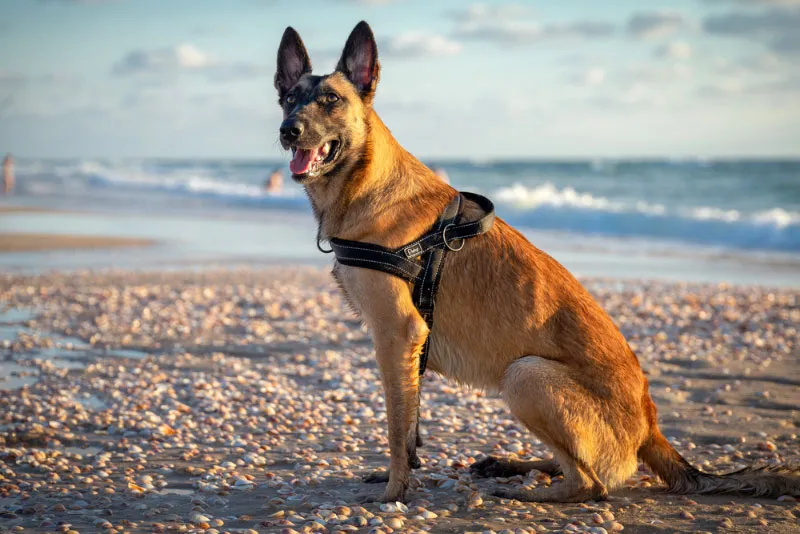
Everyone has heard the expression, “All work and no play makes Johnny a very dull boy,” and that is true for dogs as well. Dogs need an outlet. They can’t always be expected to be alert and working. You need to have time and space for your dog to decompress, relax, and play on its own. This can take the form of breaks from work (a few days to a week at a time), special play sessions, or trips that break up their normal routine. For example, if your dog is a hunting dog that normally spends time in the woods, take them to the beach. Breaking up the monotony of work and training will help keep your dog’s mind sharp and their spirit refreshed. During these times, you can also relax some of your stringent expectations and allow your dog to relax a bit.
8. Learn Your Dog’s Limitations
Dogs are amazing creatures, but they have limitations. Knowing your dog's limitations will prevent you from pushing them too far and will help keep your expectations in line. Not every dog can learn and perform every job. Some dogs will struggle with different things, such as certain commands, fear, or physicality. This is why bonding with your dog is important from the outset. Knowing your dog’s particular personality, what makes them tick, what makes them scared, and what they enjoy doing will help you define their limitations, which will help you, in turn, tailor your training and job expectations to best fit your individual canine. Many dog handlers can get frustrated if they try to push their dog into jobs or situations that they simply aren’t suited for. Dogs can be pushed to a point, but every dog has limitations. Knowing and understanding that fact is key to successfully training a working dog.
9. Consider Physical Requirements
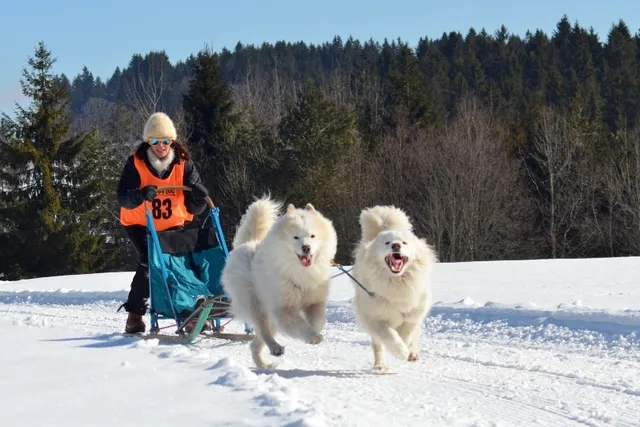
Some jobs have exhaustive physical requirements. You do not want to neglect physically training your dog if you need them to perform their best over long periods of time. For example, if you are training a sled dog, you will definitely need to work on stamina, strength, and recovery in addition to obedience and commands. If you neglect the physical side of training, you could end up with a dog that has perfect obedience but cannot do its job for long periods of time.
Dogs that are out of shape or who are not used to intense physical requirements are also more prone to becoming injured on the job. Do not neglect the fact that working dogs can suffer injuries similar to people. Injuries can include both accidents and repeated use injuries. Ensuring that your dog is in shape, used to the physical requirements of the job, and gets regular exercise can help prevent injuries and prepare them for the job ahead. Many people focus heavily on obedience and commands and can often neglect the physical side of the job.
The best way to train your dog physically is to put them in situations similar to what they will find in the field. If you are training a hunting dog, take them for long walks in the woods. If you are training a sled dog, make sure they spend ample time outside when the weather is cold. Just like for humans, regular physical training is required for dogs to be in top shape to perform their specific jobs.

Consult a Pro
Since working dogs (and for certain jobs, even their handlers) require certifications, you should understand that other than basic obedience training, advanced skills will most likely need to be learned from professionals. Seeking out local people who are doing the same jobs or training as you can be invaluable. Organizations of professional trainers or handlers often have unique insights and experiences to help you and your dog progress. Try to seek out local communities of like-minded dog trainers to build community, get advice, and build a support network. These can be especially helpful if you’re struggling. A community can guide you on the best way to go when looking for certifications. Know that professional organizations have gathered years of experience, which you and your dog can benefit from.
Conclusion
These nine tips will help you start to train a working dog of any kind. Obviously, these tips are common for training in general. Each dog and each job will come with its own particular set of training steps that will get the dog ready for a particular job. Guide dogs and hunting dogs will have completely different training regimens from one another, but these tips will apply to any working dog and should serve as a basis and a starting point for anyone looking to train their dog for any service.
Sources
Featured Image Credit: Luca Nichetti, Shutterstock
Expert dog care, straight to your inbox
News, insights, expert advice, and everything dog.

No spam — unsubscribe anytime.
By signing up, you agree to our Terms & Conditions and Privacy & Cookies Policy.
How useful was this post?
Click a star to rate. You can leave written feedback afterwards. (We read all feedback.)