In this article
While not every kind of fruit is suitable for dogs, some are safe to feed in moderation and can even offer a nutritional boost. Guava is a tropical fruit from the Myrtle family that grows on trees. Guava is a safe fruit for dogs as long as you don’t give them too much.
Read on to learn more about the potential health benefits of guava for dogs and which other fruits are safe to offer as treats.

Is Guava Safe for Dogs?
Note: We recommend running any new foods you plan to introduce into your dog’s diet by your vet first. Some foods may not be suitable for every dog, particularly those suffering from certain health conditions.
While dogs don’t need to eat fruit, several fresh fruits, including guava, are safe to eat. In fact, many dogs enjoy pieces of fruit as an occasional treat to supplement their standard commercial diets. When it comes to supplemental foods like fruits and vegetables, moderation is key in preventing stomach upsets from overindulgence. Moreover, fruits contain natural sugars, which can cause dogs to pile on a few too many pounds.
Furthermore, bear in mind that dogs should not eat guava rinds or seeds, so these should be taken off first. Rinds can be difficult to digest and may be a choking hazard, and seeds contain trace amounts of cyanide, which can be dangerous if consumed in large amounts. It’s also wise to cut the guava fruit into small, bite-sized pieces for your dog to prevent choking.
On the other hand, though fresh guava fruit is okay for dogs in moderation, it shouldn’t be offered in paste form as this condensed form is too high in sugar for dogs’ systems to easily process. This could result in gastrointestinal upset, including vomiting and diarrhea. In addition, guava shouldn’t be fed as an ingredient in sweets and baked goods, like cookies, cakes, and pastries, because, again, these are packed with sugar. Guava tea should also be avoided.
If you need to speak with a vet but can't get to one, head over to PangoVet. It's our online service where you can talk to a vet online and get the advice you need for your pet — all at an affordable price!
Can Dogs Eat All Types of Guava?
There are various types of guava fruit, including pineapple guava, white guava, Thai guava, red guava, and apple guava. You’ll be pleased to find out that dogs can safely eat all of these types of guavas in moderation as long as they’re deseeded and have their rinds removed.
Guava Health Benefits for Dogs
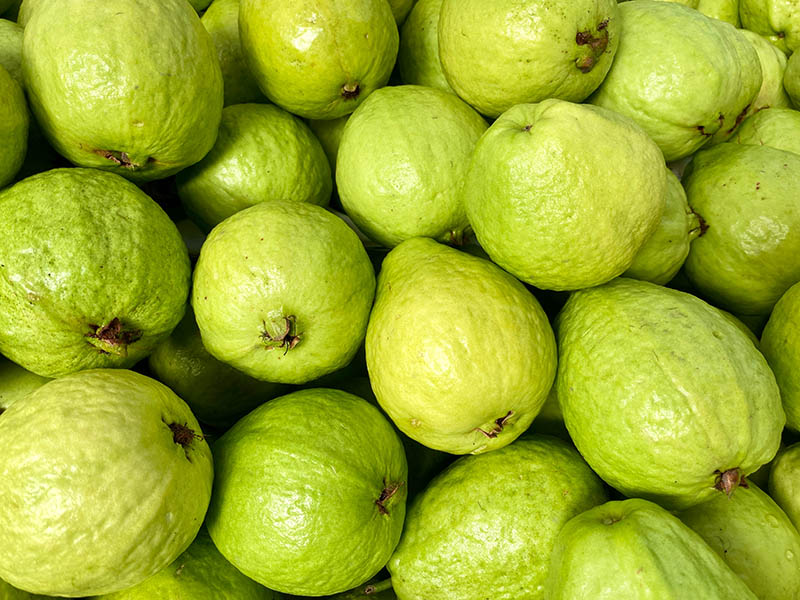
Guava is a good source of vitamins, including vitamin A. Vitamins A, K, and B are also present in guava fruit, as are calcium, potassium, and dietary fiber, which can help to keep the digestive system running smoothly. Additionally, as a source of antioxidants, guava fruit can contribute to a healthy immune system.

More Dog-Friendly Fruits
If you’re thinking of treating your dog to a bit of fruit once in a while, it’s essential to know which ones have the green light and which ones are potentially dangerous. The following list shares some safe fruits for your dog to eat and that you might even find listed on dog food packaging as ingredients.
Just bear in mind that these should all be cut into pieces small enough for your dog to eat safely and have any seeds, rinds, stones, pits, and/or leaves removed before being fed. This is important because some of these parts can be toxic, whereas others present a choking hazard and/or can cause an intestinal blockage.
- Guava
- Apples (remove the seeds)
- Peaches (remove the pit)
- Cranberries
- Blueberries
- Mangoes (remove the pit)
- Raspberries
- Strawberries
- Cantaloupe
- Cucumber
- Bananas
- Pears
- Watermelon
- Pineapple
- Honeydew
Fruits Toxic to Dogs
Unfortunately, not every fruit is kind to dogs because they contain toxins that can cause stomach upset or worse. In severe cases, dogs can suffer from conditions like kidney failure as a result of consuming certain fruits.
- Grapes
- Raisins
- Wild berries
- Tamarind
Fruits to Be Wary of
Tomatoes
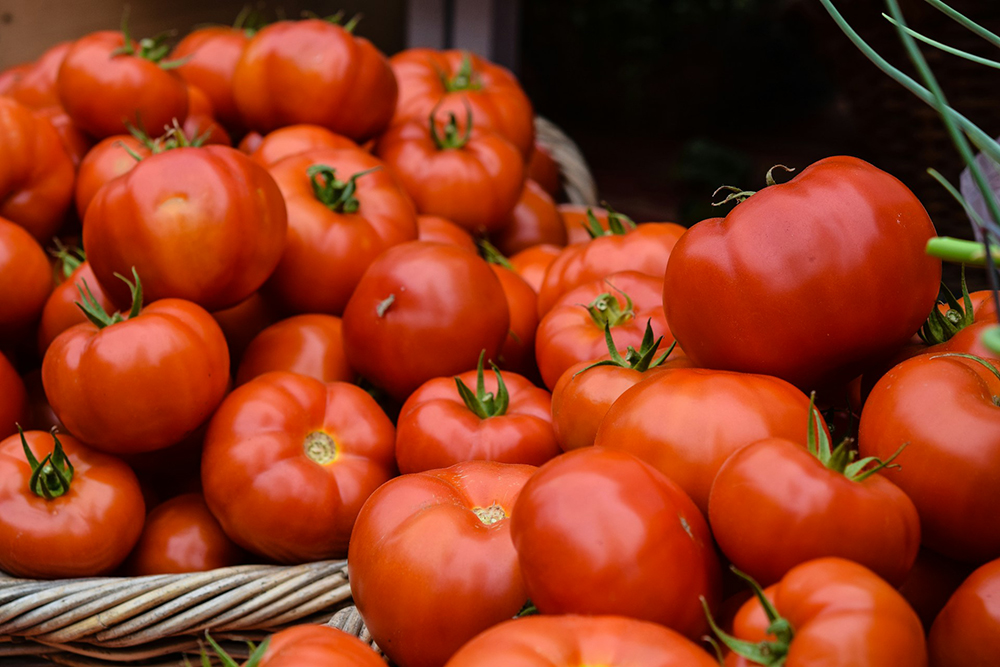
When fully ripe, tomatoes aren’t toxic to dogs. However, tomato plants are toxic due to the presence of tomatine, so don’t let your dog eat tomato plant leaves, stems, or young, unripe tomatoes that are still green. Basically, only red tomatoes should be fed and in moderation.
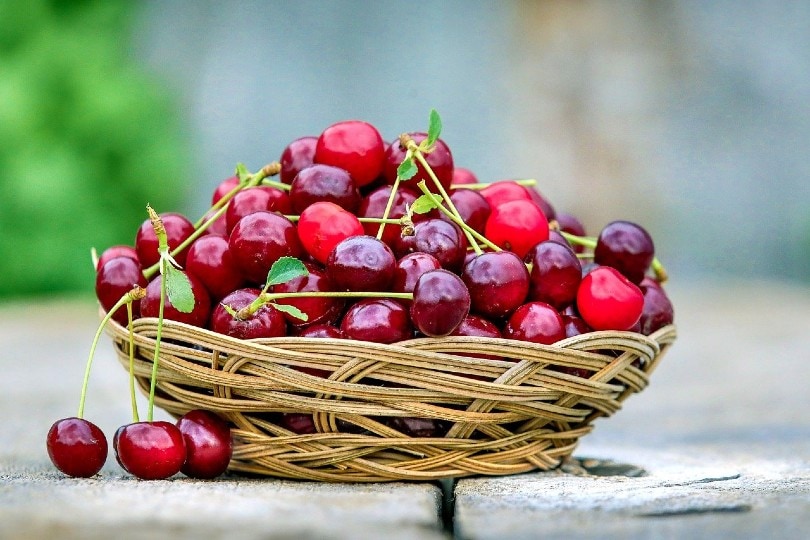
Cherries
Though cherry flesh isn’t toxic, cherry pits, stems, and leaves contain cyanide. Because cherries are so small, it can make preparing them without the pits tricky, but if you’re up for the challenge, there’s nothing wrong with giving your dog a few cherries without the pits, stems, and leaves.
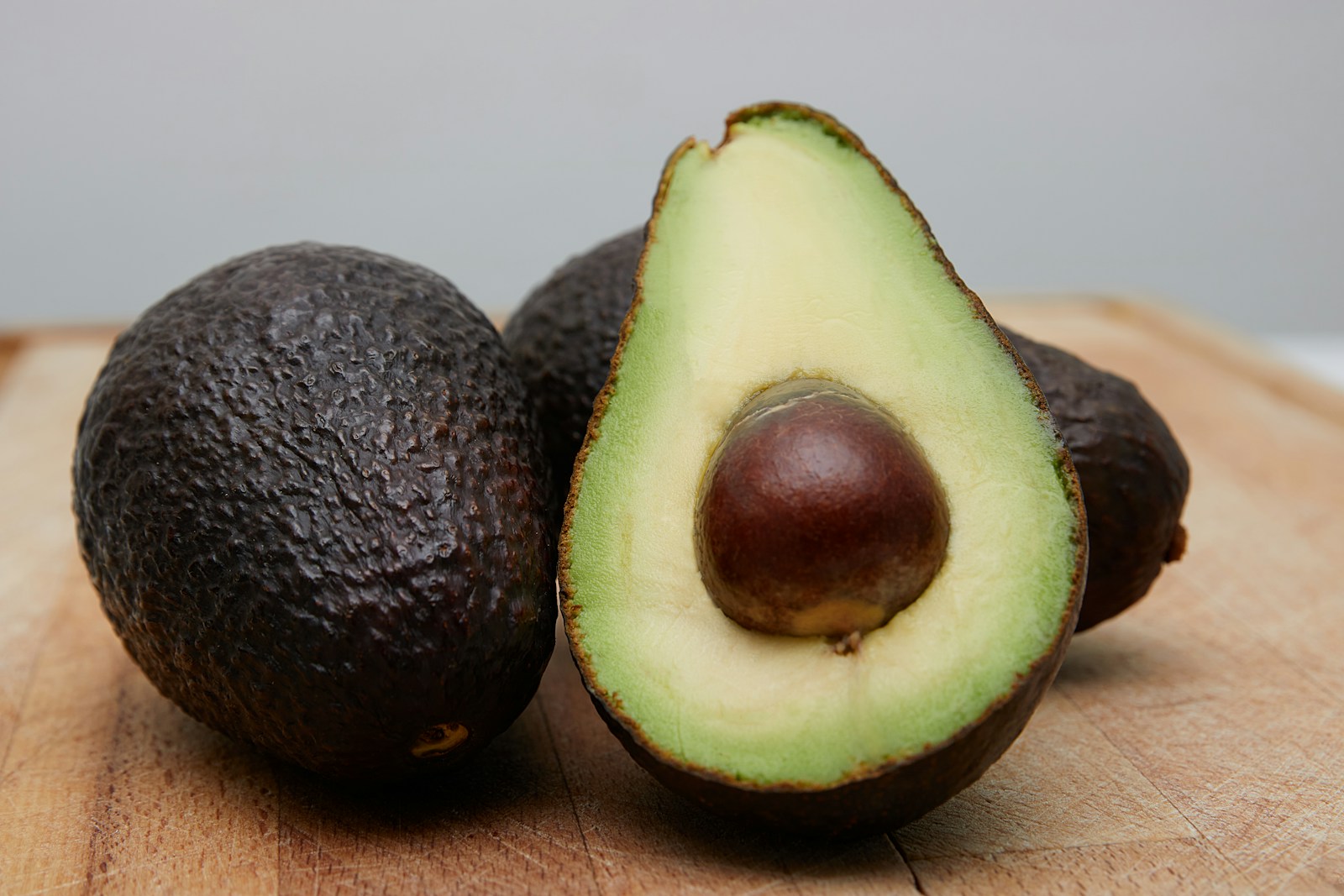
Avocados
The pit, leaves, bark, and skin contain persin, which is toxic to dogs. If enough of these are consumed, your dog could get sick. The avocado flesh/pulp also contains persin, but less than the other parts. Furthermore, the large pit is a choking hazard and avocado pulp/flesh is high in fat.
Can Dogs Eat Vegetables?
Yes, as with fruit, some vegetables can be offered to dogs in moderation and in bite-sized pieces. It’s also wise to not add any salt, seasonings, or sauces if you offer cooked vegetables to your dog as some common additions, including garlic and butter, can make dogs unwell.
- Carrots
- Green beans
- Broccoli
- Sugar snap peas
- Mangetout
- Garden peas (not canned peas)
- Bell peppers
- Cooked sweet potatoes
- Brussels sprouts
- Celery
Conclusion
Since they’re omnivorous, dogs can enjoy a few pieces of guava and a range of other fruits and vegetables every now and again. That said, fruit in excess can cause gastrointestinal upset and weight gain due to its sugar content.
Dogs need a quality, complete, and balanced commercial food formula to fulfill their daily nutritional needs. Fruit can certainly offer some variety in addition to this, but it’s wise to settle for fruits as occasional snacks only rather than as a regular part of your dog’s diet. If you suspect that your dog has eaten a toxic fruit by mistake, please contact your vet immediately for guidance.
See Also:
Featured Image Credit: Gina Hsu, Shutterstock