Heartworm in Dogs: Our Vet Discusses Causes, Signs, Treatment & Prevention

In this article
Most of us know that regular worming treatments are an important part of canine preventive healthcare, but how much do we know about the worms we are trying to prevent? And more importantly, what happens if our dogs are infected with worms?
Heartworm is a potentially devastating and deadly parasite affecting dogs around the world, and the first step in keeping your dog safe is understanding the importance of the heartworm life cycle in treatment and prevention.
Fortunately, heartworm prevention is readily available and effective, so keep reading to learn more about this potentially devastating disease and why, when it comes to protecting your pets, timing is everything.

What Is Heartworm Disease?
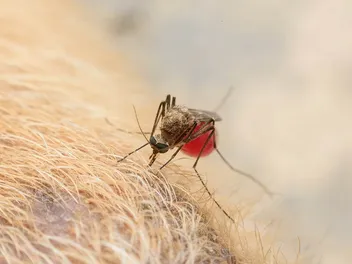
Canine heartworm disease is caused by the parasitic worm, Dirofilaria immitis. Dogs are the natural host, but other mammalian species can also be affected, including cats, ferrets, wolves and other canids, bears, and (rarely) humans. The parasite is transmitted through the bite of mosquitoes that pick up microfilariae (neonatal larvae) by feeding on infected dogs. The microfilariae go through several molts inside the mosquito until they develop into the infective larval stage (L3), which is transmitted into the bloodstream of another host when the mosquito feeds on them.
Over the next 1–2 weeks, the larvae molt into a fourth stage (L4) and remain in the soft tissue for another 2 months before undergoing a final molt into young adults, gradually migrating their way toward the pulmonary vessels (those that supply the heart and lungs) around 3–4 months after infection.
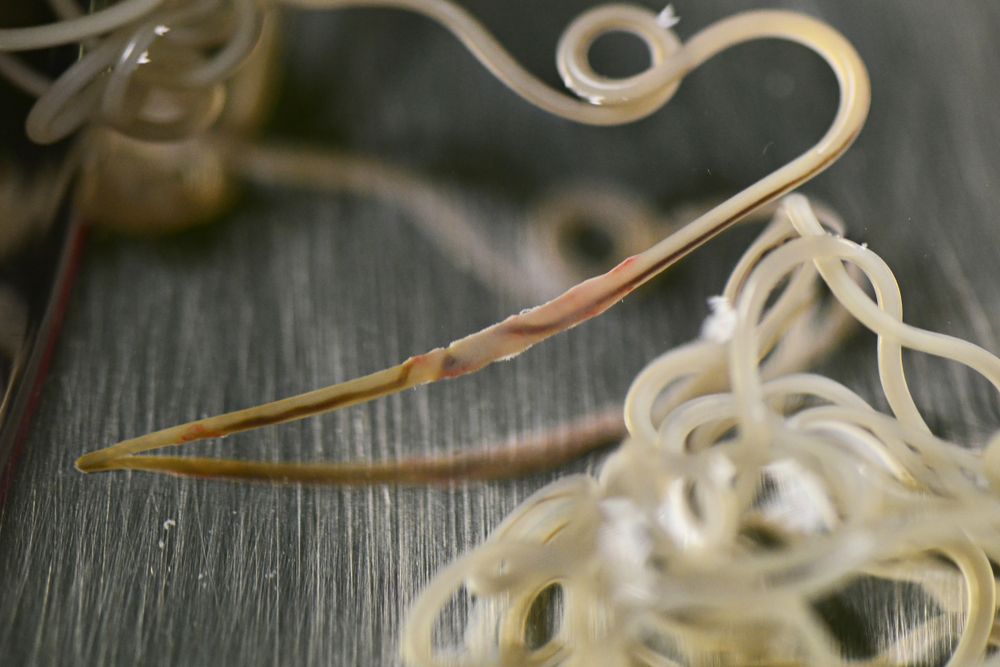
These young worms are around 1–2 inches long when they reach the heart, growing rapidly over the next few months, with adult males reaching around 6 inches and females a whopping 10 inches long! Females start producing microfilariae as early as 6 months after initial infection, continuing the life cycle, and can live in a dog for up to 7 years.

What Are the Signs of Heartworm Disease in Dogs?
There are four stages of heartworm infection in dogs, depending on how many worms are present (worm burden) and what life stage they are at.
| Stage 1 | No signs or mild signs only (e.g., occasional cough) |
| Stage 2 | Mild to moderate signs (occasional cough, increased tiredness after activity) |
| Stage 3 | Signs include ill-thrift appearance, persistent cough, and exercise intolerance. Trouble breathing and signs of heart failure are common. Changes to the heart and lungs are visible on X-rays. |
| Stage 4 | Also called caval syndrome, worm burden prevents blood flow to the heart. Emergency surgical removal is the only possible treatment but is high risk. Most dogs with this syndrome do not survive. |
Not all dogs with heartworm will develop caval syndrome, but the damage caused by the infection will eventually cause fatal damage to the heart, liver, lungs, and kidneys if left untreated.
If your dog is showing these signs, we suggest you speak to a vet.
How Is Heartworm Diagnosed?
Heartworm infection is diagnosed via a blood test for proteins produced by the parasites (heartworm antigen test), and chest X-rays or echocardiography may be used to assess the extent of the worm burden and any possible damage caused to the heart. There are additional tests that can detect microfilariae in the blood, but the antigen test is now the main form of diagnosis.
Detection, Prevention, and Treatment: Why Timing Is Important
When our dogs have intestinal worms, we can just give them a worming tablet, but using the same approach in a dog with heartworm disease can be ineffective or even have fatal consequences.
Heartworm prevention medications will not kill adult heartworms, only stop their reproduction; it will not stop the progression of heartworm disease. If the worm burden is low, medication may keep the infection stable until there is a break in worming treatment or if the worm size or health of the dog causes the disease to progress. If the worm burden is high, heartworm disease will still develop.
If mature heartworms are present and have been reproducing, most heartworm treatments will cause any microfilariae to die suddenly, releasing a rush of antigen into the bloodstream. This can result in a severe, even fatal, anaphylactic reaction.

Heartworm Treatment
If your dog has been diagnosed with heartworm disease, the next step will be to ascertain the extent of the infection and prepare them for treatment with a drug that will kill adult worms and reduce the risk of anaphylaxis.
Depending on the magnitude of infection, the treatment of heartworm disease may involve:
- Stabilization of any clinical signs present
- Medical treatment with an adulticide to kill adult worms present
- Surgical removal of worms from the heart and pulmonary vessels (uncommon)
- Monitoring and treatment of reactions to treatment
- Long-term treatment for damage to organs
- Management of congestive heart failure
- Follow-up blood tests

Heartworm Prevention
The best way to keep your dog safe from heartworm disease is through year-round protection. Breaks in treatment are an opportunity for larvae to mature into adults and reproduce, putting your pup at risk.
To ensure your dog is effectively and safely protected against heartworm infection, your vet will make recommendations based on their age and risk factors. Although heartworm prevalence is greatest wherever there are mosquitoes, cases have been seen in all 50 states, so heartworm prevention should be part of every dog’s healthcare plan.
There are a number of different options available, including monthly tablets, flavored chews, and even a yearly injection.
The American Heartworm Society recommends yearly heartworm antigen testing of all dogs, even those that have been on constant heartworm medication, to ensure that treatment protocols are effective. An antigen test should also be performed before administering treatment if there has been a break in heartworm prevention longer than 4 weeks.

| Dog’s Age | Treatment protocol | Antigen testing |
| < 8 weeks | Start heartworm prevention as early as the label allows | Annually |
| 8 weeks – 7 months | Start heartworm prevention immediately | 6 months and 12 months after treatment, annually thereafter |
| > 7 months | Antigen test before treatment | Repeat antigen test 6 months after treatment, annually thereafter |
Frequently Asked Questions (FAQ)
Is Heartworm Contagious?
Not directly. Dogs cannot spread the parasite to each other, but if dogs live in an area where heartworm is present, it is easily spread from dog to dog by mosquitos.
Can Cats Get Heartworm?
Yes. The significance of feline heartworm disease is often underestimated, although worm burdens are not often severe enough to cause caval syndrome. Cats are not a natural host for Dirofilaria, so infection doesn’t happen as easily or last as long.
Ideally, cats should follow a similar test and treatment protocol to dogs, but the antigen detection test is less reliable in cats. Talk to your vet about the best way to keep your cat safe from heartworm.

Can Humans Get Heartworm?
There have been cases of humans becoming infected with heartworm from mosquitoes, but these are rare. Humans are not a natural host, and the worms do not tend to survive to adulthood.
Is Heartworm Prevention Safe?
Like with any medication, there are always risks that some individuals may have an adverse reaction to heartworm prevention drugs, but generally, these risks are low. Some collie breeds have a genetic mutation that makes them more sensitive to certain medications, including ivermectin, which is used in some heartworm prevention medications, so we recommend talking to your vet about which product is best for you.
Final Thoughts
Heartworm disease is a potentially deadly disease that can affect dogs of all ages, breeds, shapes, and sizes. Fortunately, it is completely preventable, but prevention isn’t always as simple as giving your dog a pill. If you’re worried that your dog could be at risk of heartworm disease or you’re not sure they have been fully protected, talk to your vet about getting them on track safely. Remember, prevention is always better than cure.
See also:
Can You Buy Heartworm Medicine Over the Counter for Dogs? Vet-Reviewed Facts & FAQ
Ask a Vet: Does Trifexis Really Kill Dogs or Is It a Myth? Facts Explained
Sources
Featured Image Credit: vitrolphoto, Shutterstock
Expert dog care, straight to your inbox
Vet-reviewed advice, training tips, and the best of Dogster. Free, and you can unsubscribe anytime.
By signing up, you agree to our Terms & Conditions and Privacy & Cookies Policy.
Dr. Karyn Kanowski, BVSc MRCVS (Vet)
Dr. Karyn is originally from Queensland, Australia, and has resided in the UK for the past 10 years. She graduated from The University of Queensland School of Veterinary Science in 2010, and also holds a Bachelor’s degree in Zoology. Karyn is passionate about using experience, evidence, and working with pet owners to provide the best solutions for pets. She also believes in making reliable information about animal health accessible to everyone. 5 cats and 4 dogs let her share their home with her and her husband, and when she is not practising as a veterinary surgeon, she spends her time writing, gardening, and cleaning up pet hair!
Join the conversation
Ask a question, share your story, or send private feedback.