15 Dog Breeds Who Get Along With Other Pets (With Info & Pictures)


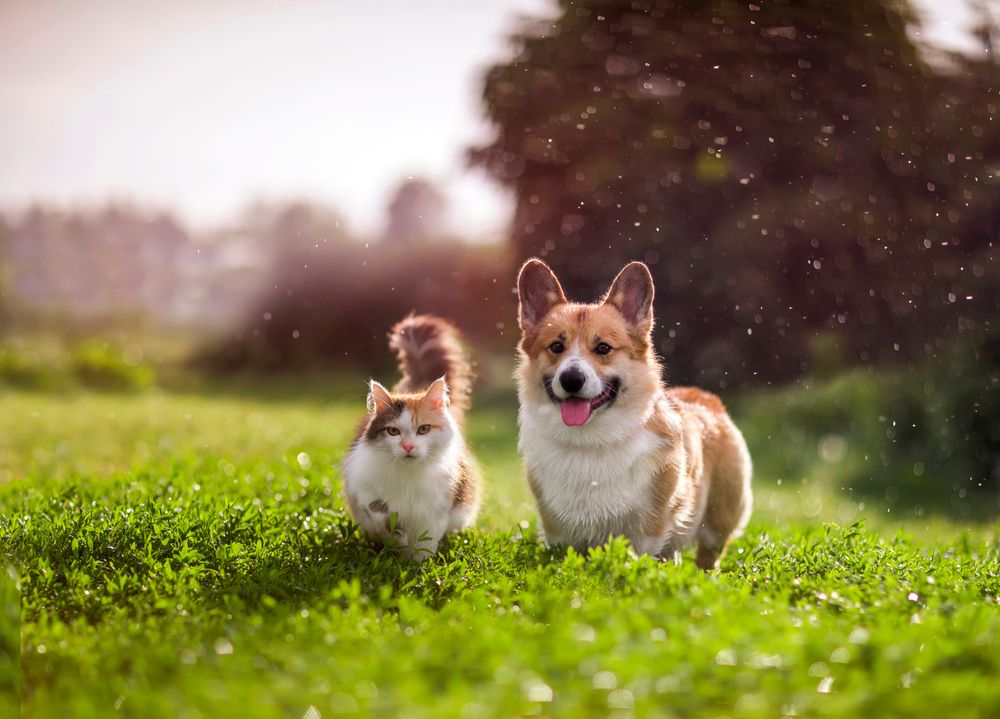
So, you want to add a dog to your home, but you already have pets. That leads to a conundrum, because it means you need to find a dog that gets along with other dogs and animals. Otherwise, you could have serious issues on your hands.
So, which dog breeds get along with other dogs and pets? Quite a few are considered friendly from a sociability aspect. So, if you need to adopt a dog that gets along well with others, you have several breeds to choose from. Whether you want a small dog or a large one, an active dog or a lazy one, you should be able to find exactly what you want.
Here are 15 dog breeds who get along well with other pets!

Before You Adopt: Important Considerations
The following breeds are considered very social from breed standards and anecdotal evidence. However, all dogs need to be properly trained, and all introductions with existing pets must be done cautiously to ensure the best chances at success.
Remember that several factors are at play here (including the personality of your existing pets), and therefore, you should always be prepared for a worst-case scenario of incompatibility. If you have pets that are considered prey, please note that the mere presence of a dog can lead to severe stress for such species.
Dogs can play rough and seriously injure or even kill other pets if playtime isn’t supervised. Finally, all new pets should be quarantined for a period of at least 2 weeks before they’re introduced to your existing pets.
The 15 Dog Breeds Who Get Along With Other Pets
Please Note
1. Beagle

Breed Overview
Origin:
Lifespan:
Height:
Beagles make an excellent addition to households with multiple dogs, as they tend to get along with them with great success. These dogs were bred to work in packs, so they enjoy being around others.
However, Beagles are scent hounds and may obsessively want to track and chase down other smaller pets. This could make them potentially dangerous to have alongside other species.
2. Bichon Frise
Breed Overview
Origin:
Lifespan:
Height:
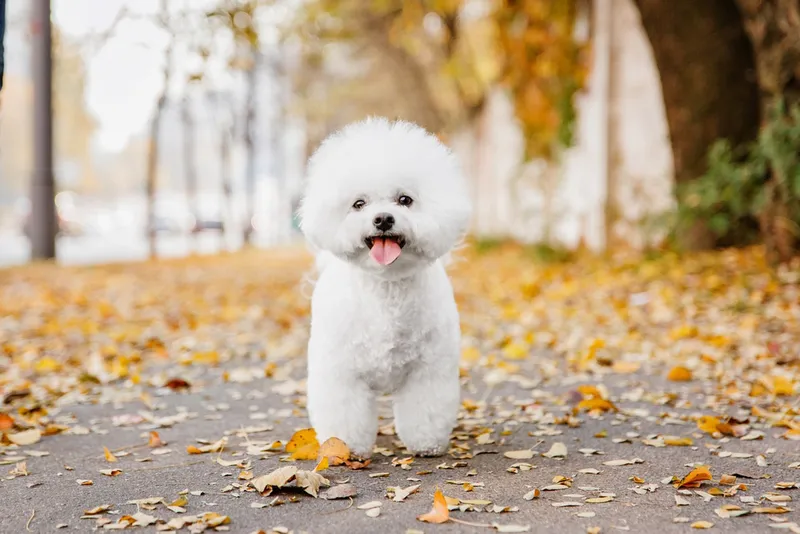
If you want a small dog that gets along with other pets, look no further than the Bichon Frise! This canine is one of the friendliest dogs around and adores making new friends, including other animals. Whether you have dogs, cats, or other animals, this pup should see them as playmates almost immediately. That doesn’t mean you can skip out on early socialization, of course, but this breed’s sociable nature does much of the work for you.
3. Border Collie
Breed Overview
Origin:
Lifespan:
Height:
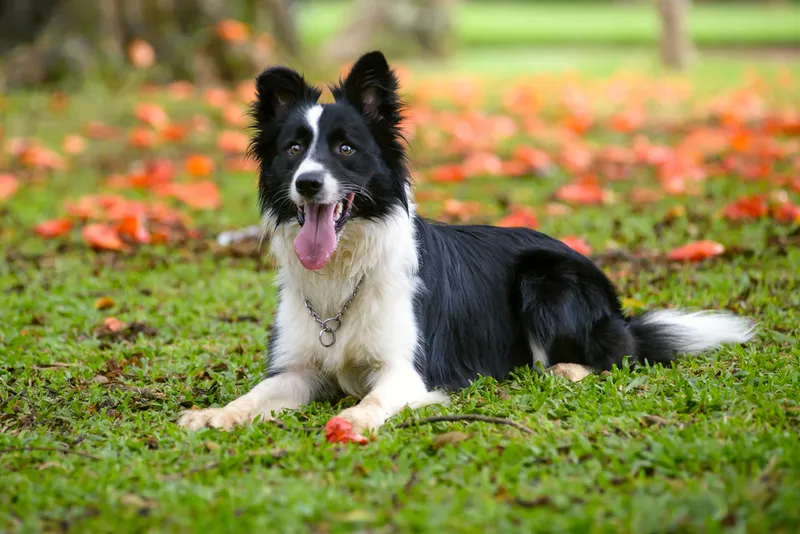
Border Collies can anecdotally get along surprisingly well with not only other dogs but cats and smaller animals, too. One thing you do have to watch out for when it comes to smaller animals, though, is the Border Collie’s tendency to herd. Early socialization is key for this breed, and you should ensure this pup gets plenty of exercise daily.
This breed is quite active and athletic, so their overly energetic nature may overwhelm other animals if the Border Collie isn’t sufficiently exercised. Therefore, they might not be ideal for some in a multiple-species household.
4. Brittany

Breed Overview
Origin:
Lifespan:
Height:
This elegant, sporty breed hails from France, where they were used as hunting dogs. Brittany dogs are described as friendly and adaptable, so they’re usually fine with other pets in the home. However, there is a chance some dogs of this breed may have high prey drives that encourage them to chase after smaller animals. Therefore, they might not be the best fit for your house if you have cats or other small animals that your dog might perceive as prey.
5. Cavalier King Charles Spaniel

Breed Overview
Origin:
Lifespan:
Height:
The Cavalier King Charles Spaniel is one of the most adorable pups around. They’re also some of the most social and friendly canines you’ll meet, so they tend to get along with other pets extremely well. That said, they are Spaniels, so they might occasionally have hunting instincts kick in that lead them to go after smaller animals. Therefore, you will want to supervise any interactions between this breed and your pets (however, this rule generally applies to all breeds).
6. Golden Retriever

Breed Overview
Origin:
Lifespan:
Height:
Golden Retrievers are well-known for their friendly natures and chill temperaments, so it’s no surprise that this extends to other animals in the home. These canines will get along extremely well with other dogs and can become friendly with cats (though that may take a bit more time). Overall, though, after properly introducing a Golden Retriever to other pets in the home and some socialization, everyone should get along quite well, as they’re considered very sociable.
7. Italian Greyhound

Breed Overview
Origin:
Lifespan:
Height:
This breed is gentle and affectionate, so they have no trouble beginning friendships with other animals in the home. They’ll likely get along best with other dogs, but they can anecdotally get along with cats too. Again, socialization is key here, especially for having the Italian Greyhound develop friendships with animals smaller than them.
8. Labrador Retriever

Breed Overview
Origin:
Lifespan:
Height:
You probably expected the Labrador Retriever to appear on this list somewhere, and here they are! This breed is known for their happy-go-lucky, friendly, and energetic nature, so it makes sense they get along well with other pets.
This breed is well documented as being able to make friends with animals of any size, but for smaller animals you should be sure to socialize the two animals properly and supervise interactions. It won’t be long before this pup has charmed everyone in the household!
9. Maltese

Breed Overview
Origin:
Lifespan:
Height:
If you’re looking for a cute ball of fluff that will get along with everyone in your home, look no further than the Maltese! While some say that these tiny pups are known to get along with all kinds of pets, they aren’t as easy to introduce to other dogs as you’d think. They aren’t considered as compatible with other dogs as, say, a Labrador. Their tendency to be very attached to their caretakers means that they’re prone to competing for their attention, which can culminate in a scuffle if you’re not careful.
10. Papillon
Breed Overview
Origin:
Lifespan:
Height:
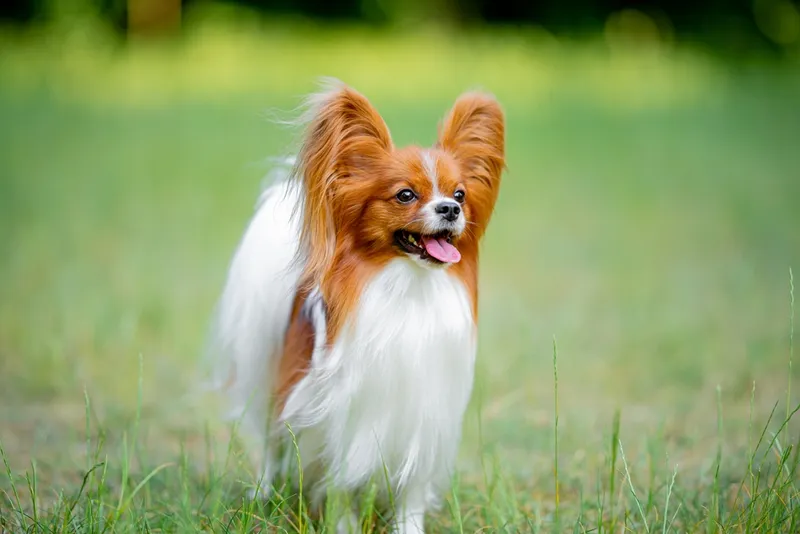
Papillons are tiny, so they’re much less intimidating for pets like cats and smaller animals, making it easier for them to get along. This breed can be a bit cautious around other dogs at first, but it generally doesn’t take them long to warm up to other canines. However, be careful with the Papillon around larger dogs; much like the Maltese, this breed doesn’t realize they are small, so they’ll roughhouse like a big dog, which could lead to accidental injuries. Much like the Maltese, they aren’t the easiest dogs to integrate into a multi-pet household.
11. Pekingese
Breed Overview
Origin:
Lifespan:
Height:
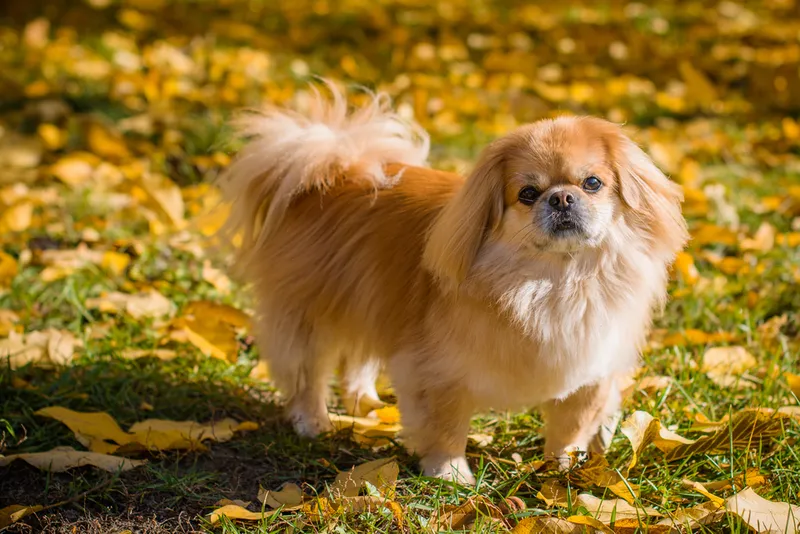
We have yet another tiny floofball for you to consider! The Pekingese is affectionate and loving, qualities that may help when it comes to an introduction to other pets. However, like other smaller breeds, they do tend to be possessive of their humans and might not be overly accepting of watching you pamper another pet in their presence. As such, caution is definitely advised when it comes to introducing them to other pets.
12. Pembroke Welsh Corgi

Breed Overview
Origin:
Lifespan:
Height:
If you’re looking for another herding breed, a Pembroke Welsh Corgi might suit you. This breed reportedly gets along with other animals just fine, but some claim that they tend to be a bit lukewarm toward them, too. They are instinctive herders, so success depends on a variety of factors (which also includes your existing pets’ personalities).
13. Pug

Breed Overview
Origin:
Lifespan:
Height:
Looking for an adorably goofy and charming pup to add to your home? Then you may want to consider the Pug. This amiable breed is known for their comical ways, and they get along well with other pets of all sizes. This breed wasn’t designed to hunt or herd, so they don’t have a large prey drive or herding instincts, which helps them in friendships with others.
However, they are brachycephalics, and as such, they are prone to the myriad of health issues that all brachycephalic breeds are susceptible to. So, careful consideration is warranted prior to adopting them.
14. Shetland Sheepdog
Breed Overview
Origin:
Lifespan:
Height:
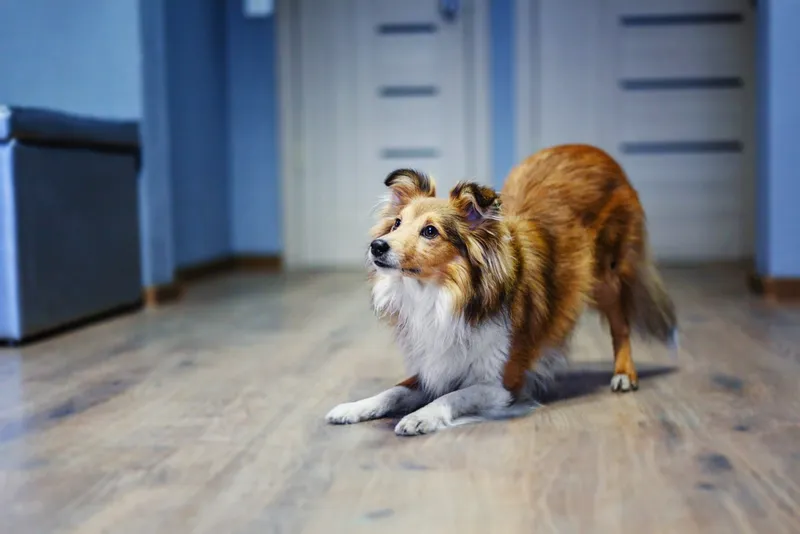
This cute pup is known for getting along well with other pets in the home. However, a lot of how well the Shetland Sheepdog gets along with other animals will depend on how well they are socialized. Gradually introducing one of these dogs into your household and letting them slowly spend time with other pets will go a long way to aiding friendships between animals. The Shetland is a herd dog, though, so watch out for instances of them trying to herd smaller pets!
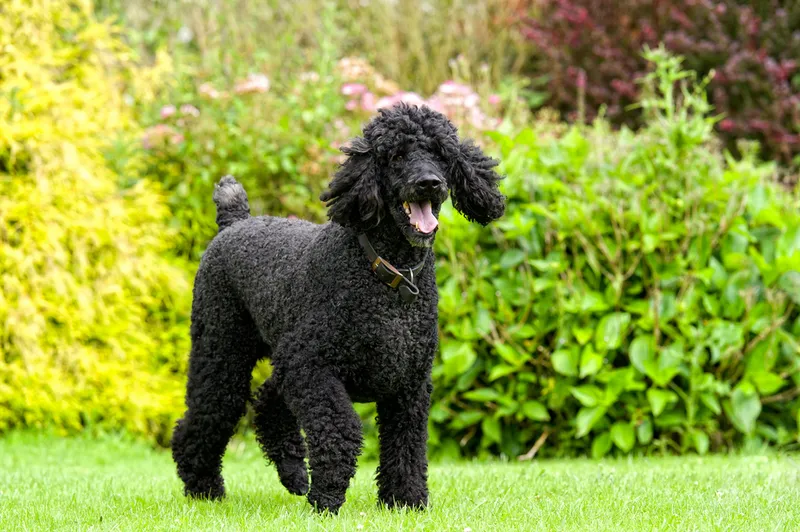
15. Standard Poodle
Breed Overview
Origin:
Lifespan:
Height:
When properly socialized, the Poodle has no problems getting along with other dogs and cats. They may even be able to be friendly with smaller felines. But if this breed isn’t socialized as they should be, you could experience issues. Since the breed is naturally friendly, has a low prey drive, and is highly intelligent, they may grow up to be great friends with the pets around them.

Conclusion
Successfully housing dogs with other pets is always a tricky process. Several factors come into play when it comes to mingling with other species. However, your dog’s breed might be one such consideration as well. In this article, we’ve looked at certain breeds that are possibly easier to integrate into multi-pet households than others.
As always, though, socialization, training, and proper introductions are key to ensuring success with the process. Always keep in mind that your pets’ personalities will be at play too, and therefore, each introduction should be thoroughly considered before it is attempted.
See also:
Featured Image Credit: Bachkova Natalia, Shutterstock
Expert dog care, straight to your inbox
News, insights, expert advice, and everything dog.

No spam — unsubscribe anytime.
By signing up, you agree to our Terms & Conditions and Privacy & Cookies Policy.
How useful was this post?
Click a star to rate. You can leave written feedback afterwards. (We read all feedback.)
Misty Layne lives out in the woods in small-town Alabama with her two Siamese - Serafina & Jasper. She also has an array of stray cats, raccoons, and opossums who like to call her front porch home. When she’s not writing about animals, you’ll find her writing poetry, stories, and film reviews (the animals are, by far, her favorite writing topic, though!). In her free time, Misty enjoys chilling with her cats, playing piano, watching indie and foreign films, photographing abandoned places, and catching up on her never-ending TBR list.