How to Train a Dog to Stop Barking: 5 Vet-Approved Tips


In this article
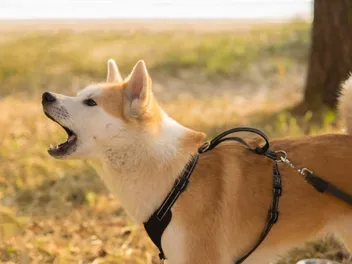
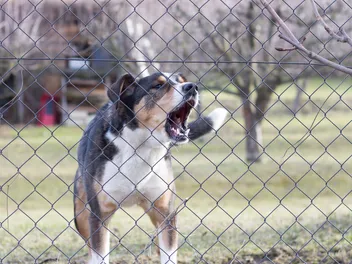
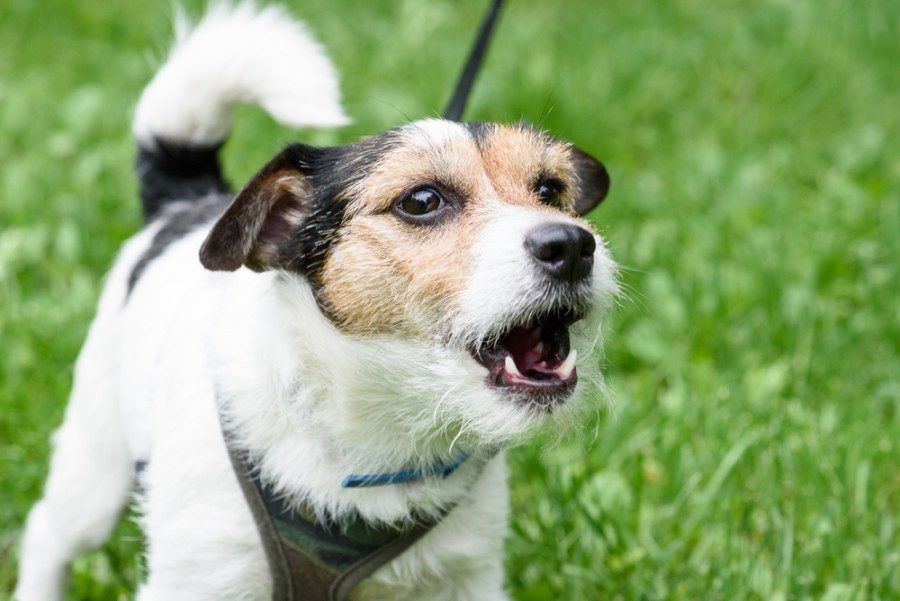
Dogs are just gonna bark. It’s one of the ways that they communicate with us and the world around them. However, excessive barking can become a real nuisance, especially for your neighbors!
Some dogs are quiet, but if you have a dog that loves to bark, you need to learn training tips to control it. In this article, we discuss the common causes of dog barking and how you can manage it effectively.

The 10 Tips to Train a Dog to Stop Barking
1. Figure Out Why Your Dog Is Barking
The first and most important step is to determine what is triggering your dog’s barking. Removing or reducing the trigger can help you deal with the behavior. For example, if your dog is barking because they are bored, you need to ensure that they are getting enough physical and mental exercise.

2. Don’t Reward Your Dog for Barking
Dogs will learn that when they want something from you, barking will typically work. If they bark and you then feed them or throw them a ball, your dog is, in a way, doing the training here!
If you suspect that your dog is barking for attention, the best thing to do is ignore them by turning your back and walking away. They will eventually learn barking isn’t getting them what they want, and you can reward them for staying quiet instead.
3. Teach Your Dog Other Ways to Gain Your Attention
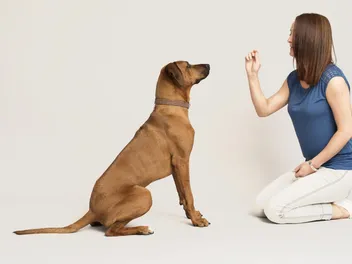
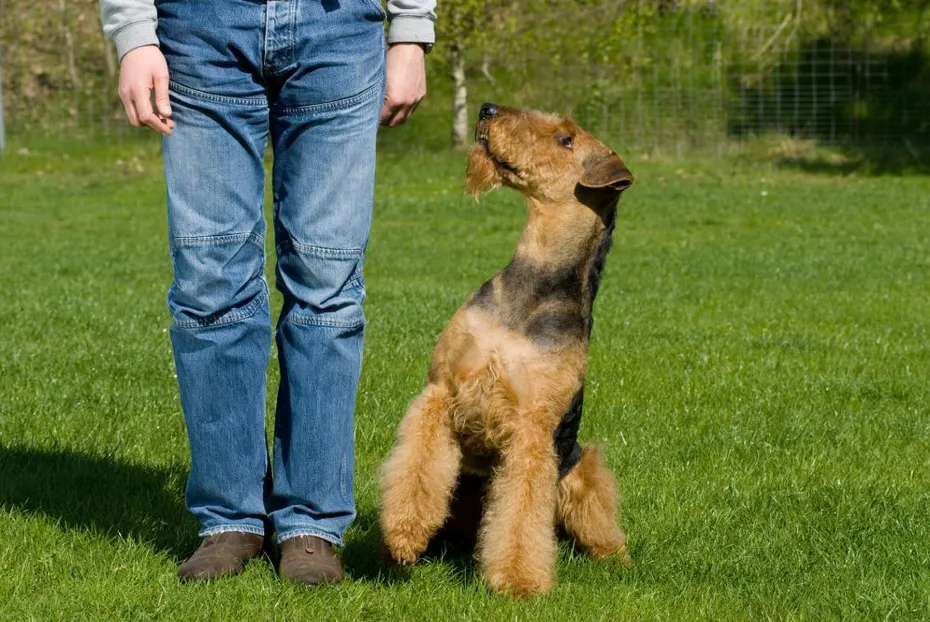
If you’ve been ignoring your attention-seeking dog’s barking, you now need to give them a different method to gain your attention. You can teach your dog a quieter way, such as sitting at your feet and making eye contact. Only “reward” your dog’s behavior when they are quiet, and ignore them when they bark.
4. Train Your Dog to Be Quiet on Command
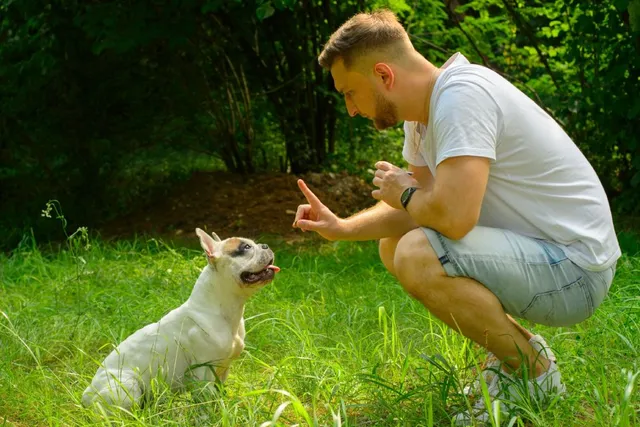
This tip is in line with the previous one; you’re still training your dog to be quiet but on cue. When your dog is barking and then stops, give them a high-value treat. Even if they have only stopped barking for a moment, that moment of silence is rewarded.
Each time your dog barks and is silent, wait a bit longer before treating, and when you start to anticipate that your dog is about to stop, start giving a command.
You can try something like “quiet” or “settle” and treat them when they stay quiet. After a while, your dog will learn to stop barking on your cue.
5. Don’t Leave Your Dog Alone for Long Periods
Dogs are social animals and enjoy the companionship of people and other animals. Dogs that are left alone for long periods, whether unsupervised outside or indoors when their owners are away for hours, often resort to barking. You should keep your dog occupied while in the yard so they aren’t motivated to bark at everything that moves. They need exercise and playtime with you, not being tied up in the yard, which is not a form of exercise, anyway.

6. Teach Your Dog How to Have Self-Control
Some dogs bark because they have trouble controlling their impatience and frustration. Obedience training can give you a start on helping your dog feel like they have more control over their environment. Try teaching commands, such as “leave it” or maybe “watch me,” as these will show your dog that being patient has its rewards and that they don’t need to resort to barking.
- Looking for a Solution? Best Dog Barking Deterrents – Dogster’s Reviews & Top Picks
7. Teach Your Dog to Go to Their Place
You’ll need to have a place that is your dog’s calm and comfortable spot. This can be their bed or crate, as long as your pet enjoys it and associates it with peace and quiet. You’ll need to train your dog to “go to place” when something sets off their barking (like visitors).

8. Prevent Your Dog From Greeting Guests
If people coming to visit sets off your dog, whether from excitement or anxiety, you should ensure that they aren’t around to greet them at the door. This might be another “go to place” situation, or you can try a baby gate or pen as a barrier from the entryway. Once your dog is calm, you can bring them in to socialize.
9. Block Your Dog’s View of the Outdoors
Many dogs tend to be territorial and spend time watching the neighborhood from the windows. If your dog does this and barks at everyone passing by, including the poor mail carrier, it can become reinforcing and an ingrained behavior. They bark, and the dog walker or the mail carrier leaves, so the dog believes that they are effectively scaring them off.
The simplest and most effective way to prevent this is to block your dog’s view. Invest in thick curtains or bottom-up blinds (which will block the view but still let in light).
10. Get Professional Help
Professional help from qualified behaviorists and dog trainers will give you personalized support and guidance. Always look for a dog trainer who uses positive reinforcement to help you choose the best training methods for your pet.
Additionally, some dogs might have health issues, such as hearing loss, that are contributing to their barking, or they might have an extreme form of separation anxiety that requires a veterinarian’s help.

Why Do Dogs Bark?
The most common reasons that dogs bark are as follows:
- Territorial barking: This is a response to animals and/or people entering the dog’s territory.
- Attention-seeking barking: Barking is used to gain attention and rewards, such as food, treats, and playtime.
- Compulsive barking: Repetitive barking is often accompanied by repetitive behavior, such as pacing.
- Alarm barking: Dogs bark in response to sounds and sights, which isn’t always a territorial reaction.
- Greeting barking: This dog is just saying, “Hello!” and it’s usually accompanied by a wagging tail and a relaxed body.
- Frustration-induced barking: This barking is generally related to a frustrated dog, such as when kept in confinement or when being separated from something that they want to join.
- Socially facilitated barking, also known as “response barking,” occurs when dogs start barking in response to another dog is barking.
If your dog fits one or more of these, this can give you the tools to start reducing your dog's barking.
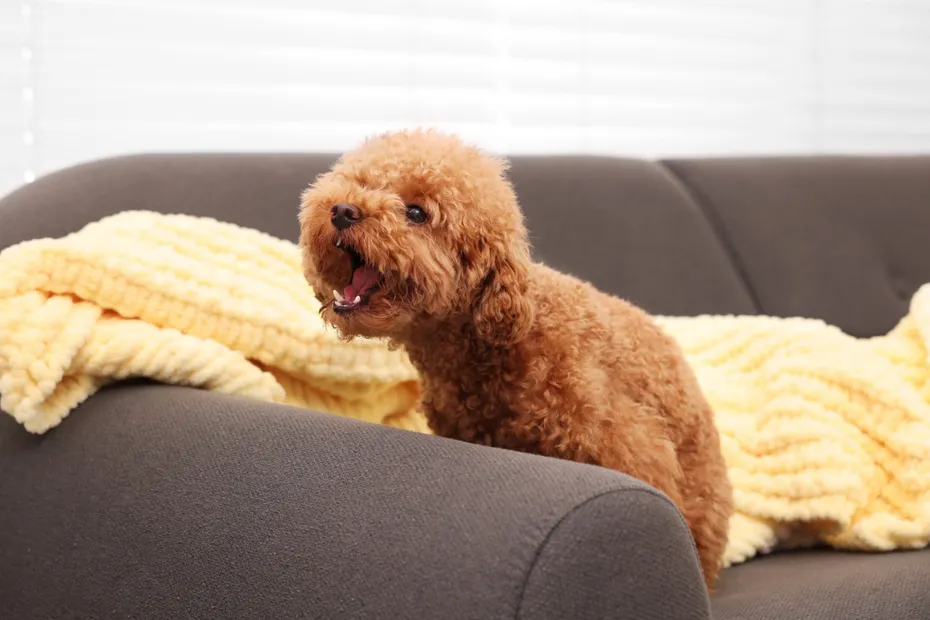
What Not to Do When Your Dog Is Barking
You should definitely avoid using any form of punishment to stop your dog from barking. Punishment only makes the dog fearful and anxious and will lead to worse behavioral issues. You don’t want to invest in electronic shock collars, which are considered inhumane for obvious reasons. You also shouldn’t consider debarking, which is a surgical procedure conducted on a canine’s vocal cords.
Dogs have good reasons to bark at times, and while training can take time and patience, it is the most effective method, and it will strengthen your bond and lead to a more well-adjusted dog.

Final Thoughts
Dogs may bark for different reasons, some of which might be helpful in certain situations. Therefore, it is essential to respond to your dog's barking in a positive way or in some situations by ignoring them, not by yelling or scolding them.
The approach that you take to address the barking ultimately depends on why your dog is barking in the first place. The best methods to tackle the barking issue entail understanding why it's happening and staying consistent with your training.
By providing your dog with the love and support that they need, they will learn when to bark and when to remain quiet.
See Also:
Sources
Featured Image Credit: Alexei TM, Shutterstock
Expert dog care, straight to your inbox
News, insights, expert advice, and everything dog.

No spam — unsubscribe anytime.
By signing up, you agree to our Terms & Conditions and Privacy & Cookies Policy.
How useful was this post?
Click a star to rate. You can leave written feedback afterwards. (We read all feedback.)
Kathryn was a librarian in a previous lifetime and is currently a writer about all things pets. When she was a kid, she hoped to work in a zoo or with wildlife in some way, thanks to her love for animals. Unfortunately, she's not strong in the sciences, so she fills her days with researching and writing about all kinds of animals and spends time playing with her adorable but terribly naughty tabby cat, Bella. Kathryn is hoping to add to her family in the near future – maybe another cat or two and a dog.