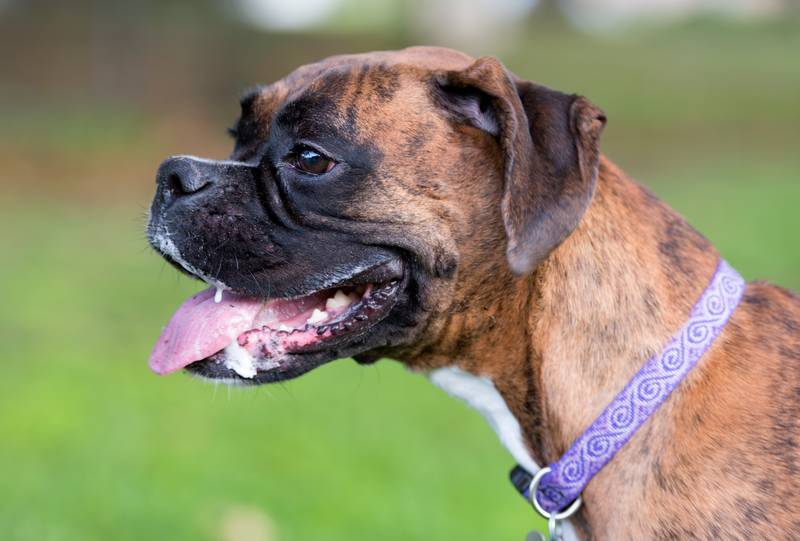
My Dog Is Drooling a Lot: When to Be Concerned (Vet Answer)
In this article
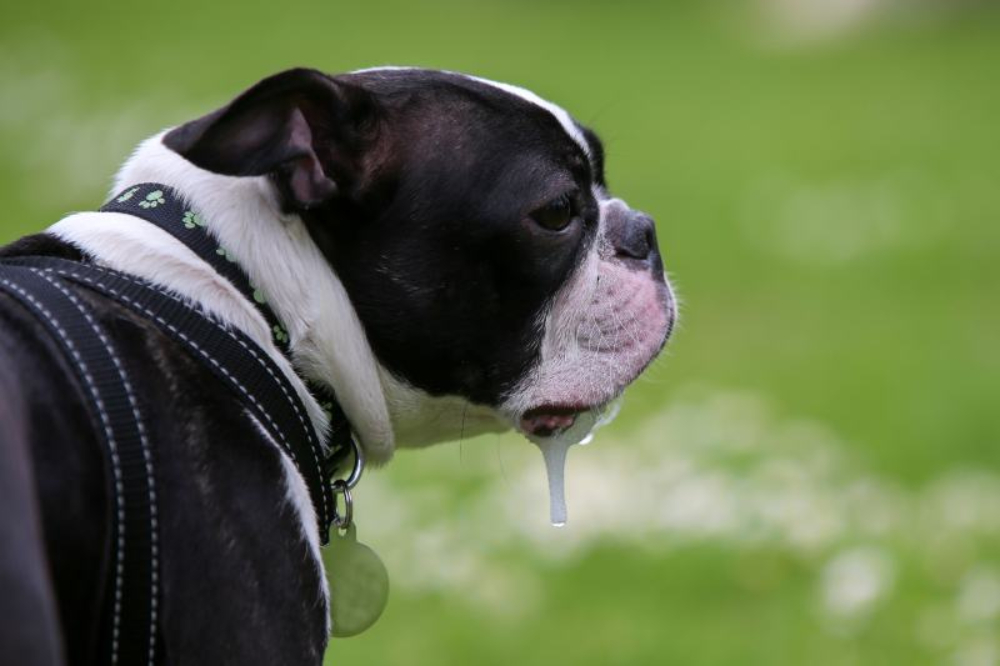
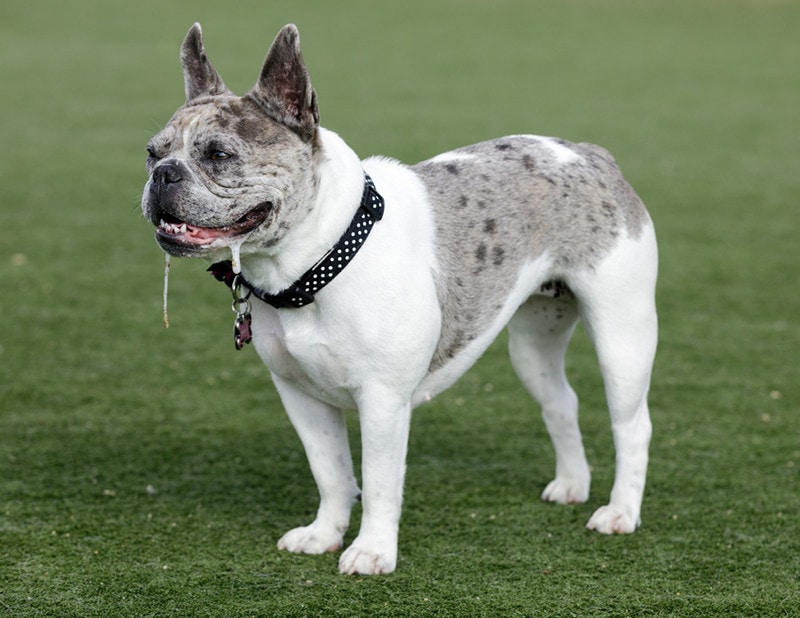
For some dogs, a bit of drool on their chin is a regular accessory to their overall look. Others may only allow the floodgates to open during meal times. While there are many normal causes of drooling in dogs, there is also a fair share of abnormal causes, some of which are potentially serious. But how are you to know?
As a dog owner, you’re likely familiar with your dog’s normal habits and characteristics, including the amount and frequency that they typically drool. So, drooling that seems excessive or out of the ordinary or comes with other signs, such as vomiting, lethargy, or other abnormal behavior, may be cause for concern. For more on dog drool and what you can do to help your pet, read on.

Is Drooling Normal in Dogs?

Drool is just the name for saliva that leaks out of the mouth. Saliva is naturally produced in a dog’s mouth by the salivary glands and is released when a dog starts to eat or sometimes when they think that they will get to eat. Saliva serves several important functions, including:
- Moistening food to help with swallowing
- Clearing bacteria and debris from the mouth
- Lubricating the tissues of the mouth
Dog saliva does have antibacterial and healing properties.1 It’s also a major component of those sloppy dog kisses!
Saliva is a vital part of initiating digestion and keeping the mouth as healthy as possible. Most of the time, it does this without much attention from you—until it starts to escape the mouth. Saliva is released when a dog starts to eat, and the food in their mouth is usually enough to absorb the saliva that’s produced, so you typically don’t see drooling while your dog is eating, but that doesn’t mean it doesn’t happen.
Some dogs will also start to drool when the thought of food passes through their mind. This may be when it’s close to dinner time, when you open the treat jar, or when your meal is put on the table. In these cases, there’s no food in their mouth to utilize the saliva, so it may leak out.
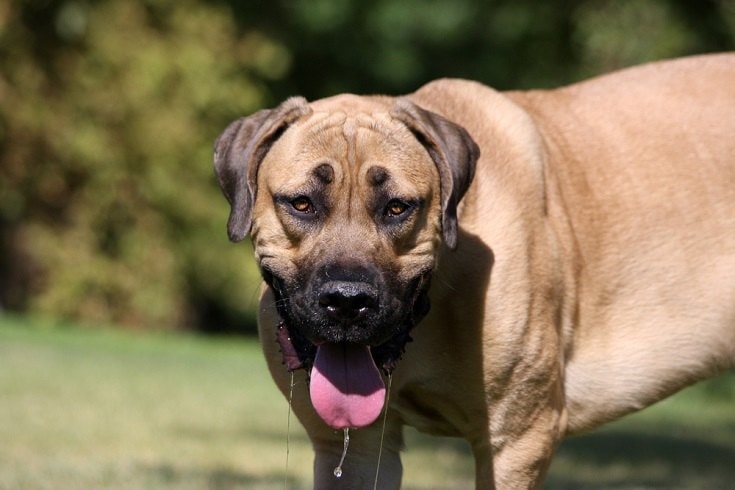
Another normal reason for drooling is your dog’s facial anatomy. Dogs with large lips, such as Mastiffs, Bloodhounds, or Saint Bernards, may drool more because their lips fail to hold it in.
When Should I Worry About My Dog Drooling?

If your dog is a normal drooler around dinner time, they are likely fine. However, if their drooling reaches new levels in that they are drooling larger amounts or more frequently, it could indicate that something is wrong. Also, if your pup starts drooling suddenly, especially when not associated with food, it’s time to see your vet.
Drooling, in combination with other signs, such as not eating, vomiting, lethargy, incoordination, aggression, or any other strange behavior, also warrants a vet visit, and the sooner, the better. Drool with a foul odor, change in color, or blood should be checked. If you’re at all concerned about your dog’s drooling, don’t be afraid to speak to your vet.
If your dog shows any of these signs, we recommend speaking with a vet.

Why Has My Dog Suddenly Started Drooling Excessively?
This is a broad topic, as drooling can be a sign that something is wrong anywhere from the mouth to the colon. Taking note of other signs and the timeframe of when the drooling started may help you narrow down the cause.
1. Oral Causes of Excessive Drooling
The mouth is a good place to start. Drooling may be a result of dental disease, which can create inflammation in the gums, periodontal tissue, and even the linings of the cheeks. Injuries to the inside of the mouth, tongue, or teeth can occur from chewing on objects that are too sharp or too hard, from eating caustic substances, or from burns. Dogs can also get tumors and infections in their mouth that may lead to drooling.
Be on the lookout for bad breath, unwillingness or difficulty eating, bleeding, swelling of the face, gums, or throat, or wounds in the mouth, along with drooling.

2. Digestive Causes of Excessive Drooling
Anything that upsets the stomach can potentially lead to nausea and drooling. This includes infections, eating something that they shouldn’t, an obstruction, inflammatory bowel disease, and cancer. Dogs may also have vomiting, diarrhea, stomach pain, lethargy, weight loss, and inappetence.
Canines may also drool if their ability to swallow is compromised. This can be due to an obstruction or inflammation in the esophagus, a tumor, or a nervous or muscular issue affecting the mouth or throat.
3. Anxiety
An anxious dog may pace, pant, whine, and drool. They may try to hide or become aggressive. There are many different manifestations of anxiety in dogs, with many different causes. A change in their environment, an addition to the family, strangers being around, or a nosy neighbor dog may all be to blame.
An issue that often accompanies anxiety is motion sickness. Dogs may start to drool when riding in a car, partly due to the actual motion making them nauseated but also partly due to the stress of not knowing what’s going on or associating the ride with going to the vet or other places that they don’t necessarily prefer.
Anxiety can be helped by reducing the triggers, if possible, sticking to a routine, providing your dog with a safe place to retreat, taking short frequent car rides with rewards at the end, or sometimes giving them medication.

4. Other Causes of Excessive Drooling
Heat stroke, dehydration, kidney or liver disease, toxins, neurological conditions, or infections like rabies can all lead to drooling. You may also notice inappetence, trembling, incoordination, a fever, or excessive panting. Be sure to see your vet if you suspect any of these conditions because they can be quite serious.

Can Excessive Drooling in Dogs Be Treated?
Definitely see your vet if your dog’s drooling is more excessive than usual, came on suddenly, or is associated with other signs. Help them out by noting when the drooling started, if it’s associated with anything, what your dog was doing before the drooling started, and any other signs that you’ve seen.
From there, your vet will start the exam, paying particular attention to the mouth, throat, and abdomen. They may run blood work or use imaging.
Treatment of drooling will focus on the underlying cause. Your pup may need a dental cleaning, antibiotics, a diet change, or even surgery to help their drooling.

Frequently Asked Questions (FAQ)
Do Dogs Drool When in Pain?
Stomach pain can be coupled with nausea, which can lead to drooling. Pain in other areas of the body may create significant discomfort or distress, which can also cause a dog to drool. Watch for lameness, a hunched back, whining or crying when touched, or unwillingness to move.
Do Dogs Drool When Dehydrated?
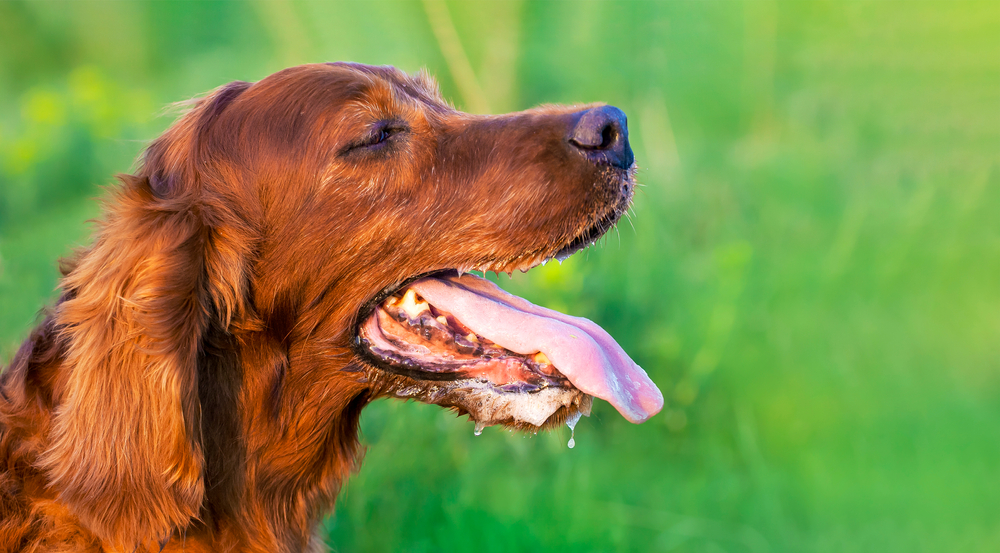
A dog’s main way of cooling down their body is by panting, which moves air through the mouth and upper respiratory system, leading to evaporation. Dehydration or overheating can bring on drooling because the dog is trying to cool their body by increasing moisture in their mouth. Drool may become thicker and ropier as the dog becomes more dehydrated. Dehydration and overheating are serious issues that should be treated by a vet immediately.

Conclusion
If your dog is drooling, there’s usually no reason to be concerned, especially if they’re a more slobbery breed and/or the environment is particularly warm. That said, you know your dog best and should be able to determine whether their drooling is normal. If it’s not, see your veterinarian for a proper diagnosis and treatment. If your dog’s drooling does fall under normal circumstances, you can try using a bib or bandana to help contain the drool in one area to keep it off furniture, floors, etc. You may also consider placing absorbent, washable rugs under and near food bowls and beds and not feeding your pup right before a car trip to help decrease motion sickness.
See also:
Featured Image Credit: Cari Rubin Photography, Shutterstock
Expert dog care, straight to your inbox
Vet-reviewed advice, training tips, and the best of Dogster. Free, and you can unsubscribe anytime.
By signing up, you agree to our Terms & Conditions and Privacy & Cookies Policy.
Dr. Chyrle Bonk DVM (Veterinarian)
On top of caring for animals and writing for veterinary publications, Dr. Chyrle Bonk owns a small cattle herd! When she’s not busy with those things, she can be found somewhere enjoying the Idaho outdoors with her husband and two kids. Dr. Chyrle Bonk received her Doctor of Veterinary Medicine (DVM) from Oregon State University in 2010.
Chyrle has practiced in a mixed animal clinic for over a decade. She also writes for various veterinary websites and magazines, like Dogster!
Join the conversation
Ask a question, share your story, or send private feedback.