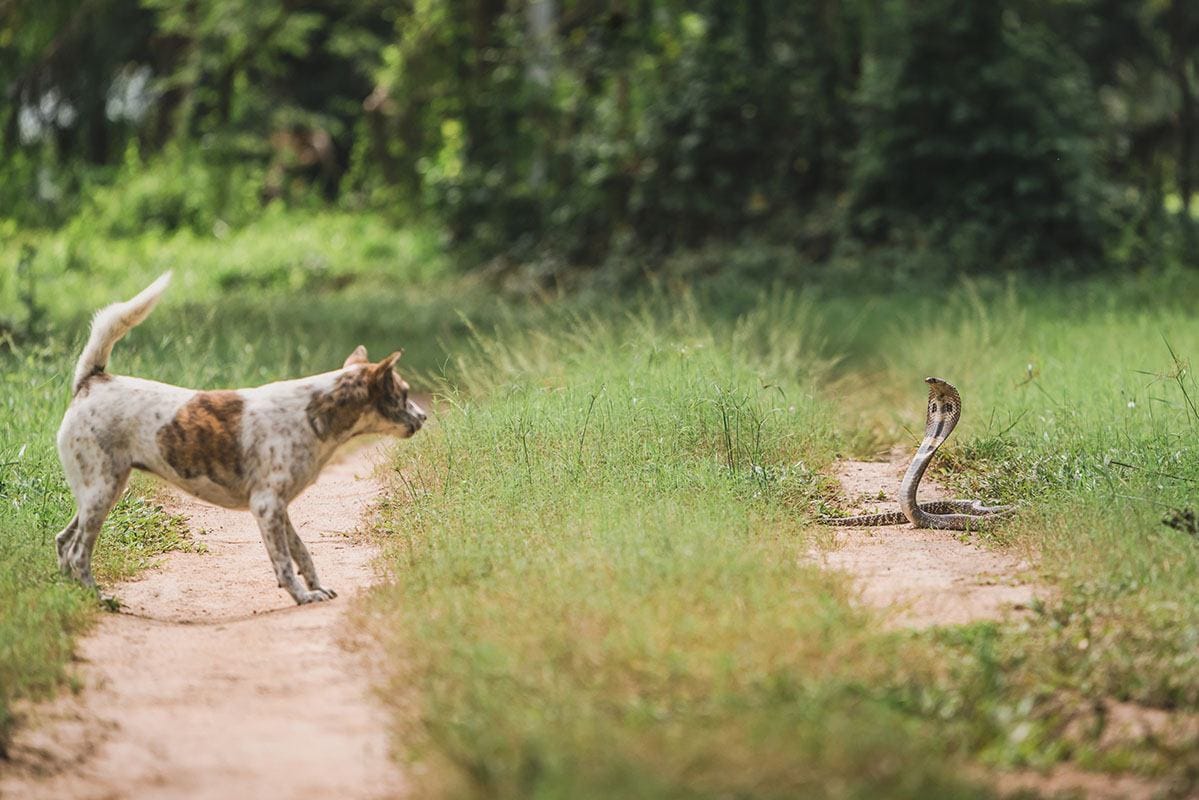
Dogs are considered predators to many types of animals, including birds, cats, guinea pigs, goats, and even cows. We do not typically spend much time thinking about the types of predators that could attack our dogs, but it is a topic worth discussing. Granted, there are not many predators to worry about in your own backyard—unless you live near forests where large wild animals are found.
Also, if you like to take your pooch along when going on nature hikes, camping trips, and hunting trips, predators are certainly a concern. There are a few different types of animals that would attack a dog if given the chance. We will delve into the world of dog predators today and learn about each one so you know how to protect your pooch from them.

The 10 Animals That Attack Dogs
1. Cougars
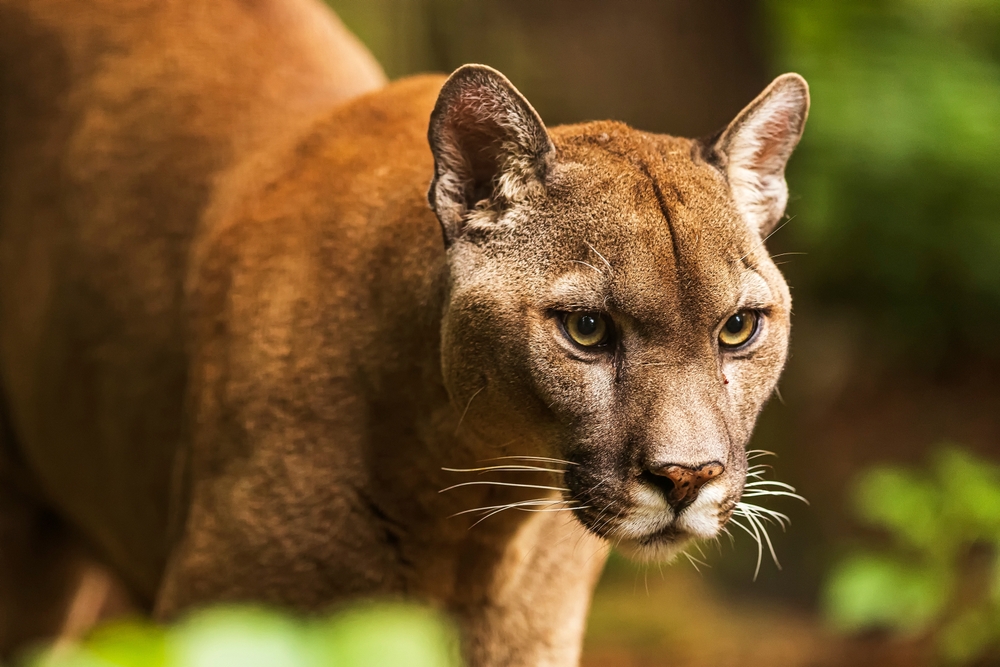
These animals were once near extinction, but the sightings are trending upward throughout the west and southwest areas of the United States. These animals are also found in parts of Florida, where they are referred to as Florida panthers.
Cougars rarely treat humans as prey, but they will take any opportunity to hunt down livestock and pets like dogs and cats.
2. Coyotes
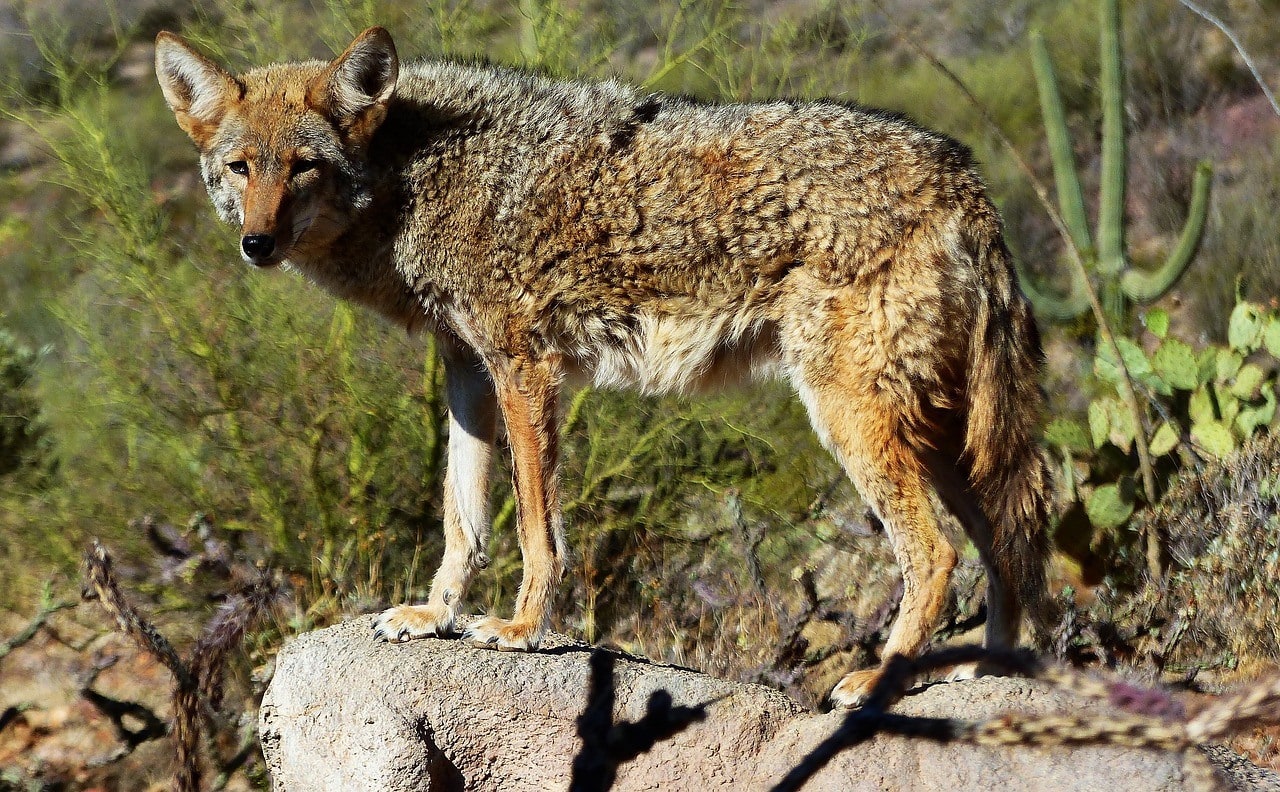
Unfortunately, many dogs and cats are lost to coyotes during the summer months. They live wild everywhere in the United States, and there is no shortage of them. You may come across a coyote in a national park or while visiting a river. Those who live in rural areas often spot coyotes on their properties.
Never leave food out while camping, as it can attract coyotes and bring their attention to your dog.
- Related Read: What Is a Coyote Vest for Dogs? You Need to Know!
3. Snakes
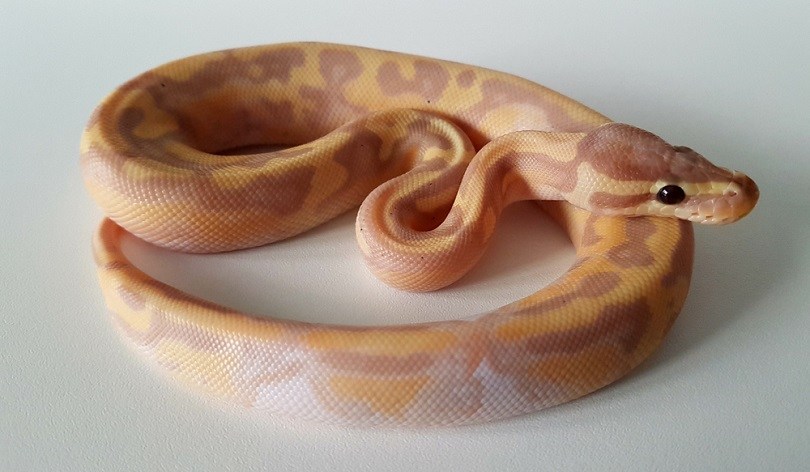
The snakes that dog owners should be worried about are the venomous ones, such as the viper. A snake bite itself would not injure your dog seriously. However, the poison that is injected into them during the bite could be deadly. Unfortunately, venomous snakes live in most forests, parks, and other public places throughout North America.
Keeping your dog on a leash during nature hikes and making sure they don’t stray too far from your campsite can help reduce their risk of becoming a snake’s prey.
4. Birds of Prey (Hawks, Owls, Crows, and Eagles)
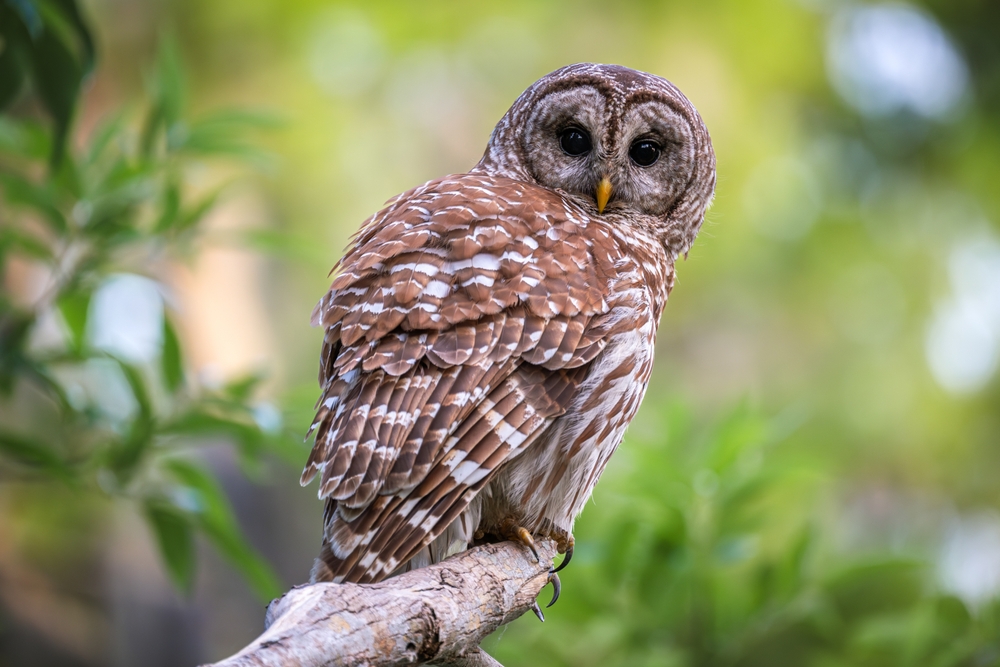
Birds of prey can pose a serious threat to small dogs. Hawks and eagles have been known to swoop down and snatch small dogs in open areas. Owls are nocturnal hunters that may target small pets at night. Crows, while not typically predators, can attack dogs if they feel their nests are threatened.
Keeping small dogs supervised outdoors and avoiding open spaces where these birds hunt can help reduce the risk of an attack.
5. Bears
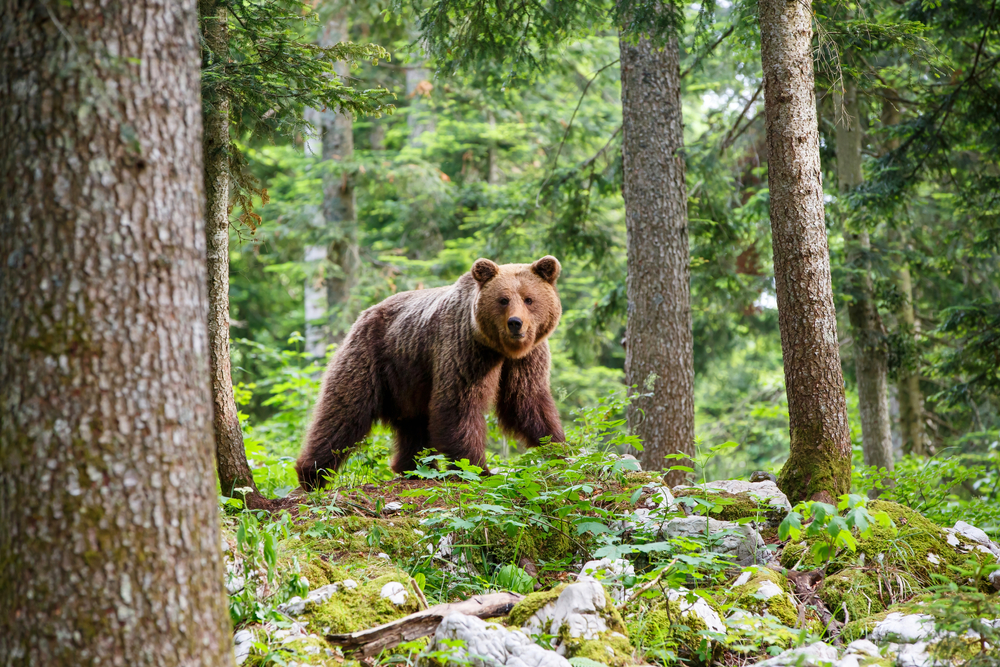
Bears generally avoid human activity, but if they feel threatened or are searching for food, they may attack dogs they encounter. A dog barking at a bear can provoke an aggressive response, leading to serious injuries or even death. Black bears and grizzlies are the most common threats in North America.
Keeping food secured while camping and keeping dogs on a leash can help prevent dangerous situations.
6. Wolves
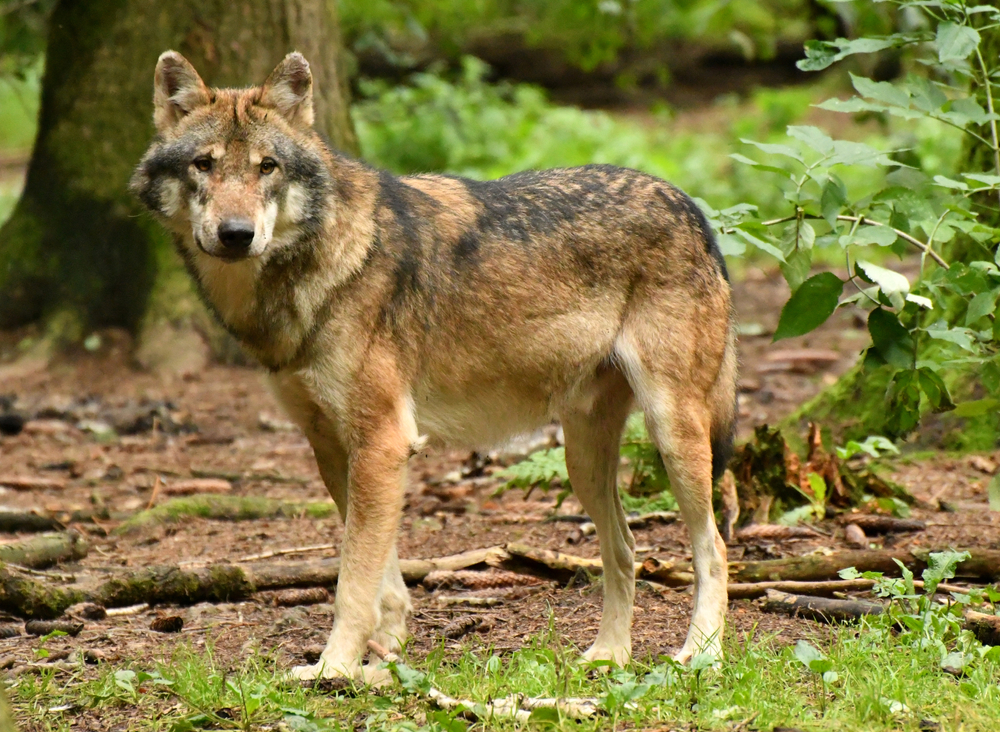
Wolves are powerful predators that can pose a threat to dogs, especially in rural or forested areas. They may see running or barking dogs as competitors or prey. Keeping dogs leashed and avoiding areas where there are wolves can help prevent these encounters.
7. Alligators
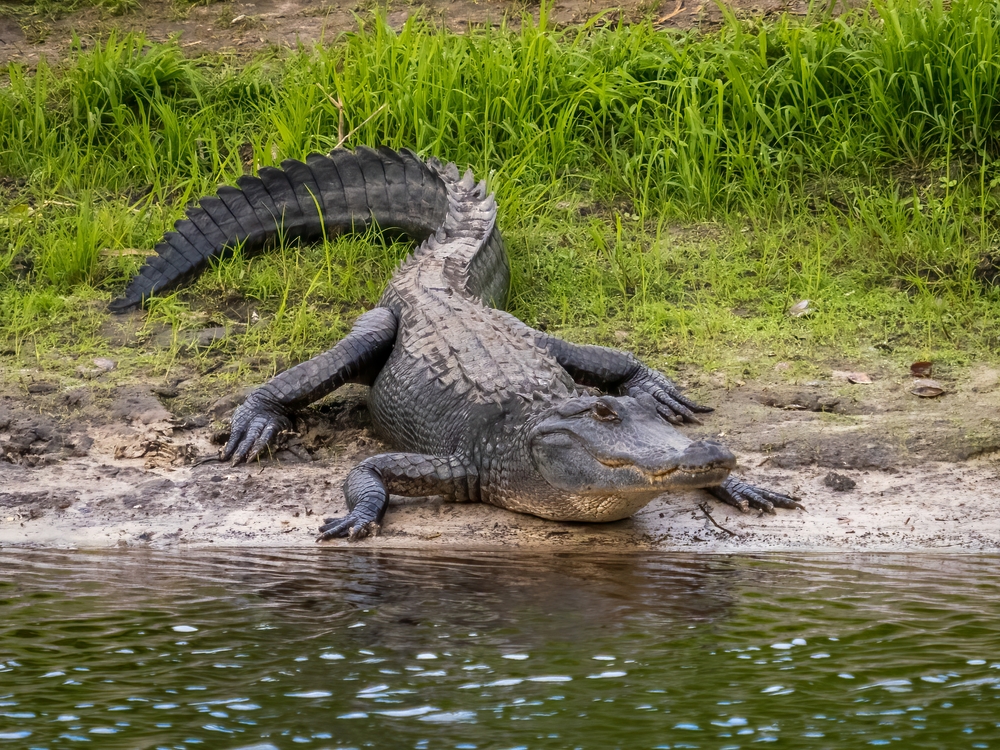
In regions with swamps, alligators can be a serious threat. They are ambush predators and can attack dogs that get too close to the water. Always keep dogs away from bodies of water in alligator territories.
8. Groundhogs
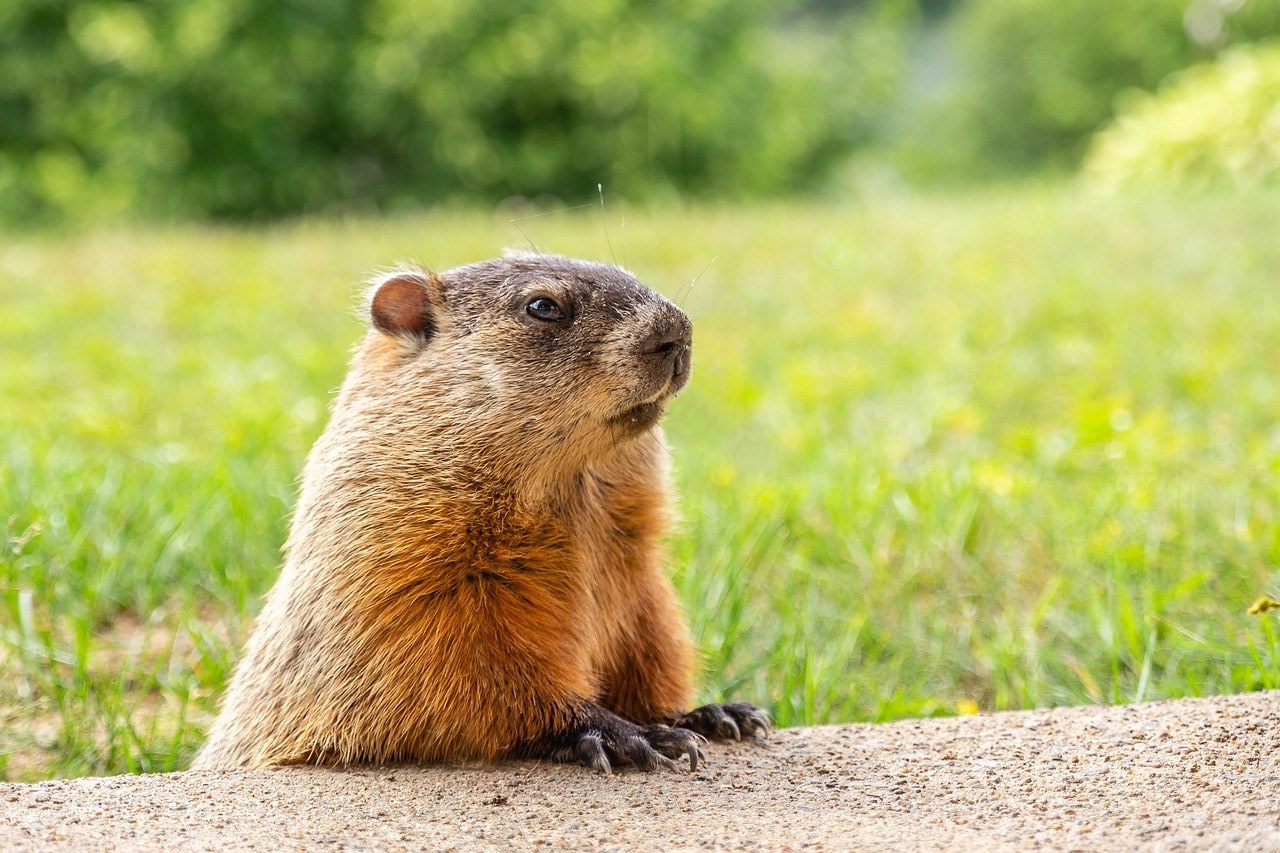
Groundhogs do not typically chase after and attack dogs. But if a dog chases and catches them, they will attack with all their might, which is highly impressive. Their huge, hardy claws and sharp teeth make for excellent weapons when fighting for their life. Interestingly, groundhogs are commonly found in new housing developments, where fields or forests have been recently cleared.
While a groundhog likely will not kill your dog, they can cause serious damage that requires a veterinarian’s immediate care.
9. Skunks
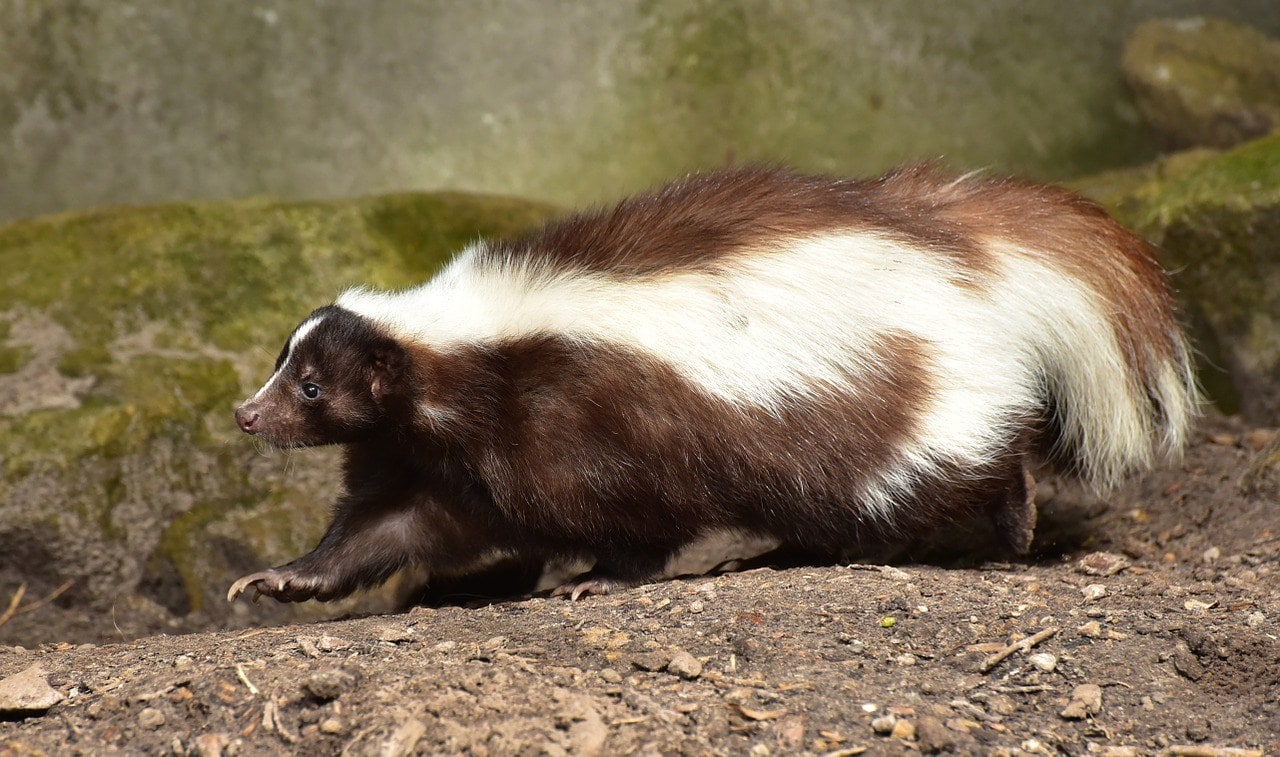
Getting attacked by a skunk’s spray is punishment enough for humans and dogs alike. However, skunks have large, sharp claws that can cause injury to your dog if they are perceived as a serious threat. The good news is that skunks usually do not pull their claws out because their spray already works wonders.
They use their claws as a last-resort defense mechanism. Most injuries made by a skunk’s claws do not require any stitches or other medical procedures.
10. Porcupines
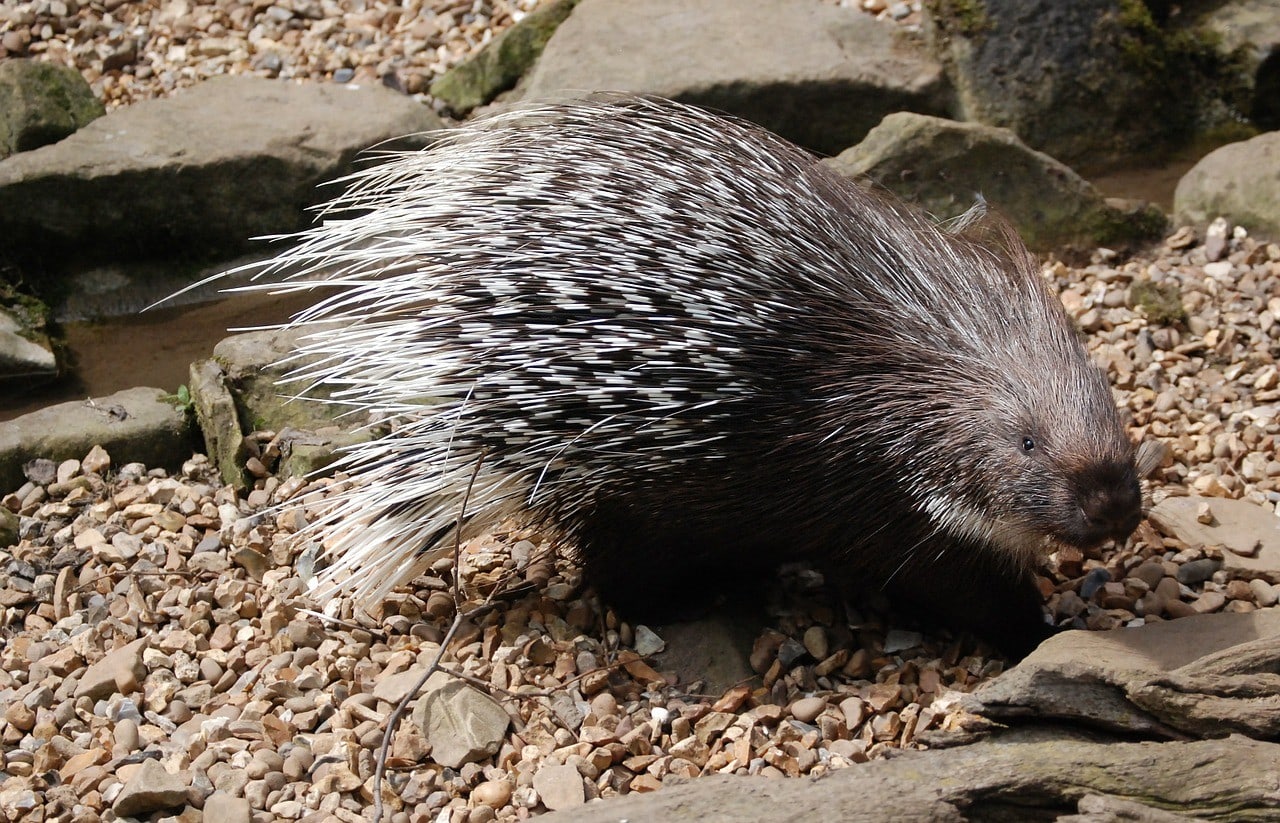
Like groundhogs and skunks, porcupines do not typically attack dogs unless they get harassed or attacked first. They do not travel fast and they are interesting to dogs, which entices dogs to chase them down and investigate.
Once a dog is close enough, the porcupine’s quills dislodge and enter the dog’s legs, chest, head, and anywhere else that is exposed. It can take a veterinarian hours, if not days, to dislodge the quills from a dog’s skin.
11. Raccoons
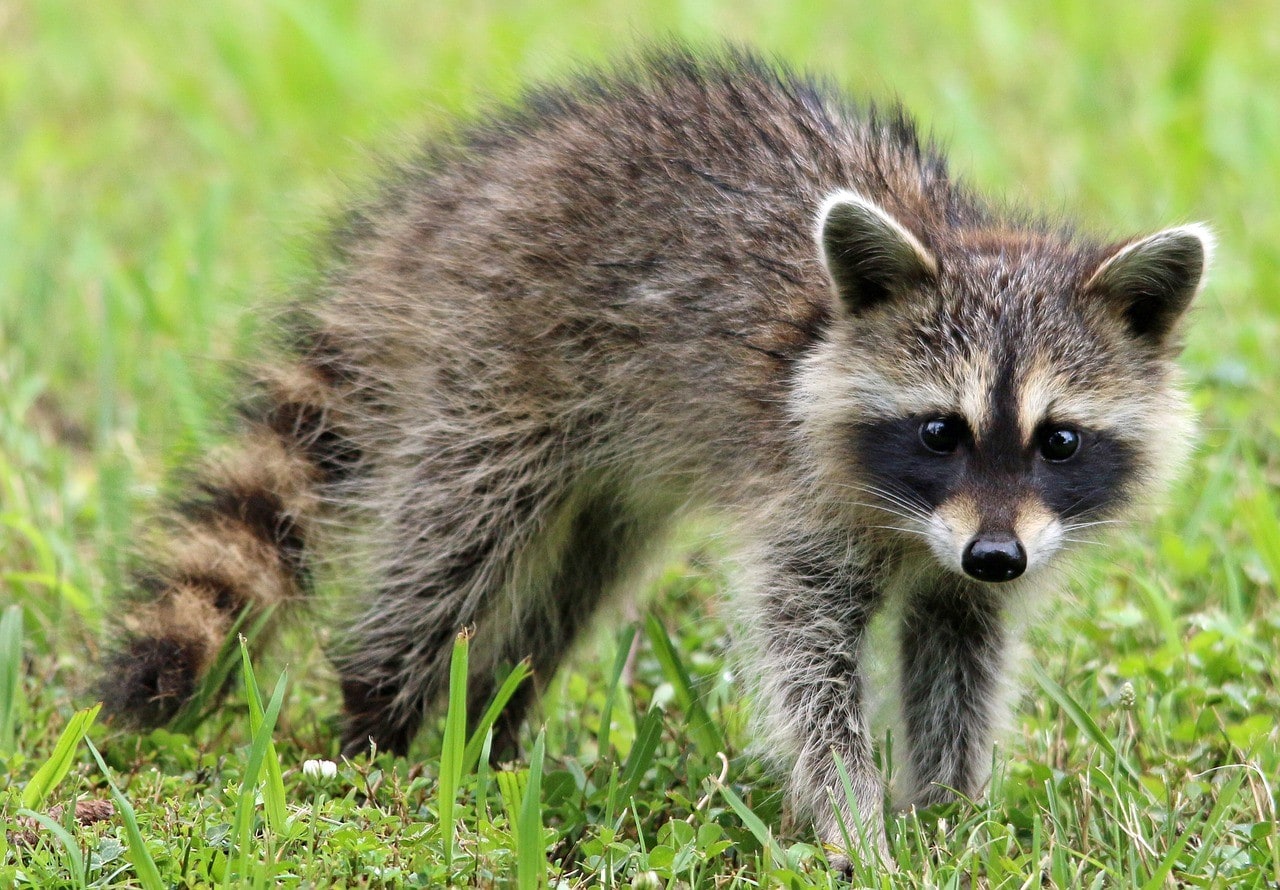
The reason raccoons are so dangerous to dogs is that they harbor rabies, which is almost always deadly to a dog if they have not been properly vaccinated for the disease. All a raccoon must do is bite your pooch one time to cause serious injury and a risk of illness. It is best to keep dogs far away from raccoons to minimize the risk of them getting rabies.
If you live in an area with a high raccoon population, keep your garbage cans sealed and pet food inside to minimize the chance that raccoons will enter your yard.
12. Squirrels
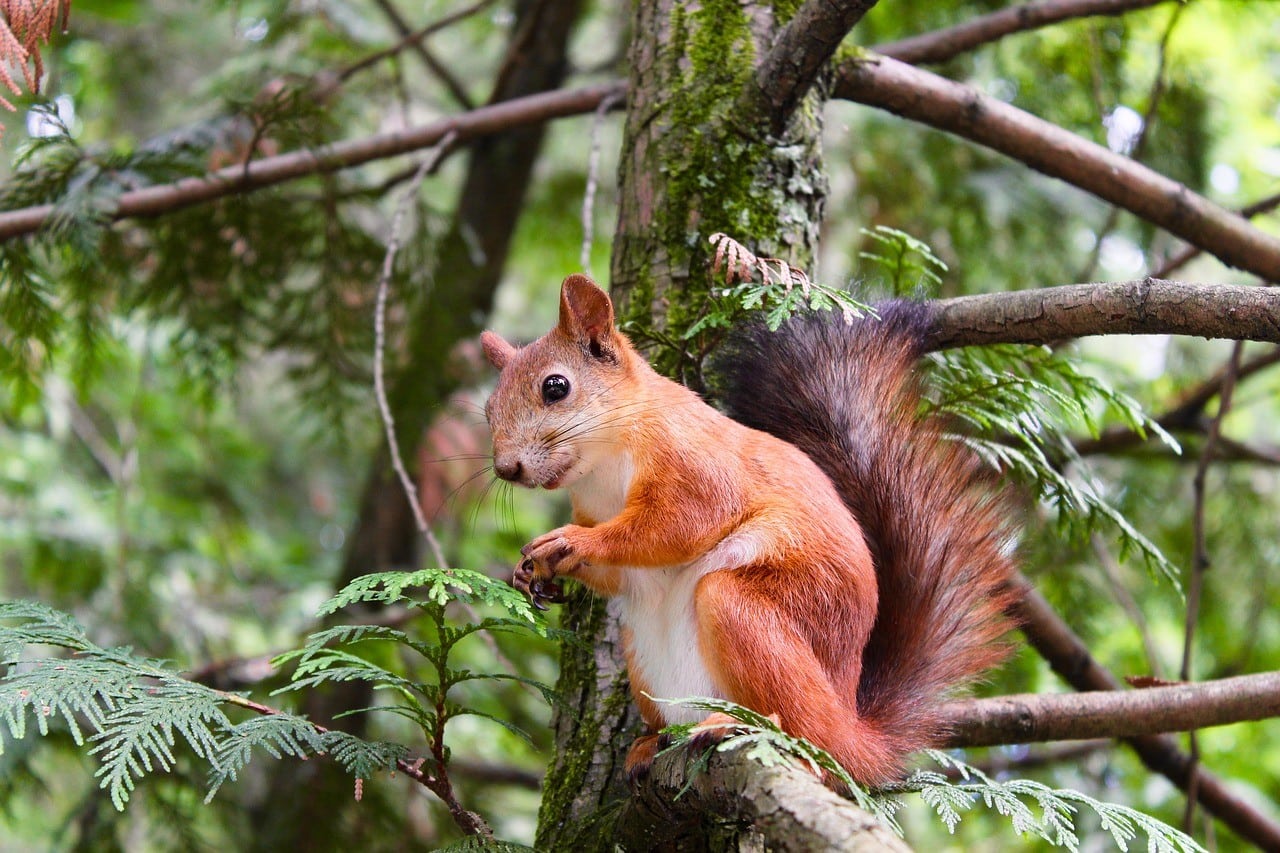
These squirrely little animals are not usually aggressive, but they will be if a dog tries to capture them. Granted, your dog will likely win the fight if they do happen to catch a squirrel. However, squirrels can cause damage to your dog’s tissues and nerves. Many injuries that squirrels inflict on dogs require a veterinarian’s attention and sometimes, remedies such as stitches.
An effective way to prevent squirrel injuries is to make sure that your yard is free of foods like nuts and veggie scraps that would attract the squirrels to your yard in the first place.
13. Javelinas
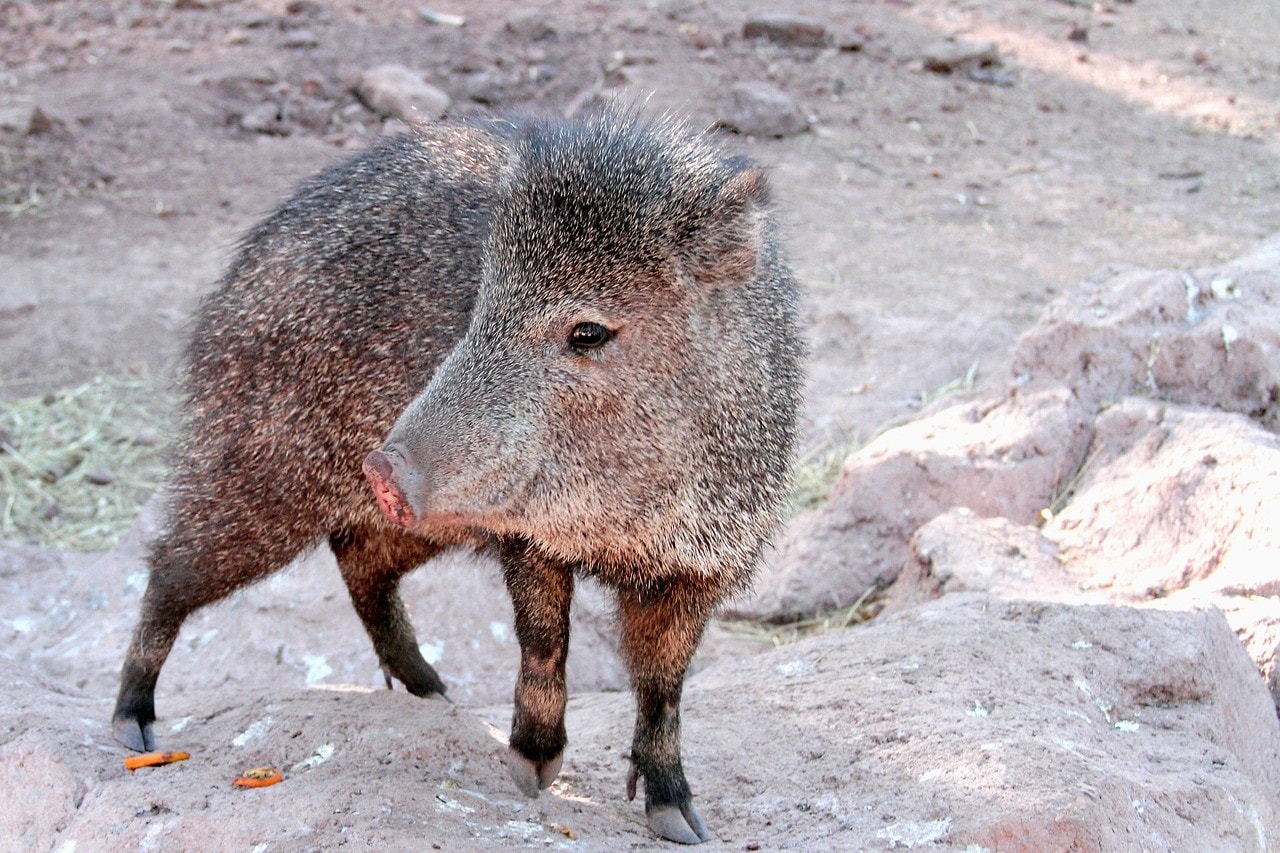
Javelinas are land mammals that look like wild pigs. They have huge, sharp tusks that can easily pierce the skin like a knife, hence their name. Javelin is a Spanish term commonly used to describe a sword. Javelinas are most commonly reported in Arizona, but they can live anywhere. The tusks of a Javelina are not the only threat to your dog.
If your pooch gets punctured while on a nature hike, you will probably have a long way to go to find a veterinarian for assistance. The delay in treatment can turn a serious injury into a death.
14. Scorpions
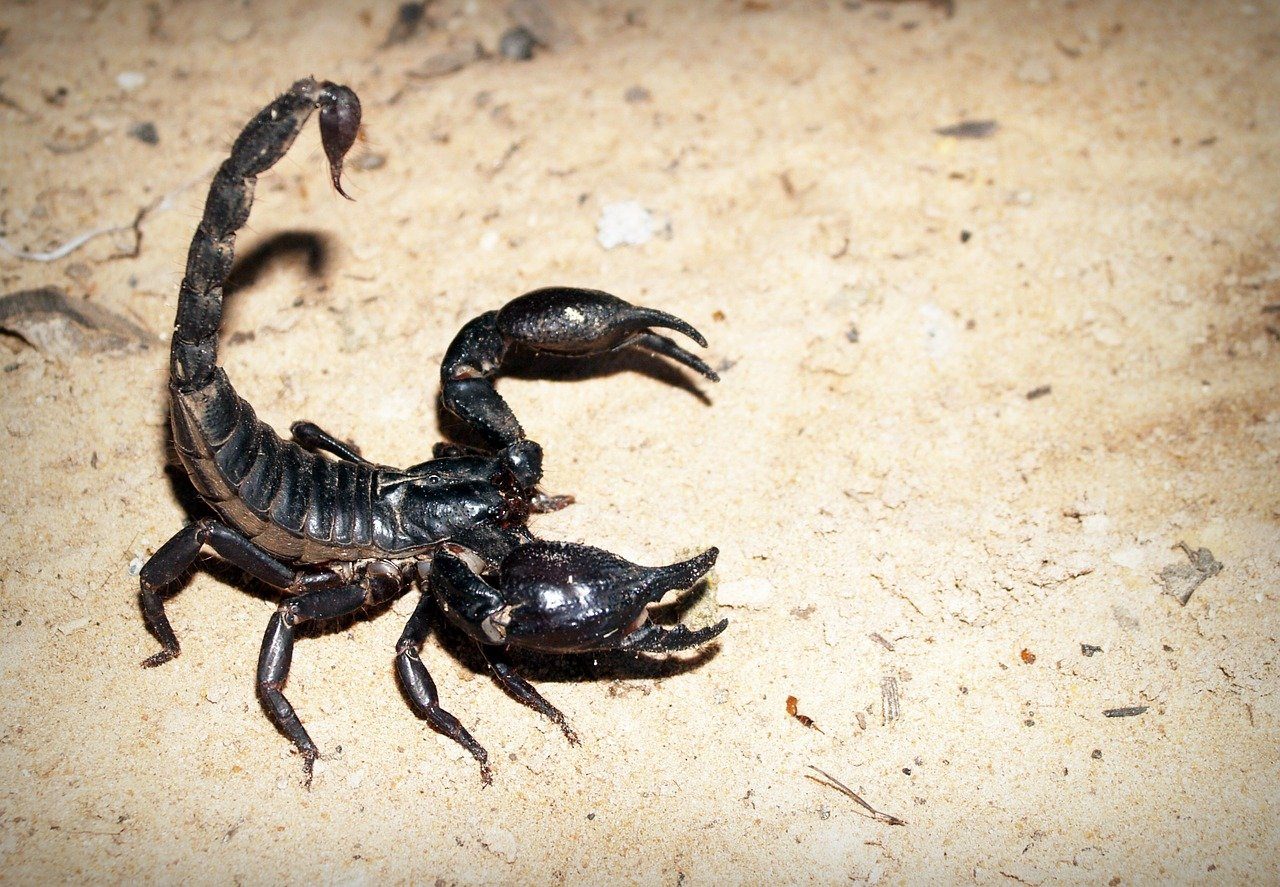
Hawaii and Arizona harbor the most scorpions in the United States, so unless you live in either of these states, the chances are low that your pooch will end up on the receiving side of a scorpion’s tail. However, if you do live in an area known for harboring scorpions, be aware that scorpions insert venom into their victims that can make them seriously ill, if not kill them.
This includes humans, dogs, cats, and many other living creatures. Most of the time, a scorpion attack results in serious pain, swelling, and inflammation in the affected area and sometimes, serious illness.
In Conclusion
With a little commitment and attention to detail, you can keep your pooch protected from predators. The good news is that most people do not have to worry about predators when living in residential neighborhoods. If you live on a farm or in a deeply rural area, though, you may have more work to do.
Featured Image Credit: Tharaka Wickramarathna, Shutterstock
 The 10 Animals That Attack Dogs