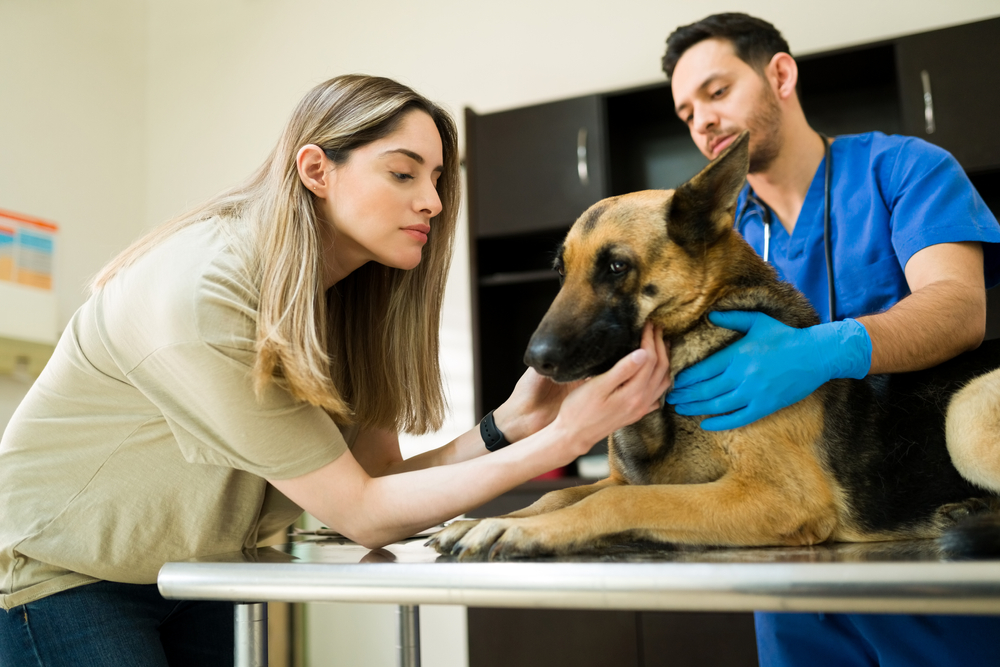
Contact your veterinarian immediately if you think your dog has ingested a toxic substance. You can also contact the ASPCA Animal Poison Control Center at (888) 426-4435 or the Pet Poison Helpline at (855) 764-7661, both available 24/7.
Due to their tendency to investigate everything with their mouths, dogs can sometimes get into trouble. Not all edible things are good for canines, and in fact, certain items can be downright dangerous and pose serious health risks.
Let’s explore the worst things for dogs to eat so we can better protect them against themselves.

The 12 Worst Things for Dogs to Eat
1. Chocolate
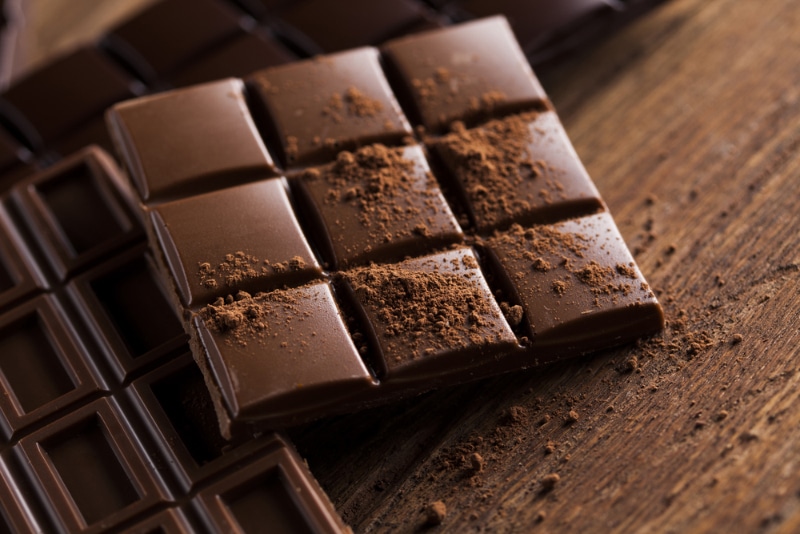
This is a classic; chocolate. Although it is a treat enjoyed by many people, chocolate also contains theobromine and caffeine. Unlike us, dogs can’t metabolize these chemicals, which can cause devastating side effects, such as vomiting, diarrhea, rapid breathing, increased heart rate, convulsions, and even death in the most severe cases.
Dark chocolate and baking chocolate are particularly dangerous due to their higher concentrations of theobromine, while white chocolate and milk chocolate are less toxic. That said, the sugar and other ingredients in these foods can still give your dog a gasto-intestinal upset, so it’s essential to keep all your chocolatey treasures away from your pet.
2. Xylitol
Xylitol is a naturally occuring sugar alcohol that is used as a sugar substitute found in various products, from sugar-free gum to peanut butter. Although this natural sugar does not have the same effect in humans, it can cause a rapid release of insulin in canines, leading to dangerous hypoglycemia (low blood sugar) and in some cases liver failure. It is therefore imperative to keep products containing xylitol out of your pet’s reach.
3. Onions and Garlic
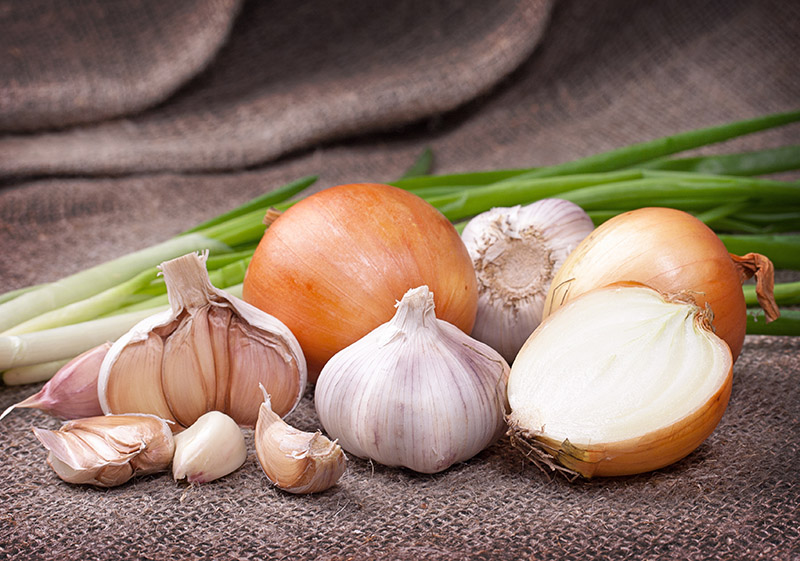
Onions, garlic, and other members of the Allium genus contain toxic compounds that can damage red blood cells in cats and dogs, leading to a condition called hemolytic anemia. Even tiny amounts of these foods are enough to cause toxicosis in felines, and ingesting large amounts can also be dangerous in canines, especially if eaten regularly over time. It’s best to avoid feeding dogs any food seasoned with onions or garlic and to keep these ingredients away from your pup’s food bowl.
4. Macadamia Nuts
Macadamia nuts are toxic for dogs. While the exact toxic component is unknown, the ingestion of macadamia nuts can cause weakness, tremors, vomiting, fever, and difficulty walking. The clinical signs may appear within 12 hours of ingestion and can persist for up to 48 hours.
If you need to speak with a vet but can't get to one, head over to PangoVet. It's our online service where you can talk to a vet online and get the advice you need for your pet — all at an affordable price!
5. Alcohol

Alcohol is extremely dangerous for dogs. Even small amounts of ethanol, the type of alcohol present in alcoholic drinks, can cause intoxication, leading to signs like vomiting, diarrhea, difficulty breathing, tremors, and even coma or death. Dogs are much more sensitive to alcohol than humans, so even a small sip of beer or wine can have serious consequences. The more alcohol consumed, the more seriously dogs tend to be affected.
6. Bones
While bones are often thought of as natural treats for dogs, they can pose significant risks. Cooked bones in particular can splinter and cause damage to the mouth and esophagus, gastrointestinal blockages, or other internal injuries. Raw bones carry a risk of bacterial contamination by pathogens like E. coli or Salmonella. Instead of bones, consider safer alternatives, such as dog-friendly chew toys.
7. Avocado
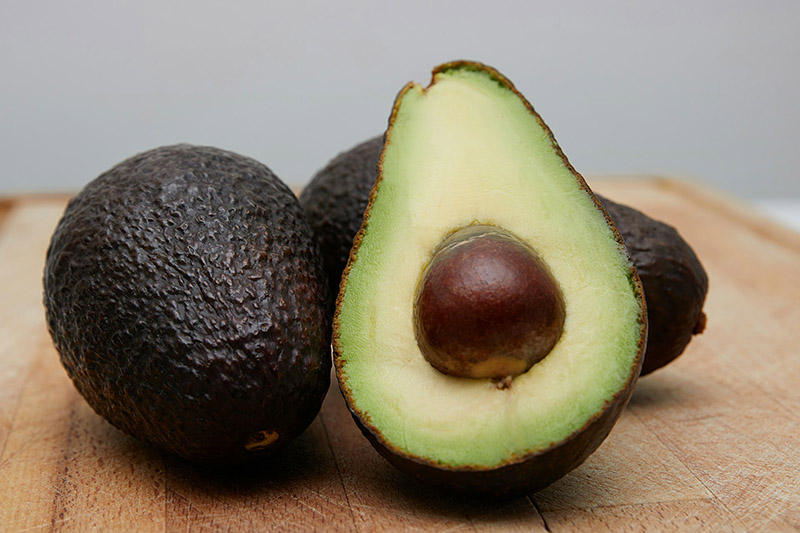
Avocado contains a substance called persin, which mainly affects birds and other large animals like cows but rarely affects dogs and cats. However, the Pet Poison Helpline mentions that if a dog swallows an avocado seed, it can get stuck in their esophagus, stomach, or intestinal tract. They may also develop inflammation of the pancreas (pancreatitis) due to the high-fat content of avocados. Therefore, it is best to keep your avocado toast out of reach of your dog.
8. Dairy Products
While small amounts of plain yogurt or cheese may be safe for some dogs, most canines are lactose intolerant and may experience digestive upset after consuming dairy products. If you choose to offer any kind of dairy to your dog, do so in moderation and monitor them for any adverse reactions.
9. Grapes and Raisins
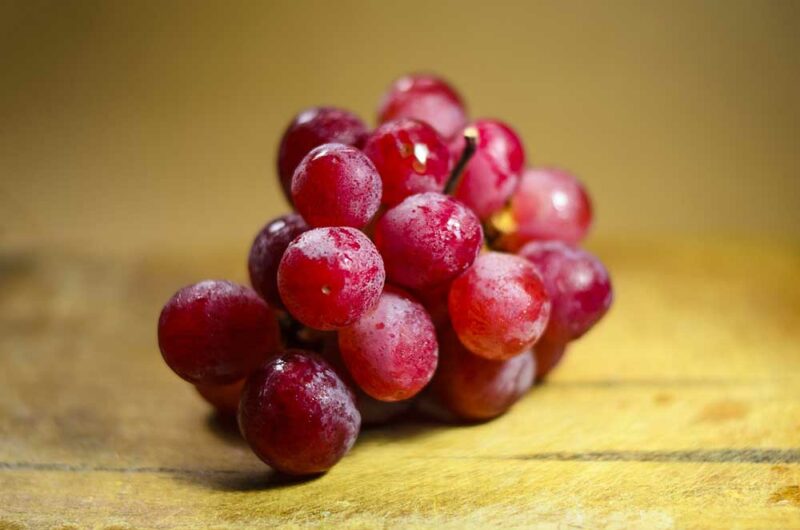
Grapes and raisins can be highly toxic to dogs, leading to acute renal failure in severe cases. Even a small quantity can lead to vomiting, diarrhea, lethargy, loss of appetite and renal failure (in susceptible animals). The exact mechanism of toxicity is not fully understood, and some animals seem to cope better with this type of toxicity than others. However, because we don’t know which dogs will cope and which won’t, it’s best to avoid feeding grapes or raisins to your dog altogether. Be extra cautious with foods that contain these ingredients, such as certain trail mixes or baked goods, and keep them safely stored away from your dog.
10. Raw Dough
Raw bread dough poses a dual threat to dogs. First, the yeast in the dough can continue to ferment in the warm, moist environment of the dog’s stomach, leading to potential bloating or gastric dilatation and volvulus, a life-threatening condition. Second, the fermentation of yeast produces ethanol which is absorbed into the bloodstream and can cause inebriation and metabolic acidosis. Keep raw dough out of reach, and promptly clean up any spills to prevent accidental ingestion by your dog.
11. Raw Meat, Fish, and Eggs
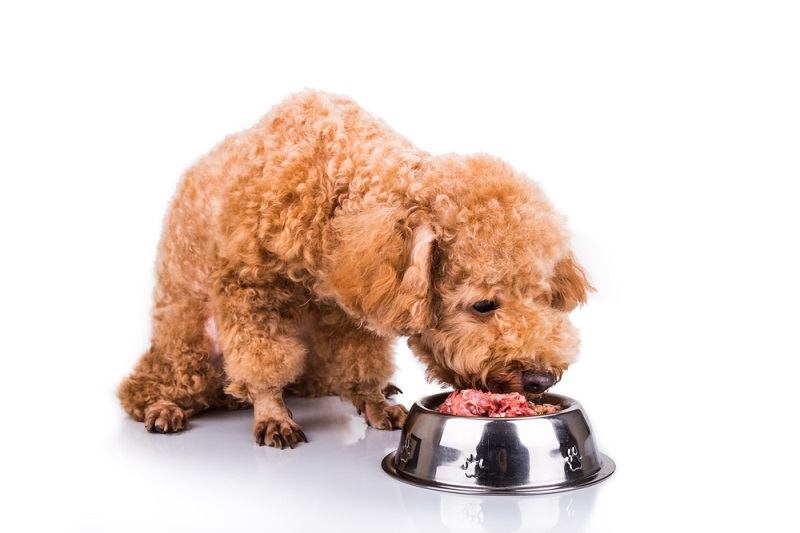
While many dogs enjoy raw meat-based diets, there are risks associated with feeding them raw meat, fish, or eggs. Uncooked meat can harbor harmful bacteria like Salmonella species and E. coli, which can cause food poisoning in dogs and humans alike. If you do choose to feed your dog a raw diet, consult with a veterinarian to ensure that it’s nutritionally balanced, and take appropriate precautions to minimize the risk of bacterial contamination.
12. Salty Foods
Excessive salt consumption can lead to salt toxicosis, or hypernatremia, which is the presence of too much sodium in the blood. Although this condition is rare in canines, it can lead to tremors, seizures, and in more severe cases, coma or death. To be safe, avoid giving your dog salty snacks like pretzels, chips, or popcorn, and be careful with foods heavily seasoned with salt.

Conclusion
Although the list of things that can be harmful to your dog may seem endless, you need to be aware of the potential dangers so you can keep your canine companion safe. Obviously, monitoring everything that your dog puts in their mouth is an impossible task, but you can still do your best to make sure they don’t stick their tongue where they shouldn’t.
- You might also like: Is Rawhide Dangerous for Dogs? Vet-Approved Risks, Benefits & Alternatives
Featured Image Credit: Beach Creatives, Shutterstock
 The 12 Worst Things for Dogs to Eat