Why Do Dogs Tuck Their Paws: 6 Simple Answers for Curious Owners


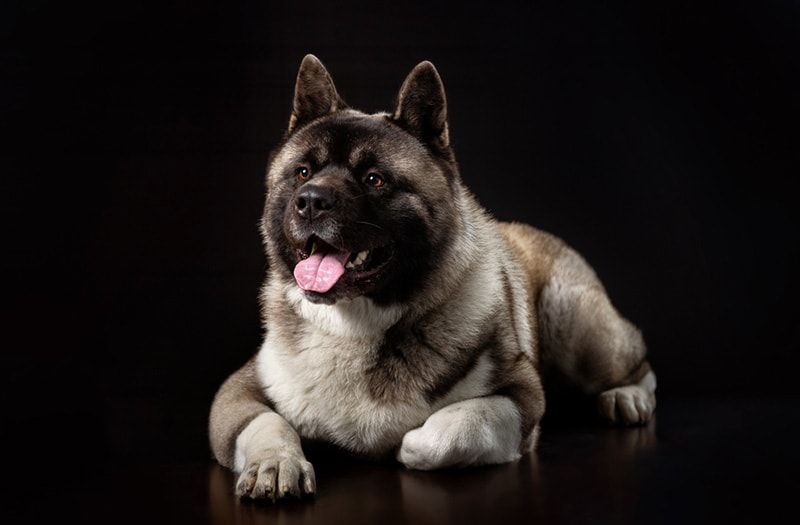
Have you ever wondered why your furry friend curls up and tucks their paws under their body while lounging or sleeping? It's a common and adorable behavior seen in many dogs, but what exactly is the reason behind it?
Here, we will explore the behavior of paw tucking and uncover what this cute-looking posture typically means. If you’re curious about your dog’s paw tucking, read on to find out more!

What Is Paw Tucking?
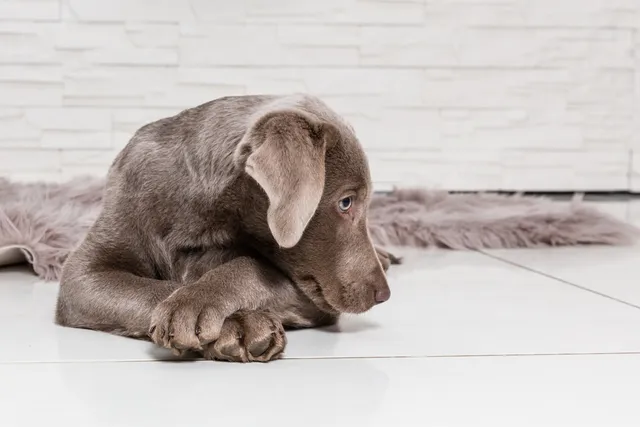
Before looking into why dogs tuck their paws, we first need to understand what it actually is. Paw tucking refers to the act of a dog curling up their paws underneath their body while resting, sleeping, or even when they’re wide awake.
This behavior can vary in intensity, from a slight tuck to a full wrap where the paws are tucked tightly against the body, affectionately known as the ‘loaf’ position. Now, let’s explore six intriguing reasons why dogs might want to tuck their toes.

Why Do Dogs Tuck Their Paws?
Dogs often tuck their paws underneath their body while resting simply because it’s a comfortable and natural position. This posture allows them to settle into a compact shape, which can help conserve body heat and support relaxed rest, especially in cooler environments. It’s one of several normal ways dogs choose to lie down, and it doesn’t usually carry a specific emotional or behavioral meaning.
For many pet parents, this position feels especially endearing. The rounded, tucked-in posture can make dogs look smaller, calmer, and content, which naturally draws a positive emotional response. While it may resemble how puppies rest close together early in life, in adult dogs it’s best understood as a normal resting preference rather than a sign of deeper emotional intent.
As long as your dog is otherwise moving normally, showing no signs of pain, and able to stand and walk comfortably, there’s no need for concern. If you notice abnormal paw placement, limping, weakness, or changes in mobility, it’s a good idea to consult your veterinarian to rule out any underlying issues.

The 6 Reasons Dogs Tuck Their Paws
1. Comfort and Coziness
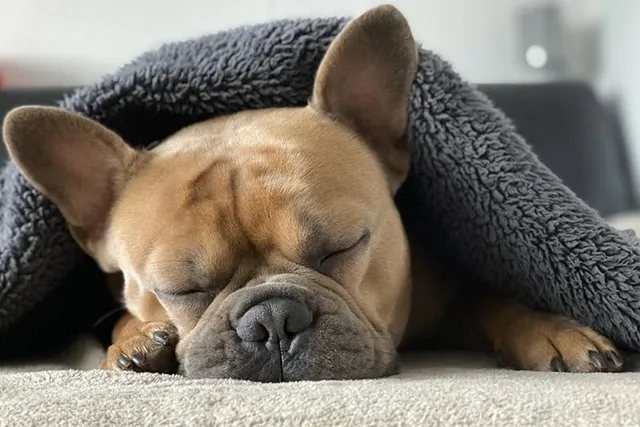
One of the primary reasons dogs tuck their paws is to find comfort and create a cozy space for themselves. By curling up and tucking their paws close to their body, dogs may help conserve body heat and adopt a comfortable resting posture. This behavior is reminiscent of their days as puppies when they used to snuggle close to their littermates for warmth and comfort.
2. Temperature Regulation
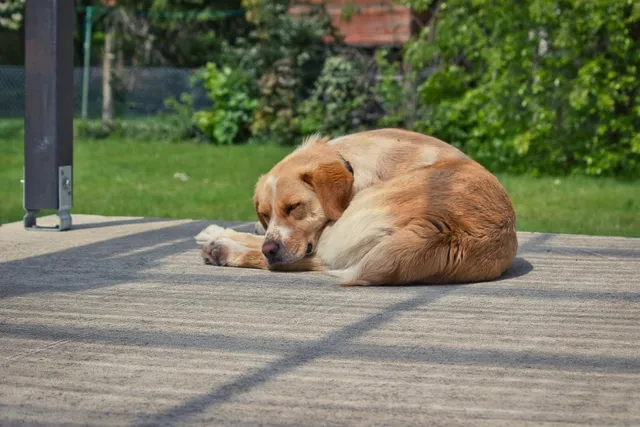
Although dogs regulate their body temperature automatically, they will adopt different poses and positions to maximize or minimize heat loss, depending on the weather. When it's chilly or windy, dogs might tuck their paws to minimize their body exposure and protect themselves from the elements. By huddling and tucking their paws, they reduce heat loss and limit exposure of extremities to cold air, helping to conserve body heat.
3. They’re Copycats
Whilst not a proven phenomenon, many pet parents with both dogs and cats claim that their dog adopts the same ‘loaf’ position as their feline counterparts. There are plenty of examples of dogs that act like cats, and vice versa, so tucked-in paws may just be a habit they’ve picked up after seeing it in a cat, or even another dog.

4. Injury
If your dog doesn’t normally tuck their paws, they may be keeping them covered due to pain or discomfort. Whilst paw licking is more common in this situation, it’s certainly worth investigating in case there’s something causing them to hide those feet away.
5. They Are Knuckling
Knuckling is when a dog isn’t placing their paw on the ground as a result of neurological issues or injury. This type of action would coincide with gait abnormalities, lameness, and other possible signs. If your dog is knuckling, consult your vet immediately.
Some dogs tuck their paws due to a condition called knuckling, where they have difficulty placing their paws correctly on the ground. Knuckling can occur due to various reasons, such as neurological issues or injuries. If you notice persistent abnormal paw placement, accompanied by abnormal gait or mobility problems, it's important to consult a veterinarian for a proper diagnosis and treatment.
6. Simple Preference
For some dogs, paw tucking simply becomes a preferred resting position over time. If they have found this position to be comfortable, they may continue to tuck their paws consistently during rest or sleep. It may become their preferred way of resting, sleeping, or seeking solace.
Remember, each dog has their own unique personality and behaviors, and paw tucking may just be one of them!


Should I Stop My Dog from Tucking Their Paws?
In most cases, there is no need to intervene if your dog tucks their paws. It's a normal resting behavior in many dogs.
However, if you notice your dog showing persistent abnormal limb positioning, reluctance to move, limping, weakness, or signs of pain or discomfort, it's essential toconsult with a veterinarian. They can assess your dog's condition and provide appropriate guidance.
Make checking your dog’s toes, nails, and paw pads part of your regular routine so you’ll be able to easily spot any changes, ensure their claws aren’t getting overgrown, and ensure there are no signs of pain, swelling or weakness.
When Should I See a Veterinarian?
While paw tucking is generally harmless, there are instances when it warrants veterinary attention. If your dog displays signs of discomfort, pain, abnormal gait, neurological signs (such as knuckling or weakness), or persistent abnormal posture that interferes with normal movement or daily activities, it's crucial to schedule a visit with a veterinarian. They can conduct a thorough examination and perform any necessary diagnostic tests to identify and address any underlying health issues.

Conclusion
The adorable habit of paw tucking in dogs is a common resting behavior that many pet parents find delightful to observe. From finding comfort and coziness to temperature regulation, many dogs adopt this posture as part of normal resting behavior, and who are we to judge?
Of course, any sudden changes in the way your dog is behaving, moving, sitting, or lying down should not be ignored. It’s important to be familiar with what is normal for your dog, so you’ll more easily recognize the things that are abnormal. Whilst this adorable and regal pose may be a simple preference for some dogs, it could be a clue that there’s something wrong if it’s out of character for your pup. If you’re not sure, it’s always best to speak to a vet.
Related Reads:
Featured Image Credit: Ires003, Shutterstock
Expert dog care, straight to your inbox
News, insights, expert advice, and everything dog.

No spam — unsubscribe anytime.
By signing up, you agree to our Terms & Conditions and Privacy & Cookies Policy.
How useful was this post?
Click a star to rate. You can leave written feedback afterwards. (We read all feedback.)
Nicole has loved animals of all sizes her whole life so it's no wonder she has dedicated her career to helping them through what she loves best: learning, writing, and sharing knowledge with others. She’s the proud mom of two dogs, a cat, and a human. With a degree in Education and 15+ years of writing experience, Nicole wants to help pet parents and pets around the planet to live happy, safe, and healthy lives.