What Were Pit Bulls Bred For? History & FAQ

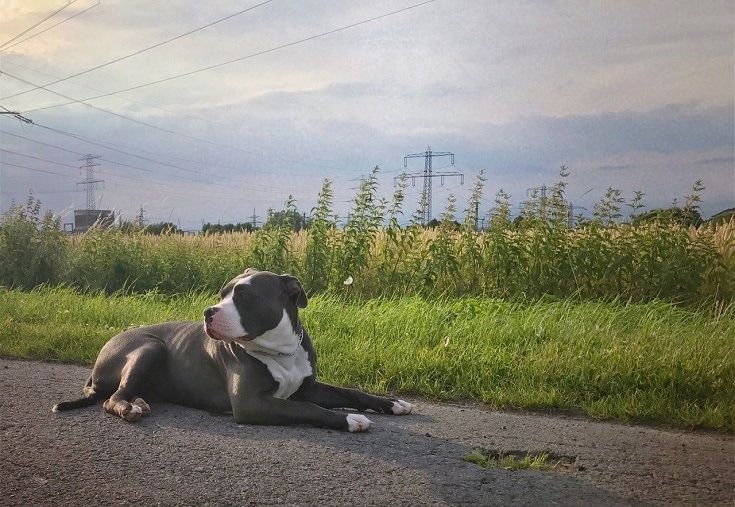
No dog breed has been tarnished more than the American Pit Bull Terrier. The media promoted the species as a dangerous creature because of the dog’s association with dogfighting and vicious public attacks. Speculative articles published in the 1980s and 1990s suggested the dog’s aggression was genetic.
It was considered a public enemy that could not be reformed or trained to coexist with humans. Shelters began euthanizing Pit Bulls at astonishing rates when terrified Americans were afraid to adopt them, and some municipalities and homeowner’s associations outlawed Pit Bull purchases or adoptions.
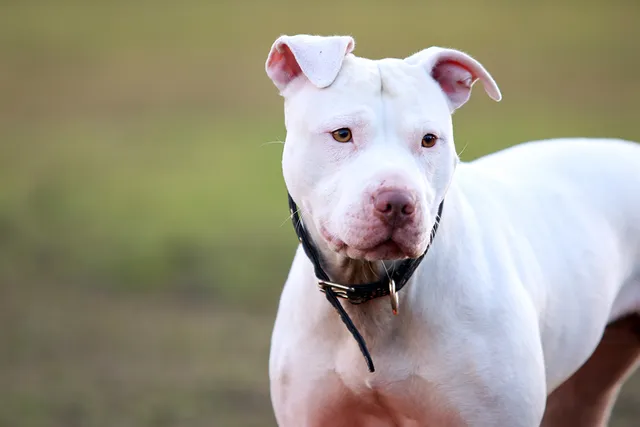
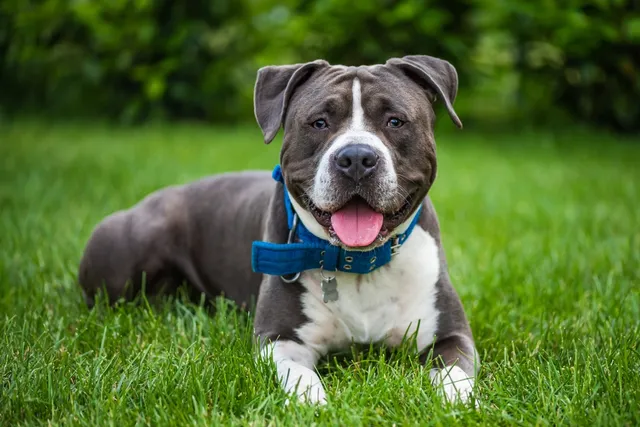
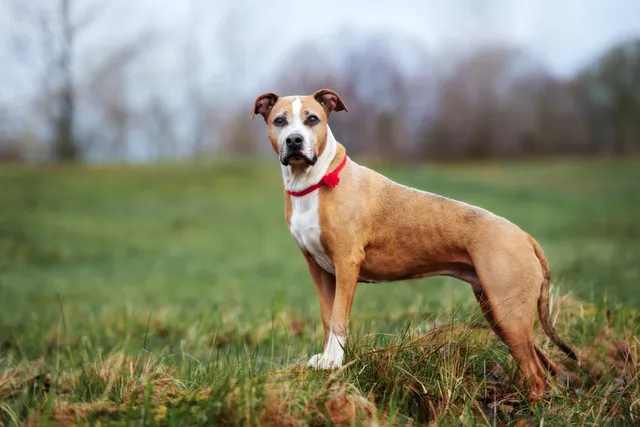
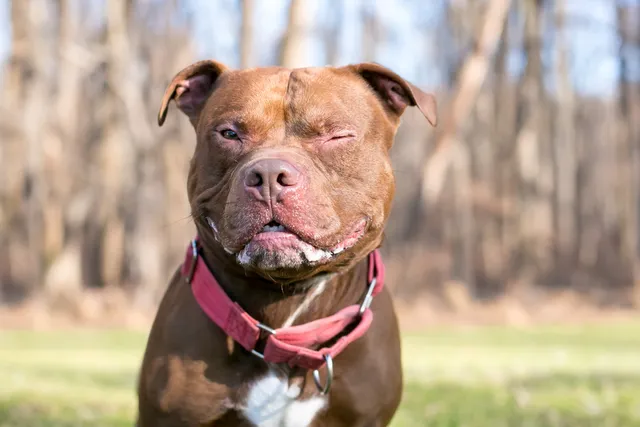
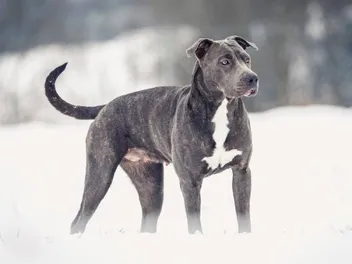
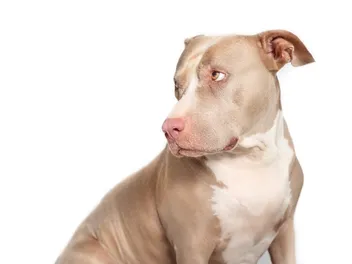
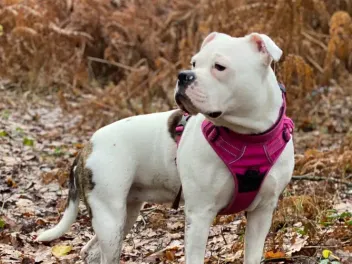
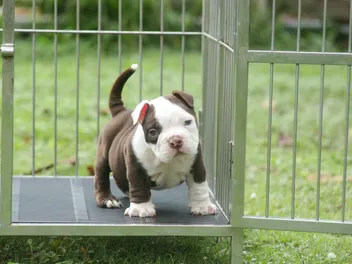
Public opinions about the dogs have changed, but what were Pit Bulls bred for initially? The American Pit Bull descended from the English Bulldog and Terrier crossbreeds popular in the 1800s. However, the term “Pit Bull” describes four breeds: the American Pit Bull, American Bulldog, Staffordshire Bull Terrier, and American Staffordshire Terrier. Classifying a dog as a “Pit Bull” is difficult without DNA analysis, and some veterinary experts speculate that as many as 25 dog breeds arriving at shelters are mislabeled as Pit Bulls.1
Their ancestors were used as working dogs to herd feral cattle in the 1800s, but they were also used in “bull baiting” contests in the British Isles. After bull baiting was banned, dog handlers began holding “ratting” contests where Pit Bulls fought rats. The term “Pit Bull” came from the pit where the rats were placed to fight the dogs.

The 19th Century: The Pit’s Origins
Bull baiting was an inhumane sport that pitted English Bulldogs against bulls. Handlers would place one or two dogs in the ring with a bull, and after hours of attacks from the dogs, the bull would collapse or die. In 1835, England enforced the Cruelty to Animals Act which banned bull baiting.
Although the law prevented bulls from being slaughtered, dog handlers began holding “ratting” contests where Pit Bulls fought rats. The term “Pit Bull” came from the pit where the rats were placed to fight the dogs. Spectators would bet on how fast the dogs could kill the rats, but eventually, the government cracked down on the illegal operations. Unfortunately, some dog owners began holding clandestine dogfighting events in response to the government’s actions.
Contrary to the myth that dogfighters bred their animals to be aggressive, 19th-century breeders looked for dogs that were docile towards humans. They wanted their dogs to attack their opponents, but the Pits had to be tame enough to handle at home and in the ring. Aggressive puppies were separated from the rest of the litter and usually killed to prevent the transfer of the trait to offspring.

The Pit Bull in the United States
Before the onset of the Civil War, British immigrants came to the United States and brought along their Pit Bulls. The dogs became invaluable in herding cattle and sheep, guarding farmland, and protecting families from thieves. In 1889, the English working dog was named the “American Pit Bull Terrier,” but the American Kennel Club does not recognize it as an official breed. Although it was used in illegal dog fights in 19th-century America, the Pit Bull was admired for its herding talents and ability to work alongside humans.
The 20th Century: Fame and Disgrace
Dogfighting became unpopular in the early 20th century, and Americans focused on the positive aspects of the Pit Bull. They were considered reliable dogs that worked hard for a burgeoning nation. In 1917, a Pit Bull became an unlikely hero when the United States entered the First World War. The dog was described as an American Pit Bull, but some speculated that the dog was part Boston Terrier.

The Pit Bull Soldier
The dog, later named Stubby, wandered into a training area at Yale University for American troops. The dog became friendly with the soldiers and followed them around the camp. When the National Guard troops shipped out to Germany, they smuggled Stubby aboard the S.S. Minnesota. Stubby was a morale booster for inexperienced US troops who were looked down on by their French allies, but soon, the Pit Bull became more than a cheerleader for the United States.
When American troops occupied the German town Schieprey, the retreating Germans lobbed hand grenades into the trenches. Stubby ran to the trenches and was wounded in his foreleg by the explosions. He recovered from his wounds and participated in 17 battles.
His most famous act of heroism occurred when he subdued a German spy and tore off his iron cross. General Pershing, commander of the US forces, presented Stubby with a gold hero medal commissioned by the Humane Education Society that later became the Humane Society. After passing away in 1926, the New York Times devoted three columns to his obituary, and the Smithsonian preserved his remains.
Hollywood Dogs
Stubby’s fame and respect increased the public’s fondness of the Pit Bull, and the dogs began appearing in early Hollywood films and shorts. Buster Keaton, Fatty Arbuckle, and producer Hal Roach featured Pit Bulls in their movies. Hal Roach found Hollywood’s most famous Pit, Pete. Pete was featured in the Our Gangs and Little Rascals shorts.
Politicians, famous writers, and celebrities promoted Pit Bulls as “America’s Dog.” Some of the well-known Pit owners in the early 20th century include Theodore Roosevelt, Mark Twain, Fred Astaire, and Humphrey Bogart. From the early 1900s to the late 1960s, Pit Bulls were the favorite pets of Americans, but the 1970s and 1980s were not as kind to the breed.

Shifting Public Opinions
The late 1960s and early 1970s were turbulent periods in the United States, and unfortunately, dogfighting clubs became more common. Unreputable, fly-by-night breeders began raising Pit Bulls without any knowledge of selective breeding, and reports of dog attacks increased significantly in the 1970s. In 1974, New York City had 35,000 reports of dog attacks, and now the figure is closer to 3,500.
Regulating the crime was difficult because the clubs were located in several states, but animal rights groups convinced the media to publish more stories about the horrors of dogfighting so the crime could become a felony. Many of the fights occurred in urban areas with minority communities, and media reports of dog fights often stoked racial tensions in the country. In 1976, the US Congress banned dogfighting in all 50 states, but the notoriety of the Pit Bull breed only increased.
Time Magazine and Sports Illustrated
Newspaper articles in the early 20th century promoted the Pit Bull as a loyal companion, but the media coverage of the breed in the 1980s and 1990s took an ominous tone. In 1987, Time magazine featured a Pit Bull on its front page with the title, “The Pit Bull Friend and Killer.” The public became increasingly fearful of the dogs, and Sports Illustrated’s “Beware This Dog” article further perpetuated the stereotype that Pits were a danger to society.
Aggression in dogs was not as well-understood in the 1980s as it is now. Bronwen Dickey, author of Pit Bull: The Battle Over an American Icon, published her book to dispel common myths about Pit Bulls. Some of the inaccuracies she disproves include:

The Tragedy of 2007
After being arrested on drug charges, Davon Boddie told investigators he lived at Michael Vick’s address. Vick was an Atlanta Falcon quarterback, and when investigators searched his property, they found evidence of dogfighting. After another warrant was served, police found:
Michael Vick was charged with lying to federal investigators after only admitting to killing two dogs, and he served 21 months in prison. The ex-football player’s “Bad Newz Kennels” operation exposed the world to the horrible conditions Vick’s Pit Bulls experienced.
Before the animals were rescued, investigators noticed that many terrified dogs were “pancaking” themselves to the ground. They laid down when someone approached them because they were scared of humans.
Luckily, the repulsive event had a happy ending for the remainder of Vick’s fighting dogs. Of the 51 dogs rescued, 48 were rehabilitated and given loving homes. The media interviewed the new pet parents and highlighted how affectionate and playful the dogs were. Vick’s crime helped change the view of Pits as killers.
When Vick’s conspirators told investigators the gruesome details of killing the losers of dogfights, including electrocuting, strangling, and beating dogs to death, Americans finally realized that humans were to blame for aggressive dogs. Pit Bulls were only the victims.


Final Thoughts
Several dog breeds have muscular bodies, smooth coats, and large jaws. Identifying an American Pit Bull by visual clues has led to more canines entering shelters and being euthanized. The Pit’s reputation has improved significantly since the rescue of Michael Vick’s dogs, but the misunderstood breed has not yet retained its former title of “America’s Dog.” Hopefully, further research on canine genetics and aggression will reiterate to the public that the Pit Bull is an ordinary dog that needs a loving family instead of a bloodthirsty killer.
You Might Also Be Interested In:
Featured Image Credit: Sweetpitbull, Pixabay
Expert dog care, straight to your inbox
News, insights, expert advice, and everything dog.

No spam — unsubscribe anytime.
By signing up, you agree to our Terms & Conditions and Privacy & Cookies Policy.
How useful was this post?
Click a star to rate. You can leave written feedback afterwards. (We read all feedback.)
Nicole has loved animals of all sizes her whole life so it's no wonder she has dedicated her career to helping them through what she loves best: learning, writing, and sharing knowledge with others. She’s the proud mom of two dogs, a cat, and a human. With a degree in Education and 15+ years of writing experience, Nicole wants to help pet parents and pets around the planet to live happy, safe, and healthy lives.