Should I Avoid Purebred Dogs in Rare Colors? Vet-Approved Facts & FAQ


In this article
Purebred dogs come in more and more colors, but should you avoid buying them? It depends. Rare colors in dogs are linked to genes that can be associated with certain health problems. Some purebred dogs in rare colors are sometimes born with health conditions, such as impaired hearing, ocular defects that can cause blindness, or skin and coat problems.
So, the answer is yes and no, as not all purebred dogs in rare colors come with health issues, but some do. In some cases, rare colors are rare for good reason.

Why Are Rare Colors Popular?
Like any other market, in the pet trade, rare or unique animals typically command higher prices. They can be a status symbol or hot trend, especially if it’s well known that they’re expensive, and irresponsible breeders will scramble to try to produce these rare specimens to cash in—regardless of potential health problems.
Unfortunately, that can often mean introducing defective genes into the gene pool and producing puppies that are likely to have health problems. This goes for many exaggerated or novel features, including rare coat colors or patterns.

Is Breeding for Rare Colors Unethical?
Breed registries like the American Kennel Club have breed standards for a reason. Some of them are based on aptitude, conformation, and temperament for the dog’s purpose, others are within the confines of the breed’s natural colors or markings and for aesthetic reasons.
Puppies can be born with a range of colors and patterns, even within a responsible breeding program. Color is a low priority after selecting dogs for their health, temperament, and capabilities. With the rare colors, however, irresponsible breeders may prioritize producing certain colors, even if it means pairing unhealthy dogs.
In addition, breeders may produce litter after litter in hopes of getting a rare, high-dollar litter. With shelters filled and more pets than homes to take them in, it’s irresponsible to produce more dogs that don’t contribute positively to the breed.
What Colors Have Health Problems?
Here are some colors that have known health issues as stated from the ASPCA:
Merle
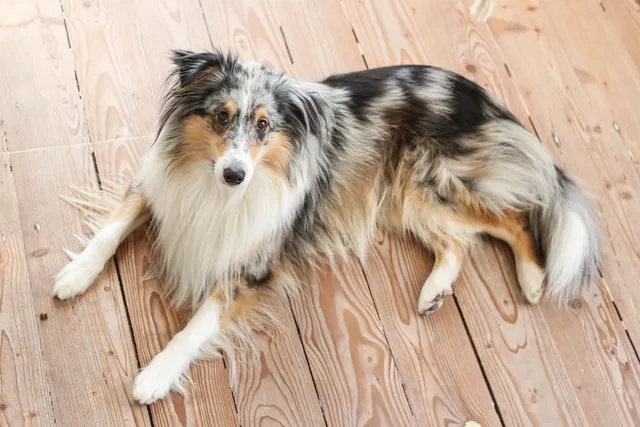
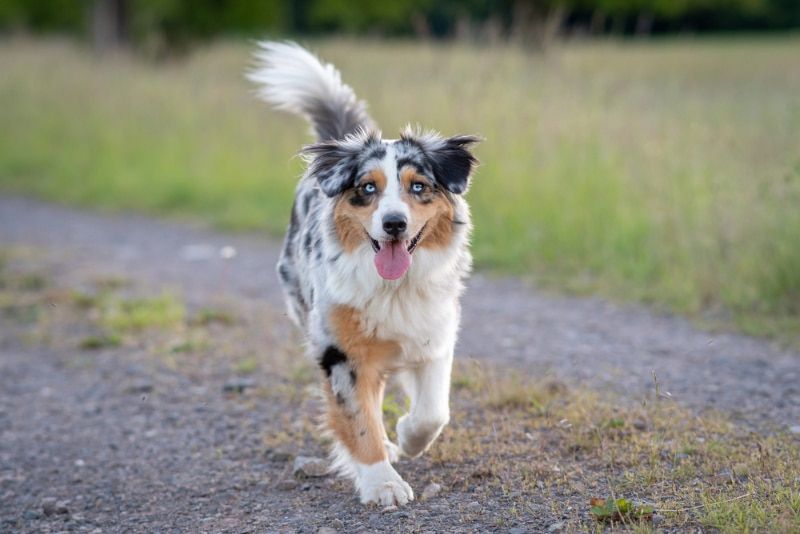
The merle or dapple pattern is an inherited pattern with light and dark pigments, often with blue eyes or pink noses and paw pads on dark dogs. This is typically seen in Australian Shepherds, Dachshunds, and Great Danes, but it’s popping up more and more in other breeds like French Bulldogs and Corgis.
Merle patterns can happen when a dog with the merle gene mates with a dog without the merle gene, or from mating two merle dogs. The puppies from two merle parents, called double-merle, are often born blind or deaf. In fact, mating between two merles is not allowed by kennel clubs since there is a 25% probability of producing puppies with health issues.

Blue and Lilac
Blue and lilac coats are associated with a color-dilution gene. Diluted black produces a blue coat color and diluted brown creates a lilac coat color. This is common in a lot of “designer” dog breeds and some purebred dogs, including the Kerry Blue Terrier, Australian Cattle Dog, and Boston Terrier.
In some cases, blue or lilac colors are associated with a disease called color dilution alopecia. The puppies might be born with normal coat textures for the breed, but soon, their coat turns dry, dull, and thin, and they show marked reduced hair density between 3 and 12 months of age. They’re left with exposed patches of skin that would normally have hair for protection, but because they don’t, they can have skin issues in those areas.

Will My Merle or Blue Dog Be Sick?
Not necessarily. These dogs may grow up to be healthy and escape the concerns surrounding their genetics.
The issue is larger than just your pup, however. Supporting a breeder who purposely prioritizes a rare or unique color to make a steep profit, rather than breeding to produce the best possible specimens of a breed in terms of health, conformation, and temperament, isn’t a breeder that should be supported. Every breeder has a responsibility to ensure their dogs live a happy, healthy life.
Conclusion
Rare or unique dog colors and patterns can be part of a purebred dog’s standards. Unfortunately, these colors and patterns may come with health problems, which can be exacerbated by irresponsible breeding with the goal of producing rare and expensive puppies.
You don’t necessarily need to avoid any rare color like merle or blue but do your due diligence. Check into the color standards for your preferred breed and the genetic health concerns associated with them. You should also vet the breeder and make sure that they’re complying with local regulations, conducting genetic testing, and caring for their animals properly.
Sources
Featured Image Credit: Christian Kohlhausen, Shutterstock
Expert dog care, straight to your inbox
Vet-reviewed advice, training tips, and the best of Dogster. Free, and you can unsubscribe anytime.
By signing up, you agree to our Terms & Conditions and Privacy & Cookies Policy.
Nicole has loved animals of all sizes her whole life so it's no wonder she has dedicated her career to helping them through what she loves best: learning, writing, and sharing knowledge with others. She’s the proud mom of two dogs, a cat, and a human. With a degree in Education and 15+ years of writing experience, Nicole wants to help pet parents and pets around the planet to live happy, safe, and healthy lives.
Join the conversation
Ask a question, share your story, or send private feedback.