Why Is My Dog Itching All of a Sudden? 5 Vet-Reviewed Causes


In this article
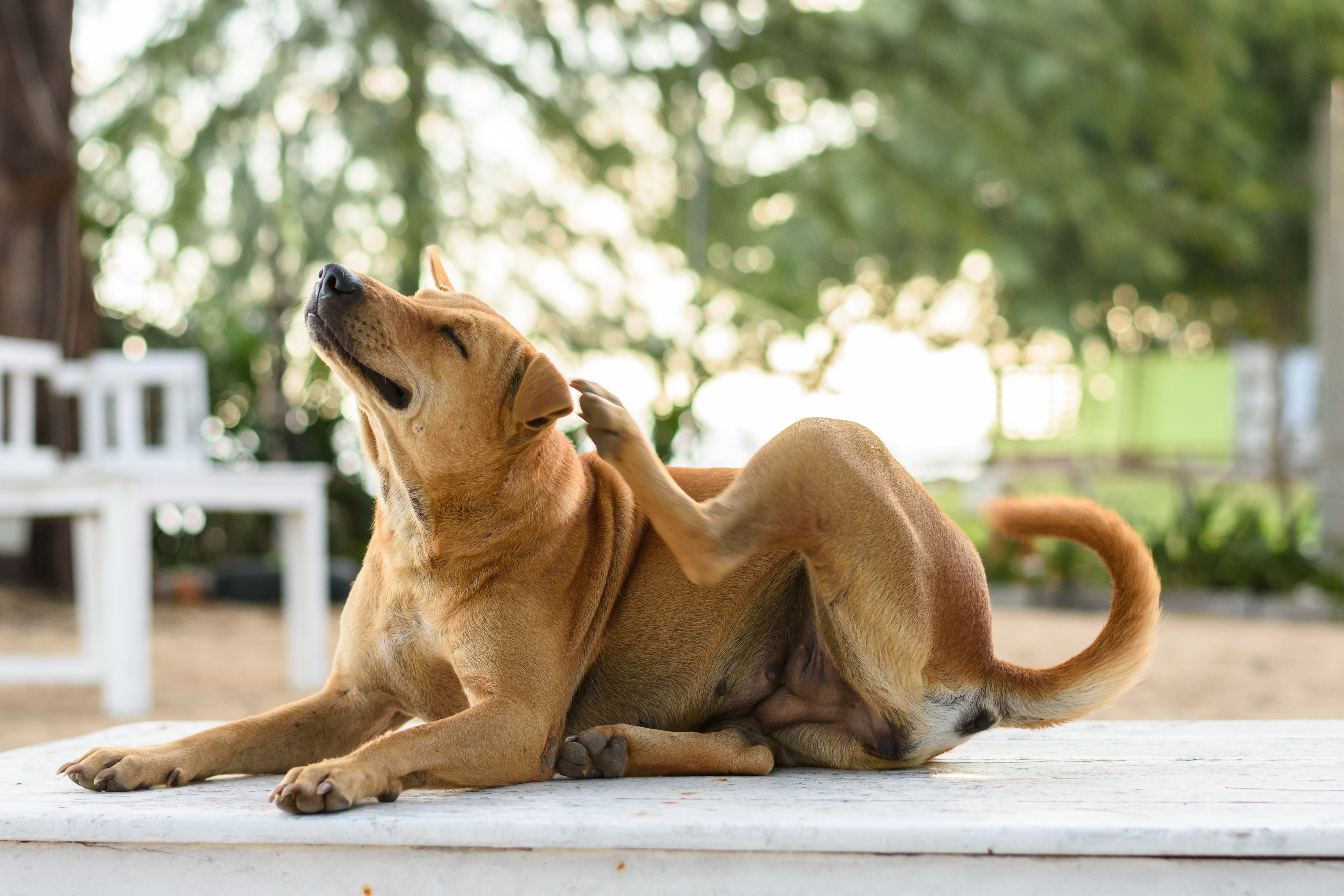
View 2 More +Just like humans, it's normal for dogs to scratch themselves every now and then, but when they start doing it frequently, it's a little more concerning.
Though the common skin conditions behind itchiness in dogs are uncomfortable, the good news is that many are easy to treat as long as you consult your vet to determine the appropriate medication and/or management techniques. Let's look into the most common causes of sudden itching in dogs.

The 5 Causes of Sudden Itchiness In Dogs
1. Fleas
If there's one word sure to get dog parents everywhere sweating, it's "fleas". Dogs get fleas by being in contact with other dogs with fleas or contact with materials that fleas have gotten onto, like coats, socks, and bedding. They can also contract a flea infestation from grass (outdoor animals like mice and foxes can deposit fleas here) or by visiting new places.
Fleas not only live on dogs and make them itchy in general, but some unlucky dogs suffer from flea allergies, which makes the itching more severe.
Signs of an infestation include scratching, visible flea dirt, bite marks, a rash, turning to bite the rear end, infected skin, wounds, and patchy hair loss. Speak to your vet about year-round flea preventatives—dogs can catch fleas at any time of year, not just when it's warm—and how best to treat an existing infestation.

2. Other Parasites
In addition to fleas, other parasites like mites can cause signs like itchiness, redness, skin sores, scabbiness, and bald patches. Mange (skin disease caused by microscopic mites) can affect various areas of the body, including the face, inside the ears, armpits, belly, and legs. The condition can also cause some dogs to smell if their skin gets a secondary bacterial or yeast infection.
There are two common types of canine mange: sarcoptic (can be passed to humans) and demodectic (cannot be passed to humans). Treatment options are prescribed by a veterinarian and can vary depending on the specific type of parasite. Other pets at home may also need to be treated.
3. Skin Infections
Bacterial and yeast skin infections are other common causes of itchiness. They are often secondary to another underlying condition such as allergy or hypothyroidism. You may also notice odor, redness, hair loss and flakiness. Staphylococcus (staph) infections are the most commonly seen bacterial skin infections, while Malassezia is the most common cause of yeast dermatitis. Ringworm, is another fungal infection that can cause patches of hair loss, inflammation, scaliness and can be itchy.
The treatment of a skin infection depends on the type, location, how badly the dog is affected, and any concurrent conditions. Topical products such as medicated shampoos are used if possible. Underlying conditions need to be investigated and addressed.

4. Allergies
If your dog's immune system overreacts to something, it means the dog has an allergy. The term "allergies" is a broad umbrella and includes:
Allergic reactions can produce a number of symptoms, and itchiness is just one of them. Treatment options vary greatly because there are so many different kinds of allergies, but they include anti-inflammatories, shampoos, and prescription diets.
5. Underlying Health Conditions
Sometimes, the causes of itchy skin are not so obvious, as is the case with underlying health conditions and nutritional imbalances. Poor diet and hormonal conditions like hypothyroidism or Cushing's can manifest in the form of skin issues.
Skin infections, dryness, dandruff, patchiness, sores, scaliness, poor coat condition, and excessive shedding are all possible signs of underlying health conditions and/or poor nutrition, so please consult with your vet if you spot any of these.

How Do I Get My Dog to Stop Scratching?
There's no straightforward answer to this question because there are so many potential causes that could be behind itchy skin in dogs, which means there could be a number of possible treatments. Some conditions need specific medications whereas for others, management techniques like nutritional changes are required. The best way to get to the bottom of things and get your dog on the right course of treatment is to have them checked by a vet. Please refrain from treating your dog yourself with human medications like antihistamines without the go-ahead from a vet.
Conclusion
Itchiness is sometimes overlooked by dog parents as "normal", but it's essential to seek veterinary advice because untreated skin conditions can make life pretty miserable for dogs. To recap, some of the signs that your dog should be checked out include frequent scratching, chewing, licking or biting at the skin, rolling or rubbing against things regularly to gain relief, patchiness, dryness, excessive shedding, flakiness, a musty smell, redness, inflammation, sores, and skin thickness and color changes. Also See:
Is Coconut Oil Good for a Dog’s Itchy Skin? Vet-Approved Health Facts
Why Does My Dog Have Itchy Bumps? 6 Vet-Reviewed Possible Reasons
Sources
Featured Image Credit: GettyImages
GetIn Your Inbox
Want content like this delivered to you?
News, insights, expert advice, and everything dog

Kit Copson is a freelance writer and lifelong animal lover with a strong interest in animal welfare. She has parented many furry beings over the years and is currently a proud cat mom of two—one very chilled (unless hungry) Siamese and a skittish but adorable Domestic Shorthair—and dog mom of one—an adopted Bichon Poodle cross. When not writing about or spending time with pets, Kit can be found drawing in her sketchpad, reading, or more often than not, drinking tea.


