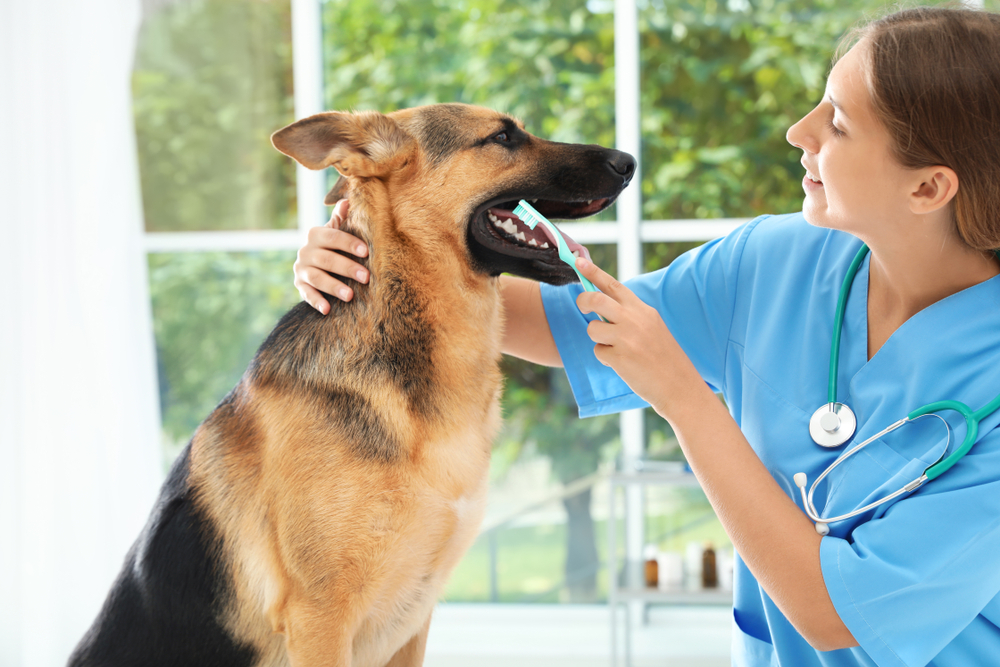
Brushing a dog’s teeth is essential for maintaining good dental hygiene. As a responsible dog owner, you should be regularly brushing your dogs’ teeth as part of their grooming routine. Although it is recommended to start brushing your dogs’ teeth when they are still a puppy, it’s never too late to start brushing a dog’s teeth.
There are numerous benefits to brushing your dog’s teeth that shouldn’t be overlooked. Plus, dogs of all ages can benefit from having their teeth brushed. All of this will be discussed in this article, so keep reading to find out more.

When Is It Too Late to Start Brushing Your Dog’s Teeth?
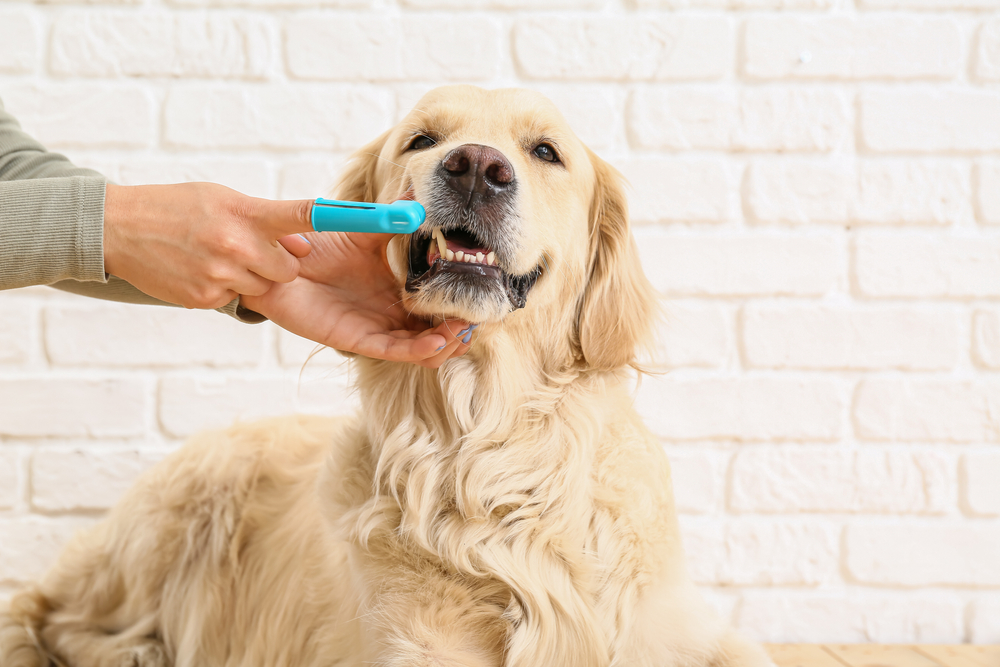
You can start brushing your dogs’ teeth at any age, although it’s best to start when they are a puppy. Even if you haven’t been brushing your dogs’ teeth for years, you can start at any time. The main downside to brushing a dog’s teeth when they are older is that they aren’t used to it, so they probably aren’t going to be very happy about it.
The recommended age to start brushing your dogs’ teeth is between 4 and 6 months of age. This is around the same time all of their puppy teeth should have erupted and been replaced with adult teeth. However, you could begin brushing a puppy’s teeth from the age of 6 weeks and up, although this is mainly to get them used to the sensation of teeth brushing. You ideally want to let them get accustomed to having their teeth brushed while they are still young and learning.
Why Should You Brush Your Dog’s Teeth?
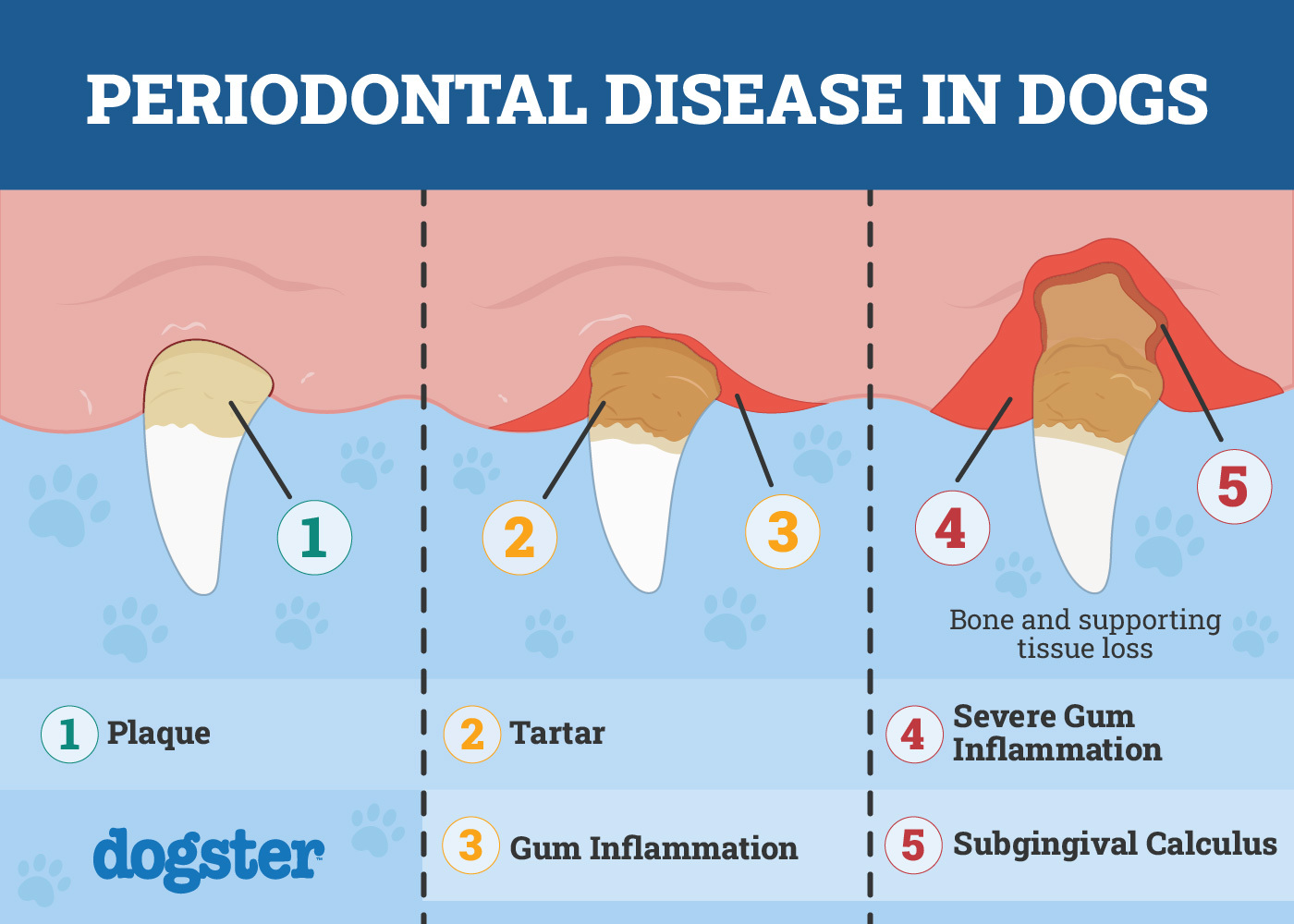
Just like humans, dogs can get periodontal disease. An estimated 80% of dogs over the age of 3 already have dental disease that starts as gingivitis from a build-up of plaque. Brushing a dog’s teeth is a great way to remove plaque from your dog’s teeth and help slow the development of periodontal disease.
Periodontal disease doesn’t only affect your dog’s mouth, as kidney and liver problems have been associated with it too. Furthermore, teeth brushing could help reduce bad breath that comes with dental disease.
What Do You Need to Brush a Dog’s Teeth?
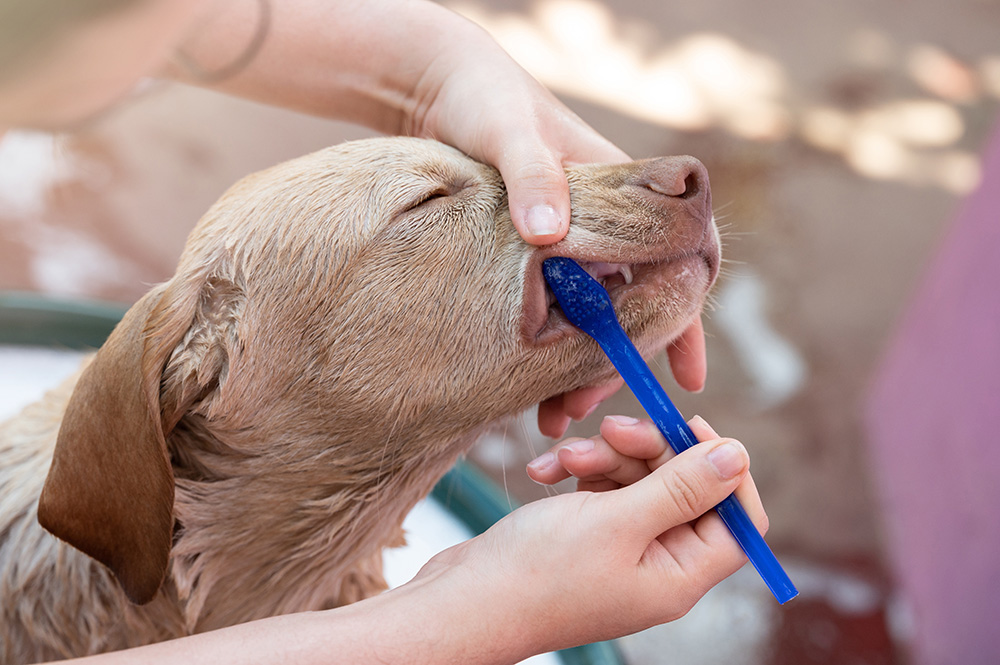
To brush your dog’s teeth, you simply need a dog-friendly toothbrush and toothpaste. However, toothpaste is not always necessary as the mechanical removal of plaque is good enough. There are various types of dog-friendly toothbrushes on the market, each with a different size, design, and bristles.
It is best to choose a toothbrush that not only effectively removes plaque but is also comfortable for your dog and easy for you to handle. You will probably need to buy a larger toothbrush for an adult dog if they have been using a puppy-sized one.
If you decide to use toothpaste, look for one recommended by the Veterinary Oral Health Council (VOHC). Toothpaste can help make teeth brushing more pleasant for your dog because of its enticing flavors. Some toothpaste may help keep your dog’s breath smelling fresh and have ingredients that aid in more effective plaque removal or reduce build up.

Frequently Asked Questions (FAQ)
What are the benefits of brushing a dog’s teeth?
There are numerous benefits associated with brushing a dog’s teeth, they include:
- Helping to prevent oral pain, as dental disease can be painful to dogs.
- Plaque can contribute to bad breath in dogs, so brushing helps promote fresher breath.
- Reducing the risk of gingivitis and periodontal disease.
- Preventing existing dental disease from worsening.
- Preventing plaque bacteria from entering your dog’s bloodstream (bacteremia) and possibly leading to organ damage.
- Helps prevent tooth loss by keeping the dog’s teeth healthy.
Can I use my toothpaste to brush my dog’s teeth?
You should never use human toothpaste to brush your dogs’ teeth. Our toothpaste may contain harmful or potentially dangerous ingredients that they should not ingest. Xylitol is an example of a toxic ingredient commonly found in our toothpaste that is safe for us but not for dogs. Plus, our toothpaste might have fluoride levels that are not safe for dogs and may lead to toxicity. Only use toothpaste designed for dogs in your dog’s mouth.
How do I know if my dog’s teeth need to be brushed?
All dogs can benefit from having their teeth brushed. It’s better to start brushing their teeth to prevent dental issues rather than brushing them once you notice problems with your dog’s oral health. If you are unsure whether your dog needs to have their teeth brushed, you should consult with a veterinarian.
If you need to speak with a vet but can't get to one, head over to PangoVet. It's our online service where you can talk to a vet online and get the advice you need for your dog — all at an affordable price!
How often should I brush my dogs’ teeth?
You should brush your dog’s teeth at least once a day, but some experts recommend that you aim for twice a day. It’s also a good idea to get your dog’s teeth professionally cleaned if needed, to stay on top of your dog’s dental health. Furthermore, VOHC-approved dental products in the form of water additives or treats can be used alongside brushing to keep your dogs’ teeth and gums healthy.
What if my dog doesn’t like getting their teeth brushed?
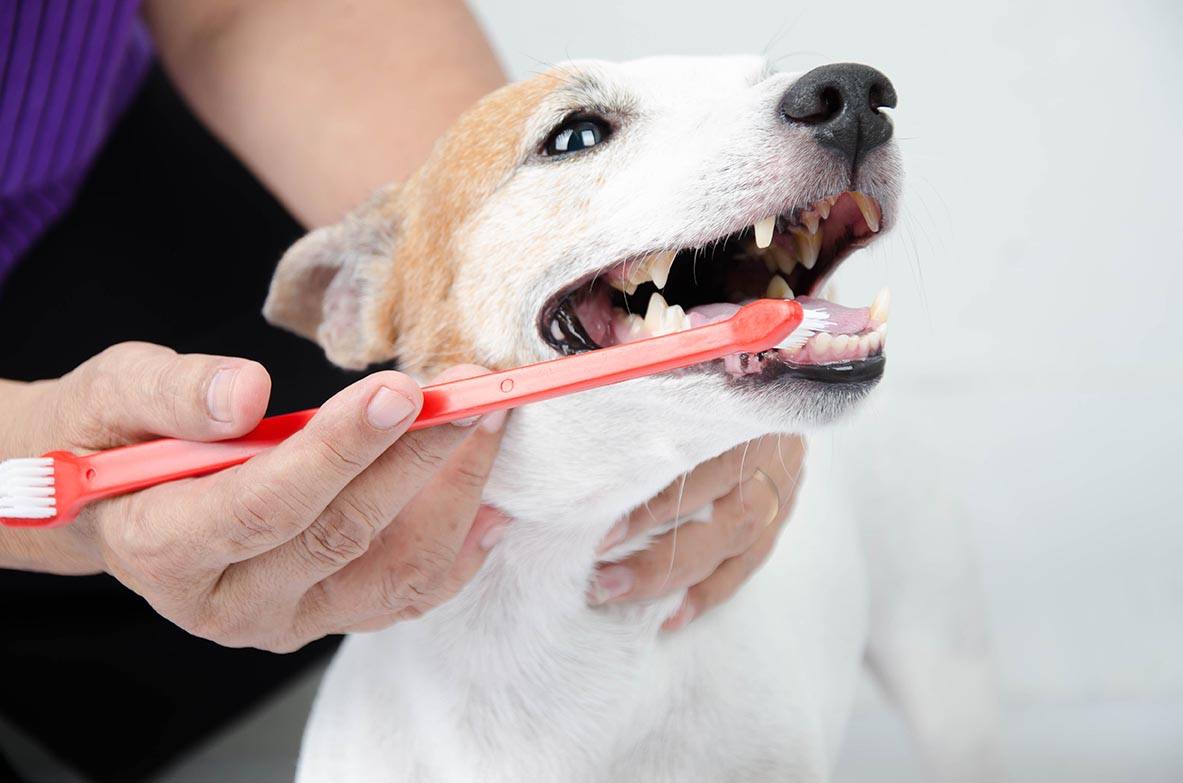
Don’t despair! If you’ve never brushed your dog’s teeth before, their behavior is likely because they are a little anxious. You can train them to accept teeth brushing however, if you think you might get bitten it’s best not to do so. Start slowly with just examining your dog’s mouth; lift up their lips and reward them if they cooperate. As they get used to this, introduce the tooth brushing for just a second and reward. Hopefully with time they will allow a full mouth brush. On the other hand, if your dog has bad dental disease or has only recently started to hate getting their teeth brushed, they might be in pain. In this case, it’s best to get advice from your veterinarian.

Final Thoughts
Although it is never too late to start brushing your dogs’ teeth, you want to start it sooner rather than later. It’s usually easier for a puppy to adjust to having their teeth brushed since they are still learning. Keep in mind that brushing is used as a preventative rather than a cure for existing dental issues.
You should start brushing your dogs’ teeth when they are young rather than waiting until their oral health starts declining.
See also:
- Are There Risks Cleaning Older Dogs Teeth? Things To Be Aware Of
- I’ve Never Brushed My Dog’s Teeth: 5 Excuses & Vet Approved Care Tips
Featured Image Credit: New Africa, Shutterstock