In this article
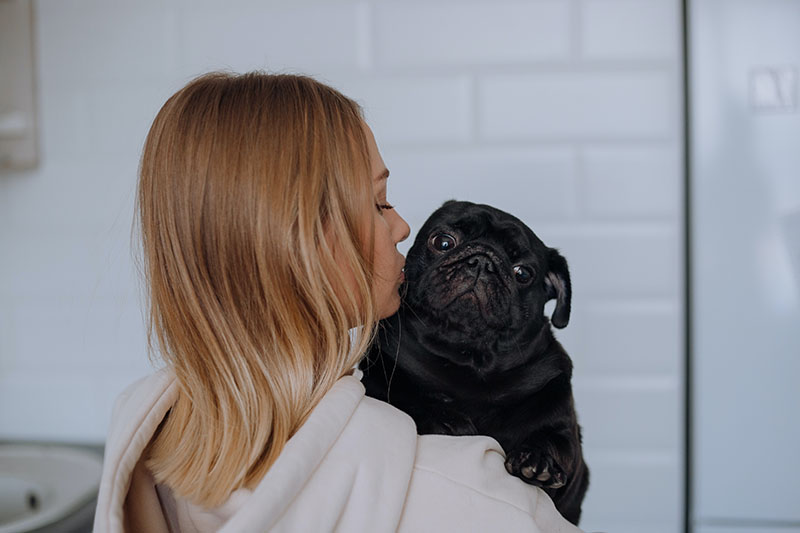
View 2 More +In many ways, a compact Pug makes the perfect pet for a first-time dog owner. Since they have fur instead of hair like a Poodle, they don’t ever need a haircut and they don’t shed as much as some breeds. Plus, they eat less than a large dog, which can lower your food bills.
Additionally, many rentals have weight limits for dogs, so a small breed may be the only pet your landlord will allow. However, Pugs do have more health problems than the average dog breed. Before you commit, you’ll need to make sure you’re willing to devote the attention to the physical and mental well-being that the Pug demands.

Are Pugs Good First-Time Pets?
Ever since their origins in ancient China, the Pug has been bred to be a companion dog. They’ll likely follow you everywhere. They form the best attachments with pet parents who are home for the majority of the day. If you’re a commuter who’s gone from home for more than 8 hours on a daily basis, a Pug may not be the most appropriate pet.
Small companion dogs can develop intense separation anxiety when their people aren’t with them. After all, they were bred to stay by your side, so they may feel rejected if you routinely leave them behind.
Like all dogs, Pugs do need daily exercise to stay healthy. Rest assured, you won’t find them running laps like a Labrador or chasing squirrels as fiercely as a Dachshund. Pugs weren’t bred to hunt, and they fully intend on reserving their energy for snacking and cuddling on the couch. Even so, you should make sure they’re receiving at least 20-40 minutes every day on a walk or otherwise engaging in physical activity.
This is great bonding time for you and your dog, without being too demanding of your schedule or energy. We think Pugs are a great way to wade into dog ownership without the hassle of vigorous exercise.
Before you fully embrace the Pug’s lazy nature, however, we must warn you that they’re more prone to obesity than any other breed.1 A staggering 64% of Pugs are considered obese, and an overwhelming majority are considered to be at least overweight. While the wrinkles on their face are hereditary and normal, you shouldn’t allow your dog to develop rolls around their torso.
Obesity puts your Pug at significant risk for diabetes, heart disease, arthritis, and many other weight-related illnesses.

What You Should Know About Health Concerns
Unfortunately, Pugs are already at a higher risk for developing eye trouble and experiencing respiratory distress. Their large button eyes and compact snub noses aren’t very efficient at their functions. It’s actually possible for a Pug’s eyes to pop out of their sockets.
Thankfully, the problem doesn’t happen very often and is usually caused by applying too much force, such as playing too roughly. In the event it does occur, you should rush your Pug to the vet. They may or may not be able to save the eye, but it’s absolutely necessary for them to go because they’ll be in a lot of pain.
Brachycephalic breeds like the Pug should avoid exercising in extremely hot weather. Their squished noses impair their ability to pant, which can render them more likely to experience heat stroke. As a caring Pug parent, familiarize yourself with some common signs of heat stroke:
- Pale gums
- Collapse
- Seizures
- Lethargy
- Panting heavily
Heat stroke can be deadly, so take them to the vet immediately if you notice these signs.
How to Take Care of Your Pug
If you decide on a Pug, you should know that they’re fairly low maintenance. Talk to your vet about what food they recommend feeding your Pug, as well as how much they should eat a day. Since Pugs have a high risk of developing obesity, you’ll want to follow your vet’s suggestions and limit the treats.
If you need to speak with a vet but can't get to one, head over to PangoVet. It's our online service where you can talk to a vet online and get the personalized advice you need for your pet — all at an affordable price!

Investing in pet insurance can help cover accidents and breed-specific illnesses. Most policies start around $10 to $20 and can cover everything from broken bones to wellness visits depending on your plan.
Half an hour each day to trot around the block should provide sufficient exercise for this docile breed. Just remember to avoid extreme temperatures since they’re a Brachycephalic breed, so aim for early mornings and late evenings during the summer.
Pugs have delicate skin, so protect them from the sun by applying dog-friendly sunscreen if they’re going to be outside for long periods of time, and layer them up in the winter. Brush them at least once a week to evenly distribute the natural oils on their skin, and limit bath time to no more than once a month to avoid over-drying their coat.
Conclusion
You don’t have to put much energy into a Pug in order to receive a full return of lifelong love and affection. Since they have few maintenance requirements, they easily adjust to any loving environment, whether you live in a small condo in the city or a farmhouse in the country.
However, it’s imperative for Pugs to eat a well-balanced diet and receive adequate exercise—avoiding extremely hot weather as much as possible—in order to curtail their risk of breed-specific illnesses. You might want to consider enrolling your Pug in a pet insurance plan to help alleviate the financial stress from medical bills.
All dogs have their sick days, but Pugs may require a little more special care healthwise than your typical breed in order to keep them in good shape for years to come.
See also:
- Is A Retired Racing Greyhound a Good Pet? Benefits, Drawbacks & Tips
- How Much Do Pugs Shed? Vet-Reviewed Breed Facts & Grooming Tips
Featured Image Credit: Ivan Babydov, Pexels