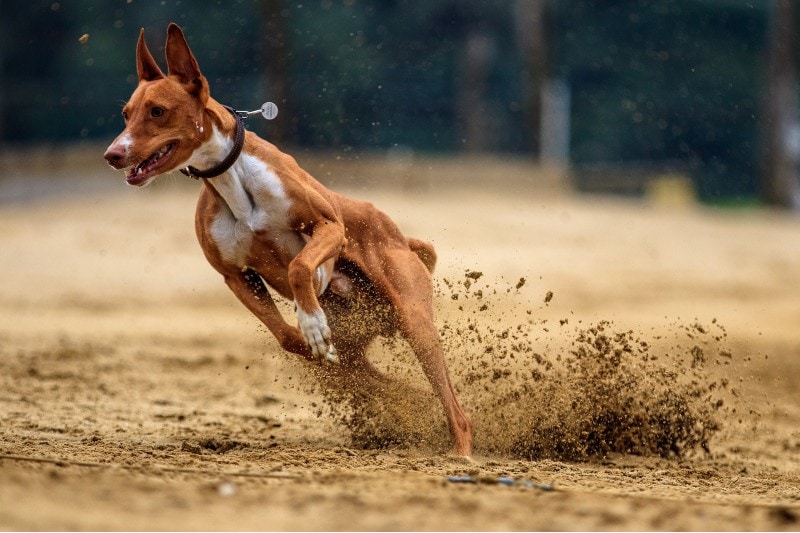
Although the Greyhound is the world’s fastest dog, they’re also one of the sweetest and most affectionate. Some pet parents are hesitant to adopt adults, but are former racing Greyhounds good pets? The answer, which we’re sure will please most readers, is that former racing Greyhounds make excellent pets. Below, you can keep reading to find out if a retired racing Greyhound is the best choice to be your new companion!

Why Do Retired Racing Greyhounds Make Good Pets?
We already know that Greyhounds are usually sweet, affectionate dogs, but is there anything about retired racing Greyhounds that makes them better pets than Greyhound puppies?
1. You Skip Over Puppy Problems
With a retired racing Greyhound, the issues that puppies cause are, for the most part, eliminated. That includes chewing things to pieces, whining at night due to fear, and having accidents inside the home.

2. Greyhounds Are Incredibly Relaxed Dogs
Greyhounds are racing dogs primarily for one reason; they run incredibly fast. They can run upwards of 45 miles per hour! However, even though they run fast, most Greyhounds would rather relax on the sofa with their favorite human. They are so laid-back that their nickname is the “40-mile-per-hour couch potato.”
3. Greyhounds Shed Minimally
Greyhounds have short, smooth coats that shed infrequently and demand minimal brushing and bathing. You won’t spend much time grooming your Greyhound because they simply don’t need it.
4. Retired Racing Greyhounds Are Highly Adaptable
Because they don’t need much exercise and are just as happy to relax, keeping a retired racing Greyhound in an apartment is 100% possible. A short walk or two daily is all the exercise they need, and they certainly don’t need a large backyard.

5. Greyhounds Are Affectionate With Their Adopted Family
There are several affectionate dogs, but the Greyhound epitomizes the word “sweet.” Yes, Greyhounds can be standoffish with strangers, but with their immediate family, they are gentle and loving. It’s almost as if they know they’ve been rescued and want to return the favor with as much love as they can give.
6. Retired Racing Greyhounds Are Still Young Dogs
The Greyhound has a lifespan that ranges from 10 to 13 years. That’s a long life in the dog world and puts them in the top 30 breeds. Combine that with the fact that most racing Greyhounds retire between 2 to 5 years old, and you quickly realize that you’ll have your beautiful dog by your side for quite a few years.

What Are Some Drawbacks of Adopting a Retired Racing Greyhound?
We would be remiss if we didn’t point out some of the drawbacks of adopting a retired racing Greyhound. There are several of them, some of which are easy to “fix” and others that are a bit more difficult. Below we’ll look at the most common of these drawbacks and what to do about them.
1. Many Retired Racing Greyhounds Have Had Injuries While Racing
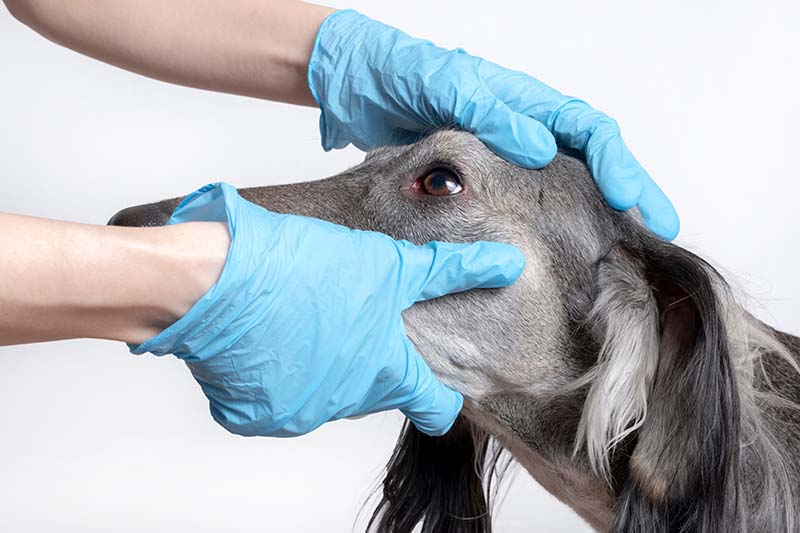
Racing isn’t a dangerous sport for dogs, but it isn’t the safest sport, either. Indeed, about 35% of all racing Greyhounds are injured in any given year, which is a surprising number of dogs. This doesn’t mean your Greyhound will be a bad dog, per se, but they may require more veterinary care in the future.
2. Many Racing Greyhounds Are Never Properly Potty Trained
The life of a racing Greyhound is one of routine. A racing Greyhound’s life revolves around several activities that they repeat over and over again. Those include feeding, exercise, grooming, potty time, and, of course, racing. When this structured life is taken away, it might be necessary to potty train your Greyhound again since they’ve always been told exactly when and where to go.
3. Racing Greyhounds Have Never Experienced Being in a House
When introduced to a new home, Greyhounds can become fearful and anxious and injure themselves. For example, retired racing Greyhounds that have lived their entire lives outdoors can run into a picture window because they’ve never seen one before.
4. Racing Greyhounds Have Never Socialized With Other Breeds or Pets
Unlike dogs raised in a home with other dogs, pets, and people, the average racing Greyhound is only familiar with other Greyhounds and a small handful of people. The transition to being around other pets and people can cause a Greyhound quite a bit of stress, so it must be done slowly and carefully.

5. Ex-Racing Greyhounds Often have a High Prey Drive
It’s important to understand that racing Greyhounds have been trained to run after a “lure,” which is usually a mechanical rabbit. That is all they do besides eat, sleep, and exercise, which hones their prey drive to a knife-like edge. As you might imagine, it’s hard to shake their training after retiring, and many Greyhounds will keep their prey drives for the rest of their lives. If you have other pets at home, this could be problematic.
Can These Racing Greyhound Drawbacks Be Fixed?
The good news about the drawbacks we just discussed is that, besides injuries, the rest can be overcome with time, patience, and a caring, even-handed approach. The most challenging issue is probably the high prey drive, which might mean you can’t have any other pets when you own a retired racing Greyhound. As for potty training, socialization, and getting accustomed to living in a house, they may take more time than training a puppy.

Tips for Adopting a Retired Greyhound
If you’re set on adopting a retired Greyhound, the following tips will make the change from the racetrack to your home easier and reduce any risks of injury or aggressive behavior.
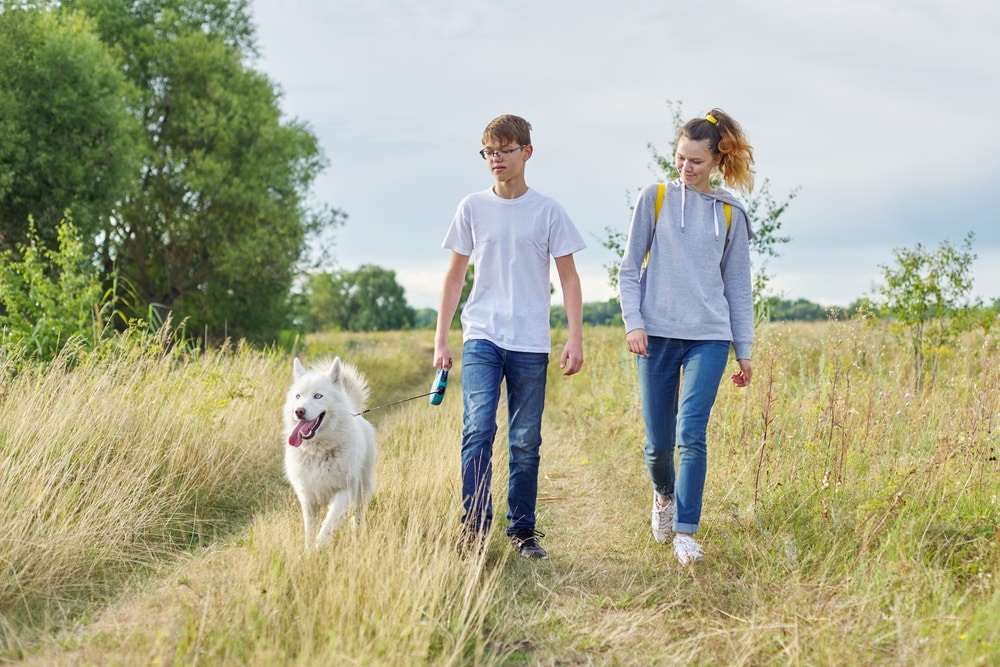
- Keep your Greyhound leashed for the first few days or weeks when going for walks. This will give you time to assess their behavior with much less risk.
- Make a large “X” with black tape on large picture windows. If they get excited or want to go outside, it will prevent your Greyhound from running into them.
- Skip the dog park. Remember, racing Greyhounds has never been around other breeds. Bringing them to a dog park might be a disaster waiting to happen, at least until your pet has been properly socialized.
- Don’t overfeed your Greyhound. As they transition from a racing dog to your pet, the chance of overeating and becoming obese is high. That’s because they will lose all the muscles they formed when racing and training 7-days-a-week.
Final Thoughts
Greyhounds are among the sweetest, gentlest breeds around, and retired racing Greyhounds are no different. However, because of how they were raised and trained, turning a retired racer into a precious pet might take a little more time, energy, and patience. If you put in the time and energy, the retired Greyhound will likely be one of the most delightful, most affectionate dogs you’ve ever owned.
Featured Image Credit: Herbert Aust, Pixabay