Can Dogs Eat Beef Liver? Vet-Approved Facts & FAQ

One of our biggest goals in life is to provide our families with what they need to be happy and healthy. This includes the right foods. For many homes, our pets are part of that family. When it comes to our dogs and cats, they put their well-being completely in our hands. It isn’t uncommon for dog owners to spend a lot of their time searching for the best foods and treats to give their canine best pals the best life possible.
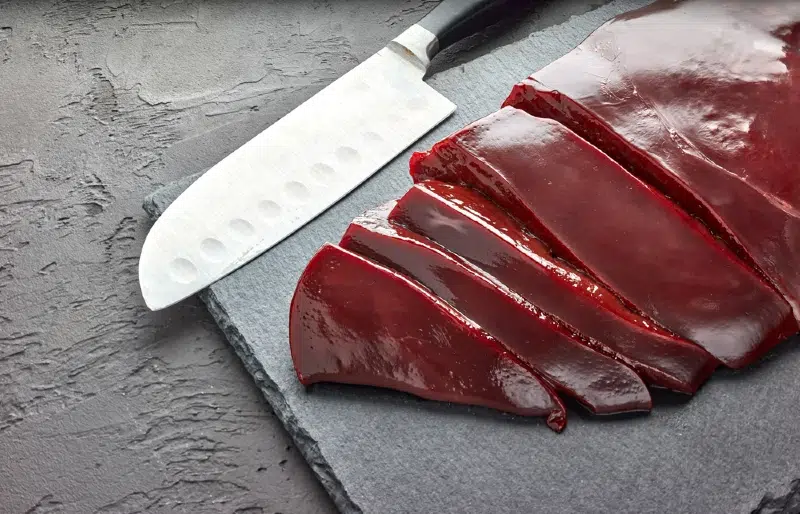
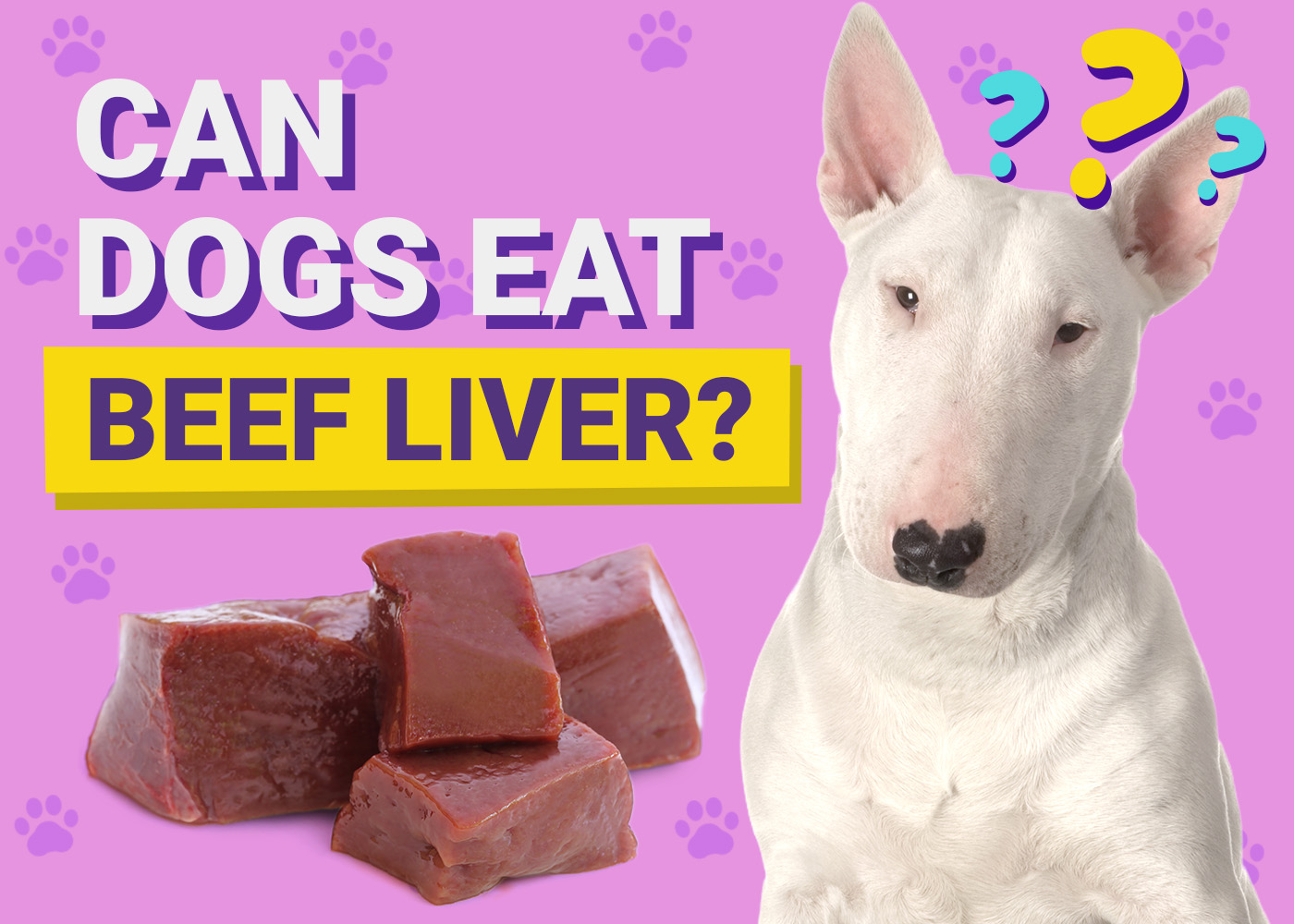
During these searches, lots of questions come up. Many dog owners wonder if their dogs can eat beef liver and if it's safe for them. The easy answer to that question is yes, your dog can eat beef liver. Beef liver, in moderation, of course, is great for your dog. Here, we’ll take a deeper look at the benefits of beef liver for your pooch and any concerns you should keep in mind by adding it to your dog’s diet.

The Benefits of Adding Beef Liver to Your Dog’s Diet
When talking about beef liver, you may hear the word "superfood" tossed around. This is due to the density of nutrients found in this organ meat. Unfortunately, even with all the nutrients found inside, some people feel a little disgusted when it comes to organ meat. In most instances, people normally turn to muscle meat for themselves and their pets. To help you better understand the benefits beef liver can provide your dog, let’s take a look at some of the benefits they receive when enjoying this healthy food.
Iron
Iron is an important nutrient for your dog’s health. It helps the body’s cells receive the oxygen they need, supports better brain function, and even regulates body temperature. For dogs, iron is a great way to improve their intelligence, body strength, and endurance for their daily lives.

Vitamins
Beef liver is also full of vitamin A and vitamin B. When it comes to vitamin A, which is a powerful antioxidant, your dog will reap several benefits including better heart and digestive health, improved vision, and better kidney and reproductive function. The B vitamins are great at promoting better brain function and fighting anemia and fatigue, while also providing your dog with better overall physiological function.
Protein
Beef liver is a high-quality protein. This means it can provide your dog’s body with all the essential amino acids it needs. Yes, a dog’s body can make amino acids on its own, but not all of them. This is why it’s an important part of their diet. The proteins inside beef liver can provide your dog with stronger muscles and can fight against muscle loss. You’ll also find that protein will help fight hunger and raise your dog’s metabolic rate.

Zinc and Copper
Copper and zinc are essential minerals that help your dogs by promoting healthier skin and coats. They are also great for your dog’s bones, joints, metabolism, brain function, and even the production of energy.
How to Feed Beef Liver to Your Dog
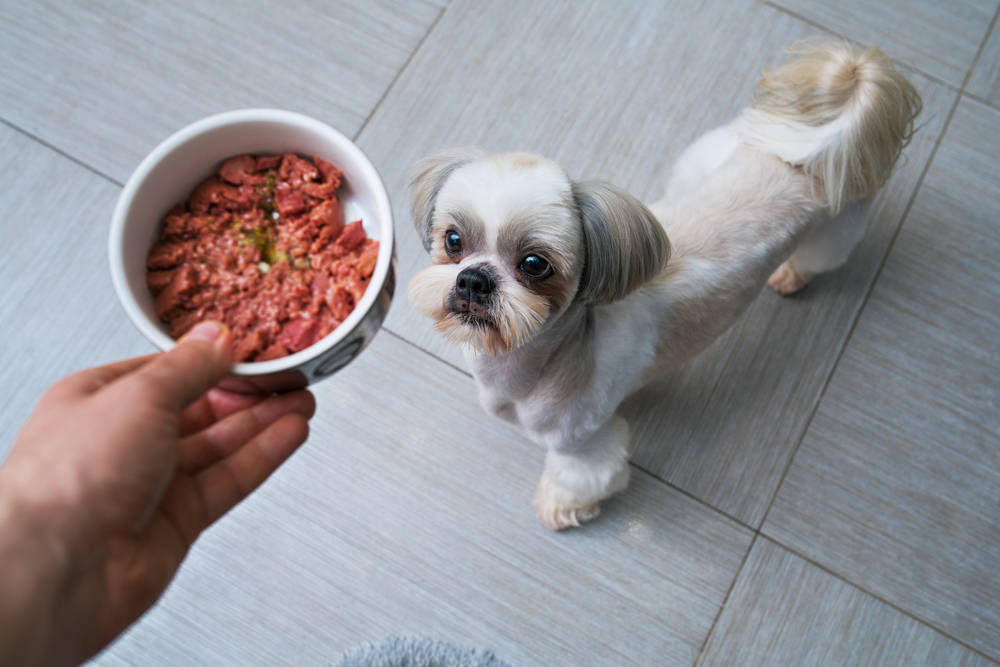
When it comes to the best way to feed beef liver to your dog, there’s a lot of debate on the subject. Many people out there feel that raw beef liver is the best way to go. The cooking process can reduce the nutrients found inside. Unfortunately, if your dog isn’t used to a raw diet, its digestive system may not be up for the task. Equally, many people are against raw feeding due to concerns about food poisoning or handling raw foods.
Cooking beef liver will reduce any bacteria that is on the organ meat. Over the years, dogs have evolved to rely more on the prepared foods most people provide them. However, if you enjoy giving your dog a raw food diet, offering small amounts of raw liver is an option
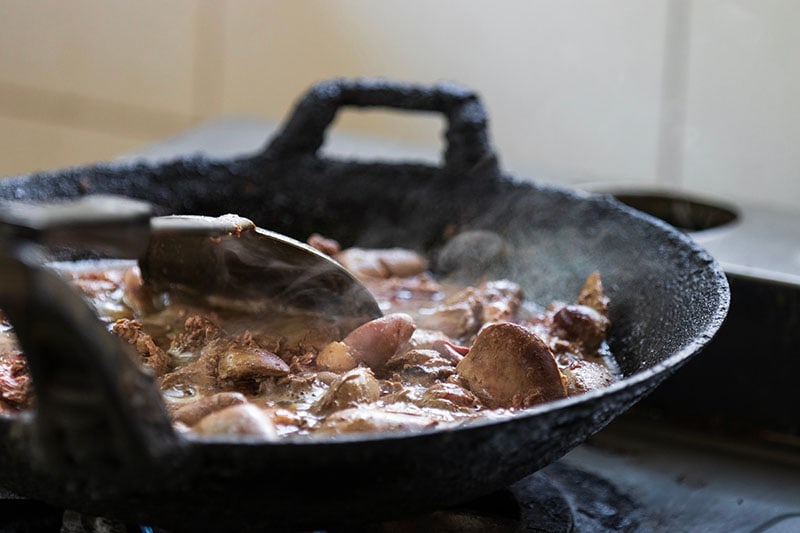
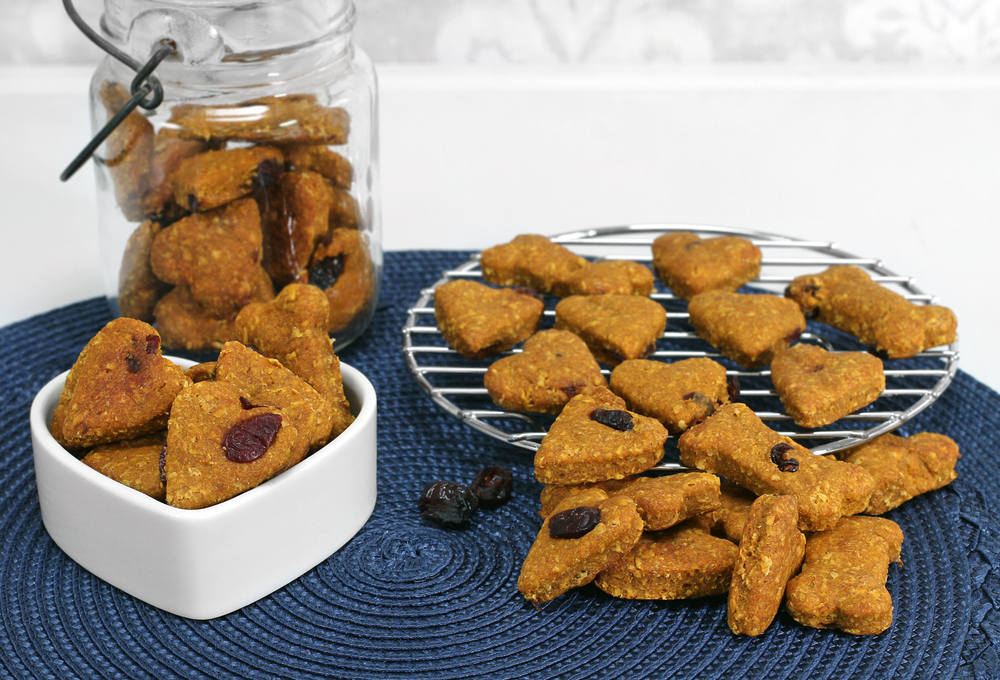
If you decide to cook the beef liver, you’ll have the benefit of having snacks you can take on the go with your dog. Simply steam, grill, or boil the meat. Then prepare it as you see fit. You can even add ingredients to make it a meal or freeze-dry the liver for use as treats during training or play with your pet.

Do Dogs Like Beef Liver?
Like humans, dogs have particular tastes. Some dogs enjoy kibble just fine while others refuse to eat it and want wet food each day. However, you’ll be hard-pressed to find a dog that isn’t a fan of meat. As we discussed above, the main issue when it comes to beef liver and your dog is discovering how they prefer it made.
If your dog isn’t a fan of raw foods, by all means, cook the liver and allow them to try it. For dogs who live on a raw diet, adding chunks of beef liver is an easy way to introduce it into their diet. Whichever way you choose to prepare the meat, start slowly when offering it to your dog. This will give their digestive systems time to acclimate to the new food.
The Limits on Beef Liver
Like with most things in the world, you should moderate how much beef liver you give your dog. While this organ meat is a great source of protein and multiple vitamins, having too many of certain things in your dog’s system isn’t good. Vitamin A poisoning is a concern when you feed your pooch too much beef liver. Keep an eye out for vomiting, drowsiness, irritability, a reduction in coat quality, reduced mobility and body weakness, and weight loss.
Another potential issue with too much beef liver is the amount of copper inside. Copper, in the recommended amounts, is good for us and our dogs. However, if your dog gets too much copper, it can cause copper toxicity and lead to dietary-induced copper-associated hepatopathy. Signs of this condition include lethargy, abdominal swelling, vomiting, diarrhea, and increased thirst.
Final Thoughts
As you can see, beef liver is a healthy food choice when wanting to provide your dog with something they’ll enjoy. As with anything new you decide to introduce to your dog’s diet, you should speak to your veterinarian first. They will have recommendations on the proper portion sizes and preparations they feel are best suited for your pup. Once that conversation is had, you can begin the process of giving your dog something new, tasty, and healthy to enjoy.
See also:
Expert dog care, straight to your inbox
Vet-reviewed advice, training tips, and the best of Dogster. Free, and you can unsubscribe anytime.
By signing up, you agree to our Terms & Conditions and Privacy & Cookies Policy.
Melissa was born and raised in the mountains of East Tennessee where she spent her time writing in an old notebook and playing outside with her pets. As an avid animal lover, she has brought many into her home over the years. Currently, she is the mom of 5 fur babies. Her 2 cats, Princess and Pepper are total opposites who demand attention. Her dogs Jazzy, Whitey, and Demon are full of spunk and keep the entire family on their toes.
Beyond life as an animal mom, Melissa is a dedicated wife and mother to 2 children. Writing in her old notebook led her down the path of becoming not only a freelance writer but a published Indie author under the pen name, Rena Marin.
Join the conversation
Ask a question, share your story, or send private feedback.