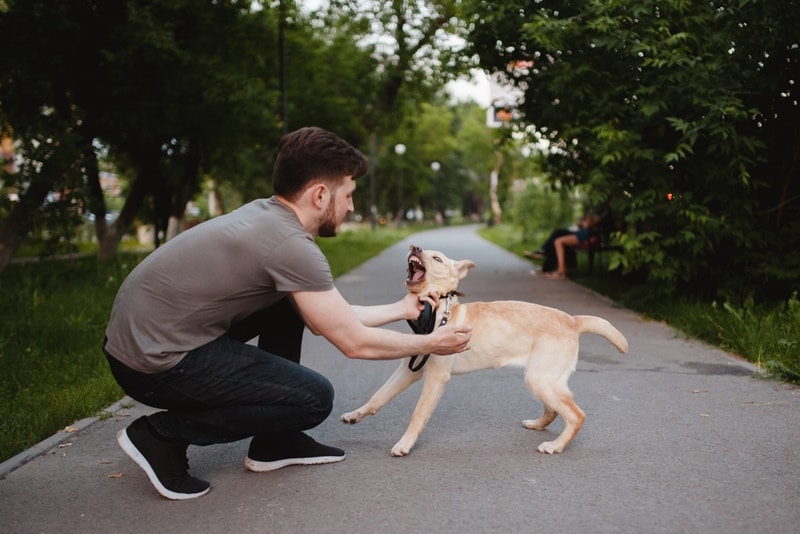
Socialization is necessary for healthy growth and development in puppies. Puppies will learn a lot about their surroundings within their first 3 months of life, and it is important to carefully introduce them to a range of people, places, dogs and new experiences during this time. Well-socialized puppies are confident, happy and know how to react and respond when they’re placed in different situations.
Puppies require a gentle socialization process that introduces them to new things without causing anxiety or fear. Here are some key tips for providing healthy socialization experiences for your puppy.

The 8 Tips for Socializing a Puppy
1. Go at a Comfortable Pace for Your Puppy
The key to successful socialization experiences is to ensure that each one is a positive one for your puppy. This means understanding their comfort level and knowing when something is too challenging or scary for them.
Go at your puppy’s own pace and don’t try to rush them into situations when they’re not ready. Puppies that have bad experiences or are overwhelmed early in life are more likely to be worried and develop behavior problems as adults. Make sure also to give plenty of praise and treats when your puppy is in a new situation and is reacting in a calm and positive way.

2. Let Your Puppy Explore on Their Own
It’s important to remember that simply stepping into a new environment can be overwhelming for a puppy. Puppies have to register completely new sights, sounds, and smells. So, let your puppy start to explore when they feel ready.
For example, if you take your puppy to a park, let them walk around on a leash at their own pace. If they’re feeling shy and are hesitant to walk around, stay by their side calmly and let them take baby steps to explore their surroundings. Forcing them to walk when they’re not comfortable can cause puppies to feel scared and lose confidence.
3. Keep First Experiences Short
Every time you take your puppy to a new experience, expect to spend a short amount of time there. Keeping first experiences short will feel much more manageable for puppies and will raise their confidence. Your puppy may go to a park or meet a new dog and be ready to go back home after 10 minutes. Keep an eye on your puppy’s behavior, and make sure to take them back to a safe place if they appear uncomfortable or worried.

4. Introduce Your Puppy to Your Family and Friends
Puppies must also learn how to interact with humans and understand what is and isn’t appropriate behavior. Rather than having your puppy’s first encounters with people be with strangers that they run into on a morning walk, schedule time for your friends to visit and meet your puppy.
Make sure to fill your friends in on what types of behaviors are to be encouraged and which ones should be ignored. This makes socialization experiences become invaluable training moments for puppies. For example, puppies can learn not to jump on people if your friends consistently don’t give them attention when they try to jump on them, but instead give praise and fuss when they are redirected to another wanted behavior like sitting.
5. Introduce Your Puppy to Gentle Dogs
Not all dogs will be social butterflies, and many dogs have introverted personalities and prefer playing on their own or being around humans instead. However, no matter how independent your dog’s personality is, it’s important to teach them how to behave appropriately around other dogs. Socializing with other dogs is essential to a puppy’s well-being.
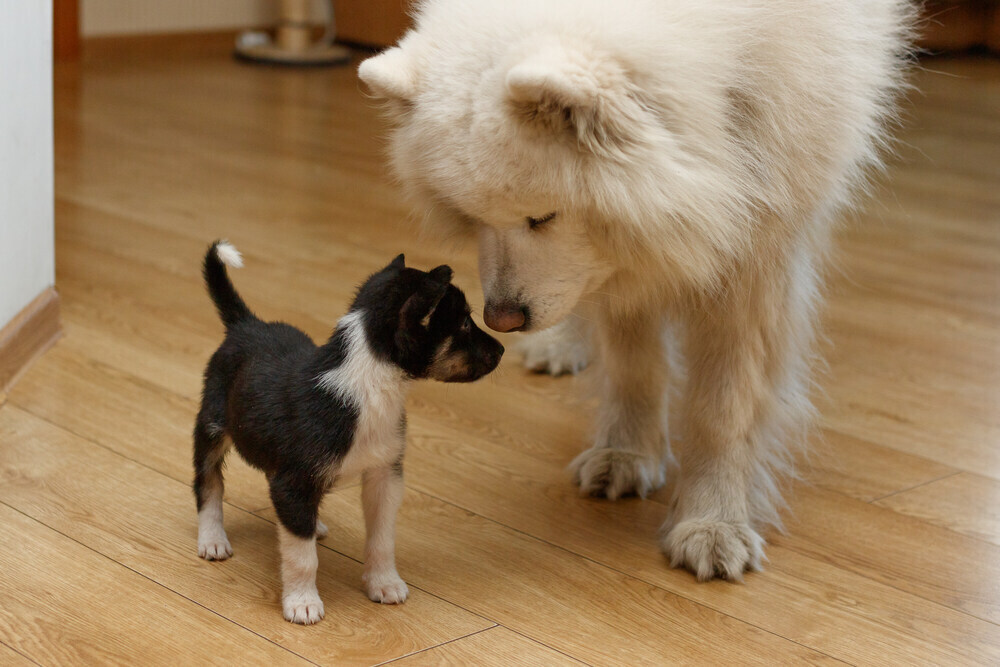
Introducing your puppy to dogs with calmer, more patient temperaments will prevent your puppy from having negative experiences with other dogs. As we’ve mentioned before, make sure to keep your puppy’s first experiences short, and let your puppy approach the dog on their own when they start to feel comfortable.
6. Register for a Puppy Socialization Class
After your puppies have completed their puppyhood vaccination schedule, they can participate in puppy training and socialization classes. Well run classes will only use positive training methods, and will be carefully supervised by trainers or behaviorists to ensure all dogs are safe and happy. Puppies are usually divided by size (and temperament) during free play sessions so that your puppy will play with other puppies that are similar in size and are not overwhelmed by the experience. This can prevent larger breed puppies such as German Shepherds from playing with tiny Chihuahua puppies, for example, which can result in accidental injuries and bad experiences.
Puppy socialization classes help teach puppies appropriate dog-dog behaviors as well as exposing them to new people, sights, sounds and smells. Choose your puppy class carefully to ensure that only positive methods are used, and that playtime is carefully supervised so small or shy puppies don’t have negative experiences with large or boisterous pups.
7. Be Mindful of Your Own Reactions
Your puppy looks to you for safety and guidance, and they’re naturally aware of your emotions and reactions. Therefore, it’s important to be mindful of how you’re acting during socialization experiences. Your puppy will be quick to pick up on any nervousness you may have and will mirror your emotions. Staying calm and reassuring will signal to your puppy that you’re in control of the situation and that they don’t have to feel afraid.

8. Take Your Puppy to Places You Frequent
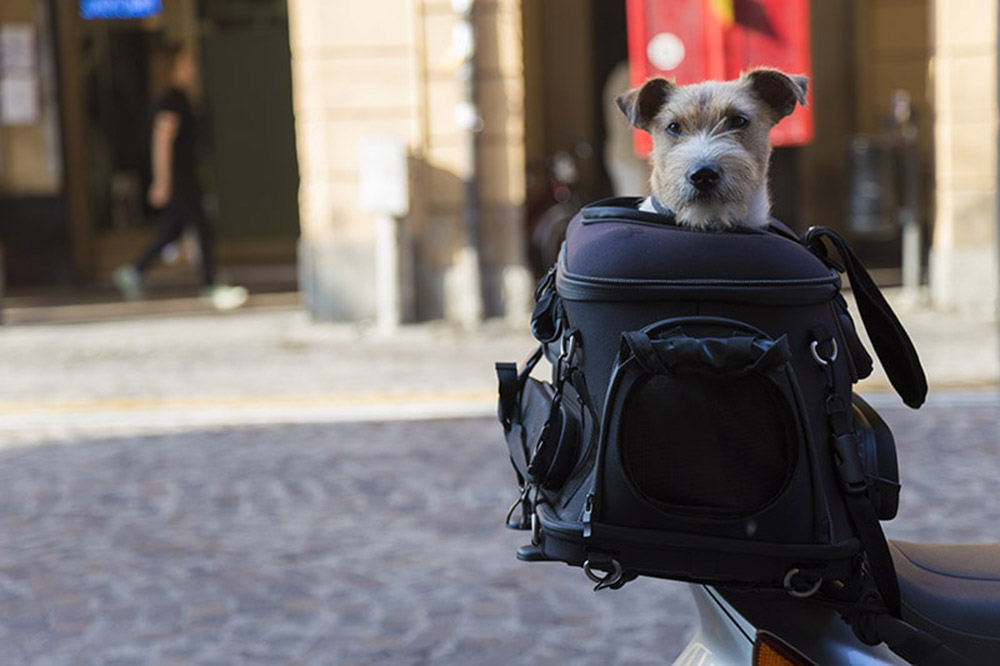
Make sure to include places you frequent in your list of socialization experiences for your puppy. This will enable your puppy to accompany you to more places. So, if you tend to spend a lot of time in your car, make sure to have your puppy get used to being in a car so that they can ride alongside you whenever you run errands.
If there are certain family members or friends that you visit frequently, ask them if your puppy can come with you so that they can get used to being in their homes. This is especially helpful if you plan to have them dog-sit for you if you ever have to be away from your puppy.
If you live in a busy city, make gradual increases in the radius of your puppy’s walking route. This will help them get used to all the different stimuli that come with urban living. Eventually, your puppy will get used to walking around many new places in your city without feeling anxious or nervous.
Conclusion
The key to effective socialization is to go at a gentle pace. Familiarize yourself with your puppy’s comfort zone, and don’t force them into overwhelming situations. Being patient throughout this process will only benefit your puppy’s temperament and build their confidence. As they accumulate socialization experiences, they’ll become more confident and well-adjusted to being in many different kinds of environments and settings.
See also:
- How To Introduce A Puppy To A Dog: 7 Helpful Tips
- Can a Litter of Puppies Have Different Fathers? Vet-Approved Superfecundation Explanation
Featured Image Credit: Parilov, Shutterstock
 The 8 Tips for Socializing a Puppy