Dogster is reader-supported. When you buy via links on our site, we may earn a commission at no cost to you. Learn more.

Lifestyle

How Long Should I Wait to Take My Dog Out After Eating? Vet Verified Feeding & Bowel Schedule

Chris Dinesen Rogers
By Chris Dinesen Rogers · Reviewed & fact-checked by Dr. Ashley DarbyVet Approved
Dr. Ashley Darby
Reviewed & Fact-Checked byDr. Ashley DarbyBVSc (Veterinarian)
Dr. Ashley has worked in mixed and small animal emergency clinics and general practice ever since 2017 after studying Sydney University. She grew up in South Africa and England before moving to Australia, and her passion for animals came from many childhood safaris in the Kruger National Park.View authorThe information is current and up-to-date in accordance with the latest veterinarian research. Learn more
Updated on June 17, 2026
Share
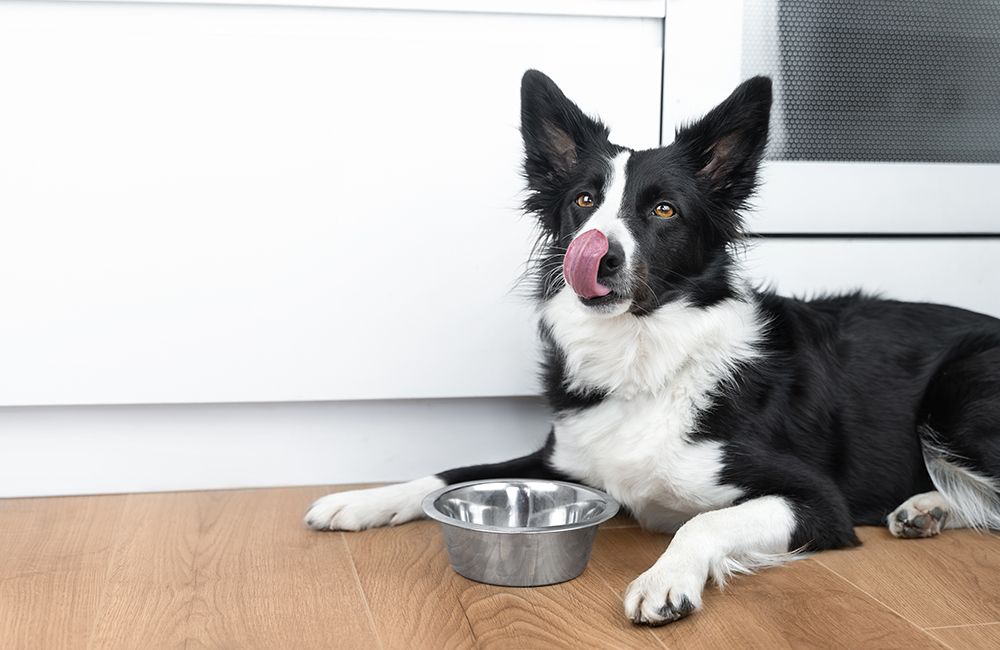
border collie dog licks nose after eating

If you’re a new pet owner, you probably want housebreaking to go as quickly as possible. Reputable breeders often initiate the process by getting their puppies on a schedule to make the transition to their forever homes smoother, but learning your pet’s habits can prevent unfortunate accidents, and it often helps to understand canine instincts and behaviors to facilitate the process.

Generally, a full stomach triggers the emptying of an animal’s bowels. However, it’s essential not to rush into vigorous exercise after eating. Therefore, we recommend giving an adult dog at least an hour to relax after eating before taking them for exercise. Toilet walks are an exception to this rule so you should walk your dog out to their spot and back in within 30 minutes if they are a puppy, or if an adult dog looks like they need to go.

Dogster divider_v3_NEW_MAY_24_

The Dog Digestive System

You are free to use this image but we do require you to link back to Dogster.com for credit.

Eating puts your dog into a parasympathetic nervous state to concentrate on eating and digesting their food. Animals usually feed when they don’t have to be on their guard because they’re vulnerable when their heads are down and not paying attention to the environment and threats around them. The parasympathetic nervous system promotes healthy intestinal movements. Vigorous exercise could activate the sympathetic nervous system which reduces digestive function, potentially leading to bloating, nausea, or vomiting if this happens soon after eating.

Normal dogs will also experience something called the gastrocolic reflex which means that after eating intestinal movements in their colon will make them need to poop. This is why they might start needing to use the bathroom soon after eating. So, for adult dogs, wait at least an hour before taking them on a run but take them to the toilet if they need to go. For puppies, the rules are the same but make sure they can go to the toilet within 30 minutes as they won’t be able to hold it as long as an adult dog.

Stress and Digestion

Stress can wreak havoc on your dog’s digestive system. They may have fewer or more frequent bowel movements. They may also suffer from GI distress. This is because of something called the gut-brain axis. Stress reduces the parasympathetic effects of the vagus nerve on the gut and causes cortisol release. Both these effects can alter a pup’s natural gut bacteria which causes GI problems but, incredibly, in turn, can lead to more stress and anxiety. Some probiotics actually reduce anxiety because of the links between the gut and the brain.

If your pet is showing signs of stress, we suggest you speak to a vet.

Bloat and Activity

It can occur in any breed but large deep-chested dogs like Boxers and Great Danes are susceptible to bloat or gastric dilatation and volvulus (GDV) when the stomach twists upon itself, creating a medical emergency. You should always feed these dogs twice daily and encourage them to eat slowly with puzzle bowls or other tricks to prevent them from gobbling their food. Heavy exercise after eating could also be a risk factor so this is best avoided.

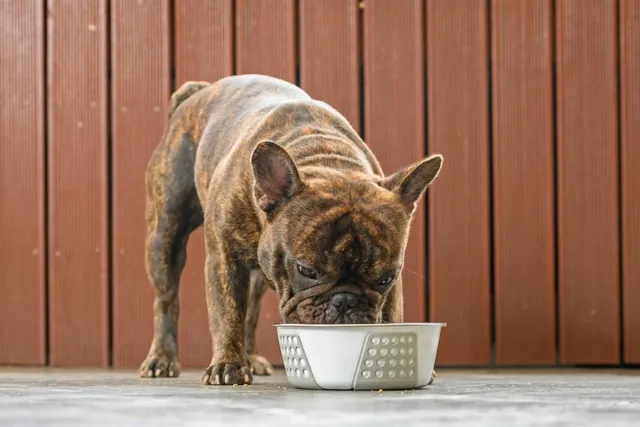
Image Credit: Lenti Hill, Shutterstock
Dogster divider_v1_NEW_MAY_24_

Final Thoughts

Getting your dog on a feeding and walking schedule is essential. It will help your pet and make housebreaking easier for you. Canines are creatures of habit. It’s up to you to create the routine. It also allows you to monitor your pup’s digestive habits better, alerting you more quickly when something is wrong. Early diagnosis is always preferable, no matter what the condition.

Sources

Featured Image Credit: kathrineva20, Shutterstock

The Dogster Newsletter

Expert dog care, straight to your inbox

News, insights, expert advice, and everything dog.

No spam — unsubscribe anytime.

By signing up, you agree to our Terms & Conditions and Privacy & Cookies Policy.

Click a star to rate. You can leave written feedback afterwards. (We read all feedback.)

Chris Dinesen Rogers
Authored by

Chris Dinesen Rogers

Leave a Reply

You're very welcome to leave a comment or question. Please know that all comments must meet our community guidelines, and your email address will NOT be published. Let's have a positive and constructive conversation.

Why Does My Dog Poop Immediately After Eating? 5 Vet-Reviewed Causes

Why Does My Dog Poop Immediately After Eating? 5 Vet-Reviewed Causes

You know the schedule like clockwork. Your dog eats a meal and then immediately needs to go outside to do their business. It’s almost like the food has run thr…

Chantelle Fowler
By Chantelle Fowler · 4 weeks ago
Dog Feeding & Potty Schedule: Vet-Approved Care Guide

Dog Feeding & Potty Schedule: Vet-Approved Care Guide

Potty training is one phase that every dog owner wants to get through quickly and with minimal mess and fuss. While there are numerous tools and techniques to…

Nicole Cosgrove
By Nicole Cosgrove · 1 month ago
How Long Does It Take for a Dog to Digest Food? Vet-Approved Digestive System Basics

How Long Does It Take for a Dog to Digest Food? Vet-Approved Digestive System Basics

We all know that what we feed our dogs—and how they digest it—plays a key role in their overall health. If you’re wondering how long it takes for a dog to dige…

Kit Copson
By Kit Copson · 1 month ago
Should I Exercise My Dog When They Have Diarrhea? Vet-Reviewed Care Facts

Should I Exercise My Dog When They Have Diarrhea? Vet-Reviewed Care Facts

Exercise is important for your dog’s health, but what happens when their health has taken a turn for the worse? If your dog has diarrhea or is otherwise under…

Jordyn Alger
By Jordyn Alger · 1 month ago

How to Make a Daily Dog Schedule: A Vet-Approved Routine for Your Pup

Canines thrive on routines when living in domesticated households. Without a schedule to rely on, dogs don’t know what to expect. It can similarly be tough for…

Rachael Gerkensmeyer
By Rachael Gerkensmeyer · June 17, 2026
How to Make a Daily Dog Schedule: A Vet-Approved Routine for Your Pup

How Often Should You Walk Your Dog? Vet-Reviewed Health Facts & FAQ

Taking care of your dog involves making sure they receive adequate exercise, which can be helpful when you want to stay in shape yourself! However, exercising…

Kathryn Copeland
By Kathryn Copeland · June 17, 2026
How Often Should You Walk Your Dog? Vet-Reviewed Health Facts & FAQ

5 Vet-Approved Dog Walking Tips: Planning & Etiquette

One of the most enjoyable parts of dog ownership is taking your pup on long, leisurely walks. Whether it’s around the block or in a pleasant park, walking your…

Nicole Cosgrove
By Nicole Cosgrove · June 16, 2026
5 Vet-Approved Dog Walking Tips: Planning & Etiquette

9 Fascinating Dog Poop Facts (Vet-Reviewed)

Do you think you know all about dog poop? Think again! While you may think you know all you need to know about your dog’s waste (because what do you need to kn…

Misty Layne
By Misty Layne · June 16, 2026
9 Fascinating Dog Poop Facts (Vet-Reviewed)

Slow Feeder Dog Bowls: Vet-Explained Benefits & Risks

Our dogs love mealtime, no question! But do you suspect your dog might enjoy her food a little too much? Does she wolf down her food like it’s her last meal? Y…

Kathryn Copeland
By Kathryn Copeland · June 17, 2026
Slow Feeder Dog Bowls: Vet-Explained Benefits & Risks

Why Does My Dog Burp So Much? Vet-Reviewed Causes & When to Worry

Burping is a natural reaction, typically a reaction to ingesting too much air. It is common in dogs, who don’t know that it’s considered socially unacceptable…

Matt Jackson
By Matt Jackson · June 17, 2026
Why Does My Dog Burp So Much? Vet-Reviewed Causes & When to Worry

Do Dogs Poop Facing North? Vet-Verified Facts & FAQ

Canines sometimes act strangely and seemingly without purpose, and you might have even heard a few facts or myths that made you question your understanding of…

Chris Dinesen Rogers
By Chris Dinesen Rogers · June 17, 2026
Do Dogs Poop Facing North? Vet-Verified Facts & FAQ

My Puppy Eats Everything on Walks: 5 Vet-Approved Prevention Tips

If you’re a new puppy owner, you’re probably looking forward to a relaxing stroll with your new companion as they explore the world. But what if your puppy spe…

Elizabeth Gray
By Elizabeth Gray · June 29, 2026
My Puppy Eats Everything on Walks: 5 Vet-Approved Prevention Tips

Love Dogs? So Do We! Join the Dogster Community

Stay informed with expert pet care insights delivered straight to your inbox! Discover professional guidance on animal behavior, feeding tips, trusted product picks, and much more.

You may opt-out at any time. View our Privacy Policy for more information.

The Dogster app on a phone