In this article
View 4 More +Enlarged (swollen) lymph nodes in dogs is a fairly common abnormality. It may be something you notice when you are petting your dog and all of a sudden feel large “masses” on your dog’s neck or armpit area. Other times, especially if your dog has a short coat, you may be able to notice the enlarged lymph nodes. It’s important to know that enlarged lymph nodes are never normal, and there is always a reason for it. In this article we’ll explore why this may occur, what to do if you find them on your dog, and what can be done if your dog has enlarged lymph nodes.

What Are Enlarged Lymph Nodes?
Lymph nodes are normal structures in the dog (and human) that belong to the lymphatic system. The lymphatic system is an important part of the immune system, and helps with control of infection, inflammation, and controlling different fluid levels in the body.
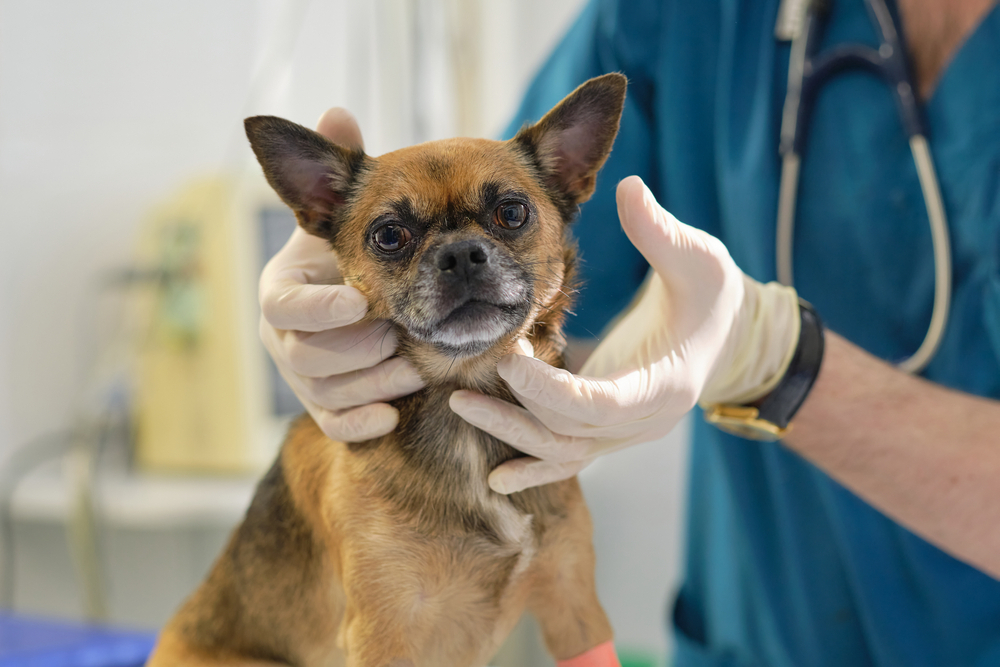
Lymph nodes are located all over the body. Some lymph nodes are able to be felt, or palpated, by your veterinarian on their physical exam. These are the lymph nodes that are located along the jawline and near the TMJ joint, in front of each shoulder, within each armpit area, within the groin, and behind each knee. However, there are numerous lymph nodes located throughout the entire body, many of which cannot be felt and/or seen.
The ones listed above may or may not be easily felt if they are not enlarged. If your dog is overweight, likely your veterinarian will not be able to feel a normal lymph node. In thinner dogs, a normal-sized lymph node will feel very soft, pliable, and slippery between your veterinarian’s fingers. They are located underneath the skin within the fat and tissue near the muscles. When lymph nodes are enlarged, they are often firm, sometimes painful, warm to the touch, and may even be painful when they are felt. It’s important that your veterinarian monitor if only one lymph node or multiple are enlarged on any physical exam.
What Are the Signs of Enlarged Lymph Nodes?
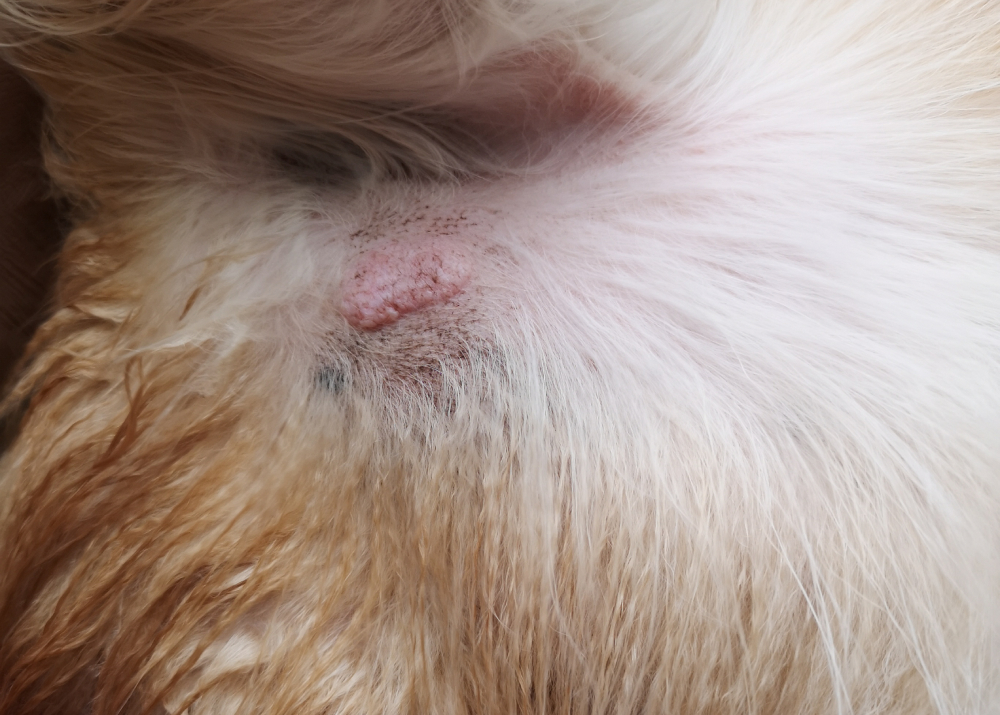
As mentioned above, sometimes you may be able to feel something you think may be a mass when you are petting your dog. People will often feel the lymph nodes in front of the shoulders, or the armpit areas when they are snuggling with their dog. Other times, if your dog has a short coat, you may notice swelling in one or multiple areas of the lymph nodes.
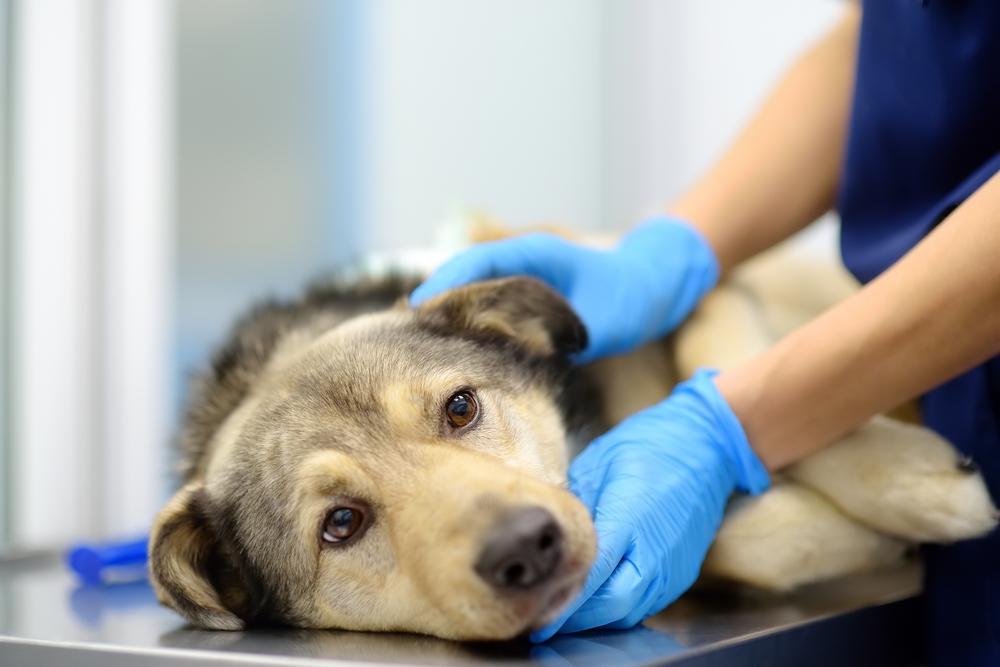
Depending on the cause of the enlarged lymph nodes, your dog may exhibit other signs. Frequently we will see dogs start to drink and urinate excessively. Other times, you may notice that your dog’s appetite decreases or they are more lethargic than normal. Some dogs will start to pant and/or breathe heavily while others may develop a distended abdomen. Vomiting and/or diarrhea, in addition to complete anorexia, can also be some abnormal signs in your dog. Whether or not your dog develops one or multiple of these signs always depends on the cause of the enlarged lymph nodes.
Unfortunately, if your dog does not have enlarged lymph nodes that you can see or feel, in other words just the lymph nodes inside the chest and abdomen are enlarged, then the abnormal signs that can occur are considered non-specific. Things such as vomiting, diarrhea, lethargy, decreased appetite, panting, etc., are all signs that can be seen with a number of different diseases and don’t just occur from enlarged lymph nodes. It’s important to remember this because it may be difficult for your veterinarian to diagnose the cause if there is no visible enlargement of the lymph nodes.
Seek veterinary advice if you’re concerned about your pet’s well-being.
If you need to speak with a vet but can't get to one, head over to PangoVet. It's our online service where you can talk to a vet online and get the advice you need for your pet — all at an affordable price!
What Are the Causes of Enlarged Lymph Nodes in a Dog?
By far the most common reason we see enlarged lymph nodes in dogs is a type of cancer called lymphoma. With this type of cancer, multiple lymph nodes of the body become enlarged, and some of them you cannot see and/or feel. There are different types of lymphoma that can occur, with a different prognosis and treatment for each. Dogs with lymphoma can have a range of abnormal signs, some not even acting sick or ill until well into the course of their disease.
With lymphoma, veterinarians will commonly feel multiple enlarged lymph nodes on exam. Oftentimes they will then recommend chest radiographs and an ultrasound of the abdomen. These diagnostics are used to determine if there are also enlarged lymph nodes internally that they cannot feel.
Other kinds of cancer can also cause enlarged lymph nodes such as leukemia, and cancers that metastasize and/or spread to the lymph nodes. Metastatic disease is often found in the lymph nodes that are closest to the original cancer or tumor.
Other causes for swollen lymph nodes in a dog include almost any bacterial, fungal, auto-immune, tick-borne, or viral disease. Lymph nodes can become swollen because they are considered reactive. In other words, they are appropriately responding to an abnormality in the body such as a bacterial infection, viral infection, or even foreign material. They will become enlarged while simultaneously helping to drain and assist in healing of the affected area. Reactive lymph nodes are often uncomfortable to palpate, while lymph nodes enlarged from lymphoma do not cause pain when felt.
The final reason we may see swollen lymph nodes is if one or more lymph nodes have actually become infected themselves and are abscessed. An abscess is a focal area or pocket of purulent material (pus). These can occur anywhere in the body, including a lymph node. Oftentimes abscessed lymph nodes are very warm to the touch and very painful when felt. It’s most common that only one lymph node will be abscessed versus your veterinarian finding multiple lymph nodes enlarged.
How Do I Care for a Dog With Swollen Lymph Nodes?
Care for your dog completely depends on the cause. If your dog has lymphoma, this is a disease very commonly treated with chemotherapy. Chemotherapy protocols, cost, and prognosis can all be discussed with a Board Certified Veterinary Oncologist. Other families may choose just to treat lymphoma with high doses of steroids in addition to supportive GI tract medications.
If your dog has an underlying bacterial infection, antibiotics are needed. Oftentimes dogs will get enlarged lymph nodes along the jawline if they have severe dental disease. In these patients, both oral antibiotics and a professional dental cleaning are often recommended. An abscessed lymph node will also require aggressive antibiotics in order to resolve.
If your dog has a viral, tick-borne, or auto-immune disease that is causing their lymph nodes to be swollen, then the underlying disease will need to be treated and controlled. In other words, the lymph nodes may not decrease in size until the inciting disease is either cured or at minimum effectively treated.

Frequently Asked Questions (FAQ)
How Do You Diagnose the Cause(s) for Swollen Lymph Nodes?
The most common way to diagnose a cause is for your veterinarian to perform a fine needle aspirate (FNA). This can be done in the office without any sedation. Your veterinarian will poke a needle into the enlarged node(s), aspirate cells into the syringe, and then spread those cells on a microscope. These microscope slides are then sent to a laboratory for diagnosis. If a diagnosis cannot be made from an FNA, then your veterinarian may need to sedate your dog and take a biopsy, or small tissue sample, from the affected lymph node(s).
Can Lymphoma Be Cured?
Lymphoma patients can go into times of remission. This is when they have no current evidence of cancer within their body. Unfortunately, lymphoma patients will eventually come out of remission and once again be affected by the disease. Ability to reach remission and how long your dog can be in remission depends on the type of lymphoma, and what they are treated with.

Conclusion
Enlarged or swollen lymph nodes in your dog can occur for a number of reasons. You may be able to physically see and/or feel enlarged lymph nodes if they are on the outside of the body. Still other lymph nodes within the chest or abdominal cavity may not be visible to the naked eye. Aspiration of these swollen nodes is completed, and a laboratory will then look at these cells under a microscope to determine a cause.
Enlarged lymph nodes most commonly occur from a cancer called lymphoma. However, any type of bacterial, fungal, viral or even tick-borne disease can also cause swollen lymph nodes. Metastatic disease from a nearby tumor can also cause one or multiple lymph nodes to be enlarged. Treatment and prognosis completely depends on the cause of the swollen lymph nodes.
Featured Image Credit: Yavdat, Shutterstock