How Aggressive Are Boston Terriers? Vet-Verified Reasons, Tips & FAQ



In this article
Boston Terriers are dogs with spunky personalities in tiny bodies.In fact, the dog has the nickname “the American Gentleman” because it looks like they’re wearing a tuxedo. However, when you want to adopt one of these dogs, the first thing on your mind, especially if you’re a parent, is the dog’s temperament and suitability around children. As long as they are properly socialized and trained, Boston Terriers are generally not aggressive and make exceptional pets for families.
Below, we’ll discuss everything you need to know about these adorable dogs, so you’ll know if the Boston Terrier is the right fit for your home.

Are Boston Terriers Aggressive?
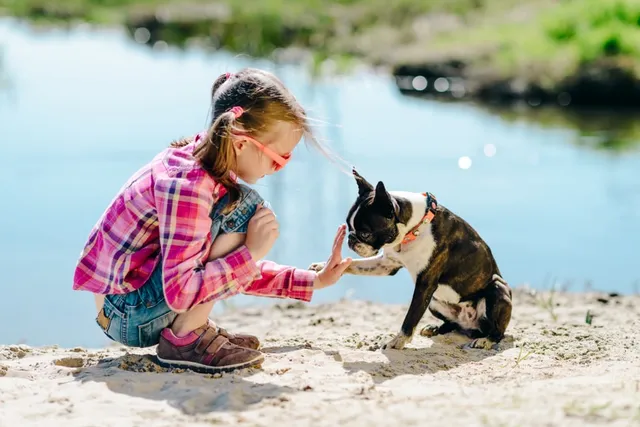
Boston Terriers are bred to be companion dogs and are not generally aggressive at all. They are friendly and gentle and generally get along well with children and other pets. However, they need to be socialized and trained as a puppy to ensure they’re well-behaved and obedient.

Can Boston Terriers Become Aggressive?
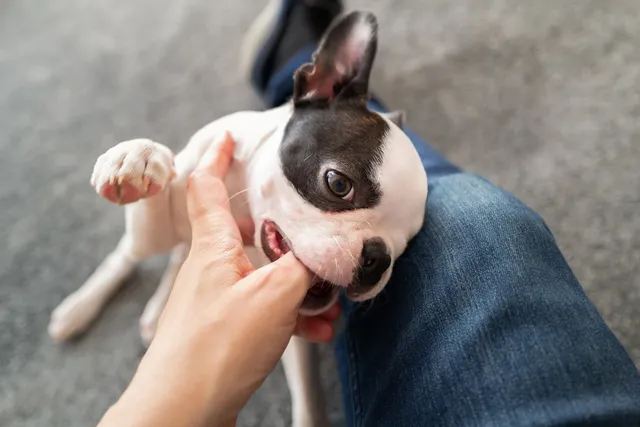
Boston Terriers are certainly not aggressive dogs, but like any breed, they can show aggression in some circumstances. In the section below, we’ll discuss why your Boston Terrier might be prone to aggression.
Reasons Your Boston Terrier Could Be Aggressive
Although aggression is uncommon with Boston Terriers, they can display aggressive tendencies due to these factors:
- Illness
- Pain
- Frustration
- Fear
- Injury
- Resource guarding or conflict over access to food, space, or attention

What Are the Forms of Aggression in Boston Terriers?
There are different forms of aggression in Boston Terriers and other breeds. You can find a few of them below so you know what to look for in your little friend.
Lack of Socialisation and Training
Some dogs may show reactivity toward unfamiliar dogs, which can sometimes be influenced by fear, lack of socialization, or frustration rather than sex or dominance. This behavior is not considered typical for the breed and should be addressed through proper socialization and training.
Territorial Aggression
Boston Terriers are loyal to their families and may become alert or reactive if they perceive a threat, but appropriate training and socialization help them respond calmly rather than with aggression. This is also perfectly normal, but you need to train and socialize your Boston Terrier early so they know what is acceptable and what isn’t when protecting you and your family.

Pain-Based Aggression
Everything from being injured, ill, in pain, or having an underlying health condition could cause your furry friend to show pain-based aggression. Dogs can get aggressive when they are in pain, and if you suspect your pup is ill or injured, take them to the veterinarian for a full examination.
Defensive Aggression
This type of aggression usually occurs if your dog feels threatened or is anxious about something. If your dog is showing defensive aggression, identify potential triggers where possible and manage their environment to reduce exposure, while working toward behavior modification strategies such as desensitization and counterconditioning. If you can’t find the cause of the defensive aggression, contact a vet for help.
How to Cope with Aggression in Your Boston Terrier
As you probably already know, Boston Terriers are smart canines. They are usually calm and even-tempered, but it takes proper training and socialization to get them that way. If you’re having a problem with your furry friend being aggressive, no matter what form of aggression they’re showing, there is something that you can do about it. We’ll give you a few tips on how to cope with aggression in your furry friend.
Train Your Boston Terrier Correctly
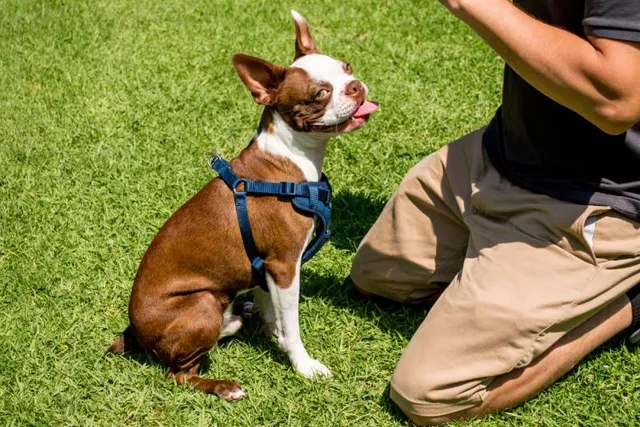
The best way to keep your Boston Terrier sweet, calm, and even-tempered is by socialising and training them correctly. It’s essential to remember that proper training doesn’t happen overnight. Training your dog the correct way takes patience, consistency, and love. It’s best to use positive reinforcement in training and avoid yelling at or scolding your pup.

Start the Training Early
Although you can effectively train an adult Boston Terrier, it will take more time and patience than training a puppy. Whether you adopt a puppy or an adult, it’s best to start the training as soon as you bring your pet home. If you don’t establish consistent training and reinforcement early on, unwanted behaviors are more likely to develop.
Hire a Professional
Of course, you can always hire a professional dog trainer to train your Boston Terrier. Professional trainers and canine behaviorists can be helpful for dogs of any age, especially when behavior issues are complex or difficult to manage safely. You can ask your vet for recommendations for the best trainer to meet your needs. However, it’s important to note that it will cost much more than training the dog yourself.
Final Thoughts
Boston Terriers are usually affectionate, loyal dogs that make great pets. They get along great with kids and other pets. However, they need to be trained and socialized as puppies to get along with others. Although they’re small dogs, they’re very loyal and protective of their families. If your Boston Terrier displays aggression and you cannot resolve the issue, make an appointment with your veterinarian. Your veterinarian will perform a full examination to rule out medical causes and may discuss treatment options, which could include behavior support strategies or medication when appropriate.
See Also:
Featured Image Credit: Mike Condon Photography, Shutterstock
Expert dog care, straight to your inbox
News, insights, expert advice, and everything dog.

No spam — unsubscribe anytime.
By signing up, you agree to our Terms & Conditions and Privacy & Cookies Policy.
How useful was this post?
Click a star to rate. You can leave written feedback afterwards. (We read all feedback.)
Patricia is an experienced pet writer and lifelong animal lover. When she isn’t writing, Patricia enjoys spending time with her pets, cats Binx and Link and dog Mystery. Mystery and Link have been with her since birth. Binx was found under her house as a kitten and promptly welcomed into the family. Patricia enjoys volunteering at her local rescue shelter and sharing her extensive knowledge of pets.