Dog Mushing: What It Is & How to Get Started With the Sport

In this article
Did you know that the start of sled dogs goes back roughly 9,500 years in the Arctic, when wolves bred with their ancestors of sled dogs and American dogs? However, it was a necessity that undoubtedly drove this relationship between canines and sledding or mushing, as human survival depended on a reliable form of transportation in challenging conditions.
Our association with canines began between 20,000 and 40,000 years ago. These animals hunted with us, provided companionship, and probably made short work of any scraps flung their way. The advent of mushing shows a more refined relationship because people started to give dogs specific jobs. While sledding started as a means of transportation, it has since evolved into an enjoyable recreational activity and sport.

How Does It Work?
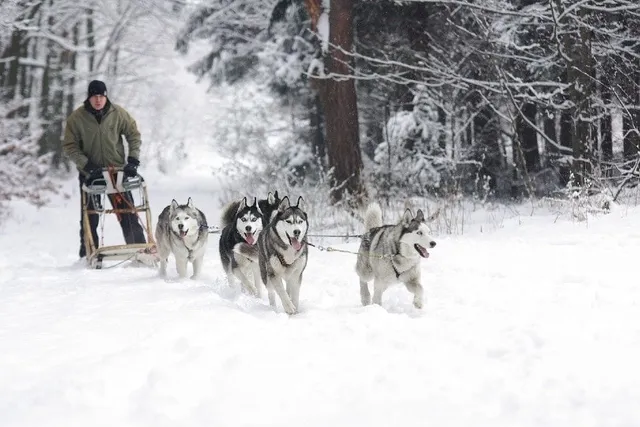
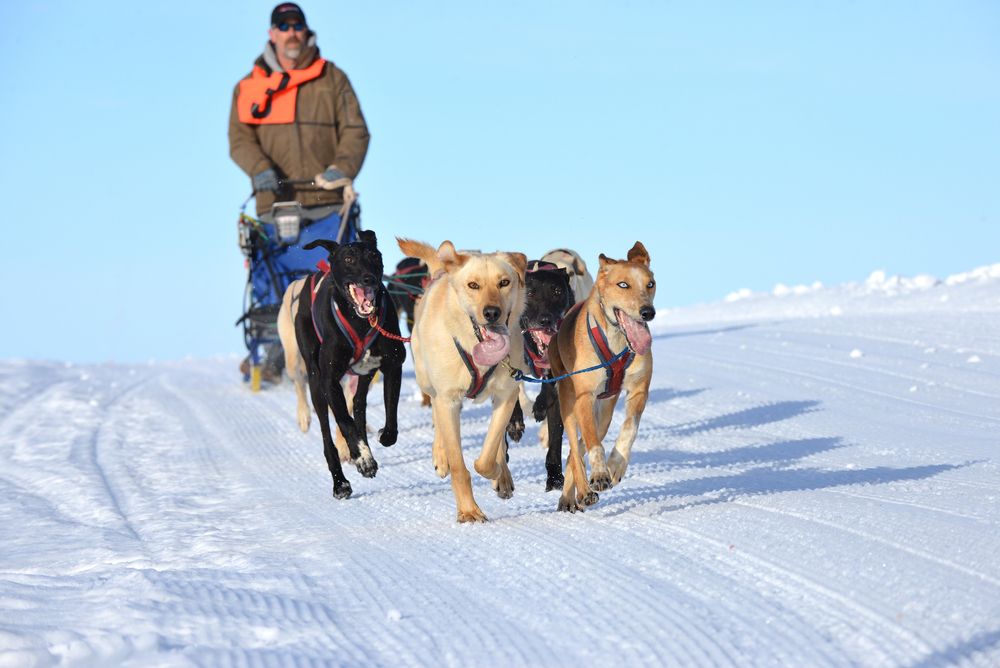
Traditionally, mushing involves a team of dogs pulling a sled with a musher who controls the action, although other forms use bikes or carts instead. Exploration and travel were the main uses that made traversing rugged terrains easier. Norwegian explorer Roald Amundsen discovered the South Pole via mushing, and Robert Peary may or may not have a similar claim on the North Pole.
Every dog has a job on the team. The lead dogs are the business end of the operation, following the musher’s commands. Swing and team dogs provide the speed and power, and wheel dogs are the brawn, positioned at the top of the sled.
The dogs wear special harnesses to keep them attached to the gangline while giving them room to maneuver. The sled varies, depending on whether you’re mushing for fun or competition. The lines connecting the dogs to the sled are not reins like a horse wears; instead, their purpose is to keep everyone together. The musher sets the pace and direction with spoken commands to the team.

What Are the Different Types of Dog Mushing?
Mushing can differ by purpose. Remember that it initially served a utilitarian function. Early peoples used it to get around when snow and wind made travel by foot impossible and dangerous. It has continued to fulfill transportation needs in modern times. For example, dog sled teams were integral to mail delivery in the late 19th and early 20th centuries for the same reasons. Even military personnel during World War II used dog sleds.
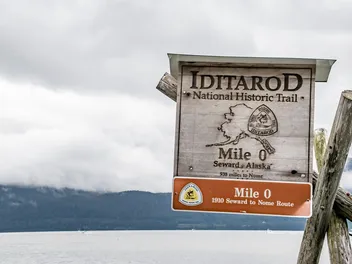
Recreational mushing is also a thing, with many clubs all over the country. All you need is some open country and some snow. Of course, if there’s more than one dog sled team, there’s going to be a race. The granddaddy of them all is the Iditarod Trail Sled Dog Race, first run in 1973. It’s the ultimate challenge, with roughly a 1,000-mile stretch.
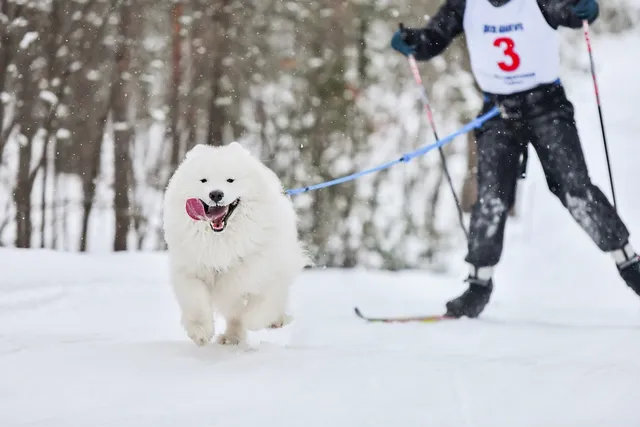
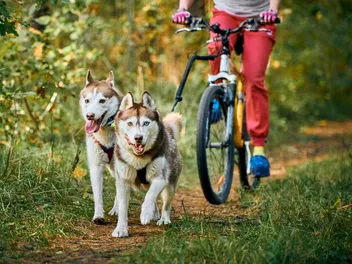
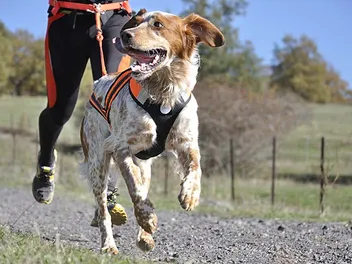
Mushing has also morphed into other forms. We mentioned different modes of travel, like carts. You’ll find weight pulling, bikejoring (where the sled is swapped out for a bike), and dog scootering (using a kick scooter). Enthusiasts and pros keep their teams in shape during the off-season with substitutions, and working the dogs year-round is imperative to keep them physically and mentally fit for the job.
Where Is It Used?
If you want traditional mushing, all you need is snow. Many states where you wouldn’t think there would be an extensive fan base have mushing clubs, and many resorts offer dog sledding experiences. The races continue across the country. Undoubtedly, many people in northern climes use it as transportation where necessary. The difference we see today is the breadth of venues, from competitions to festivals.
Mushers and sledding organizations are also drumming up enthusiasm for the sports at events where people can experience mushing first-hand on a sled. The sport has a novelty that can attract individuals to the activity and help it grow.

Advantages of Dog Mushing
Advantages exist on several fronts. Dog mushing helps people embrace winter instead of dreading it. It gets them outside, with the chance to experience nature even when the temperature drops. Resorts have indeed benefited from a fun activity that brings guests to their businesses during what may typically be slow months. Mushing is also an environmentally friendly activity, making it an excellent option for ecotourism.
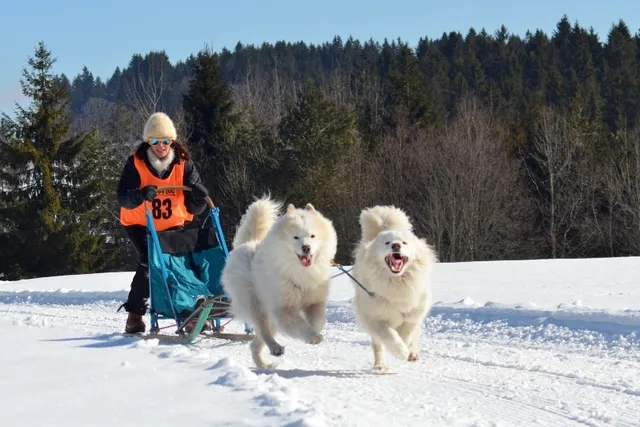
We must consider the dogs as well, though. The breeds enthusiasts typically use include intelligent dogs, such as the Siberian Husky, Alaskan Malamute, Alaskan Husky, Chinook, and Samoyed. Mushing gives these pups a job, which is vital for their mental health. It is the ultimate form of enrichment. It also provides opportunities for the dogs to socialize with other canines. Mushing offers these same mental health benefits for enthusiasts.
Disadvantages of Dog Mushing
The main disadvantage some people see in mushing is the concern over animal welfare. Racing is grueling and physically demanding. Then there is also the cold to consider. Just because sled dogs are cold-tolerant doesn’t mean they’re immune to frostbite and hypothermia. These are valid considerations. However, mushing organizations have addressed these issues head-on, with dog care on the front burner.

Frequently Asked Questions (FAQ)
What Must a Sled Dog Eat to Pull a Sled and Stay Warm?
People have selectively bred sled dogs for thousands of years. The breeds have evolved to meet the sport’s unique demands. That includes their caloric intake and metabolism. An active pup may consume up to 12,000 calories daily when competing, and mushers often feed their dogs a diet that provides upward of 70% fat.
How Can a Dog Run So Long or Far Without Getting Hurt?
Sled dogs have another evolutionary card in their favor. When we exercise intensely, we damage muscle fibers that our bodies must repair. It’s how we build muscle. It’s different with dog mushing, though. The animals adapt quickly to the physical demands of their job and don’t experience the same muscle damage.

Do the Dogs Get Lost Running a Long Race Like the Iditarod?
You must have collar tags or microchips on your dogs to participate in the Iditarod. The pups must check in at the 23 checkpoints, where their IDs are verified. This race has another endearing tradition that speaks to the dogs’ safety. The so-called Widow’s Lamp stays lit from the beginning to the end of the race; only when the last team returns is it extinguished.
Conclusion
Dog mushing has ancient roots that the necessity for transportation created, but bonding with our canine companions nurtured its development and evolution. While some still use it for transportation, sledding is an enjoyable winter activity and sport. Instead of staying inside and waiting for winter to end, it encourages enthusiasts to enjoy the outdoors in a unique way that hearkens back to a different time.
Sources
Featured Image Credit: Kirk Geisler, Shutterstock
Expert dog care, straight to your inbox
Vet-reviewed advice, training tips, and the best of Dogster. Free, and you can unsubscribe anytime.
By signing up, you agree to our Terms & Conditions and Privacy & Cookies Policy.
Since 2009, Chris has written on a variety of topics. Her motto with all of her writing is “science-based writing nurtured by education and critical thinking.” She specializes in scientific topics, with a special love for health and environmental topics, and of course, pets of all shapes and sizes.
Chris lives happily with her husband and three cats in the land of 10,000 lakes, writing, wining, and boating as much as she can. She and her husband, Norm, were awarded the State of Kentucky Colonel Honor for their restoration work at Mammoth Cave National Park.
Join the conversation
Ask a question, share your story, or send private feedback.