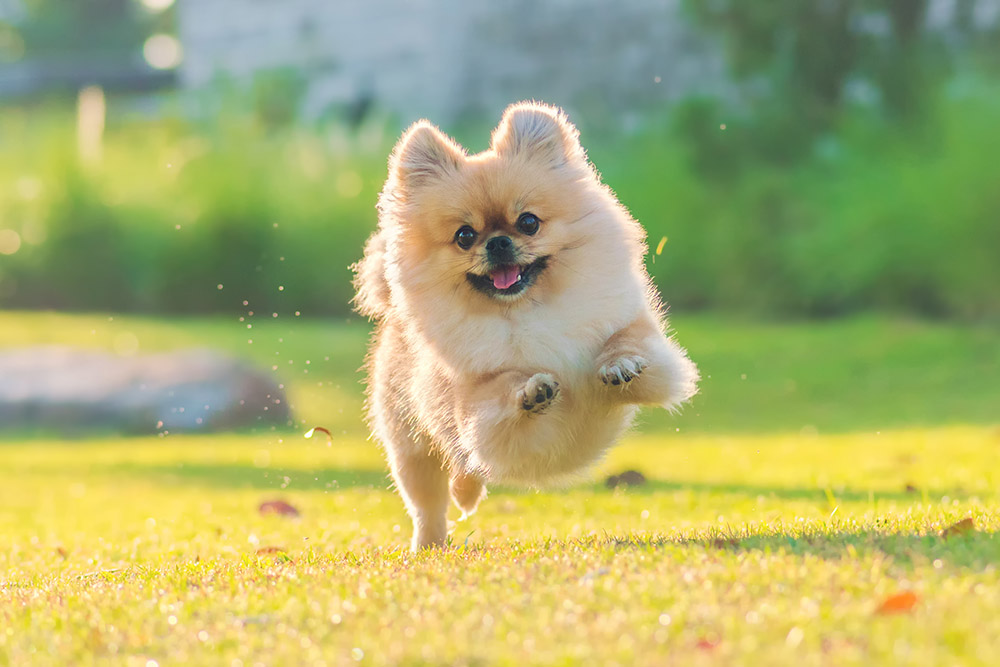
Highly active dogs can be affectionate and playful, but pet parents sometimes find dealing with their energy demands challenging. Unfulfilled, these needs can lead to behavioral issues like digging, barking, lunging, and chewing. Increased physical activity and mental stimulation can calm dogs who have a strong drive for work and exercise.
However, dogs who demonstrate sudden behavior changes, including increased or decreased activity levels, should be seen by a veterinarian to ensure that a medical condition isn’t causing the problem. It’s always a good idea to reach out to your veterinarian if you have any concerns about your dog’s energy levels or behavior. Keep reading for six tips to help your dog find a calm and happy place.

The 6 Tips If You Have a Dog That Has Too Much Energy
1. Ensure They Get Enough Exercise
Extra exercise can help active dogs calm down. They mellow a bit when a few heart-pumping games and activities are added to their schedules. Fetch is an excellent high-octane option. Allowing your dog to run free in a secure area can help them release excess energy. Swimming is also a great low-impact exercise.
Make sure to consider your dog’s breed and age when determining how much exercise your pup needs. Particularly active breeds, such as Border Collies, need plenty of high-octane exercises to stay centered, but most Toy dogs have relatively limited exercise needs.
Puppies benefit from short play sessions and walks to allow them to safely expend their energy without overdoing it. Senior dogs also need activity to stay healthy, but stick with brief sessions and joint-friendly activities like leisurely walks and swimming.
2. Give Them a Job
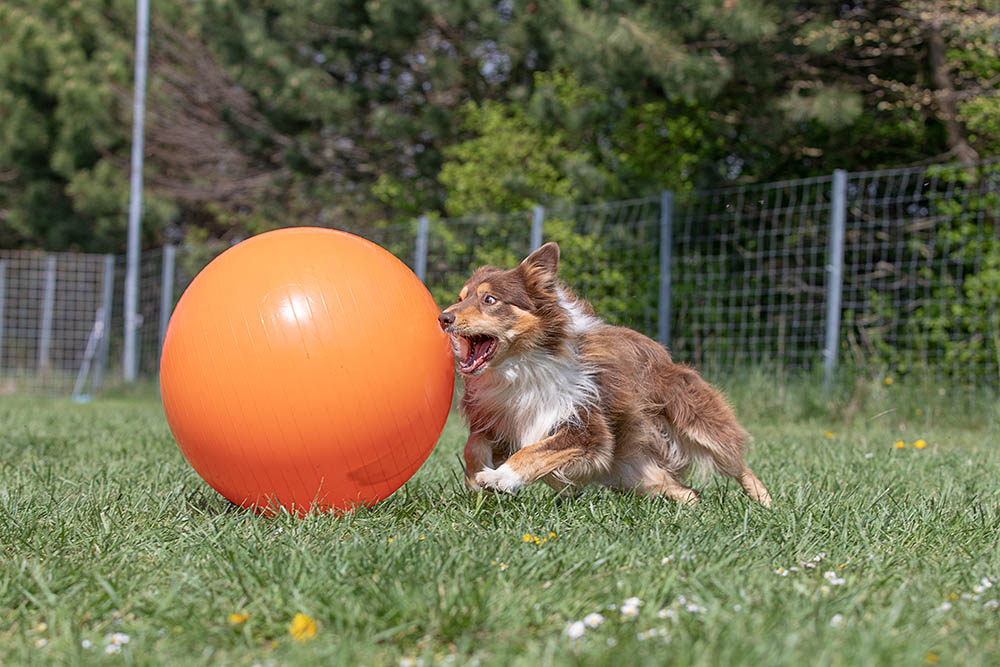
Dogs with lots of energy benefit from jobs that engage their bodies and minds. Training for doggie sports provides them with physical activities to enjoy and requires them to use their minds to accomplish tasks.
Teaching new tricks and practicing ones they’ve mastered allows them to engage their thinking caps, which helps keep boredom at bay. Simply hiding food around the house and allowing your dog to find it can give them mentally stimulating entertainment.
3. Implement a Training Routine
Dogs sometimes earn reputations as having too much energy when they tug on leashes and jump on visitors. These issues can be improved with training.
Consider working with your dog to respond to commands since managing enthusiastic behavior is easier when they’re more responsive. Positive reinforcement training techniques are ideal, and they make the learning process fun and motivating.
Alternatively, you may want to enroll your dog in a refresher training class, which can provide your pup with a chance to make a few new friends.
4. Reward Your Dog for Being Calm
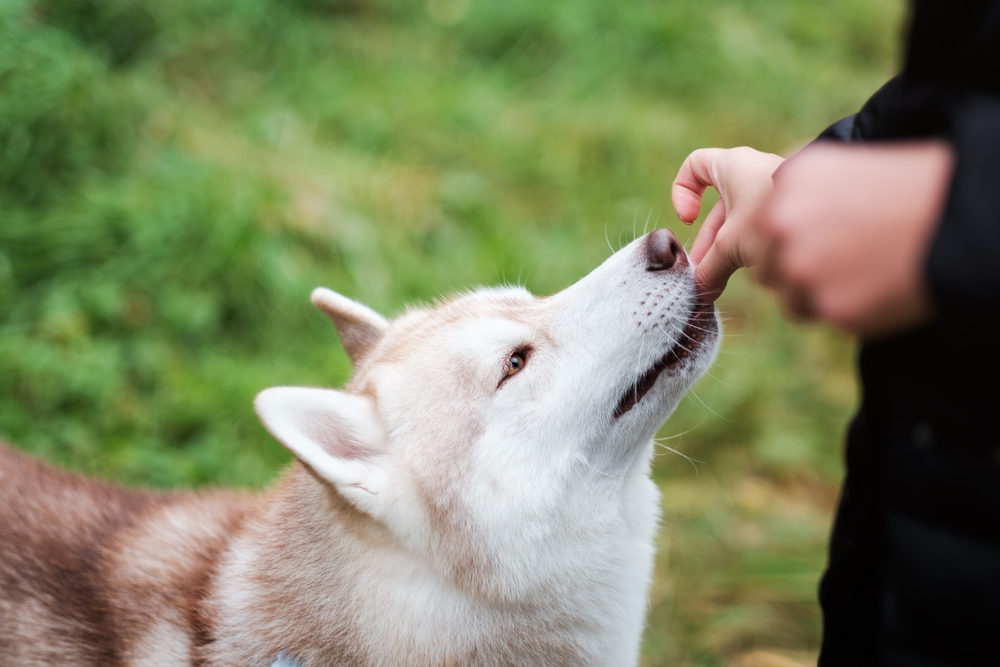
Make sure to praise your dog when they’re calm and collected. Rewarding dogs when they are exhibiting desired behaviors, like relaxing in their doggie beds, encourages them to do more of the same. They’ll soon learn that being calm and collected results in good things like positive attention. While rewards can mean food, these active dogs usually also see play as a fantastic reward. Throwing a toy, or a short game of tug can reinforce behavior, but take care not to overexcite them when doing so. The goal is calm and focused attention.
5. Increase Your Dog’s Mental Stimulation
Dogs can become rambunctious when they’re bored and looking for things to do, so providing mentally stimulating activities can help entertain them. Snuffle mats and puzzle toys allow dogs to sniff out treats and work to retrieve them.
Games of hide-and-seek are generally fun for dogs, and they allow them to play with their favorite people and use their minds and noses. Scent walks can also provide mental stimulation and may help dogs destress.
Simply taking a different route on your daily walk is an easy way to increase your companion’s mental stimulation by allowing them to enjoy new sights, sounds, and smells.
6. Provide More Socialization Opportunities
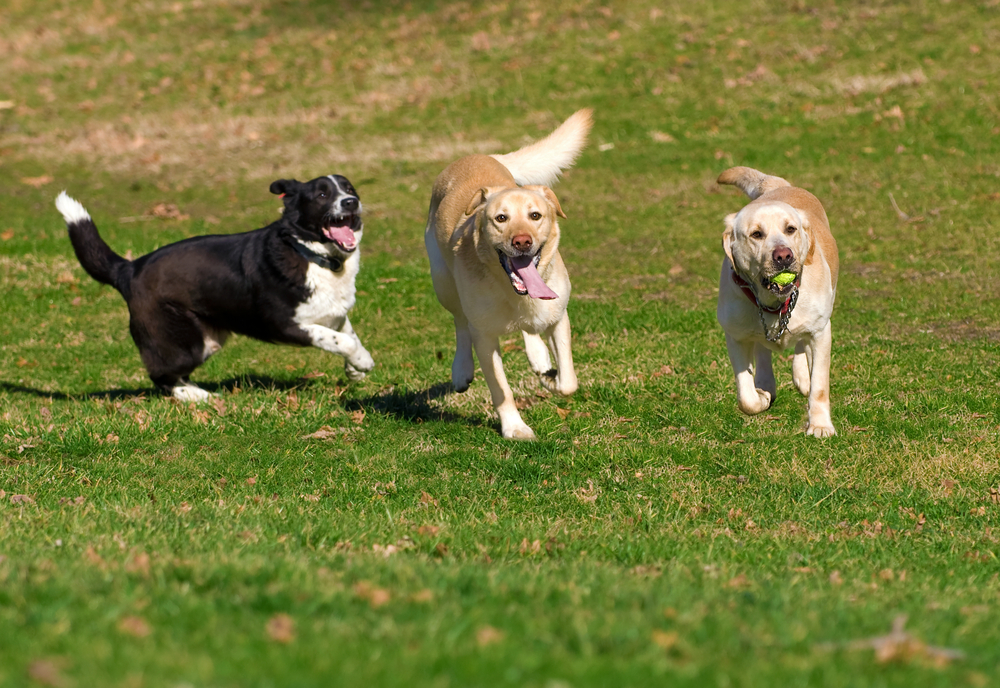
Giving dogs chances to run, play, and make canine friends can help them meet their social needs and entertain them. Dogs who spend time home alone benefit from attending doggy daycare or having someone come by to walk them so they can burn off steam during the day.
Make sure your dog responds to commands quickly and consistently before heading off to the dog park to ensure they can interact safely with new friends. However, playdates can provide socialization opportunities for pups who prefer to hang out in quiet environments.
Frequently Asked Questions
Are Some Breeds More Energetic Than Others?
Yes. Herding and sporting dogs generally require more physical activity than other breeds. German Shepherds, Belgian Malinois, Border Collies, and Australian Cattle Dogs are classified as herders. Chesapeake Bay Retrievers, Golden Retrievers, Irish Setters, Weimaraners, and Cocker Spaniels are considered sporting dogs.
If you’re lucky enough to have a gorgeous herding or sporting dog at home, be prepared to provide your dog with heart-pumping games and sports.
Are There Dogs Who Don’t Require Tons of Exercise?
Although all dogs need physical activity and exercise, some have relatively modest physical activity needs, including Pugs, Chihuahuas, Dachshunds, and Mastiffs. Flat-faced dogs can have more trouble breathing, which can make it difficult for them to exercise intensely.
What Are Some Medical Conditions That Can Cause Hyperactivity in Dogs?
True hyperactivity is relatively uncommon in dogs, but when it shows up, it can be linked to medical conditions such as hyperthyroidism (rare in dogs) and neurological issues. Therefore, as we mentioned earlier, it is always the best idea to reach out to a vet for a consultation.
If you need to speak with a vet but can't get to one, head over to PangoVet. It's our online service where you can talk to a vet online and get the advice you need for your pet — all at an affordable price!

Conclusion
Energetic dogs benefit from increased mental and physical stimulation. Most calm down once they have enough ways to burn off steam and activities to keep them interested and engaged.
Providing enough physical activity is particularly important for herding and sporting breeds that require more activities to stimulate their minds and bodies.
Canine sports training, food puzzles, and other forms of mental stimulation provide entertainment and help keep dogs mentally engaged. Continuous training can remedy unruly behavior, and most dogs look forward to training sessions when they’re entertaining and brief.
Featured Image Credit: wirakorn deelert, Shutterstock