Biewer Terrier: Dog Breed Info, Pictures, Care, Facts, Traits

In this article
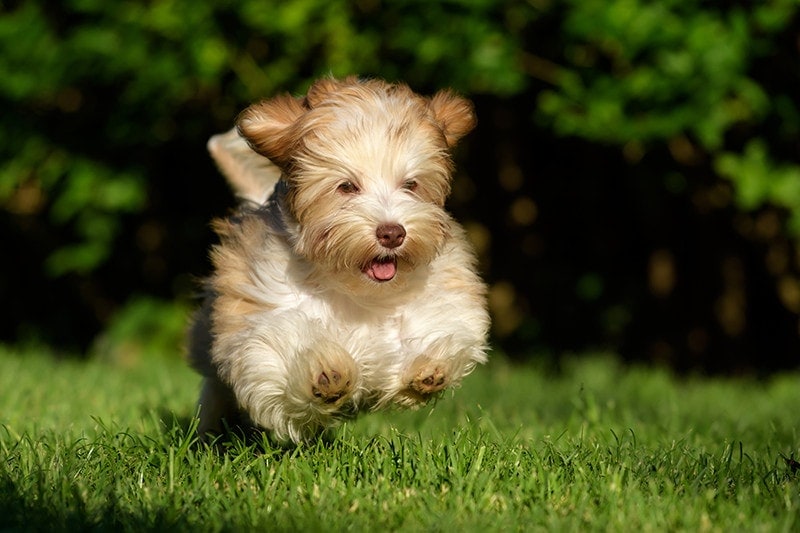
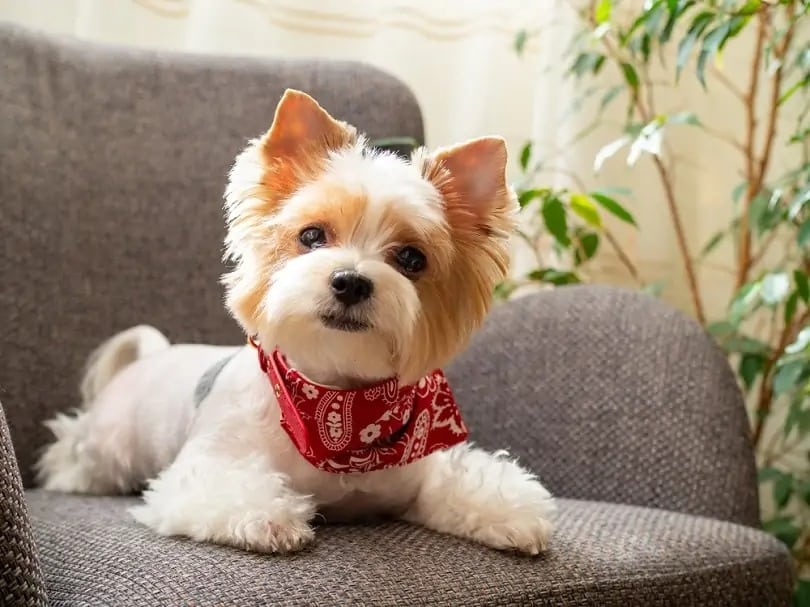
The Biewer Terrier is a newer breed of dog and came around in the 1980s in Germany. They’re often called “Biewer Yorkies,” but they are a distinctive breed from Yorkies. Similarly to Yorkies, these dogs are relatively small and weigh between 4 and 8 pounds. They have a long, silky coat that is typically tri-colored. Their ears are relatively floppy.
Breed Overview
Height:
Weight:
Lifespan:
Colors:
Suitable for:
Temperament:
These terriers were bred for companionship, so they’re extremely affectionate and playful. They’re pretty intelligent and decently obedient. Biewer Terriers are also pretty active and require regular exercise. They also need a lot of grooming, so they aren’t low-maintenance dogs.
Biewer Terriers are healthy dogs, but they’re still prone to a few health problems like patellar luxation and portosystemic shunt. We’ll go over their health completely below, as well as their other needs.
Biewer Terrier Characteristics

Biewer Terrier Puppies

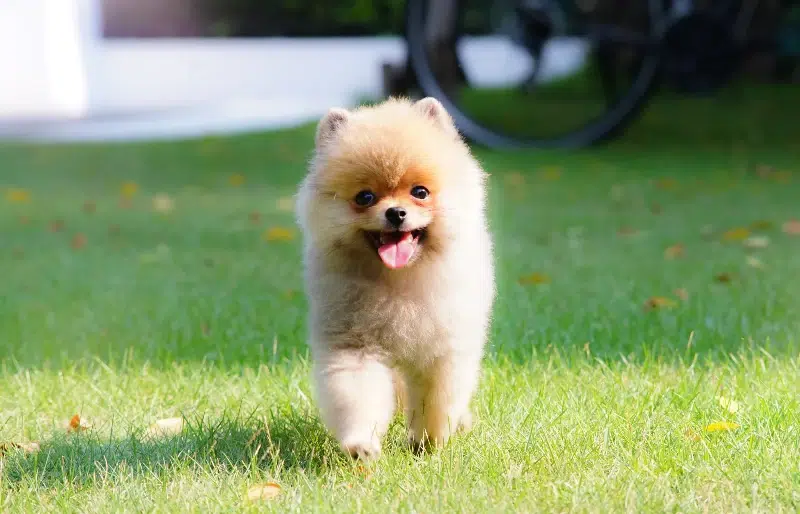
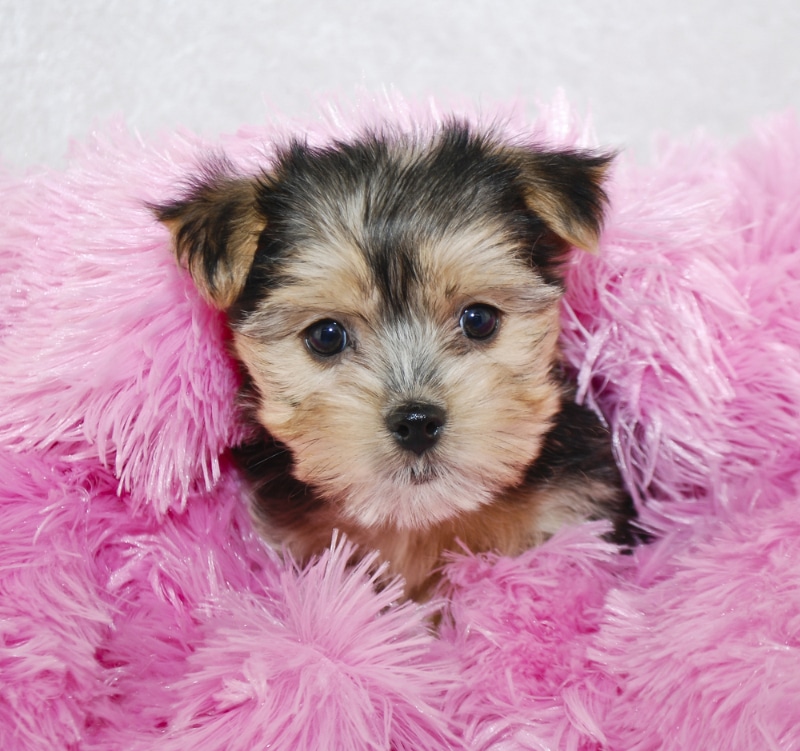
Biewer Terrier puppies are a lot like other breeds. They’re fluffy, happy, and absolutely adorable. These dogs are incredibly active when they are younger. Expect them to play a lot. They spend a lot of time playing and sleeping but not very much cuddling.
These dogs take quickly to training. Therefore, potty training and basic training often go by pretty quickly.
These terriers are pretty rare. Finding them isn’t as easy as it is for other breeds. Because they’re very new, finding a reputable breeder would be an issue. Run away from backyard breeders, as many of them may claim to sell Biewer Terriers when they’re really mixed-breed Yorkies. The Biewer Terrier Club of America is a great place to start looking for puppies. Expect long waiting lists and potential travel. Health checks, genetic testing, and socialization are absolutely necessary for these dogs, so be sure whatever breeder you choose does these things.


Temperament & Intelligence of the Biewer Terriers 🧠
Biewer Terriers are often described as great family dogs. They crave human companionship and tend to form very strong bonds with their families. They do like to cuddle, but often after they are properly exercised.
These dogs are incredibly energetic. They love to play and go on walks. If you’re active, this breed may be a great choice for you. However, if you aren’t, they may be a bit too energetic. Their lively spirit can be a fantastic addition to the right home, but not every home can deal with their energetic nature.
Like all terriers, these dogs are incredibly observant. They tend to bark more than the average dog, and this isn’t something that you can train out of them completely. Socialization can help reduce this nosiness, though. If they learn that not all people are new and scary, they may bark a bit less at strangers.
Despite being intelligent, these dogs can be stubborn. Luckily, Biewer Terriers tend to be less stubborn than other terriers out there, but consistency in training is still key. These dogs are smart, allowing them to pick up on commands quickly. The problem is getting them to listen to these commands in real-world situations.
Are These Dogs Good for Families? 👪
Biewer Terriers can be fantastic family dogs. They tend to be great for younger children as long as they are handled properly. They’re friendly with just about everyone and love to play, making them a perfect fit for more active homes. They’re also gentle dogs and not particularly aggressive. However, socialization and supervision around children are still important.
Because these dogs are so small, they’re more easily injured by overzealous toddlers and larger dogs. Supervision is absolutely required for the dog and child’s sake. Biewer Terriers require some grooming and plenty of exercise, so they aren’t the most low-maintenance breed out there. Their smaller size does make them a good choice for families in small spaces like apartments.
This breed is also known for being incredibly noisy, so they don’t do well for families that cannot deal with their dog barking. They may also suffer from separation anxiety, so it’s important to teach them how to be alone from a young age.

Does This Breed Get Along with Other Pets? 🐶 😽
Biewer Terriers typically get along just fine with other pets, especially when introduced from a young age. They’re naturally social and enjoy playtime, so they do well with active companions. Their smaller size makes them plenty suitable for homes with cats, as well.
These terriers are very adaptable. They can get along with just about any pet except small pets like rabbits. They have a very high prey drive and will chase anything that runs from them. They often work well in homes with pets that are about as big as them or larger. Many cats don’t feel threatened by these dogs because of their smaller size, but personality does play a major role.
We don’t necessarily recommend these dogs for more laidback companions. An older dog may not appreciate the overzealous playfulness of a Biewer Terrier. Cats that are fearful of dogs also aren’t a good choice.

Things to Know When Owning a Biewer Terrier:
Food & Diet Requirements 🦴
Biewer Terriers often do just fine on a balanced and complete dog food. Choose a commercially formulated food that’s designed for small breeds, as Biewer Terriers tend to be rather small. If you’re feeding them kibble, be sure the kibble pieces are small enough for them to eat easily. Smaller Biewer Terriers may do best on wet food, as the vast majority of kibble may be too big for them to eat.
Puppies require frequent feeding. We recommend at least four meals a day for the smallest puppies, as they can be prone to hypoglycemia if they aren’t fed enough. Simply put, their smaller size only allows them to consume a very small amount of food at a time. Therefore, they “run out” of food faster, and their blood sugar can drop down to dangerous levels.
Adults can often eat two meals a day, as they’re much less prone to hypoglycemia. Some very small terriers may still need three meals even as adults, though.
Limit your dog’s treat intake, as it’s very easy to overfeed these terriers. Choose healthy options like fresh fruits and vegetables instead of calorie-rich treats. Freeze-dried meat is another great option, though it’s often expensive.
Biewer Terriers are very active, so they aren’t prone to obesity. They can also be very food-driven, though. It’s important to monitor their weight to maintain their health. If your dog starts to become overweight, a diet dog food formula or more limited feeding may be called for.
Exercise 🐕
Like most terriers, Biewer Terriers are surprisingly small, energetic dogs. They need at least 45 to 60 minutes of physical activity a day. Often, walks are suitable for this purpose, but these should be brisk walks. You can also play with your Biewer Terrier to help meet their exercise needs. They often love fetch, hide-and-seek, and any other game you come up with.
Puppies and senior dogs may need less exercise than recommended above. They may only need 30 minutes a day, broken into several smaller blocks. For puppies especially, 5 minutes of playtime between every nap may be plenty to keep them healthy. Overexercising these dogs can result in health issues, so don’t push your puppy to complete a walk if they seem tired.
Biewer Terriers are very intelligent, so they often like more interactive exercise sessions. Games and active training can wear them out faster than taking another walk along the same path.

Training 🎾
Biewer Terriers are both intelligent and stubborn. They’re terriers, which means that they aren’t as easy to train as some other dogs out there. However, training is completely possible, and these dogs often like training due to their intelligence. Training helps your dog learn to behave and provides mental stimulation, preventing boredom.
You can train Biewer Terriers with positive reinforcement just like you would with any other dog. Typically, this involves treats, praise, and petting whenever your dog does something that you like. Because these dogs are so play-oriented, you can even train them with toys in many cases.
Avoid using punishments, as these are often counterproductive. Punishments teach dogs what not to do, but they don’t teach them an alternative behavior. Therefore, the dog may just hide or cover up their negative behavior. They’ll learn to hide it from you, not to do the alternative behavior that you want them to. As always, consistency is key. Everyone in your family should use the same cues and rewards to help your dog learn faster.
Start training as soon as you bring your puppy home. Basic commands and socialization set the foundation for your dog’s behavior for the rest of their lives. In the beginning, you’ll want to keep sessions very short. For little puppies, 2–3 minutes may be plenty! Plan to work up to 5 to 10 minutes by the time your dog is an adult.
Training should be a positive experience for both of you. Always end on a positive note and stop before anyone gets frustrated.
We highly recommend investing in group training classes. Not only do these provide training tips, but they also provide plenty of socialization. They’re often pretty inexpensive, as well. As soon as your dog has their first vaccinations, they can often sign up for these classes.

Grooming ✂️
Biewer Terriers have a silky coat that requires consistent grooming to maintain a healthy coat. Luckily, they don’t need tons of grooming, unlike most other smaller breeds. Daily brushing with a slicker brush is recommended, as they can become matted very quickly. Their fur texture is just made for tangling, so much of your grooming time will be spent removing these tangles.
Brushing can also help distribute their natural oils and keep their coat clean. If you keep up with a grooming routine, you don’t have to worry about bathing these dogs all that often. Brushing goes a long way to removing dust and debris.
These dogs don’t require professional grooming. Their fur grows out to a certain point and then stops. That said, some owners do decide to get their face, paws, and underbelly trimmed. Often, this is for convenience and helps keep the dog cleaner. It isn’t necessary, but if you’re taking your dog to get them groomed, anyway, it might be a nice addition.
Like all dogs, you’ll need to brush your terrier’s teeth regularly. A few times a week is recommended, but daily is even better. Dental disease can be very serious for dogs, especially if minor dental problems aren’t treated promptly.
Some Biewer Terriers may need their eyes and ears cleaned, too. You don’t typically need to do this unless they are dirty, but dirt and grime can cause infections in both areas. So, if you notice any excessive amounts of dirt in your dog’s eyes or ears, clean it away promptly with a wet rag.
You’ll also need to trim your dog’s nails. Overgrown nails can be uncomfortable and split, leading to infections. If you can hear your dog’s nails clicking on a hard surface, it is time to get them trimmed.
Health and Conditions 🏥
Biewer Terriers are generally considered healthy dogs. However, they are prone to some health conditions—some of which are quite serious. It’s important to be aware of these before adopting your dog so that you know what to look out for.
Like many smaller breeds, these dogs are prone to patellar luxation. This condition causes the kneecap to slide out of place, causing discomfort. Eventually, this condition can lead to excessive wear, which cannot be fixed. Luckily, surgery can cure this condition, though not all dogs may need surgery.
Tracheal collapse is relatively common, as well. If a dog’s trachea collapses, it often makes breathing difficult. The dog may be at a higher risk of heat stroke and anesthesia complications. However, this condition is rarely deadly and can often be treated with surgery if necessary. Many dogs are only minorly affected and may not need surgery at all.
Biewer Terriers seem to have particularly sensitive stomachs. It may take them longer to adjust to a new food, and inappropriate human foods may upset their stomach more than other dogs. While this isn’t deadly and doesn’t require veterinary attention, you’ll want to be extra careful when switching their food.
Portosystemic shunt is a genetic condition that can occur with poor breeding standards. It causes the blood to bypass the liver to some extent, leading to a buildup of toxins within the blood. This condition is almost always deadly if not treated promptly. Often, surgery is necessary.
As we discussed in the food section above, small Biewer Terrier puppies are prone to hypoglycemia if they aren’t fed enough. Signs of this condition include lethargy and weakness. In severe cases, seizures and coma can occur. Frequent feeding is enough to prevent this condition in most puppies.
Male vs. Female
There are no major physical or temperament differences between male and female Biewer Terriers.
Males may be more prone to marking their territory than females, but this isn’t always the case. Spaying or neutering your dog reduces the differences between genders even further.
3 Little-Known Facts About the Biewer Terrier
1. Biewer Terriers were not intentionally bred like most other breeds.
Instead, this breed was accidentally produced when a German Yorkie breeder was trying to produce Yorkies with even markings. Instead, a tricolored puppy was born, which eventually led to the creation of the Biewer Terrier.
2. While not commonly used for hunting, Biewer Terriers have strong hunting instincts.
Like all terriers, Biewer Terriers were born hunters. They have sharp instincts and tend to chase just about everything. They act very similar to other terriers due to their shared ancestry.
3. They weren’t recognized by the AKC until recently.
The American Kennel Club didn’t recognize this breed until 2014 when it was placed in the Toy Group. The breed was one of the first to be recognized due to genetic study instead of through the traditional pedigree process.


Final Thoughts
The Biewer Terrier is extremely similar to the Yorkshire Terrier that they’re descended from. However, they differ enough that they’re counted as their own breed by most kennel clubs.
Like many terriers, they’re prone to chasing things and tend to be rather active. They’re also very people-oriented, though they prefer to play with their people above everything else. They do cuddle, but not nearly as much as some other breeds.
Of course, this breed is also on the rarer side. They’re hard to find outside of Germany, and good breeders are even harder to come across. You may have to wait for a while for a puppy to become available.
See also:
Sources
Featured Image Credit: Svetlana Khoruzhaia, Shutterstock
Expert dog care, straight to your inbox
Vet-reviewed advice, training tips, and the best of Dogster. Free, and you can unsubscribe anytime.
By signing up, you agree to our Terms & Conditions and Privacy & Cookies Policy.
Kristin loves to help pet parents create a fulfilling life for their pets by informing them on the latest scientific discoveries and helping them choose the best products for their pets. She currently resides in Tennessee with three cats, four dogs, two fish, and a lizard, though she has dreams of owning chickens one day!
Join the conversation
Ask a question, share your story, or send private feedback.