


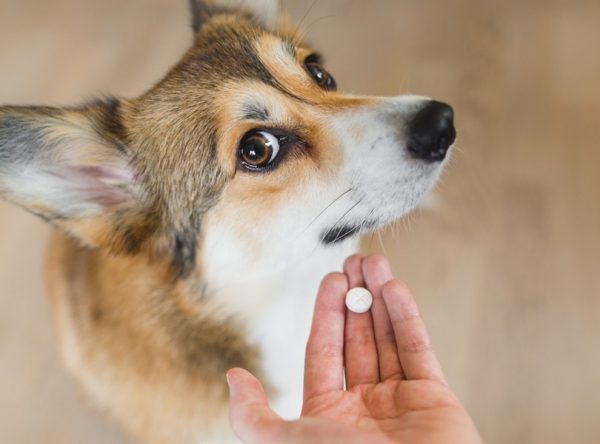
Dogs have a reputation for getting into anything and everything. While you wouldn’t think that your pain relief medication would be a tempting target, it’s very common for dogs to ingest it accidentally, a problem that could be enhanced by the sugar coating on some tablets.
Unfortunately, eating these tablets usually leads to ibuprofen toxicity mainly because of the high dose of medication in the tablets, as well as the dog’s low tolerance for this medication. You must take immediate action if your dog has eaten Advil, Motrin, Nuprin, Combogesic, Duexis, Reprexain, Wal-profen, or other medicines containing ibuprofen.
If you need veterinary advice for your pet, we recommend PangoVet’s TeleVet service. You can have a video consultation with a real veterinarian from the comfort of wherever you are, no travel needed. PangoVet’s vets can provide you with personalized care and advice, and hopefully help ease your mind.

If you want to speak with a vet online, head to PangoVet and get the personalized advice you need for your pet — all at an affordable price!
Please note that PangoVet does not offer prescriptions and is not for medical emergencies.

What to Do if Your Dog Eats Ibuprofen
1. Assess the Situation
First, ensure your dog is safe and shows no signs of distress. If they are showing any signs of illness, take them to the veterinarian immediately. However, in most cases, the signs of ibuprofen toxicity will take hours or days to develop. You should remove additional medication from the area and prevent your dog from ingesting any more than they already have.
Once you have checked on your dog, you need to gather some information. You may need to ask others in your household if they have anything to add. When you speak to the vet, you will need to know a few things:
- How many tablets did your dog eat?
- What is the brand of medication, the active ingredients, and the milligram (mg) dose per tablet? Unfortunately, additional ingredients sometimes put your dog more at risk.
- When did the ingestion occur? Was it only 5 minutes ago, or has it been hours?
- Does your dog have any health problems?
2. Contact the Experts
You can contact your local vet or emergency clinic for advice. You can also call Animal Poison Control or Pet Poison Helpline for a phone consultation. These experts are trained to assess the potential risk to pets when they eat something they shouldn’t. If your dog has consumed a potentially toxic dose of ibuprofen, they will advise you on which signs you are likely to see and the next steps.
The experts can also evaluate your dog’s health status to make decisions. Pre-existing kidney or liver disease, age, and size will impact your dog’s response to ibuprofen. If your dog is taking certain medications like meloxicam, carprofen, or prednisolone, they have an increased risk of side effects from ibuprofen.
Never induce vomiting at home if your dog has eaten ibuprofen; hydrogen peroxide could make things worse. All further treatments must be under vet recommendation and tailored to your dog.
3. Take Your Dog to the Vet
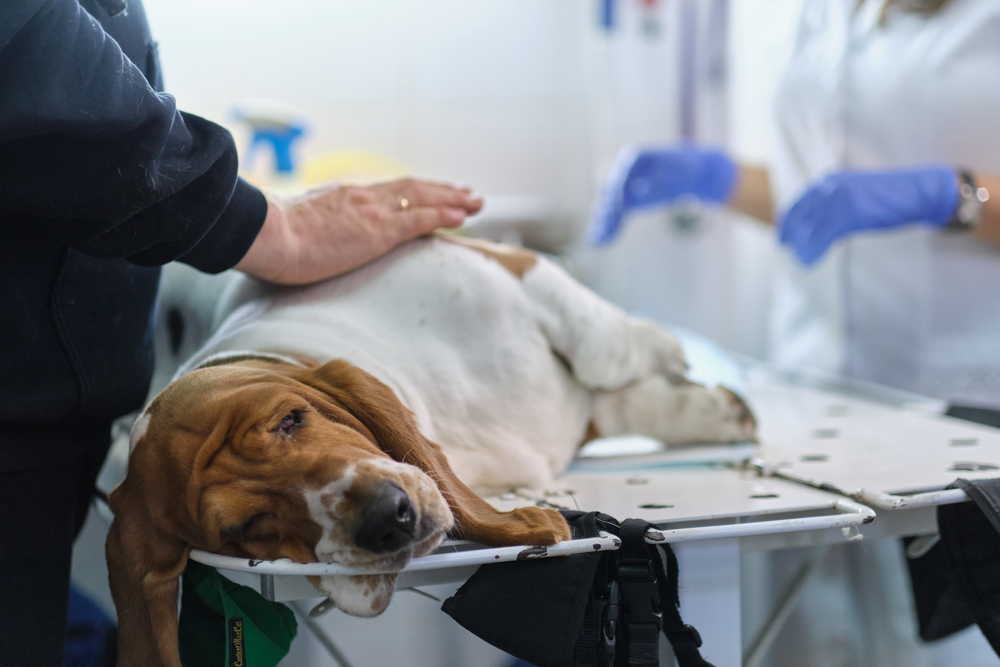
Your vet will make an individual treatment plan depending on your circumstances. If the ingestion is caught early, the vet can reduce your pet’s exposure to ibuprofen. They can be made to vomit to bring up any medication in their stomach.
Some dogs will not be good candidates to vomit, and your vet may recommend a “stomach pump,” also known as gastric lavage. A toxin binder can be given every 6 to 8 hours to reduce the absorption of ibuprofen into your dog’s system. These important and time-dependent steps can reduce your dog’s risk of serious side effects. This is why time is of the essence when your dog eats ibuprofen.
Based on the dose of ibuprofen ingested, your vet will decide if your dog needs hospitalization or at-home care. Most dogs will receive medication to protect the stomach and need a bland diet until they are recovered. If there is a higher risk of toxicity, your vet may take baseline blood tests, which can be repeated every 24 to 48 hours. Urine samples may also be needed. Your pet may need a fluid drip for a minimum of 48 hours.
Other treatment is given based on your dog’s signs. For example, medications to reduce nausea or seizures may be used. Dogs with extreme gastrointestinal signs may need surgery or a blood transfusion.
4. Monitor Their Recovery
Follow all medication instructions given by your vet carefully. Most vets will recommend a bland diet. Boiled chicken breast and rice work well for most dogs, but dogs with special dietary requirements may need something else. Your dog may need further blood tests after they go home.
Sometimes, ibuprofen toxicity leads to lifelong kidney problems, and the treatment may be lifelong. Contact your vet if you notice any signs you are concerned about once your dog has been discharged.
5. Take Steps to Prevent This Happening Again
Dogs can get into medication for a few reasons. Anxiety or boredom can lead to destructive behaviors. We recommend behavioral interventions like environmental changes, training, and possibly medication if your dog seems anxious and tends to shred anything they can.
You should keep all medication and harmful foods out of your dog’s reach, and everyone in the house should clean up after themselves. Use garbage cans with lids and store everything in high cupboards. Confine your pet in safe areas when you’re not at home with them.
You can also provide puzzle toys, games, and chew toys. Exercise is vital for dogs, but the amount will depend on their age, health, and breed. However, you can ask your vet how much exercise your dog should get daily and discuss any behavioral concerns.

Signs of Ibuprofen Toxicity
The signs of ibuprofen toxicity are related to the dose your dog ingests relative to their size. Different doses lead to different “levels” of toxicity. For example, a dog at risk of kidney damage is also at risk of gastrointestinal signs.
1. Gastrointestinal Signs
Lower-range toxicity can cause side effects related to the gastrointestinal tract. Ibuprofen can compromise the protective layer lining the stomach and lead to gastric ulcers. In extreme cases, gastric ulcers can lead to a ruptured stomach and peritonitis (inflammation in the abdominal cavity). These effects can still be fatal despite occurring at a lower dose range. Gastric ulceration can lead to signs like:
- Vomiting
- Diarrhea
- Blood in vomit
- Blood in stool. This can be fresh, red blood or black, tarry, digested blood.
- Nausea
- Inappetence
- Abdominal pain
- Weight loss
- Lethargy
2. Kidney Damage
In addition to gastric ulceration, in cases of moderate doses of ibuprofen, the blood supply to the kidneys can be reduced, which leads to kidney damage. The effects on the kidneys can be temporary or permanent. If your dog has kidney damage, you could notice signs like:
- Drinking more than usual
- Urinating more than usual
- Not urinating or urinating less
- Nausea
- Vomiting
- Diarrhea
- Inappetence
- Bad breath
- Weight loss
- Lethargy
3. Neurological Signs
With very high doses of ibuprofen, the central nervous system is affected. The reasons for the neurological side effects are still unknown. Neurological signs can include:
- Tremors
- Seizures
- Wobbly gait
- Coma
4. Less Common Reactions
Despite what we know about the medication’s effects, idiosyncratic liver damage can occur with ibuprofen. Liver damage is not expected but can occur in some individuals. It is suspected to occur when ibuprofen is broken down in the liver into compounds that worsen the effects of copper accumulation in the liver (a pre-existing condition).
Why Can’t Dogs Have Ibuprofen?
Ibuprofen is a medication belonging to the class of drugs known as non-steroidal-anti-inflammatories (NSAIDs). Unlike humans, dogs are extremely sensitive to the side effects of ibuprofen, which means most vets will never prescribe it, but there is technically a dose considered “safe” for short-term use.
Using the medication at low doses for more than 30 days has been proven to cause gastrointestinal damage and signs of illness. In one case, a very low dose given every other day for 6 weeks caused a ruptured stomach, and the dog died.
NSAIDs work to reduce inflammation by blocking certain pathways that synthesize prostaglandins. Prostaglandins are involved in inflammation and pain but also have beneficial roles in the body, like maintaining kidney blood supply and promoting a protective layer of mucus in the stomach.
The side effects occur because these beneficial prostaglandins are inhibited. Some NSAIDs are safer to use in dogs and are FDA-approved. In addition, vets may prescribe a human over-the-counter medication off-label at safe doses, but typically, ibuprofen is not used this way.
Conclusion
With ibuprofen toxicity, the prognosis worsens with the dose ingested. However, timely vet intervention can mean your dog is exposed to less medication and has a better recovery.
Depending on the amount of ibuprofen ingested and other signs, your dog may need a hospital stay or medication and monitoring at home. Keep medication out of your pet’s reach, and never ever give human medication to your dog without vet approval.
Featured Image Credit: speedshutter Photography, Shutterstock


























4 Responses
I have a 2 yr old German shepherd about 45-50 pounds. I believe he ate half or less of an ibuprofen. He hasn’t shown any symptoms. This happened about 20 mins ago. Should I be worried?
Hello Karla,
thank you for reaching out to us and sorry for a late reply. We seriously hope your dog is alright! In cases like these, the best course of action is to contact either Pet Poison Helpline or your veterinarian. Alternatively you can book a video call appointment with one of our veterinarians from www.PangoVet.com. In a 20-minute call you can ask all your questions and our vets will take a look at your dog and give you their professional opinion.
Best wishes!
BRO, I NEED A ANWSER NOW MY MOM GAVE MY DOG A GRAPE IT WAS ONE GRAPE HE IS A SMALL DOG HES 5 IS BIRTHDAY IS NOVEMBER 25 I NEED HELP I TOLD HER NOT TO GIVE HIM ONE SHE DID IT ANYWAY I WILL FORCE HIM TO GO TO THE VET MY DOG IS A SMALL DOG OKAY? HE IS A BICHON FRISE MIXED WITH A SHIH TZU. I NEED A REAL VET NOT AN AI PLEASE HELP ME!!
Hi Mya,
I’m really sorry you’re dealing with this, I know it’s scary. A grape can be dangerous for any dog, especially a small one.
Please take him to an emergency vet right now. Do not wait, and do not try anything at home. Only a veterinarian can give the proper treatment quickly enough to help.
If you’re able, call your nearest emergency veterinary hospital on the way so they’re ready for you.