Do Dogs Purr? Vet-Verified Facts & Common Sounds


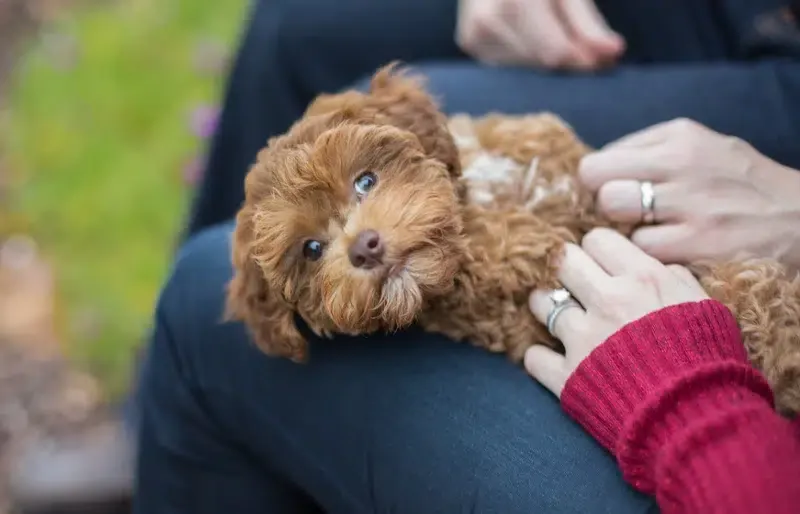
Dogs may not be able to speak to us using words, but they certainly have no trouble communicating with us through their unique sounds and body language. Purring is a sound that is automatically associated with cats, but most dog owners are all too familiar with a sound similar to purring coming from their canine companions.
So, do dogs purr? Technically, dogs do not purr, especially not in the same way that cats do but that low grumbly noise they make is sometimes referred to as purring. It’s a very common sound among the canine community that’s usually a telltale sign of happiness or contentment. Keep reading to learn more about the different noises dogs make and the meaning behind them.

The 6 Dog Sounds & What They Mean
1. Barking
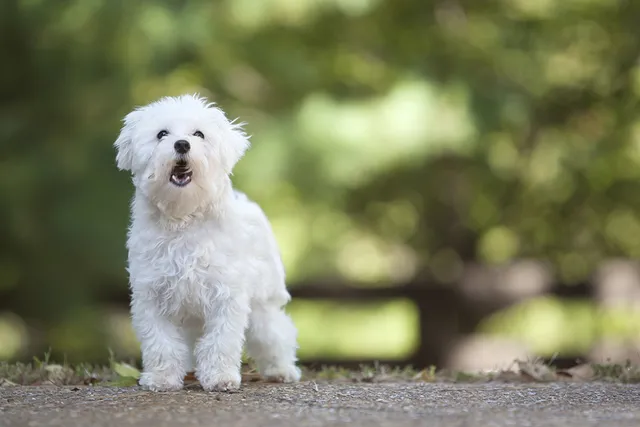
Barking is one of the most common sounds that dogs use to communicate and there’s a wide range of reasons behind a dog’s bark. Barking ranges from high-pitched yips to deep, low-toned barks and everything in between.
Dogs will bark as a warning, a greeting, to establish or defend their territory, to get your attention, to display excitability or anxiety, or even to tell you they're hungry or they need to go outside. Each dog will have their unique barking habits and it’s typically easy for an owner to pick up on what they’re trying to say.
If you are ever curious as to why your dog is barking, take into consideration the current environment and keep a close eye on their body language. Body language is another way to pick up on what your dog is trying to say. Understanding what your pooch is trying to communicate helps you establish a healthy and well-rounded relationship with your dog.
2. Growling
Growling is often associated with aggression and while dogs will growl as a warning, due to territorial disputes or fear, there are many other reasons they growl, too. If you’ve ever gotten your dog all hyped up during play, you most likely heard them growl out of excitement, which is very common.
Dogs will also growl as a warning to either people or other animals if they feel threatened or fearful or show possessiveness by resource-guarding. Growling may also be a display of dominance.
That low rumbling purr sound is also a form of growling. It can be quite intimidating at first, especially when it’s coming out of a large dog, but this low grumble typically signifies happiness in some form or another and is often accompanied by tail wagging.
3. Howling
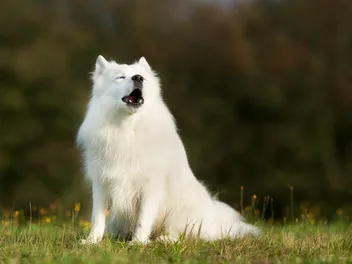
Howling is something that wolves do to communicate with their pack and others. Dogs will also howl to communicate, though certain breeds may be more likely to howl than others. Hound dogs and Huskies are very well known for their frequent howling.
The reasons why dogs howl will vary significantly and cover a wide range of things they are trying to communicate. Many dogs will howl when they hear another dog start howling, or when they hear a loud noise like a siren.
4. Whining
Whining is another noise that could have a wide range of meanings. It’s typically not too difficult to figure out the context of the whine, especially when they are using it to get your attention. A lot of dogs will begin whining when they want something like food, a toy, a bathroom break, or to get showered in affection.
Whining can also signify fear, anxiety, and pain. Dogs with separation anxiety will often whine when they are left alone. It’s important to keep an eye out for any unusual signs or behaviors to see if a dog’s whining warrants a visit to the veterinarian.
5. Yelping
A loud yelp typically signifies that a dog is either in pain, is fearful, or has suddenly been taken by surprise. Yelps are most often noticed when a dog experiences sudden, intense pain. For instance, you may hear a yelp if you accidentally step on your dog’s foot while walking through the home.
If another dog is asserting their dominance, it’s not unusual for one to yelp when they concede to the more dominant individual. It’s important to key in on the reason why your dog could be yelping. If this is something they do regularly and you can’t figure out the source, it’s best to consult a veterinarian.
6. Moans, Groans, and Sighs
Dogs are known for making a variety of low-pitched sounds to express their feelings. A lot of dogs will sigh when they are feeling relaxed or content but they will sometimes sigh out of exasperation. The same goes for moans and groans. A dog may groan because they are trying to get your attention or they want something like food, to go to the bathroom, or to convince you it’s playtime.
These noises can also signify pain or discomfort, so keep an eye out for body language and when you notice the behavior. These noises aren’t typically related to a medical concern, but if you notice any unusual signs or behaviors accompanied by these noises, it’s time to call the vet.

Conclusion
Dogs do not purr in the same sense or way that a cat does, but they sure can make a noise that resembles purring. When you hear a dog making a grumbly, purring sound, it’s typically a sign they are very happy or content. Dogs use a wide range of noises to communicate how they feel, and the same noises can mean different things.
It’s important to understand the context of the noises they are making and be aware of a dog’s body language cues so that you can observe their behaviors and recognize what they are trying to communicate to you.
Sources
Featured Image Credit: Tara Lynn and Co, Shutterstock
Expert dog care, straight to your inbox
News, insights, expert advice, and everything dog.

No spam — unsubscribe anytime.
By signing up, you agree to our Terms & Conditions and Privacy & Cookies Policy.
How useful was this post?
Click a star to rate. You can leave written feedback afterwards. (We read all feedback.)
I am a wife, mother, nature enthusiast, animal lover, and business major. I was born and raised in Ohio but now live in Tulsa, Oklahoma. We share our home with a German Shepherd, several snakes, tarantulas, and a couple rescue cats.
My husband and I enjoy traveling the US with our kids and photographing wildlife. My passion is to educate others on the importance of proper animal care, with an emphasis on reptiles and exotics since their care requirements can be much more complex. I am also a huge advocate for bully breeds. I feel most at home in the forest either on horseback or in hiking boots.