Get

In Your Inbox

Dogster is reader-supported. When you buy via links on our site, we may earn an affiliate commission at no cost to you. Learn more.

Can Dogs Eat Soy? Vet-Reviewed Nutrition Facts & Info

Share

Dogster-Can-Dogs-Eat-Soy

Soy has gotten a bad reputation for being a cheap filler without any nutritional value. However, this isn’t always true. Soy can be a nutritious ingredient in dog food and can even be therapeutic for some health conditions. While many people believe it can cause food allergies in pups, soy is actually often a main ingredient in hypoallergenic pet foods.

So, can dogs eat soy? Absolutely, they can, but it may not be suitable for all pups. Read on to learn more.

divider dog paws oct 2024

What Is Soy?

Soy is a popular Asian legume, high in protein, fiber, iron, and folate.

The soy present in dog food needs to be in a form that is easy to digest and beneficial for their health.

There are several types of soy commonly found in pet food, including:
  • Soy protein concentrate (SPC): This is about 70% crude protein. It is defatted soybean flour that has most of the carbohydrate content removed. This isolates the protein, making it nutrient-dense and highly digestible.
  • Soy protein isolate (SPI): This is about 90% crude protein, and contains no carbohydrates or fiber. It is the most concentrated source of soy protein, and is highly digestible.
  • Soybean meal: These are defatted soybean flakes used as a source of protein and energy. It contains a high amount of oligosaccharides, a carbohydrate that’s not digestible by dogs and can cause a lot of gas.
  • Soybean oil: This can be a great source of omega fatty acids, including omega-3s and omega-6s.

SPC and SPI are more purified than soybean meal, and are thus more expensive. For this reason, they tend to be used less often in pet foods.
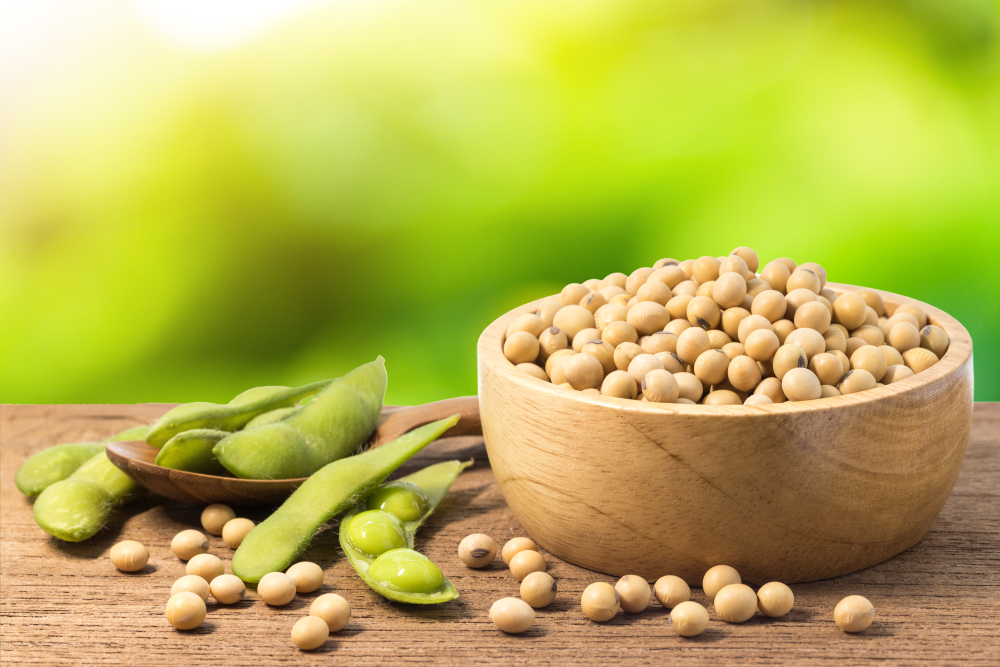
Soybean and green soy in a wooden bowl
Image Credit: 1989studio, Shutterstock

Can Dogs Eat Soy?

Studies suggest that soy proteins can provide a nutritionally balanced dog food diet so long as they are formulated with other plant and animal proteins to optimize amino acid intake.1

Dogster divider_v1_NEW_MAY_24_

Benefits of Soy for Dogs

1. Helps With Allergies

Despite the common belief that soy exacerbates food allergies, hydrolyzed soy can actually be beneficial for pups with food allergies. Some veterinarians actually prescribe dogs a diet with hydrolyzed soy when diagnosing and treating allergies because the proteins contained in this type of diet are broken into small pieces that essentially “sneak through” a dog’s digestive system without the immune system recognizing them and causing an allergic reaction. Of course, there may still be dogs that are allergic to soy, but this tends to happen less frequently than allergies to other ingredients such as chicken or beef.


2. Amino Acids

From a nutritional standpoint, soy can offer dogs a great source of digestible amino acids as it contains nine of the 10 essential aminos dogs require in a healthy diet. It’s especially high in lysine, which supports healthy growth and development.
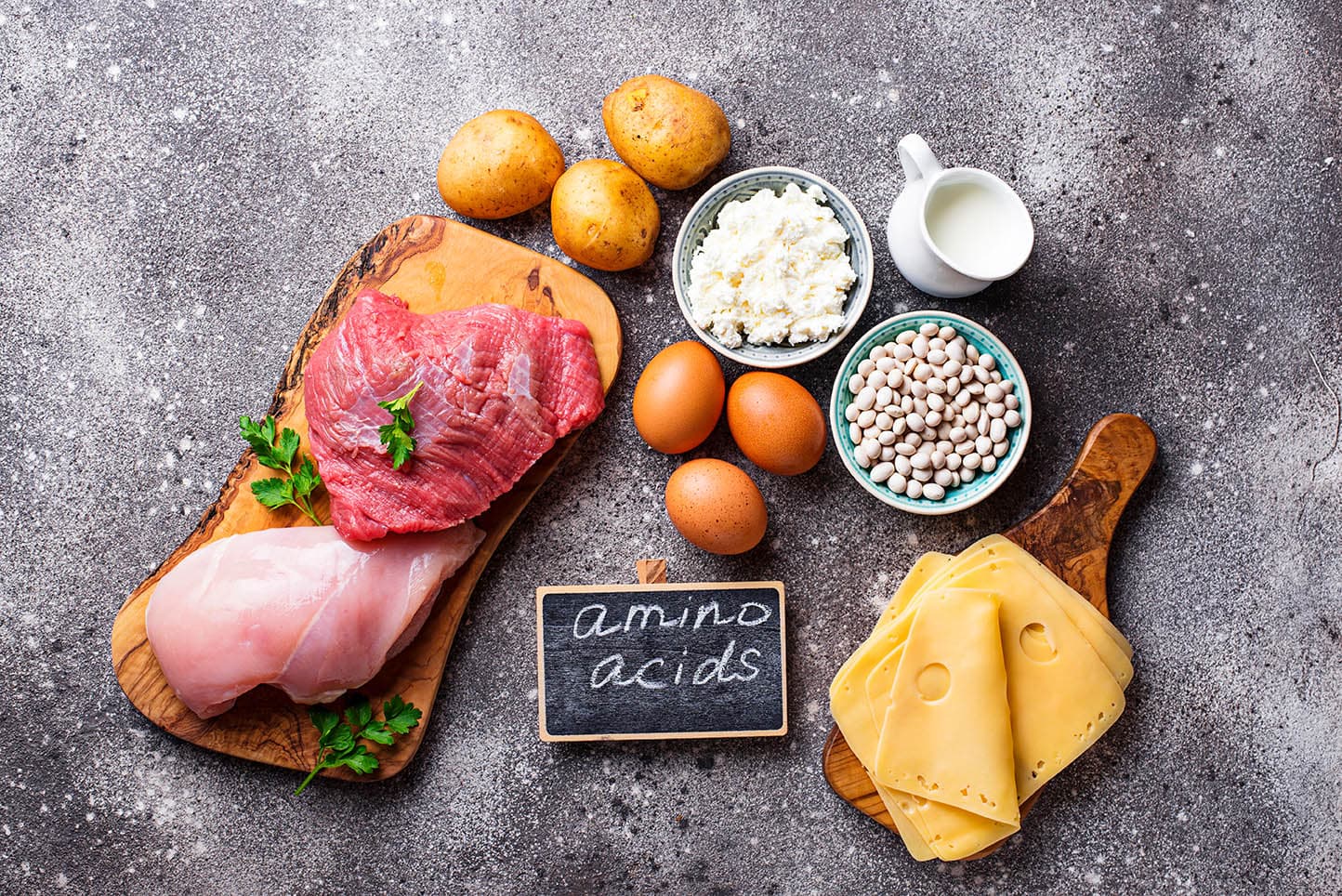
Products rich in amino acids
Image Credit: Yulia Furman, Shutterstock

3. Protein & Antioxidant Content

Many dog foods contain soy as one of their primary protein sources as it’s much cheaper than animal proteins.

Soy contains natural compounds known as isoflavones. Studies suggest that diets with these can have positive effects on metabolism and weight management. Isoflavones may reduce weight gain in spayed and neutered dogs by increasing their energy expenditure. Isoflavones may also have some antioxidant capabilities.


4. Fiber & Vitamin Content

Soy is an excellent source of fiber, which can promote digestive health and promote regularity with bowel movements. It also contains numerous vitamins and minerals, including vitamin B6, which is involved in amino acid metabolism, and potassium, which plays many essential roles in the body, like transmitting nerve impulses.


5. May Assist With Disease Management

Veterinarians will sometimes prescribe soy-based foods for dogs with certain medical conditions, such as certain types of bladder stones. Dogs that are predisposed to urate stones may not be able to break down uric acid as they should and may need to eat a low-purine diet to prevent stones from forming in the future. As with many plant proteins, soy is lower in purine than animal proteins and may be able to prevent recurrences.

Additionally, vets may recommend that dogs with liver disease eat soy-based diets as they may be able to reduce the workload on the liver.


woman and labrador dog consulting with the vet
Image Credit: SeventyFour, Shutterstock

Dogster divider_v3_NEW_MAY_24_

Concerns Over Soy for Dogs

Of course, as with all controversial ingredients, there are some health concerns about feeding soy to dogs.

Allergies

Soy allergies are less common in dogs than you might think. Studies suggest that the most frequently reported food allergens for pups were beef, dairy products, chicken, wheat, and lamb. However, just because it isn’t as common doesn’t mean that dogs can’t be allergic to soy. This is why it’s important to introduce any new food or ingredient slowly and transition your pup from their old food to new food over the course of a few days or weeks so you can monitor for adverse reactions.

dog itching
Image Credit: photo-vista.de/Getty Images

Flatulence

Soybean meal, in particular, can contain compounds that may cause flatulence in dogs. If your dog already has gastrointestinal issues, you may want to bypass foods that contain a lot of soybean meal in case they further exacerbate their tummy problems.

divider dog paws oct 2024

Final Thoughts

Though soy has gotten a bad reputation in the pet food world, when it is included in proper amounts in a nutritionally sound, complete, and balanced dog food, it can provide a great source of protein and other nutrients.

Soy allergies in dogs are relatively rare, at least in comparison to other allergens, though that doesn’t mean it won’t cause an allergic reaction. Like all new foods, it’s essential to introduce a soy-inclusive diet slowly and follow a proper transitionary schedule as recommended by your veterinarian.

See Also: 


Featured Image Credit: LookerStudio, Shutterstock

Want content like this delivered to you?

Sign Up For Our Newsletter

News, insights, expert advice, and everything dog

* By submitting, you agree to our Terms & Conditions and Privacy & Cookies Policy.


How useful was this post?

Click on a star to rate (you can leave written feedback after clicking submit)


Help us improve Dogster for pet parents!

Your feedback really matters.

What did you like about this post? Also how can we improve it?

Join the conversation

Leave a Reply

You’re very welcome to leave a comment or question. Please know that all comments must meet our community guidelines, and your email address will NOT be published. Let’s have a positive and constructive conversation.


Talk With A Vet Online

Peace of mind,
anywhere, anytime

Affordable vet advice

Dogster’s Weekly Photo Contest Winners: Best Easter Photo (April 9, 2026)

Every week our team gets the privilege of sorting through our readers photos to choose what dogs will win this weeks contest! See...

We Didn’t Just Add a Dog to Our Life – We Built a Life With Him

“We didn’t just bring a dog home—we built a life together.” Most people are quietly taught a version of pet ownership that looks...

What Most Airlines Won’t Let You Do With Your Dog (Even If You Pay Extra)

Airline pet policies are notoriously hard to navigate. The information is scattered across different pages, buried in FAQ sections, and often contradicts what...

Designer Breeds: Best of Both? New Study Says No

“I’ll take a highly trainable, low-shedding lapdog, hold the heart disease and anxiety!” Something I always found amusing was when people would point...

More related

Christmas Dog Treat Recipes: 6 Great Options (Vet Approved)

Christmas is a time for celebration and an excellent excuse to share our appreciation for those we love. If you have a furry...

Pomeranian vs Chihuahua: Notable Differences & Similarities

While Pomeranians and Chihuahuas have much in common, some stark differences set them apart. If you’re considering adopting one of these adorable yet...

13 Dogs in Animated Films: Famous Characters to Enjoy

Dogs have a hallowed place in human history as man’s best friend, and nowhere better immortalizes them than our favorite films. Real dogs...

11 Signs a Dog Is Going Into Labor Soon: Vet-Approved Guide

The gestation period for a pregnant canine is about 63 days from the time of conception.1 However, like humans, dogs can go into...

Keep reading

11 Best Lamb Dog Foods in 2026 – Reviews & Top Picks

These days, most dog owners are aware that many food allergies that affect our dogs come from common protein sources. In response, more dog food is being made with novel proteins, including lamb. Or maybe you’re looking at lamb for...

brown dog sniffing a dog food

14 Best Large Breed Puppy Foods in 2026 – Reviews & Top Picks

All humans may be created equal, but not all puppies grow at equal rates or end up the same size when they are done growing. If you have lost your heart to a large or giant breed puppy, there are...

german shepherd puppy eating dry food outdoors

Can Dogs Eat Rambutan? Vet-Verified Safety Facts

If your dog is like most, they love to eat. They gobble up their food at every mealtime, go after scraps that fall off the table or counter, and investigate anything that they come across outdoors to see if it...

Can Dogs Eat_rambutan

Can Dogs Eat Green Apples? Vet-Approved Facts!

Apples are hardier than many other fruits, so they are often available no matter the season, making them great healthy snacks throughout the year. Multiple varieties are consistently available, including Red Delicious, Gala, and Fuji, which are considered red apples....

Can Dogs Eat_green apples

Are Greenies Good for Dogs? Vet-Approved Nutrition Guide

Dental disease is one of the most common canine health problems. Dental problems can be painful and make it difficult for dogs to eat. Severe periodontal disease can make dogs more vulnerable to tooth root abscesses and organ disease. That’s...

Greenies bites out of package

How to Cook Eggs for Dogs: 3 Vet-Approved Recipes & Facts

Eggs are a nutritious (and tasty) part of most people’s breakfasts, so you might wonder if they can be a part of your dog’s diet too. The answer is yes, they can! However, you need to purchase pasteurized in-shell eggs...

hard boiled eggs

Can Dogs Eat Turkey? Vet-Verified Nutrition Facts & FAQ

If you can’t resist slipping your dog a few tidbits off your dinner plate, you should first know which foods are safe and healthy for them to eat. Turkey is a popular protein, especially for holidays and special occasions, but...

Can Dogs Eat Turkey

13 DIY Dog Bowl Stand Plans You Can Make Today (With Pictures)

Dog bowl stands can make meals more enjoyable for your dog. Raised bowls can help ease joint and neck pain in elderly dogs and those with arthritis. They can also help large breeds eat easier without having to lower their...

black dog eating dr. marty nature's blend dog food

Love Dogs? So Do We! Join the Dogster Community

Stay informed with expert pet care insights delivered straight to your inbox! Discover professional guidance on animal behavior, feeding tips, trusted product picks, and much more.


Sign up for the Dogster Email Newsletter